
There’s a quiet irony that plays out at dinner parties, business meetings, and casual gatherings everywhere. The person working the room in the flashiest outfit, mentioning their car, or dropping the name of a recent luxury vacation is rarely the wealthiest one there. More often, the genuinely wealthy person is the one you almost didn’t notice.
This gap between the appearance of wealth and actual wealth is not just a cliché. It’s backed by research, behavioral economics, and decades of data on how real millionaires actually live. Understanding it changes how you read rooms, how you think about money, and maybe how you spend it.
The "Pseudo-Affluent" Problem: Looking Rich vs. Being Rich

The "Pseudo-Affluent" Problem: Looking Rich vs. Being Rich (Image Credits: Unsplash)
The pseudo-affluent are a breed that fancies the material world by buying things that convey success. Researchers call these items “prestige products,” and the majority of people who buy them want others to know just how much they have. The look of wealth and the reality of wealth are genuinely different things, and they often belong to different people.
Most rich people actually achieve their wealth through a relatively simple combination of earning, saving, and spending wisely. The rich get rich by earning and saving, not earning and spending. That principle sounds almost too simple, which may be exactly why so many people miss it.
The Numbers Behind Self-Made Wealth

The Numbers Behind Self-Made Wealth (Image Credits: Unsplash)
Research from Ramsey Solutions and Fidelity Investments shows that roughly nine in ten millionaires are first-generation wealthy. They did not inherit their millionaire status. Close to four out of five millionaires did not receive any inheritance at all. The Hollywood image of old money passed down through generations simply doesn’t match the statistical reality.
The average millionaire took 28 years of working, saving, and investing to reach a net worth of one million dollars. That’s nearly three decades of consistent, unglamorous discipline. It doesn’t make for a great Instagram story, but it’s how actual wealth gets built.
How the Genuinely Wealthy Actually Live Day to Day

How the Genuinely Wealthy Actually Live Day to Day (cafecredit, Flickr, <a href="https://creativecommons.org/licenses/by/2.0/" target="_blank" rel="noopener">CC BY 2.0</a>)
The majority of millionaires live in normal, middle-class neighborhoods and drive modest cars. Most build wealth through simple, consistent habits rather than high incomes or flashy lifestyles. They focus on budgeting, living below their means, and avoiding debt to grow their wealth over time.
A Ramsey Solutions study found roughly 94 percent of millionaires stick to a budget and consistently live below their means. Many millionaires are meticulous about tracking their expenses. That kind of methodical attention to money is almost the opposite of what conspicuous spenders do.
Warren Buffett and the Omaha Effect
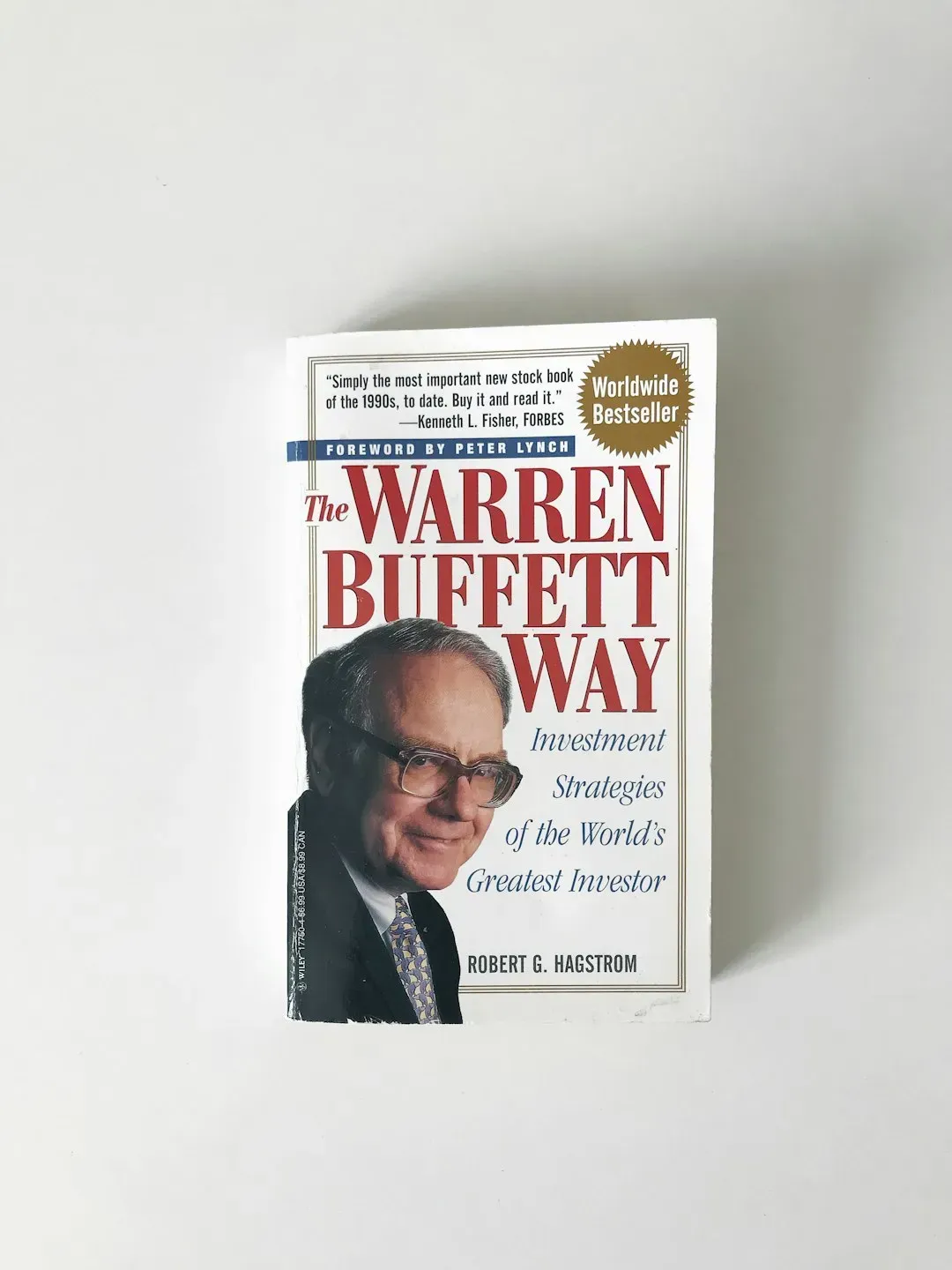
Warren Buffett and the Omaha Effect (Image Credits: Unsplash)
There’s the well-known story of the billionaire who lives in a modest home. It’s Warren Buffett. His net worth, according to Forbes estimates, exceeds 150 billion dollars. His home tells a very different story. It’s not a sprawling beachfront mansion. Not even close. He lives in a quiet Omaha, Nebraska neighborhood in a home he bought for 31,500 dollars in 1958.
Buffett is an extreme example, but he’s not an outlier in principle. The prototypical millionaire lives below their means, prioritizes saving over spending, doesn’t splurge on luxuries, budgets carefully, thinks long-term, and saves or invests a significant portion of income. The millionaires next door are disciplined with their money and are more likely to drive a Ford than a Bentley.
The Real Source of Wealth: Boring Businesses Nobody Talks About

The Real Source of Wealth: Boring Businesses Nobody Talks About (Image Credits: Pexels)
Most millionaires are self-employed or own a business. Self-employed people make up less than a fifth of all workers in America but account for nearly two-thirds of the millionaires. The largest source of income for the top earners in the U.S. isn’t being a partner at an investment bank or launching a tech startup. It is owning a medium-sized regional business. Many of them are distinctly boring and extremely lucrative, like auto dealerships, beverage distributors, grocery stores, dental practices, and law firms.
Nobody makes a reality show about a dental supply company. Perhaps most importantly, genuinely rich people view money objectively as a tool rather than an emotional entity. They don’t attach their self-worth to their bank balance or use money as a fix for emotional issues. This logical approach allows them to make financial decisions based on facts and potential outcomes rather than feelings or social pressure.
Stealth Wealth: Why the Rich Are Quietly Stepping Back from Showing Off

Stealth Wealth: Why the Rich Are Quietly Stepping Back from Showing Off (Image Credits: Unsplash)
Analysts note that many wealthy Americans don’t even perceive themselves as rich, a distortion fueled partly by social media. Meanwhile, research from Bain and Company highlights a rise in what they call “luxury shame,” with wealthy consumers curbing visible status purchases. The cultural shift is measurable and ongoing.
Quiet luxury is now a global business movement shaping how consumers signal success. After a decade dominated by hype drops, logo mania, and influencer-driven extravagance, the pendulum has swung back toward refined understatement. Think premium fabrics instead of visible logos. Investment-grade tailoring instead of trend cycles. Luxury that whispers instead of shouts.
The Psychology of Displaying Wealth: Who Is It Actually For?

The Psychology of Displaying Wealth: Who Is It Actually For? (Image Credits: Unsplash)
Seminal research by Han, Nunes, and Drèze demonstrated how consumers signal status with more or less conspicuous branding depending on the audience they want to impress, or avoid. When someone wants to signal wealth to people who aren’t wealthy, loud logos work. When the genuinely wealthy signal to each other, subtlety is often the actual currency.
Those who live lavish lifestyles often feel quietly insecure about sustaining them. Yet mass media tends to focus on flashy lifestyles, shaping our mistaken perception of how the wealthy live, and promoting a high-consumption culture that financially harms many people. The images we consume daily have a cost we rarely account for.
The Frugal Foundation: Saving as a Strategy, Not a Sacrifice

The Frugal Foundation: Saving as a Strategy, Not a Sacrifice (Image Credits: Pexels)
Frugality is the cornerstone of wealth-building for many millionaires. Contrary to the glamorous lifestyles often portrayed in the media, most wealthy individuals prioritize economic efficiency and resourcefulness. They live modestly, avoiding extravagant expenditures on luxury items, expensive cars, and high-end fashion. This disciplined approach comes from a clear understanding that lavish spending undermines long-term financial stability.
Research shows frugal millionaires tend to practice consistent financial discipline, keeping their total living costs to roughly 3,200 dollars per month, which is often less than what some middle-income households spend. That figure consistently surprises people. Many smart millionaires deposit between fifteen and twenty percent of their income into savings or reserve accounts to prepare for future risks and preserve their wealth. They treat savings as an expense.
What You Can Actually Learn From Someone Who Looks Ordinary

What You Can Actually Learn From Someone Who Looks Ordinary (Image Credits: Unsplash)
In 2025, it’s not the person posting luxury vacations on Instagram who’s winning financially. It’s the one with a paid-off mortgage and maxed-out retirement accounts. The stealth-wealth crowd doesn’t brag. They build. They care more about freedom, flexibility, and privacy than likes or status.
Saving and strategic investing are crucial habits of the wealthy. They don’t just save for a rainy day. They save to invest in opportunities that can multiply their wealth. This often involves taking calculated risks based on knowledge and careful analysis, not impulse or emotion. The discipline is unglamorous but consistent, and that consistency is the point.
The Quiet Person at the Table

The Quiet Person at the Table (Image Credits: Pexels)
Many millionaires live modestly and don’t display their wealth through extravagant lifestyles or conspicuous consumption. They may drive ordinary cars and live in working-class neighborhoods. Next time you’re in a room trying to figure out who the most successful person is, consider looking away from whoever is working hardest to convince you.
As one observer noted, “the biggest barrier to becoming rich is living like you’re rich before you are.” The person who already cleared that barrier probably isn’t announcing it. They’re just sitting quietly, watching the room, and thinking about their next investment.