
Most of us think of parenting in terms of the big events: the first day of school, the difficult conversations about right and wrong, the milestone birthdays. Those moments feel weighty, memorable, deliberate. Yet the research emerging in developmental psychology tells a quieter, more persistent story. It’s the small moments, the ones that barely register at the time, that do much of the real work.
A glance of reassurance when a child stumbles. Reading the same picture book for the eleventh night in a row. Pausing during dinner to actually listen. These exchanges might seem inconsequential, but science increasingly shows they’re anything but. The early social interactions between parents and children are foundational to both the neurobiological development of the child and the establishment of parental mental health and wellbeing. These connections, forged through daily interactions, are much more than mere exchanges of affection or communication; they are integral to shaping the brain and behavior of both the parent and the child.
The Brain Is Always Listening

The Brain Is Always Listening (Image Credits: Pexels)
Of all that brain science has taught us over the last 30 years, one of the clearest findings is that early brain development is directly influenced by babies' day-to-day interactions with their caregivers. This isn't a soft claim. It's one of the most consistent conclusions from decades of neurodevelopmental research.
Every interaction a child has, from cuddling to playing peek-a-boo, leaves a mark on their developing brain. Neural connections, or synapses, proliferate in response to stimuli, forming intricate networks that shape cognitive and emotional functioning. This process, known as synaptic pruning, refines the brain's circuitry by eliminating unused connections and strengthening those that are frequently activated. In plain terms: the moments you show up for your child literally shape the architecture of their mind.
Daily Routines Are More Powerful Than They Look
Daily Routines Are More Powerful Than They Look (Image Credits: Unsplash)
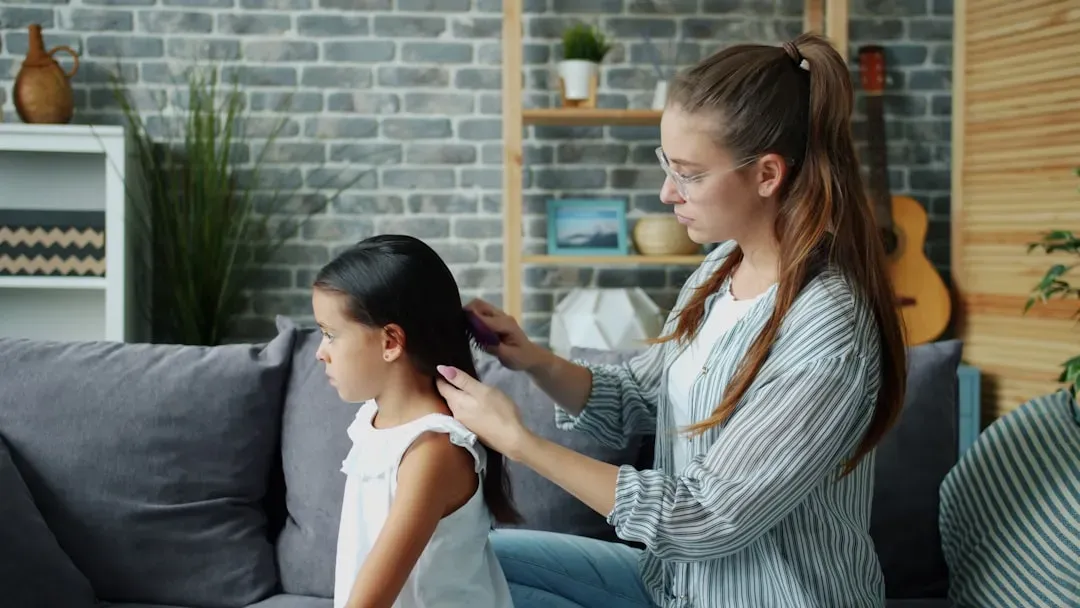
Research has shown the importance of routines for optimal child development. This goes well beyond just keeping a predictable schedule. Consistent small rituals, such as a morning greeting, a shared meal, or a particular way of saying goodnight, build a framework of safety that children rely on to understand the world.
Out of 18 studies reviewing the impact of routines on children's self-regulatory and executive function skills, 16 found positive correlations while two showed mixed results. That's a striking level of consistency for any area of behavioral research. Research suggests that routines can have a positive effect on families in high-risk situations, promoting children's self-regulation and abilities. The families who might benefit most are often the ones for whom maintaining such routines is hardest, which makes this finding all the more important to understand.
How You Talk to a Child Changes Their Brain

How You Talk to a Child Changes Their Brain (Image Credits: Pexels)
Frequent, back-and-forth conversations with infants strengthen language regions in babies' brains, even before they start to talk. In fact, research shows that the amount of back-and-forth conversations, or exchanges, with babies is even more beneficial to their language learning than the number of words they hear. This surprises most parents, who assume it's about volume of input rather than quality of exchange.
Positive effects of spending time with parents on verbal comprehension scores were confirmed in both cross-sectional and longitudinal analyses. Even brief verbal interactions during everyday tasks, narrating a diaper change, describing what's for lunch, answering a toddler's question with genuine engagement, accumulate into measurable cognitive advantages. Babies learn, largely by attending to their caregivers' modeling, how to feel, think, and act. Simple, daily interactions have an enormous impact.
Bedtime Stories Are Not Just About Bedtime

Bedtime Stories Are Not Just About Bedtime (Image Credits: Pexels)
Research shows that reading to your child can improve their literacy and brain development; it can also help them drift off. But the benefits run considerably deeper than sleep. Shared book reading does more than improve language skills; it also provides a context for the development of narrative skills, that is, retelling the sequence of goal-directed actions.
Bedtime stories can have a profound impact on children's emotional development. Research has shown that reading books that teach good morals and values can help children develop empathy, compassion, and social awareness. Through stories, children can explore different emotions, learn to identify and understand their own feelings, and develop coping strategies for managing difficult emotions. A ten-minute story at night is doing quiet, layered work long after the lights go out.
Warmth and Self-Esteem Are Deeply Connected

Warmth and Self-Esteem Are Deeply Connected (Image Credits: Pexels)
Parental care, support, and affection raise the child with psychological maturity and high self-esteem, whereas over-controlling, overprotection, and strict directions raise the child with emotional deficiency and low self-esteem. The tone of small, everyday interactions contributes directly to how children come to see themselves over time.
Children's self-esteem growth is greatly influenced by the parenting approaches employed. Children who experience authoritative parenting, which is marked by warmth, attentiveness, and unambiguous expectations, tend to have higher self-esteem. Warmth, critically, doesn't require grand gestures. It shows up in a patient response, a genuine compliment, or simply being present without distraction. Parental emotional warmth can enhance self-esteem, and research confirms that this effect flows through into reduced psychological rigidity in adolescence.
Emotional Validation in Small Moments Builds Lifelong Resilience

Emotional Validation in Small Moments Builds Lifelong Resilience (Image Credits: Unsplash)
Becoming aware of feelings is fostered through specific parenting strategies in the coregulation of children's emotions, especially affect mirroring, modeling, labeling, and validating children's emotions. When a parent pauses to name what a child is feeling, even briefly and imperfectly, it teaches the child that emotions are manageable and understandable.
Through attuned responses, active listening, and empathetic validation, parents create a safe haven where children can express themselves authentically and learn to navigate their emotions effectively. Co-regulation not only fosters emotional resilience and self-awareness but also strengthens the parent-child bond, laying the groundwork for lifelong trust and connection. These aren't dramatic interventions. They happen in the car, at the kitchen table, in the corridor before school.
Early Gaps Are Set Earlier Than Most Parents Realize
Early Gaps Are Set Earlier Than Most Parents Realize (Image Credits: Unsplash)
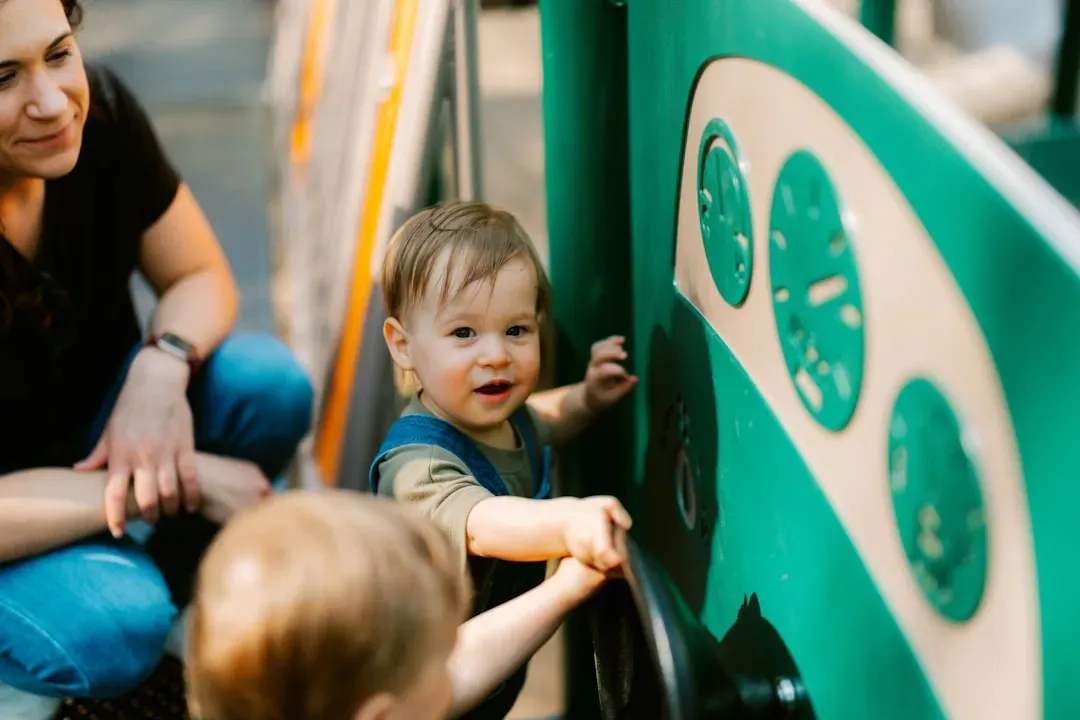
Early childhood development research documents substantial inequality in early child development and shows how differences that emerge by the age of 3 are reflected in children's achievements and outcomes during adolescence and beyond. The early gaps concern both cognitive and socio-emotional development. Three years old. That's how early the developmental trajectories begin to diverge in measurable ways.
The literature on child development has established that the development process is cumulative and that early achievements foster additional learning later on. Parenting decisions and the family environment correlate with long-run outcomes such as graduating from college. This doesn't mean early struggles are permanent, but it underscores why the small moments in those first years carry so much weight. Preschool children's physical and psychological development plays a critical role in educational achievement, ontogenetic progression, and lifelong health.
Play Is Not Downtime, It's Development
Play Is Not Downtime, It's Development (Image Credits: Pexels)
Play is not just a pastime for children; it's a fundamental building block of neurodevelopment that lays the groundwork for learning, socialization, and emotional well-being. When children engage in play, whether it's imaginative pretend play, physical roughhousing, or cooperative games, they are actively shaping their brains and honing essential skills. Through play, children learn to problem-solve, regulate their emotions, and navigate social interactions, all while flexing their creativity and imagination.
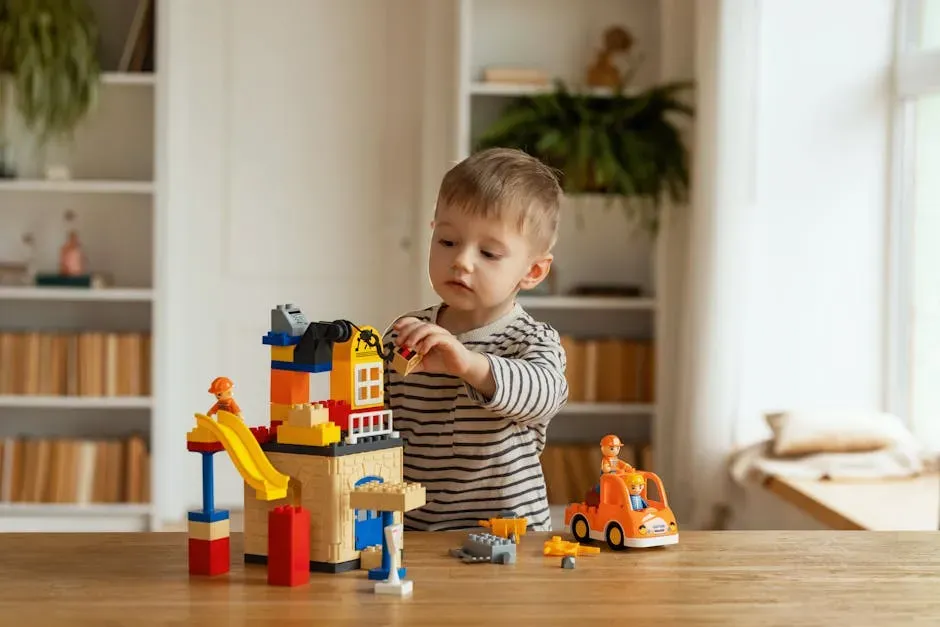
A parent who gets on the floor and plays alongside their child, who builds a block tower and lets it fall with theatrical effect, is not wasting time. They're contributing to something neuroscience now takes very seriously. Parenting practices can either enhance or hinder this process. Positive experiences, such as reading to a child or engaging in imaginative play, promote neural growth and connectivity. The moments that feel like nothing, silly voices, made-up games, nonsense songs, are often the ones doing the heaviest developmental lifting.
The Cumulative Power of Showing Up
The Cumulative Power of Showing Up (Image Credits: Pexels)
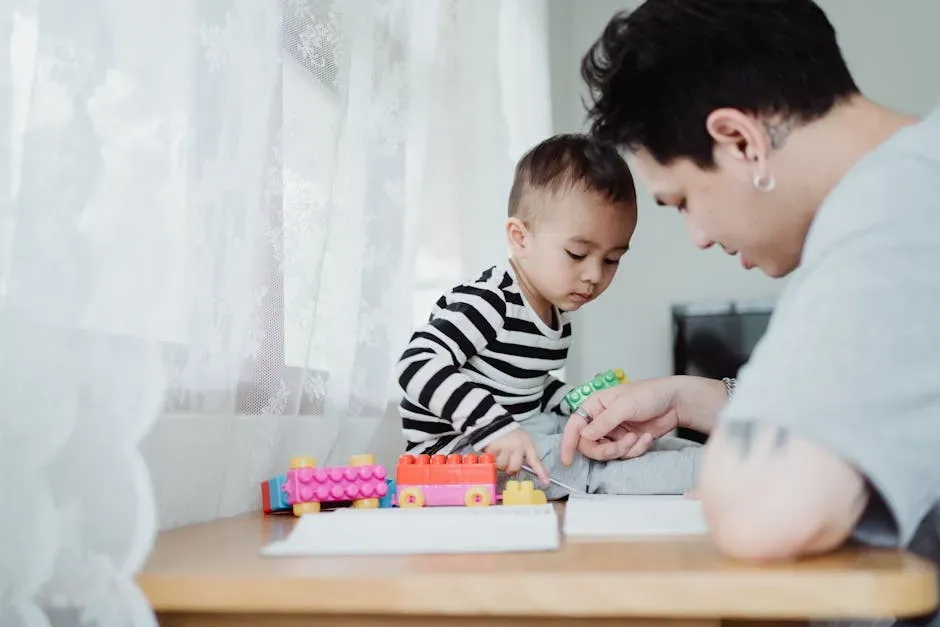
Through day-to-day interactions sensitive and responsive parents shape several key aspects of child development. These exchanges have a direct impact on infants' brain development, emotional regulation, social information processing, and attachment formation. The word "day-to-day" is the crucial one here. No single interaction determines a child's future. It's the accumulation that matters.
Several aspects of caregiver-infant behaviours are associated with, or predict, a variety of neural responses in infants, children and adolescents. The presence of both concurrent and long-term associations, some of which are first observed just a few months postnatally and extend into adulthood, open an important research avenue and motivate further longitudinal studies. Children are not keeping score. They're building an internal model of the world based on the quiet, repeated evidence of who shows up and how. That evidence accumulates in the small moments, the ones that are easy to overlook, and just as easy to get right.