
Most people assume personality is largely formed by the big moments in life. The major decisions, the turning points, the relationships that changed everything. The truth is quieter than that. Our earliest years are more than just a nostalgic blur. Psychological research consistently shows that early childhood experiences play a large role in shaping adult behavior, from how we form relationships to how we handle stress or perceive ourselves.
What makes this particularly interesting is how many of these influences operate below the level of conscious awareness. Our early experiences shape our beliefs about ourselves, others, and the world. The habits formed in childhood don’t announce themselves in adulthood. They show up in how someone carries themselves at a dinner table, how they respond when things go wrong, or whether a room feels warmer when they walk in. These ten habits are worth knowing.
1. Reading for Pleasure
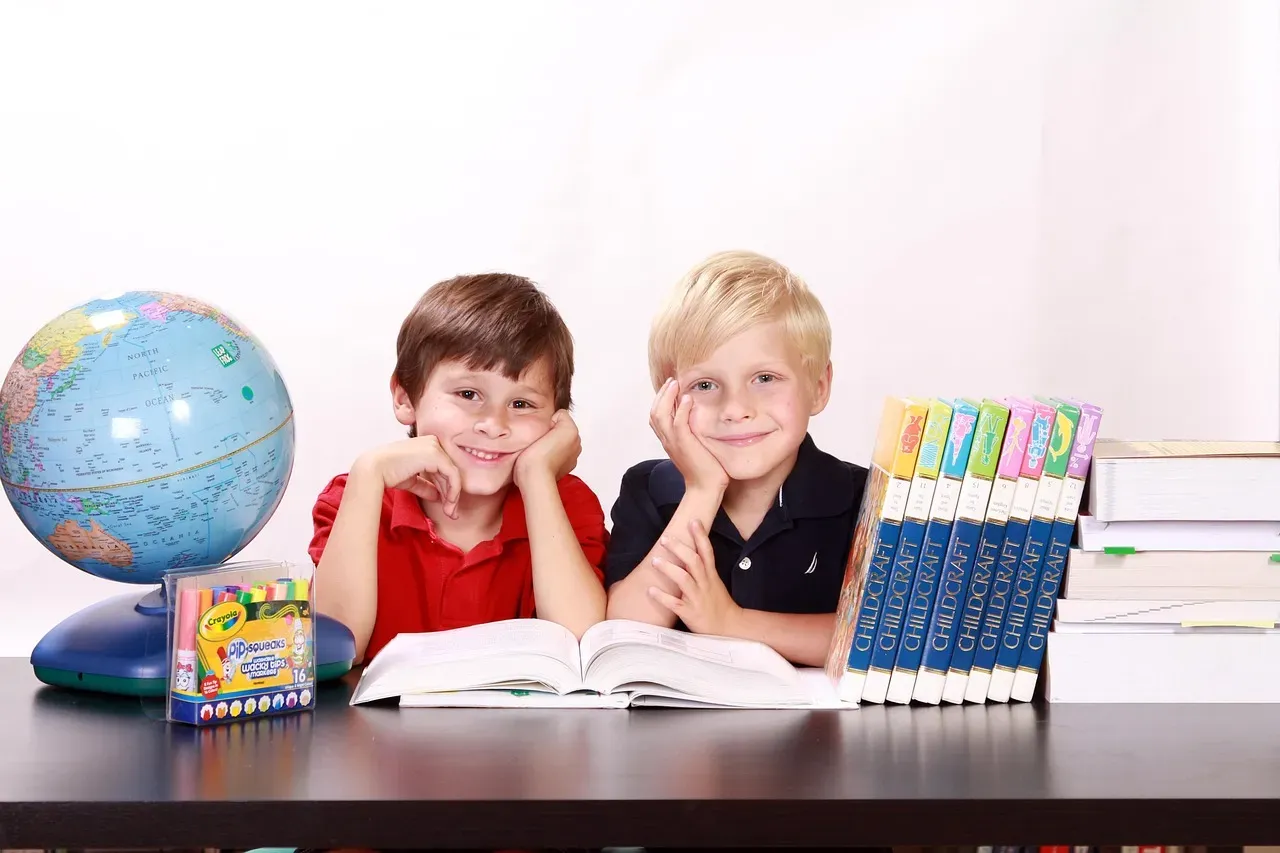
1. Reading for Pleasure (Image Credits: Pixabay)
Children who read regularly don't just get better at language. They develop a capacity for understanding other people that compounds quietly over time. A 2016 meta-analysis found that larger amounts of fiction and non-fiction reading was related to higher scores on empathy, theory of mind, and perspective-taking. These are the exact qualities that make someone easy to talk to, trusted in professional settings, and socially perceptive as an adult.
Adolescence is a sensitive period for sociocultural processing, and adolescent reading activities have the potential to impact social engagement even in older adulthood, since reading promotes social-cognitive skills which facilitate social engagement. Adults who read widely as children tend to carry a certain quality of attention into conversations. They listen differently. Other people notice that, even if they can't name it.
2. Consistent Bedtime Routines
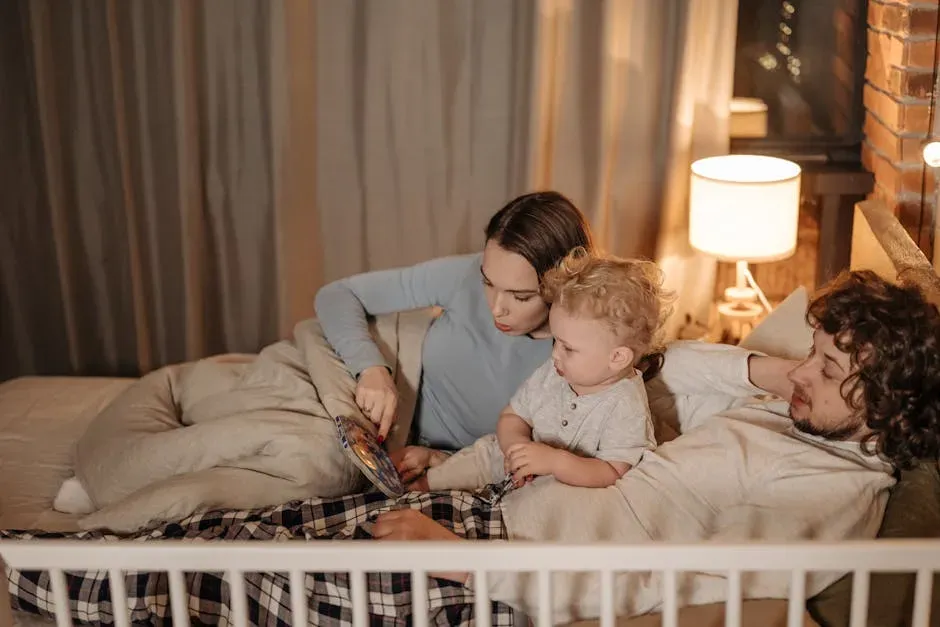
2. Consistent Bedtime Routines (Image Credits: Pexels)
A regular sleep schedule in childhood does far more than prevent tired mornings. Research consistently shows that better quality bedtime routines are associated with better sleep quality and duration for both adults and children. Children who grow up with predictable evening routines tend to internalize structure in a broader sense. That structure often shows up in adulthood as reliability, calm under pressure, and an ability to self-regulate.
School readiness, closely associated with a healthy attitude toward school, has impact beyond the first years of education. Children who have higher levels of school readiness at age five generally present with more successful grades, are less likely to drop out of high school, and even earn more as adults. The downstream effects of something as mundane as a consistent bedtime are surprisingly long. People who grew up with that rhythm often radiate a certain steadiness that others find grounding.
3. How Conflict Was Handled at Home

3. How Conflict Was Handled at Home (Image Credits: Unsplash)
Children don't just watch how adults argue. They absorb it as a template for how conflict works. Children who grow up in environments where open dialogue is encouraged tend to develop healthier communication patterns, leading to more fulfilling adult relationships. Those exposed to conflict-ridden or emotionally repressive atmospheres may struggle with expressing themselves and building meaningful connections.
Research has consistently shown that the quality of early relationships, the nature of familial dynamics, and exposure to various stimuli during childhood can significantly mold an individual's personality traits and coping mechanisms. In practice, this means that how someone handles disagreement at work or at home often traces back directly to what was modeled during childhood dinners and difficult evenings. People around them sense this, even when they can't trace why one person de-escalates a room and another seems to ignite it.
4. Table Manners and Mealtime Behavior
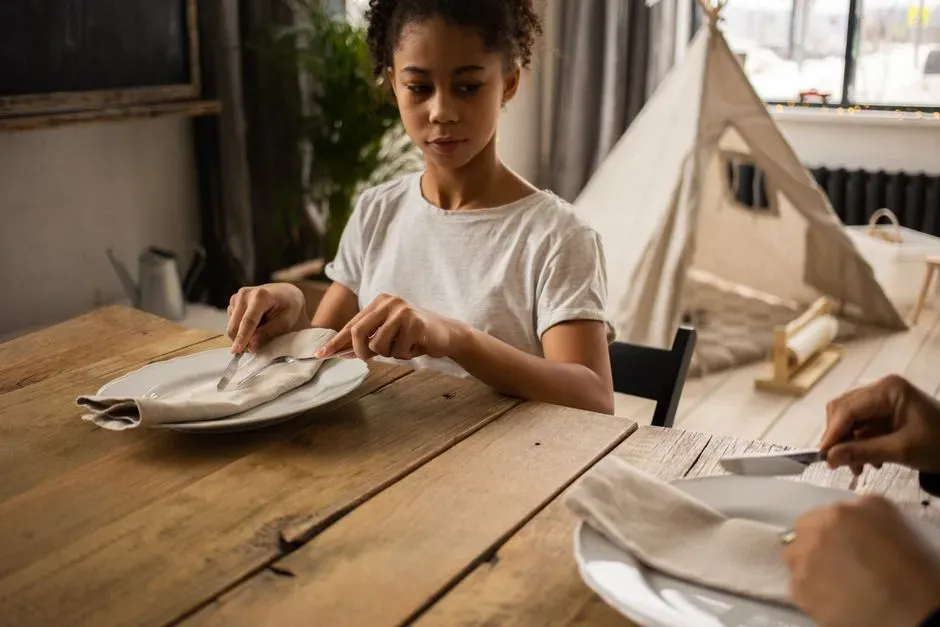
4. Table Manners and Mealtime Behavior (Image Credits: Pexels)
Few things communicate social fluency more immediately than how someone behaves at a meal. The good manners learned in childhood stay with us our whole lives and can have an effect on our future relationships at home, work, and in public life. The way someone holds a fork, waits their turn, or acknowledges others at a table carries a social signal that most adults read instinctively.
Teaching table manners to kids is more than just getting them to eat without spilling food. It's about helping them develop lifelong habits of respect, patience, and social grace, skills they'll carry into classrooms, friendships, family dinners, and even future careers. These habits, once set, run on autopilot. In professional settings, shared meals, or first impressions, they quietly shape how competent and considerate someone appears to others.
5. Attachment Style With Caregivers

5. Attachment Style With Caregivers (Image Credits: Pexels)
The earliest bonds a child forms become a kind of internal working model for all relationships that follow. Attachment theory emphasizes the importance of the bond between a child and their primary caregiver. Secure attachment, formed when caregivers are consistently responsive and comforting, lays the groundwork for trust, empathy, and the ability to regulate emotions. Adults who experienced secure attachment in childhood are often more resilient, maintain healthier relationships, and show better emotional regulation.
This has a visible social dimension. People with secure attachment tend to be comfortable with closeness without being clingy, and independent without being cold. Research indicates that parental bonding, exposure to trauma, socioeconomic status, and quality of caregiving significantly impact cognitive, emotional, and social development. These early interactions lay the foundation for adaptive or maladaptive behavioral responses to stress, relationships, and challenges encountered throughout life.
6. The Money Habits Observed at Home

6. The Money Habits Observed at Home (Image Credits: Unsplash)
Children rarely receive formal financial education. What they absorb instead is a set of behaviors, attitudes, and emotional responses around money that come from simply watching the adults around them. If someone was raised in a family with good or bad money habits, those money habits follow them into adulthood. This covers everything from impulsive spending to chronic worry about finances to a calm, matter-of-fact approach to budgeting.
Children raised in financially stable households where discussions about budgeting and saving are commonplace are more likely to adopt responsible financial habits as adults. Conversely, those exposed to financial strain or frivolous spending may face challenges navigating their finances later in life. The social dimension here is real. Financial behavior affects not just personal outcomes but how others perceive someone's stability, judgment, and long-term reliability.
7. How Praise and Failure Were Framed
7. How Praise and Failure Were Framed (Image Credits: Pixabay)
The way adults responded to a child's successes and failures shapes something fundamental: how that child eventually defines their own worth. Higher levels of early adversity predicted higher initial levels of neuroticism and lower levels of conscientiousness and extraversion in adulthood. Children who were praised for effort over outcome tend to carry a more durable confidence into adult life, one that holds up when things go wrong.
Children who were only praised for results, or who faced harsh criticism after failure, often develop a fragile relationship with performance. In adult settings, this can show up as perfectionism, difficulty accepting feedback, or an aversion to trying things where the outcome isn't guaranteed. Research shows that early experiences can become embedded as core beliefs and habitual ways of thinking. A child who grows up feeling unloved or unsafe may develop internal rules about themselves and the world that lead to maladaptive thought patterns in adulthood. Others pick up on this, often without realizing it.
8. Saying Please, Thank You, and Greeting Others
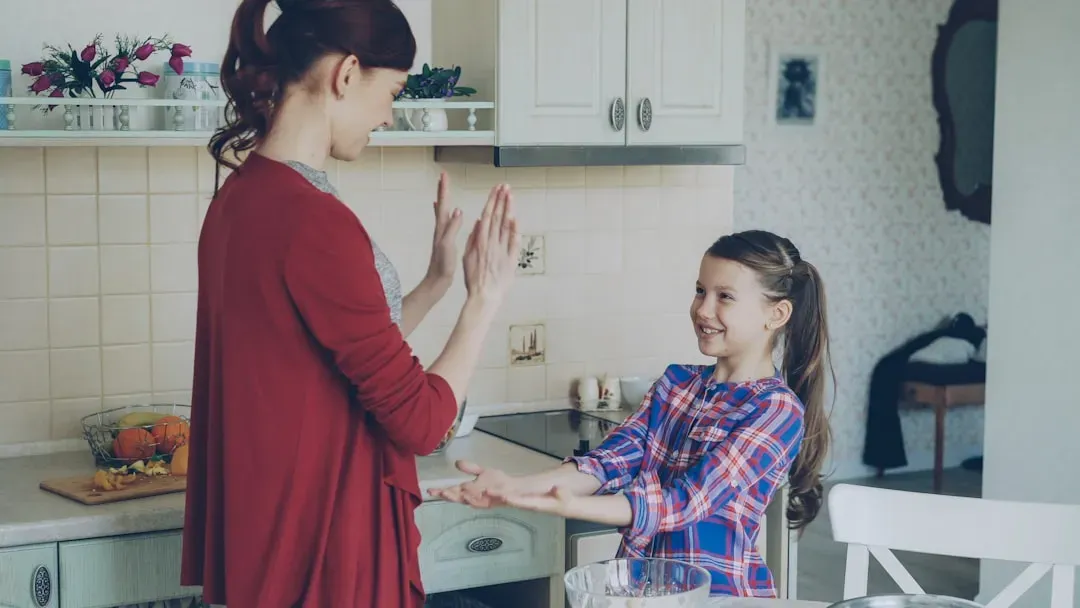
8. Saying Please, Thank You, and Greeting Others (Image Credits: Unsplash)
Simple verbal habits formed early become almost invisible in adults who have them. They don't think about saying please or making eye contact when they greet someone. It's automatic. Modeling polite language, using good manners, and showing patience are simple acts that leave a lasting impression. Children often mirror the behaviors they see in adults, so practicing good manners consistently helps reinforce these habits.
The effect on adult perception is hard to overstate. These micro-habits signal warmth, respect, and social awareness within seconds of meeting someone. Good table manners and social etiquette teach respect for others' time, food, and space, and help children practice patience by waiting their turn, eating calmly, and not interrupting. In adulthood, these patterns ripple outward into every professional interaction, first impression, and social setting a person enters.
9. Physical Activity and Outdoor Play
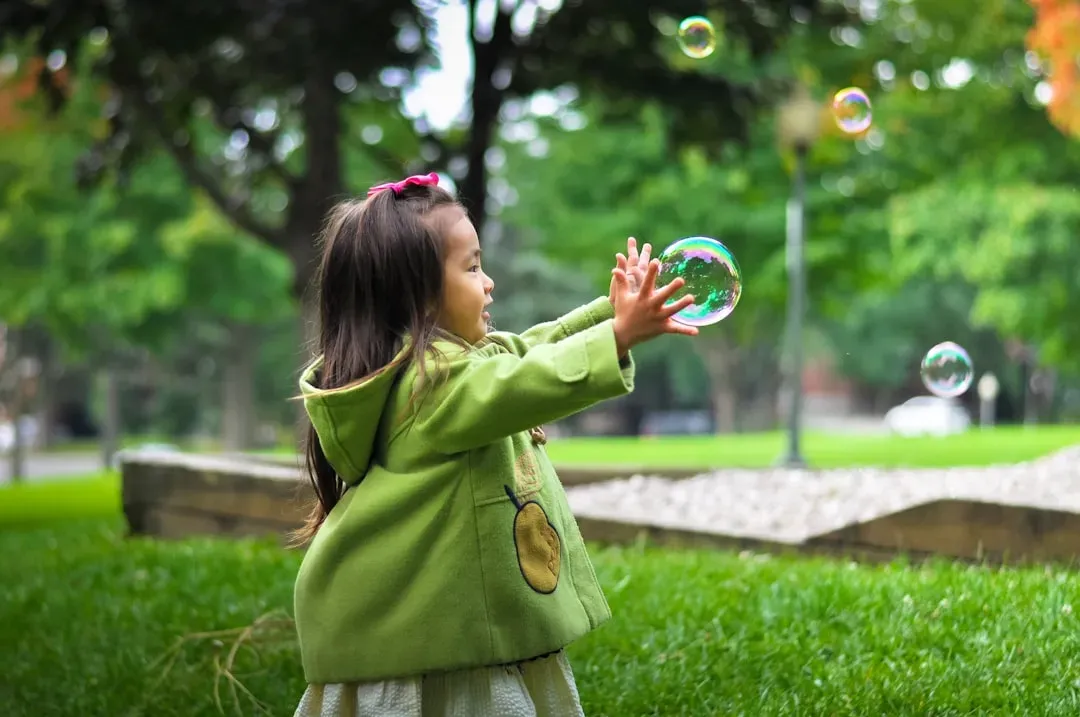
9. Physical Activity and Outdoor Play (Image Credits: Unsplash)
Children who grow up with regular physical activity don't just benefit in terms of health. They develop a different relationship with their own bodies and with stress. The human brain undergoes rapid growth and development during the first few years of life. During this time, neural pathways are formed based on a child's experiences. Positive experiences, such as nurturing relationships, responsive caregiving, and safe environments, help build strong neural connections that support healthy emotional and cognitive development.
Active childhoods correlate with better stress tolerance, improved mood regulation, and a general physical ease that others perceive as confidence. Mental health isn't something that suddenly starts to matter in adulthood. The way we manage stress, handle relationships, and navigate challenges is deeply influenced by the environment we were in as children. An adult who grew up moving, playing, and spending time outdoors often carries a baseline energy and groundedness that shapes how others experience them in rooms, meetings, and casual encounters alike.
10. Whether Gratitude Was Practiced at Home

10. Whether Gratitude Was Practiced at Home (Image Credits: Pexels)
Gratitude isn't a personality trait some people are born with. It's a habit, and like most habits, it tends to form early. Certain childhood experiences become permanently imprinted in the brain because of something behavioral scientists refer to as the Primacy Effect. According to this effect, first impressions are likely to carry more weight than other memories, and we remember early, emotional events in our childhood even into our very adult years.
Expressing gratitude for every meal is an important habit children can learn early. Teaching children to say thank you for every meal helps them understand and appreciate the effort that goes into making it. Adults who grew up in households where gratitude was expressed regularly tend to acknowledge others more naturally. They notice contributions, voice appreciation unprompted, and create an atmosphere in which people feel genuinely seen. That quality is rare, and people are drawn to it without always understanding why.
The thread connecting all ten of these habits is the same. None of them are dramatic. Most of them happen without fanfare, repeated thousands of times across an ordinary childhood. Yet they accumulate into something that others read as character. Some of this can be changed in adulthood with real effort and self-awareness. Still, the patterns that start earliest tend to run deepest, which is precisely what makes the ordinary habits of childhood so quietly consequential.