
The Great Depression didn’t just reshape the American economy. It rewrote the country’s entire relationship with food. The 1930s are remembered as one of the toughest eras in American history, with banks shuttered, unemployment skyrocketing, and food scarce. Families ate not to enjoy, but to survive, and what they put on the table reflected that reality in ways that are startling to consider today.
People learned to make do with what little they had, which often meant planting gardens, raising chickens, and keeping cows. Creativity was a necessity for many parents who had children to feed. New recipes were concocted, and foods that people didn’t consider eating were now consumed without question. The eight dishes below tell that story clearly, sometimes uncomfortably so.
Peanut Butter-Stuffed Onions
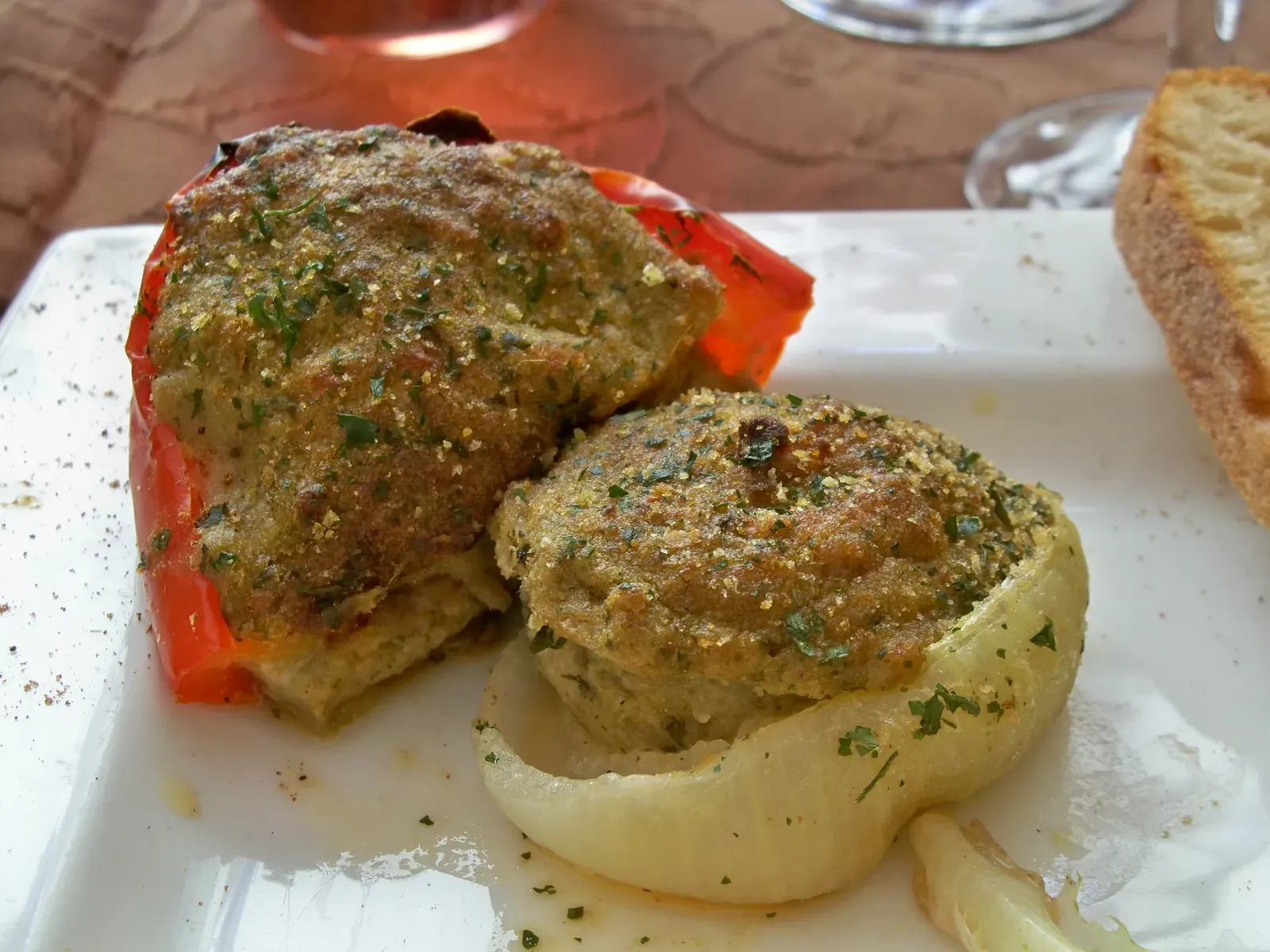
Peanut Butter-Stuffed Onions (Image Credits: By Marianne Casamance, <a href="https://commons.wikimedia.org/w/index.php?curid=19744931" target="_blank" rel="noopener">CC BY-SA 3.0</a>)
Peanut butter-stuffed onions are a result of Depression-era resourcefulness, an unusual pairing that would put even the most adventurous eaters to the test. It wasn’t eaten raw, but rather roasted for an hour until the peanut butter was creamy and bursting from a hole in a lightly caramelized onion. On paper, that almost sounds reasonable. In practice, it was one of the more polarizing recipes of the era.
The recipe was originally proposed by the Bureau of Home Economics, which invested heavily in advertising it nationwide. Food historian Jane Ziegelman tried making the dish herself, concluding that “peanut butter has nothing to say to a baked onion.” It was nutritionally sound and cheap to assemble, but the combination never really won people over, and it quietly disappeared once the economy recovered.
Water Pie
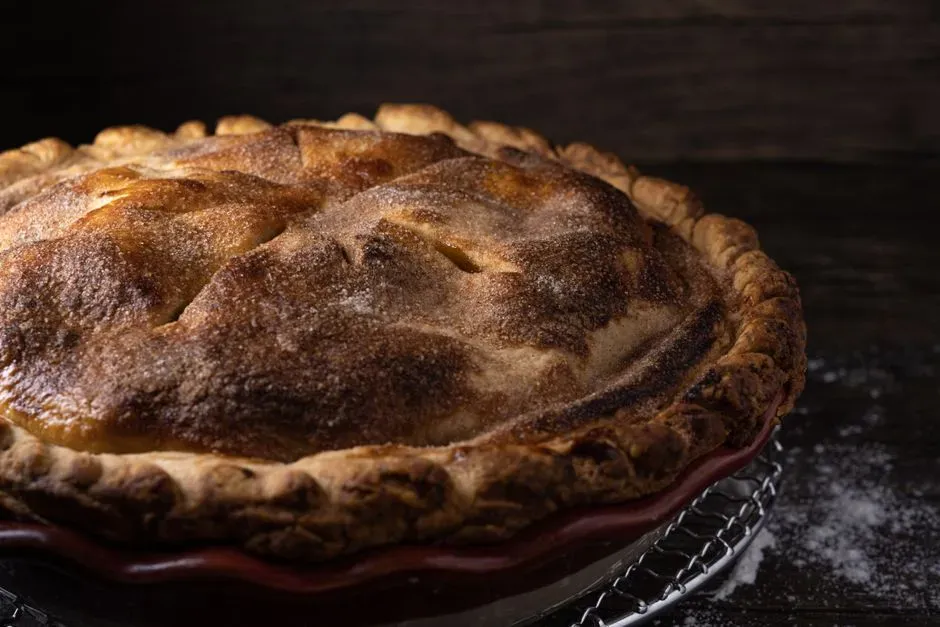
Water Pie (Image Credits: Pexels)
To make water pie, you take an unbaked pie shell and fill it with water, flour, sugar, a tiny bit of vanilla extract, and some pats of butter, then put it in the oven. During a time when fresh fruit pies were not a reality for many people, water pie was a reminder that even though times were difficult, there could still be sweetness. It’s one of the starkest examples of Depression-era ingenuity: a dessert made from almost nothing at all.
People who have made this pie report that it tastes buttery but is less creamy than a traditional custard pie. Cookbook author and YouTube creator Barry Lewis described it as looking like “wallpaper paste pie” but felt it tasted good enough. Remarkably, water pie has seen a revival on social media in recent years, with home bakers genuinely surprised by how edible it turns out.
Hoover Stew
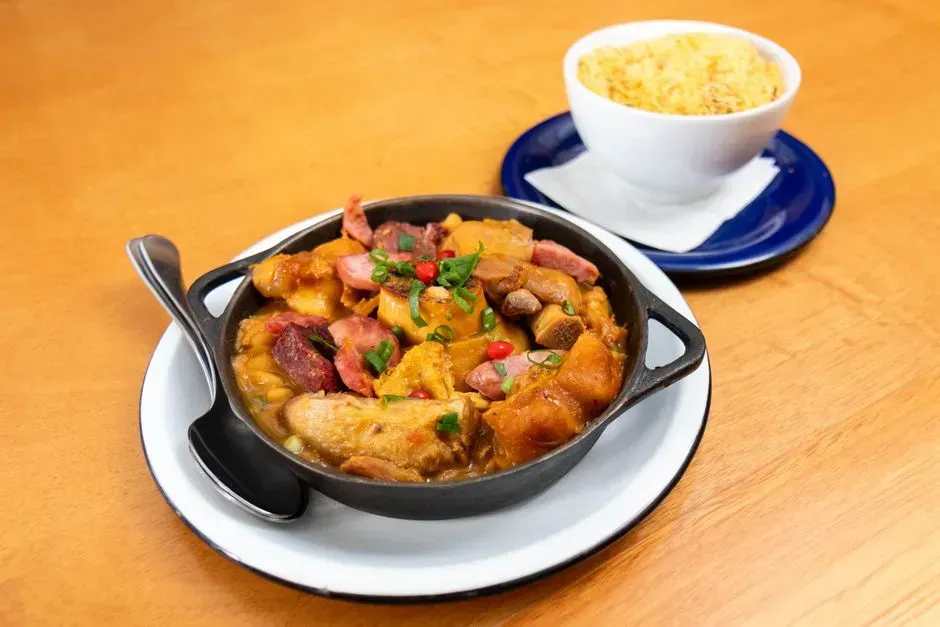
Hoover Stew (Image Credits: Pexels)
Hoover stews, named after President Hoover, were mostly given out in soup kitchens and consisted of very thin broth with hot dogs, pasta, and any vegetables available. It was named after President Hoover, who took office right before the financial crash of 1929, and was eaten by families in shanty towns. The name itself carried a kind of bitter irony that wasn’t lost on the people eating it.
One recipe calls for cooking a 16-ounce box of noodles like macaroni or spaghetti. While that’s on the stove, you slice hot dogs into round shapes, drain the pasta when it’s almost done and return it to the pot, then drop in the sliced hot dogs. You then add two cans of stewed tomatoes and one can of corn or peas with liquid. What you end up with is technically a complete meal, which was really all that mattered.
Mulligan Stew with Clothing Lint
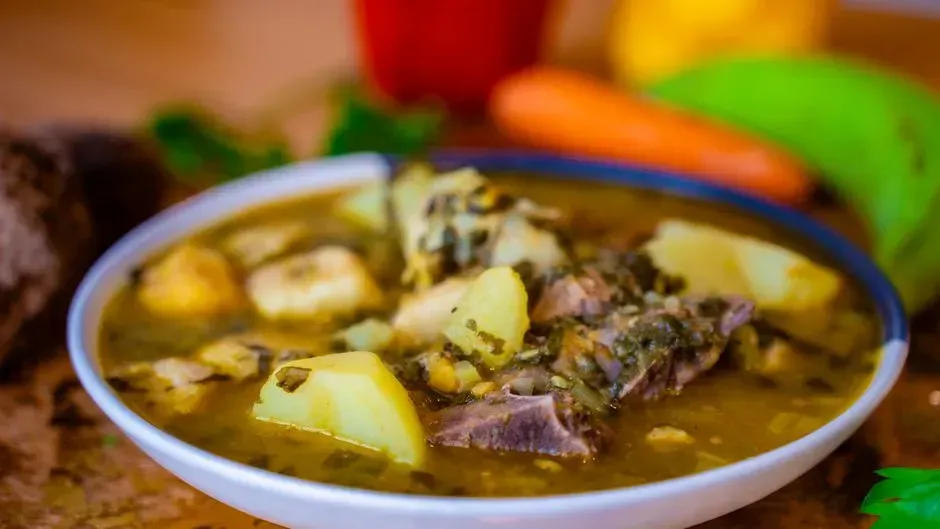
Mulligan Stew with Clothing Lint (Image Credits: Pexels)
One Mulligan stew recipe from 1940 includes corned beef, onion, canned sweet peas, ketchup, salt, pepper, and crushed hardtack. To give an example of how bad the conditions were during the Depression, people would sometimes add lint from their clothing into the stew to make it heartier. Apparently, loose-leaf tobacco was another common ingredient, added for its flavor. This is the dish that most clearly illustrates just how desperate things could get.
The “hobo stew” variation of the name was inspired by the term “hobos,” which is what homeless people were called, and their encampments were known as “hobo jungles.” Today, the concept of adding clothing fibers to food reads as almost surreal. In 1933, with roughly two-thirds of the country in poverty, the USA’s poverty rate reached 64.9 percent, it was simply what some people had to work with.
Spaghetti with Boiled Carrots and White Sauce
Spaghetti with Boiled Carrots and White Sauce (Image Credits: Pexels)
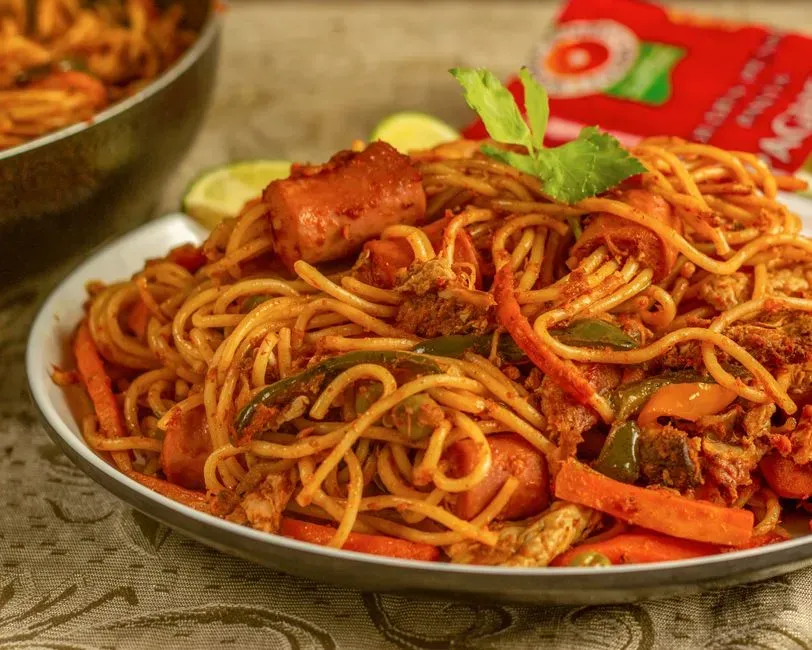
One of the dishes Eleanor Roosevelt recommended and promoted during the Great Depression was spaghetti with boiled carrots and white sauce. It consists of spaghetti cooked until mushy, about 25 minutes, and mixed with boiled carrots. The first lady’s intention was noble: she wanted to show solidarity with ordinary Americans by eating simply and recommending cheap, filling combinations.
It involved a casserole made out of intentionally overcooked mushy spaghetti and boiled carrots, covered in a pasty white sauce made from flour and butter. Culinary historians have been pretty blunt about how it tasted. “Bland is really the operative word here,” one food historian noted, describing how white sauce was “poured over everything for budget meals during the Great Depression.” Nutrition mattered. Flavor was secondary.
Mock Apple Pie (Made with Ritz Crackers)
Mock Apple Pie (Made with Ritz Crackers) (Image Credits: Unsplash)
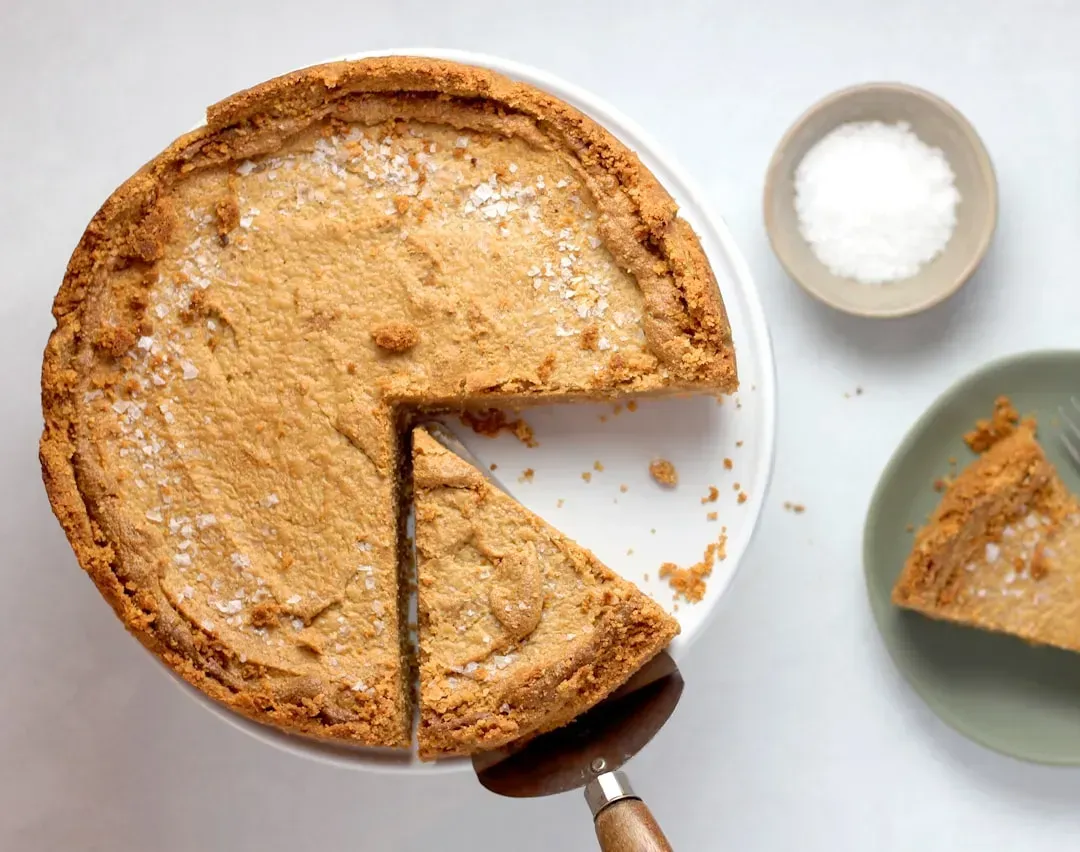
The mock apple pie didn’t use real apples at all. Depression-era mock apple pie uses Ritz crackers as an apple filling alternative. Innovative cooks discovered they could use a combination of sugar, lemon juice, and cinnamon to create a pie that gave their families the illusion they were eating a real apple pie. It sounds implausible, but the chemistry of caramelized sugar and spiced crackers apparently does a convincing job.
Apples weren’t readily available in the Great Depression, yet Americans weren’t willing to give up their cherished apple pie. Food creator Emmy from the emmymadeinjapan YouTube channel tried the recipe and couldn’t believe how apple-y and delicious mock apple pie actually is. The Ritz cracker company still prints the recipe on their packaging today, a quiet nod to how far this workaround traveled.
Tomato Soup Cake
Tomato Soup Cake (Image Credits: Unsplash)
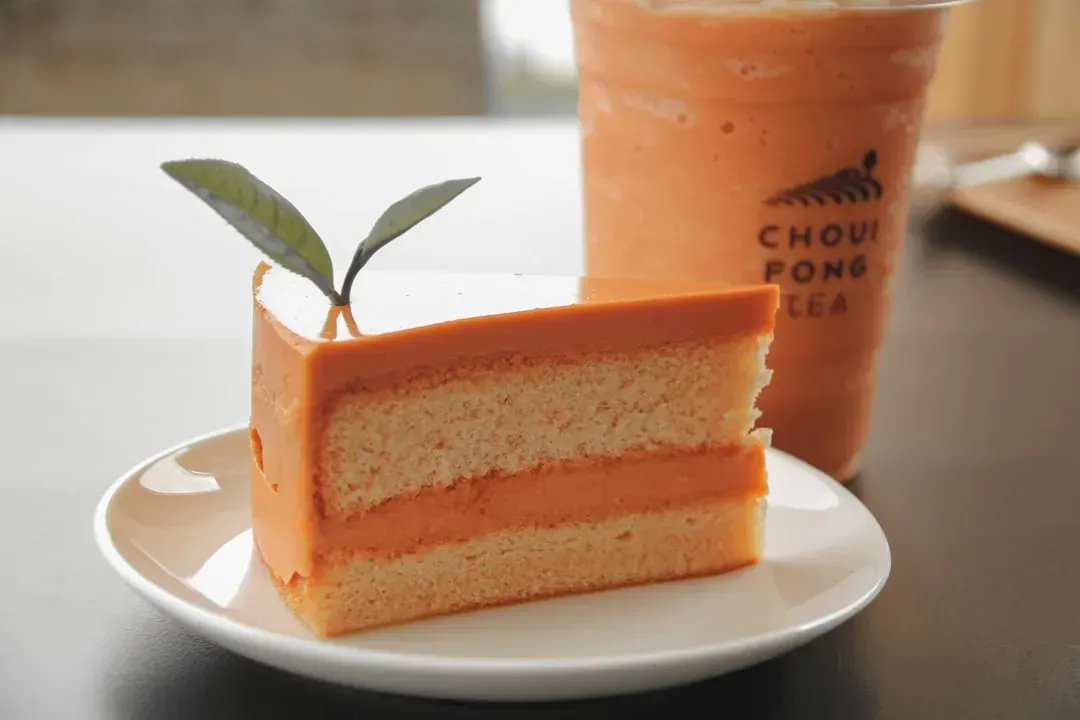
Home bakers started adding tomato soup to cake batter in place of milk or buttermilk in the 1930s to make it moist. In fact, poet Sylvia Plath, who grew up during the later parts of the Great Depression, famously made tomato soup cake and other baked goods. The idea sounds genuinely alarming at first, but tomato is naturally acidic and slightly sweet, which turns out to work in a spiced cake better than logic suggests.
The cake itself is quite festive tasting, and the addition of cinnamon, clove, nutmeg, and allspice gives it warmth, with the tomato soup being fascinatingly delicious as part of that combination. Mayonnaise cake became another family favorite during the Depression since mayonnaise wasn’t as expensive and already had the oil and eggs in it, making it work as a binding ingredient for a lot of baked goods. Depression-era bakers were essentially running experiments in applied chemistry every time they stepped into the kitchen.
Milkorno
Milkorno (By Kagor, <a href="https://commons.wikimedia.org/w/index.php?curid=24034434" target="_blank" rel="noopener">CC BY-SA 3.0</a>)
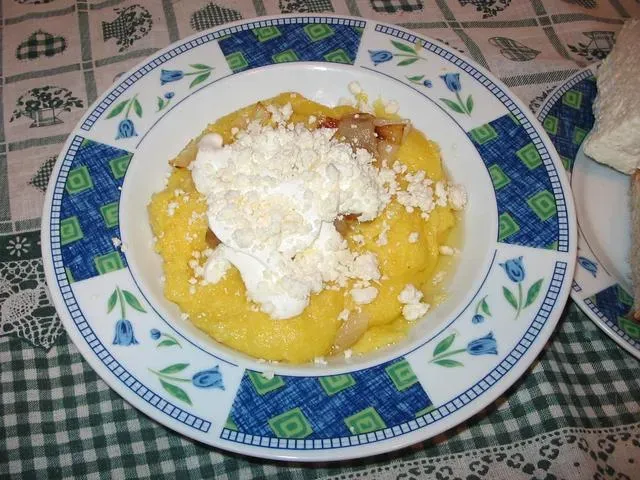
In the early 1930s, scientists at Cornell University came up with milkorno, an inexpensive food to feed the Depression-hit masses, with the idea of feeding large audiences for small amounts of money. Many starved during this time, but dishes like this helped. It’s a mixture of dried milk powder and cornmeal, and could be eaten as a gruel-like oatmeal or worked into recipes. The name itself combined the three main ingredients: milk, corn, and nothing particularly appetizing.
Without proper storage, milkorno sometimes clumped, turned rancid, or bred insects. Families sifted it by hand and cooked it anyway, because losing food was not an option. There were also versions made with wheat and oats, called milkwheato and milkoato. Eleanor Roosevelt consulted with Cornell University to create foods that were both inexpensive and easy to make, and topping that list was prune pudding, which, while not the most attractive food to eat, was still tasty and filling. Cornell’s contributions to Depression-era nutrition were genuinely significant, even if the results looked nothing like food as we know it today.