
Walk into a room and something shifts – your shoulders drop, you slow down, you want to stay. It’s rarely one thing that creates that feeling. It’s a quiet accumulation of choices: a certain quality of light, the softness underfoot, the way furniture faces each other rather than the wall. Most of us have experienced the opposite too, those spaces that feel cold or sterile despite being technically well-furnished.
Every design choice, from color to light, material to layout, communicates something. It guides how people feel and behave within an environment. The good news is that creating warmth and welcome doesn’t require a full renovation. These ten moves are precise, grounded in how people actually respond to space, and most can be acted on without a contractor in sight.
1. Layer Your Lighting Instead of Relying on One Source
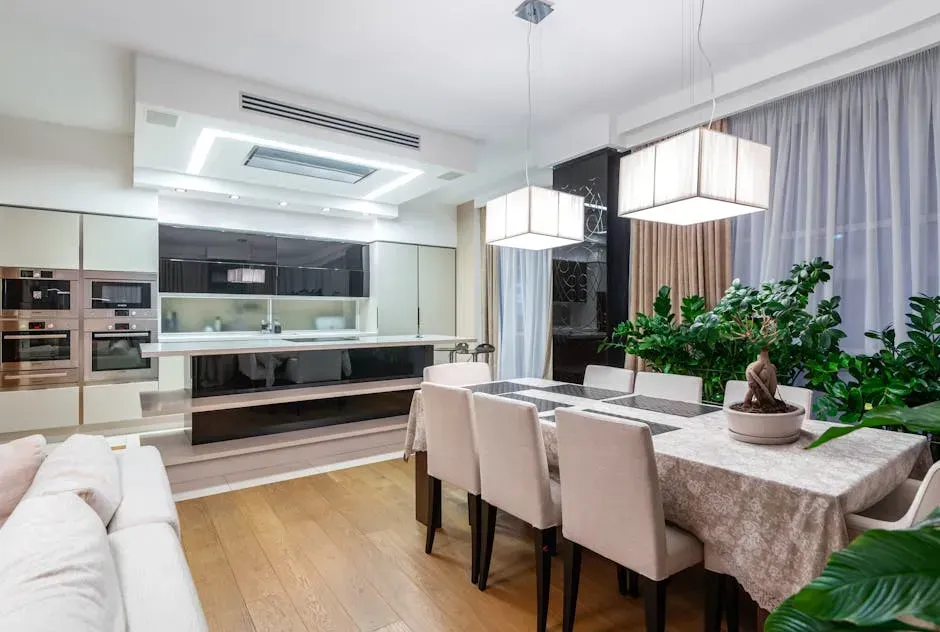
1. Layer Your Lighting Instead of Relying on One Source (Image Credits: Pexels)
Layered lighting continues to redefine how we experience our homes by combining ambient, task, and accent lighting. This approach offers unparalleled versatility, transforming spaces to suit everything from cozy evenings to lively gatherings. By using these three types of lighting, homeowners can create the right mood for any occasion. A single overhead fixture tends to flatten a room and cast unflattering shadows. Swap it for a combination of floor lamps, table lamps, and a central fixture used sparingly, and the room will feel genuinely different by evening.
Lighting is arguably the most visually impactful aspect of any interior design project. Brighter light can intensify emotions, while low light doesn’t remove emotions, but keeps them steady. The takeaway is practical: dimmable bulbs and warm color temperatures around 2700K go a long way toward softening a space without a single piece of furniture being moved.
2. Bring in Curved Furniture and Organic Shapes
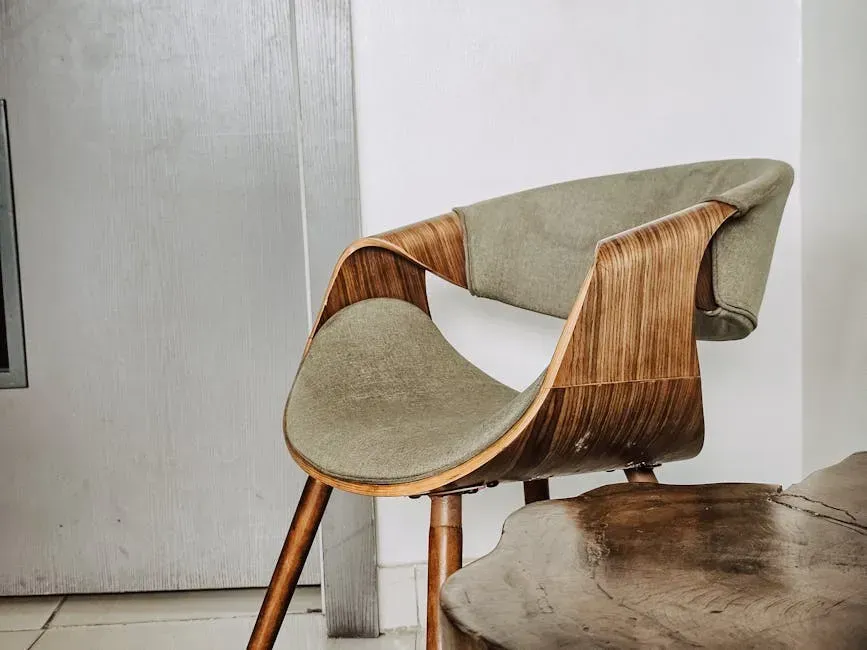
2. Bring in Curved Furniture and Organic Shapes (Image Credits: Pexels)
Curved forms are generally more appealing than angular or jagged ones, as they are perceived as safer and more welcoming. Research shows that people are more likely to linger in curved rooms, which feel more inviting and less threatening. This is more than aesthetic preference. There’s genuine neuropsychological reasoning behind why rounded forms feel hospitable rather than imposing.
Straight lines are taking a step back as curved furniture brings softness and movement into modern spaces. Rounded sofas, arched cabinets, and circular coffee tables add a sculptural quality that feels natural and inviting. This interior design trend reflects a shift toward harmony, with rooms designed to flow effortlessly and encourage connection. Even a single curved piece can transform the mood, balancing clean architecture with warmth and approachability.
3. Switch to an Earthy, Warm Color Palette
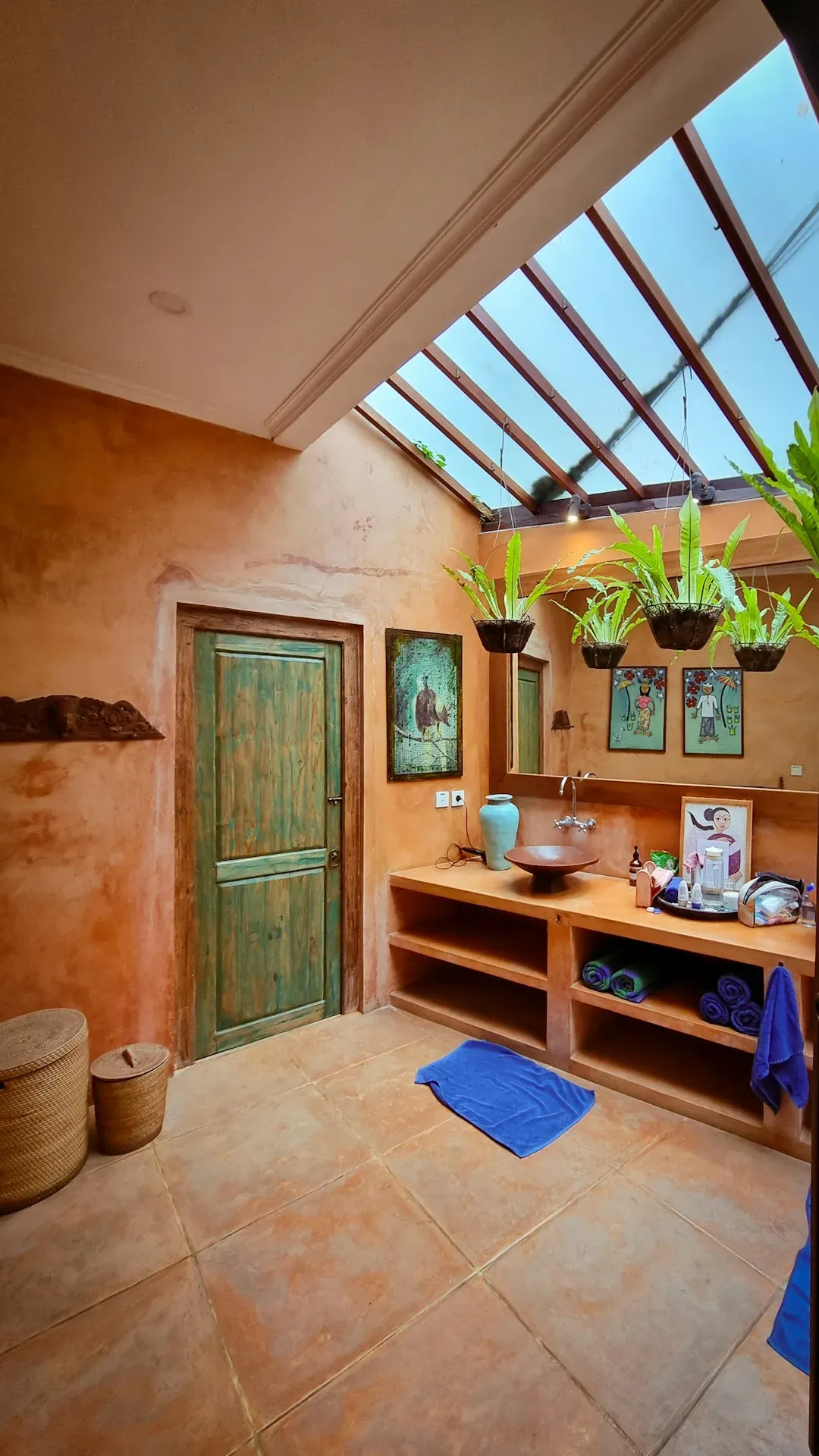
3. Switch to an Earthy, Warm Color Palette (Image Credits: Unsplash)
Warm tones like terracotta, beige, and muted gold evoke connection and comfort, making them ideal for social spaces. The shift away from stark grays and cool whites that dominated interiors for more than a decade has been notable. Gray sofas fell out of favor as homeowners shifted toward warmer, more inviting tones, with earthier hues like terracotta, olive green, and deep blues.
One of the key advantages of incorporating earth tones into interior design is their versatility. These colors can complement a wide range of design styles, from rustic farmhouse to modern minimalist, adding depth and warmth to any space. Additionally, earth tones have a timeless quality, ensuring that your home’s aesthetic remains relevant and inviting for years to come. That combination of warmth and longevity is hard to argue with.
4. Add Texture Through Materials and Soft Furnishings
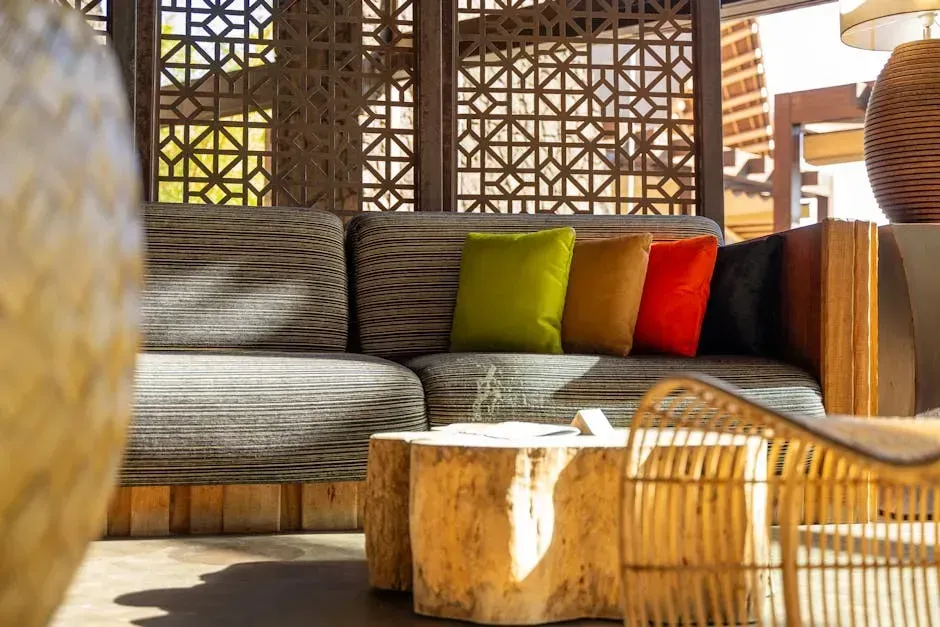
4. Add Texture Through Materials and Soft Furnishings (Image Credits: Pexels)
Interior design thrives on textural diversity, featuring materials like velvet, bouclé, jute, and raw stone. This layering adds richness and dimension to spaces, making them visually dynamic and inviting. By blending soft and rough textures, interiors achieve a harmonious balance of warmth and sophistication. Texture is the element most often overlooked in favor of color, yet it’s what your eye and hand register first when entering a room.
Soft materials, such as velvet, wool, and linen, create a sense of warmth and relaxation. These textures are often associated with comfort, coziness, and security, making them ideal for spaces where people seek rest and emotional comfort. A velvet-upholstered chair invites touch and provides a luxurious experience, while a linen-covered bedspread gives a bedroom an airy, relaxed ambiance.
5. Use Natural Materials Like Wood and Stone
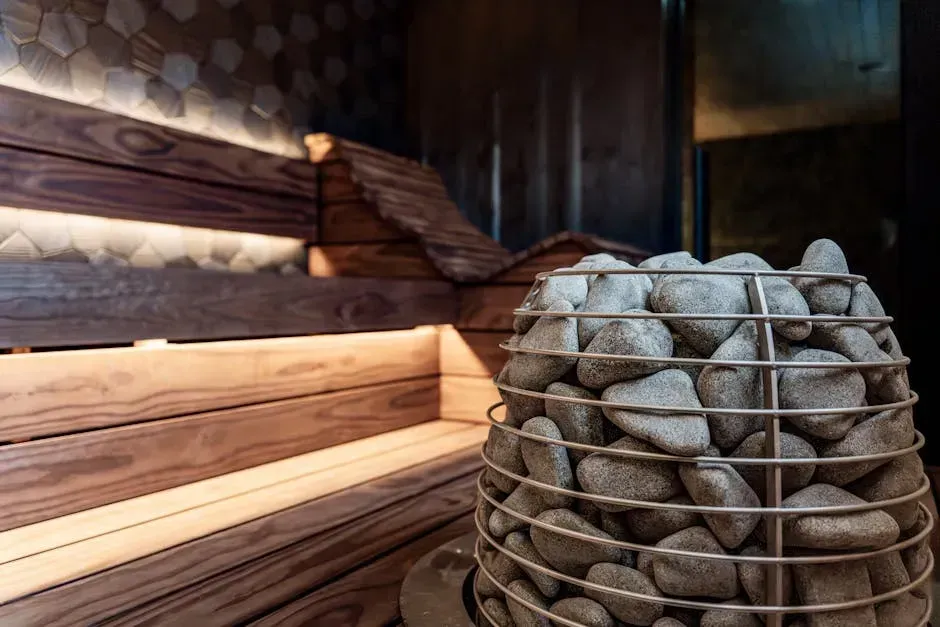
5. Use Natural Materials Like Wood and Stone (Image Credits: Pexels)
Spaces incorporating organic elements such as wood, stone, and natural fibers tend to evoke feelings of tranquility and connection to nature. Studies have shown that exposure to natural materials reduces stress and enhances well-being, a principle often applied in biophilic design. The presence of raw wood surfaces, stone countertops, and woven textiles mimics the outdoor environment, creating a sanctuary-like effect within the home.
Wood provides a solid foundation while maintaining a natural warmth that makes spaces feel inviting rather than sterile. Whether used in flooring, cabinetry, or wall paneling, wood contributes to a sense of stability and groundedness. Its grain and texture bring organic movement into a space, offering visual interest without overwhelming the senses. Natural stone works in a similar register – grounding, tactile, and genuinely timeless.
6. Introduce Biophilic Elements and Indoor Greenery
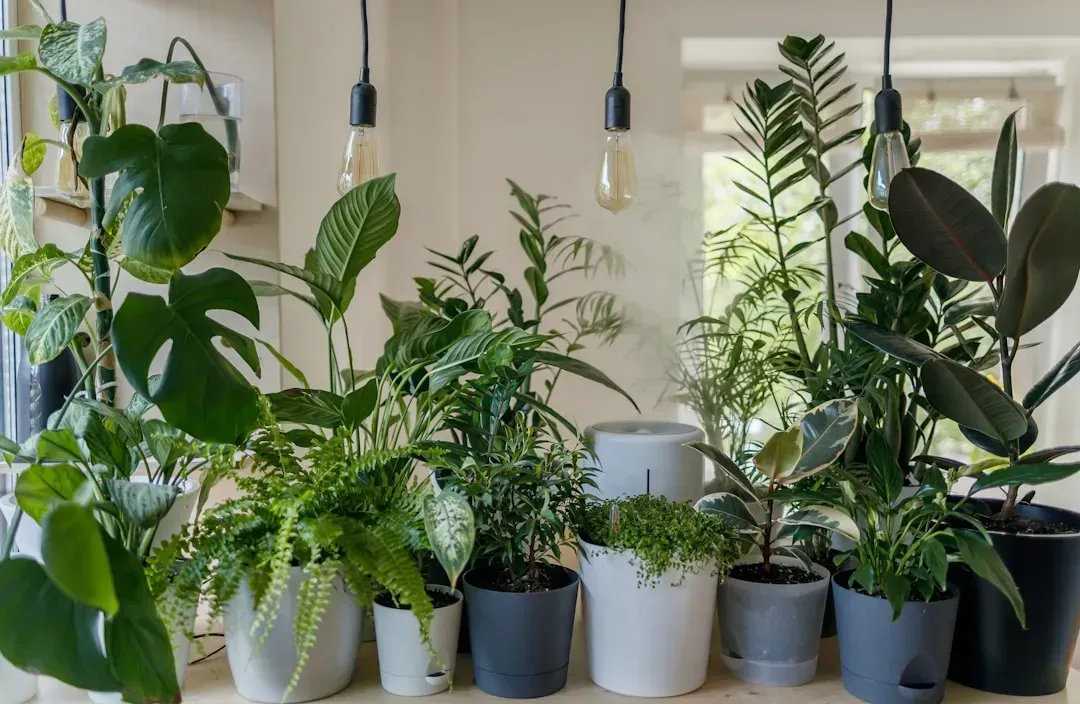
6. Introduce Biophilic Elements and Indoor Greenery (Image Credits: Unsplash)
Biophilic design brings nature into the home through plants, natural textures, and organic shapes. These elements reduce stress, improve mood, and create a grounded, calming atmosphere. Incorporating wood, stone, greenery, and flowing forms enriches sensory experience and supports relaxation. You don’t need an elaborate living wall to make this work. A few well-placed plants in varying sizes can noticeably soften a room.
Natural elements like plants, water features, and natural light not only beautify spaces but also support mental health. Surgical patients with views of nature recover faster and with fewer complications than those without. That kind of research puts the power of greenery in a room into proper perspective. It’s not decoration. It’s environmental medicine at a modest scale.
7. Maximize Natural Light
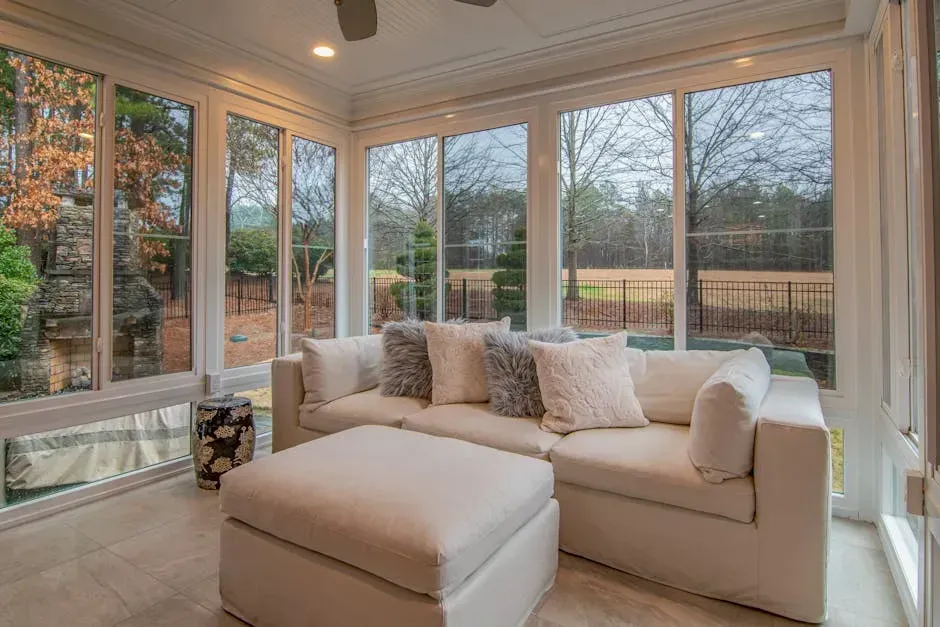
7. Maximize Natural Light (Image Credits: Pexels)
Adding skylights, large windows, or reflective surfaces can dramatically change how a space is experienced. Exposure to natural light helps regulate the circadian rhythm, improving sleep, alertness, and emotional balance throughout the day. Morning light enhances focus, while softer evening light promotes relaxation. Thoughtful lighting design aligns indoor environments with natural biological patterns and supports long-term mental health.
Natural light is considered an ultimate luxury in current home design. This trend celebrates sunlight as both a design feature and a wellness essential. Expansive windows, strategically placed mirrors, and sheer curtains are being used to amplify brightness and create an airy, uplifting feel. Even a strategically hung mirror across from a window can double the perceived light in a darker room.
8. Create Thoughtful Spatial Flow and Furniture Placement
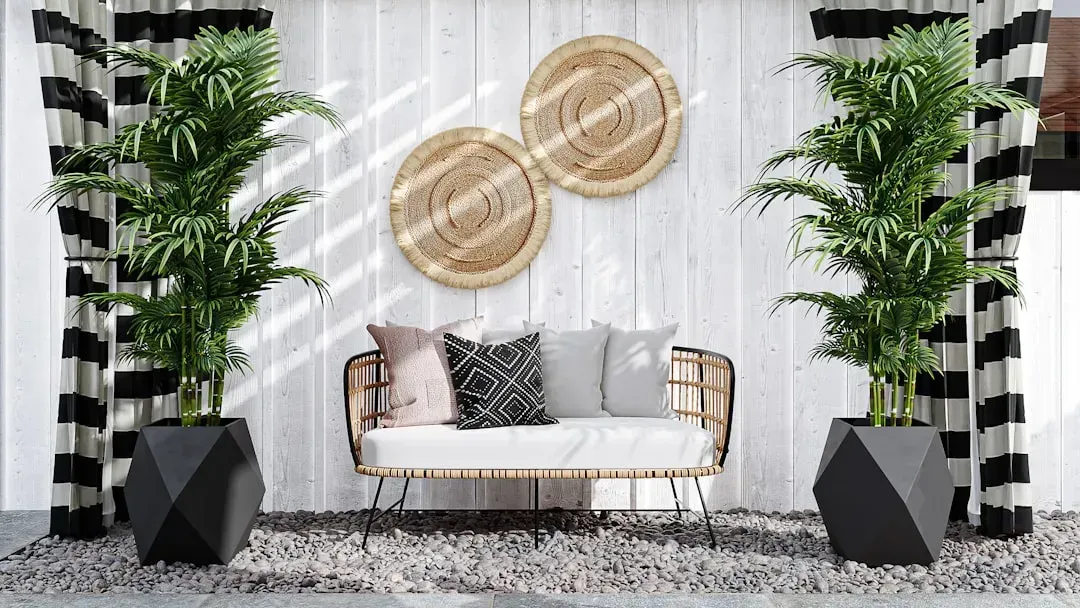
8. Create Thoughtful Spatial Flow and Furniture Placement (Image Credits: Unsplash)
A well-thought-out layout can reduce tension, support daily routines, and make a home feel more inviting and functional. Flow doesn’t only mean physical movement, it also refers to visual flow. When your eye can easily follow a space without confusion, you feel more comfortable. Cluttered layouts, poor furniture placement, or lack of focal points can disrupt mental clarity and make a space feel chaotic.
Spatial organization can either soothe or overwhelm. Tight corridors may evoke unease, while open layouts promote calm and collaboration. Great interiors flow intuitively, guiding the user through emotional stages, from stimulation to rest, from public to private. Furniture that faces inward, toward a conversation rather than away from it, is one of the simplest and most effective layout shifts you can make.
9. Add Personal Touches and Curated Layers
9. Add Personal Touches and Curated Layers (Image Credits: Flickr)
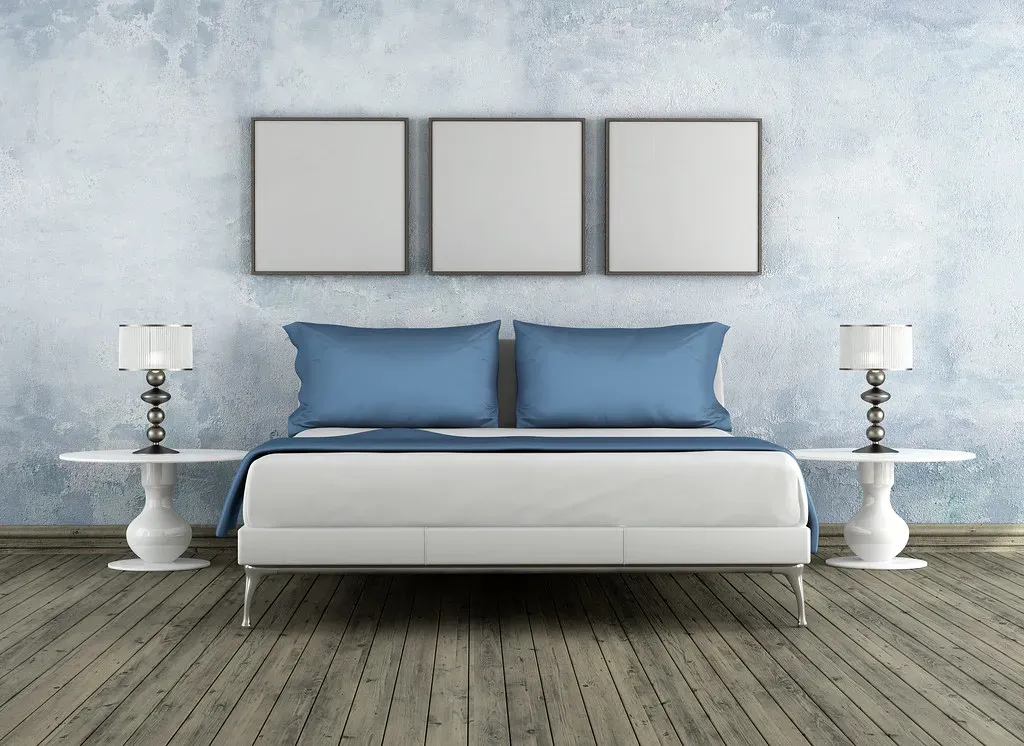
Spaces resonate most when they reflect personality. Incorporating unique details, custom upholstery, statement furniture, curated artwork, transforms interiors into personal narratives. This emotional layer builds connection and belonging. A home that looks like a showroom rarely feels warm. The objects that carry history, that have been chosen rather than assigned, are what make a room feel genuinely human.
Younger generations are thoughtfully embracing traditional design elements that might have been found in their grandparents’ homes. This isn’t about creating a stuffy, museum-like space; it’s about reinterpreting classic pieces like chintz fabrics, antique furniture, and detailed patterns with a fresh, modern sensibility. The result is a layered, comfortable home that celebrates heritage and craftsmanship. Mixing old and new, high and low, creates rooms that feel collected over time rather than assembled in an afternoon.
10. Apply Texture to Your Walls
10. Apply Texture to Your Walls (Image Credits: Pixabay)
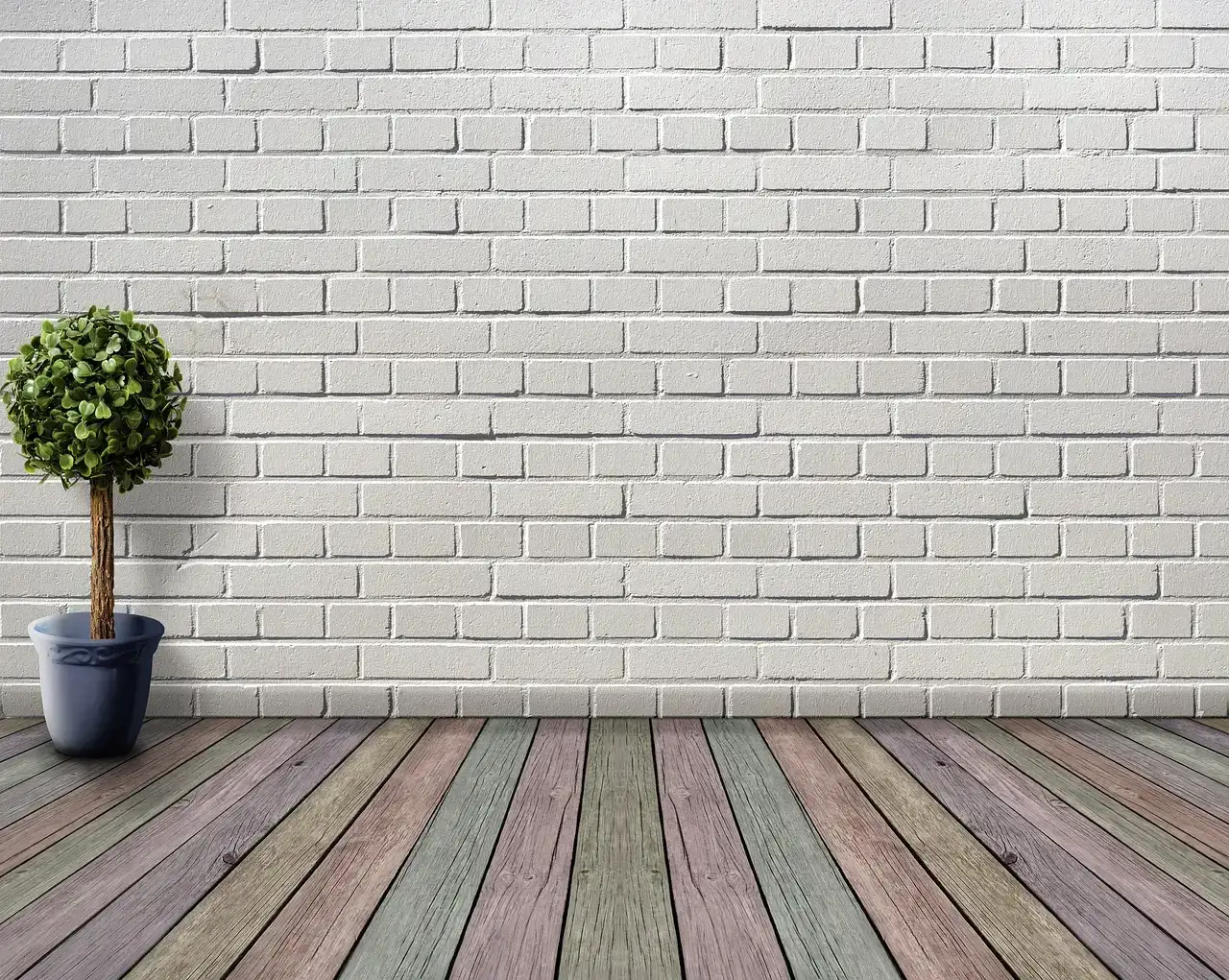
Flat walls are fading fast. In 2025, textured finishes took center stage. Designers are embracing limewash, plaster, wood paneling, and even fabric-wrapped walls to add visual movement and a handcrafted feel. These finishes catch light differently throughout the day, turning simple rooms into layered, tactile experiences. A painted flat wall reads as background. A limewashed or plastered wall becomes a character in the room.
Whether through plaster finishes, textured wallpapers, or wood paneling, adding texture to walls creates a sense of depth and warmth. It’s an easy way to make a room feel more dynamic without overloading it with decor. The best part is that even one textured wall in a room, treated as a gentle accent rather than a full commitment, is enough to shift the atmosphere considerably.
A truly inviting space is never about spending the most or following the latest trend. It’s about understanding how human senses and emotions respond to the physical environment around them, and then making deliberate choices that work in that direction. Whether it’s the softness of a fabric, the warmth of a walnut shelf, or the simple act of opening a curtain a little wider, these moves add up. The room you want to stay in is almost always the one where someone paid quiet attention.