
There's something quietly comforting about the rituals families repeat without ever really discussing why. They aren't always grand or planned months in advance. Sometimes they're just small, recurring habits that end up defining what a family actually feels like from the inside.
Across generations and cultures, certain traditions keep resurfacing in households everywhere, whether that's a weekly dinner, a seasonal outing, or a story told the same way every single time. Here's a look at ten of them that seem to stick around no matter how much life changes.
1. Sunday family dinners
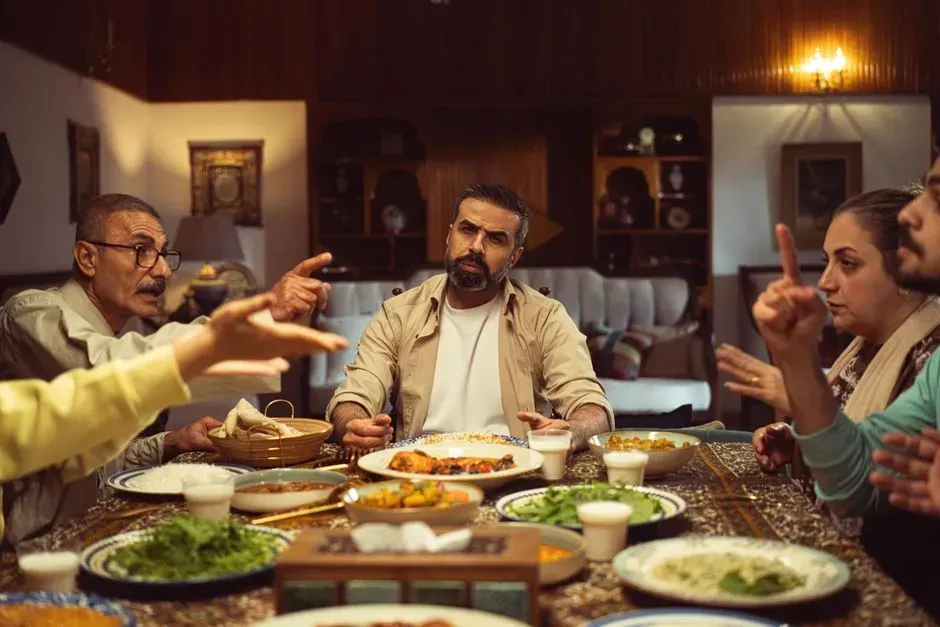
1. Sunday family dinners (Image Credits: Pexels)
The idea of a shared Sunday meal has persisted for generations, and it hasn’t lost its pull even as schedules have gotten busier. Sociologists have long pointed to regular family meals as one of the most consistent predictors of stronger communication between parents and kids. It’s not really about the food itself, it’s the built-in pause in the week that gives everyone a reason to sit down together.
Many families keep this tradition alive by rotating who cooks or picking a rotating theme, like taco night or a slow-cooked roast. Even households that eat separately most weekdays tend to protect this one meal, treating it almost like an unspoken rule. It’s a tradition that doesn’t need much explanation because everyone just understands the value of it.
2. Holiday baking marathons

2. Holiday baking marathons (Image Credits: Unsplash)
Every December, kitchens across the country fill up with flour, cookie cutters, and the smell of cinnamon, and this has become one of the most enduring seasonal rituals in modern family life. Baking together gives parents and kids a shared task that doesn’t require much talking, which somehow makes conversation flow more naturally. Recipes often get passed down handwritten, sometimes stained and barely legible, which only adds to their sentimental weight.
What makes this tradition so resilient is that it adapts easily. Some families stick to the same three recipes every year, while others experiment with new ones just to keep things fresh. Either way, the act of baking together tends to matter more than what actually comes out of the oven.
3. Annual family photos

3. Annual family photos (Image Credits: Pixabay)
Despite how easy it is to snap a picture on a phone at any moment, many families still set aside one specific day each year for a proper, sometimes slightly chaotic, group photo. This tradition has stayed relevant well into 2026, even as digital photography has changed nearly everything else about how families document their lives. There’s a certain charm in comparing photos from year to year and watching kids grow, parents age, and family pets multiply.
These sessions don’t have to be professional to matter. A simple photo taken in the same spot every year, like the same doorway or backyard tree, often becomes more meaningful over time than a polished studio portrait. It’s less about perfection and more about consistency.
4. Road trip rituals

4. Road trip rituals (Image Credits: Unsplash)
Long car rides have a strange way of becoming tradition all on their own, especially when certain habits repeat every single trip. Maybe it’s the same snack stop, the same playlist, or the same game played to pass the miles. These small rituals often become more memorable to kids than the destination itself.
Even with GPS and streaming entertainment changing how families travel, plenty of households still cling to their analog habits, like license plate games or singing along to the same handful of songs. It’s a tradition built more on repetition than novelty. The predictability is exactly what makes it comforting.
5. Birthday breakfast traditions
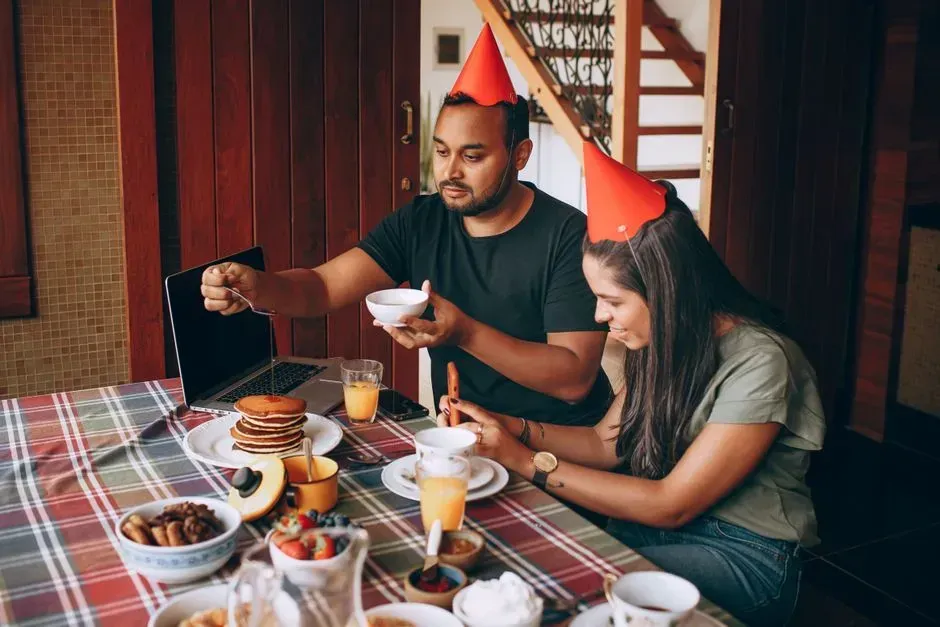
5. Birthday breakfast traditions (Image Credits: Pexels)
While birthday parties tend to get most of the attention, a surprising number of families put just as much weight on a specific birthday morning ritual. This might mean a favorite breakfast made only once a year, a particular seat at the table, or a silly song sung the same way every time. It’s a small window of attention that feels personal in a way parties sometimes don’t.
This tradition tends to last into adulthood more than people expect. Even grown children who no longer live at home often return, even briefly, for that one birthday breakfast, treating it as a non-negotiable part of the day. The consistency of it becomes part of someone’s personal identity over time.
6. Seasonal outdoor outings
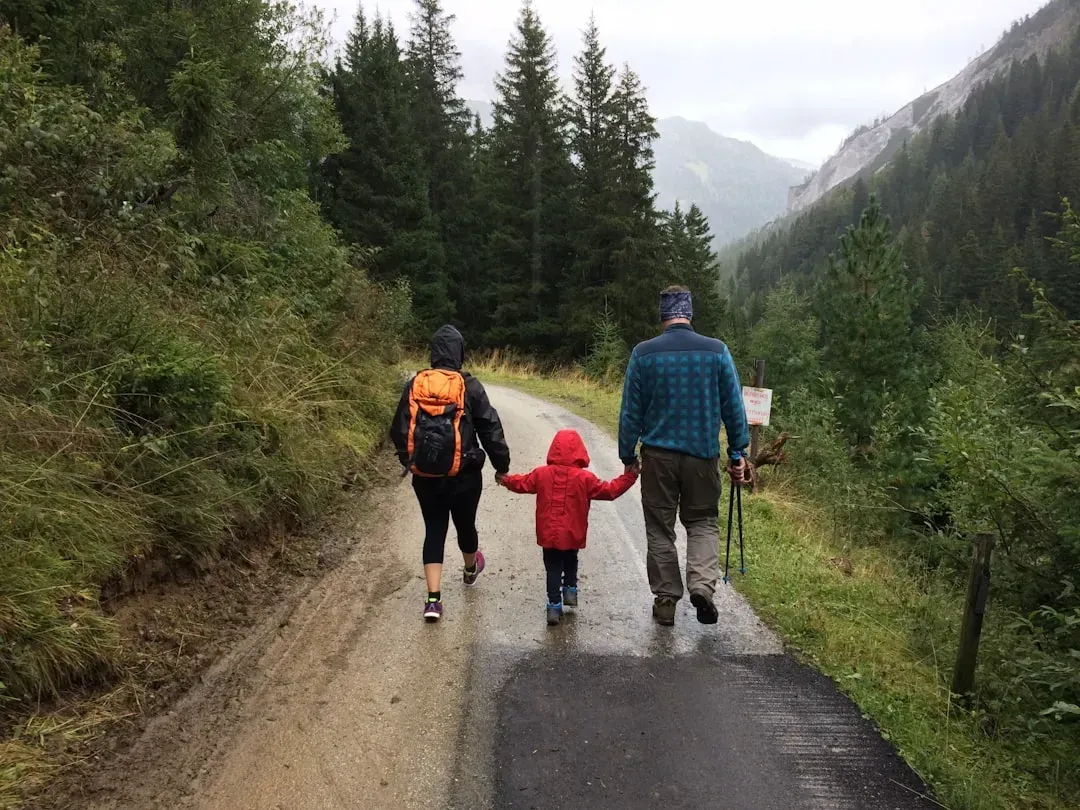
6. Seasonal outdoor outings (Image Credits: Unsplash)
Whether it’s apple picking in autumn, a lake trip in summer, or the first snowy hike of winter, seasonal outings have remained one of the more geographically flexible traditions families keep. These outings tend to follow the calendar rather than any single date, which makes them easy to repeat without needing to plan too far ahead. They also give families a built-in excuse to spend time outside together, something that’s become increasingly valuable as screen time has climbed across all age groups.
What keeps this tradition going is its flexibility. A family doesn’t need the exact same location every year, just the same general activity tied to the same time of year. That loose structure makes it easier to sustain than more rigid traditions.
7. Storytelling around holidays
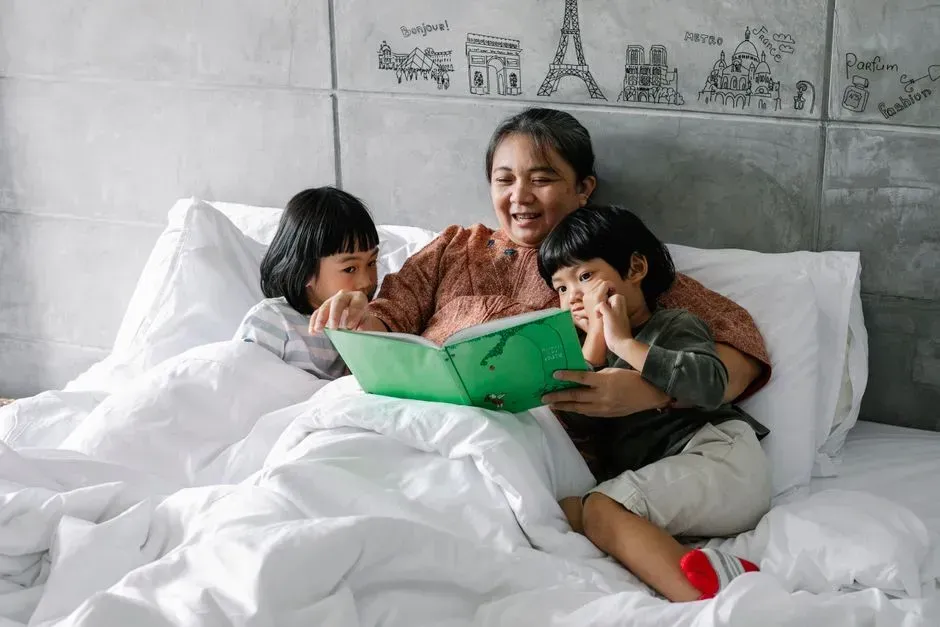
7. Storytelling around holidays (Image Credits: Pexels)
Long before holidays became commercialized events, they were built around oral storytelling, and that instinct hasn’t disappeared. Many families still repeat the same stories year after year, whether it’s how the parents met, a funny mishap from a past holiday, or family history passed down from grandparents. These stories often become more exaggerated with each retelling, which somehow makes them more beloved rather than less believable.
Family historians and folklorists have noted that repeated storytelling plays a meaningful role in shaping a child’s sense of identity and belonging. It’s one of the simplest traditions to maintain because it requires no supplies, no planning, and no cost. Just a group of people willing to sit and listen again.
8. New Year reflections and resolutions
8. New Year reflections and resolutions (Image Credits: Unsplash)
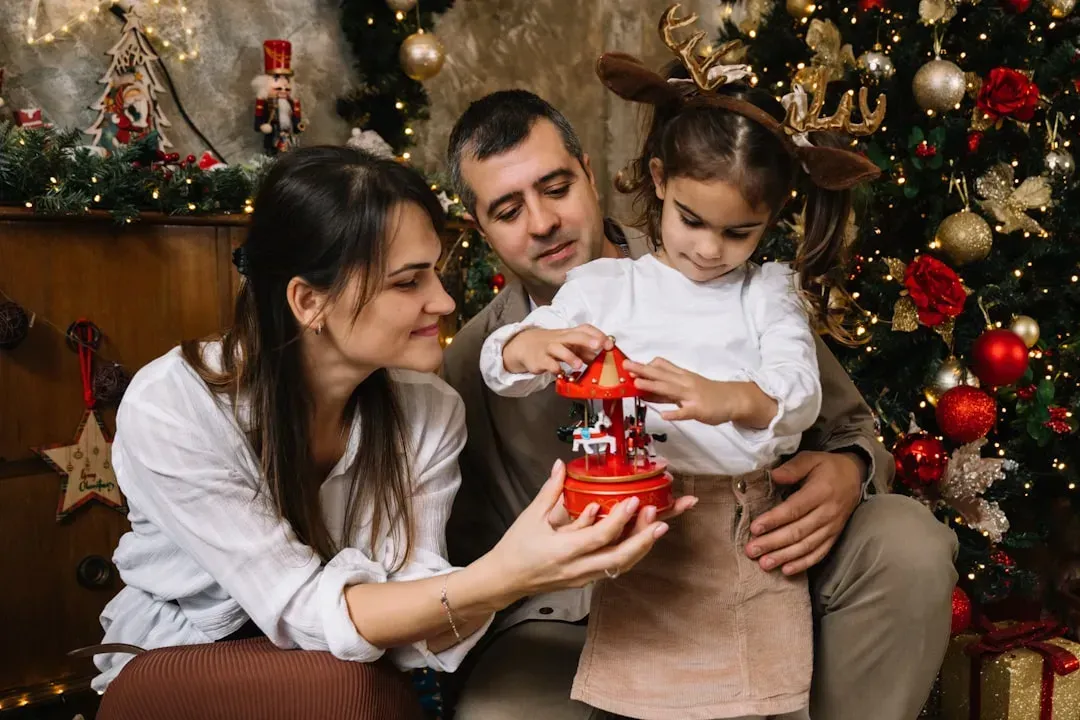
As one year turns into the next, many families set aside time to reflect together, whether that’s writing down goals, sharing highlights from the past year, or simply talking about what they hope changes. This tradition has remained remarkably steady even as resolution culture online has shifted toward more skepticism about long-term goal setting. For families, the value seems to lie less in whether resolutions are kept and more in the shared moment of looking back and forward together.
Some households keep a running journal that gets pulled out every December 31st, adding a new entry each year. Others prefer a more casual conversation over dessert. Either way, this tradition tends to survive because it asks so little while offering a meaningful sense of closure and renewal.
9. Movie or game nights
9. Movie or game nights (Image Credits: Unsplash)
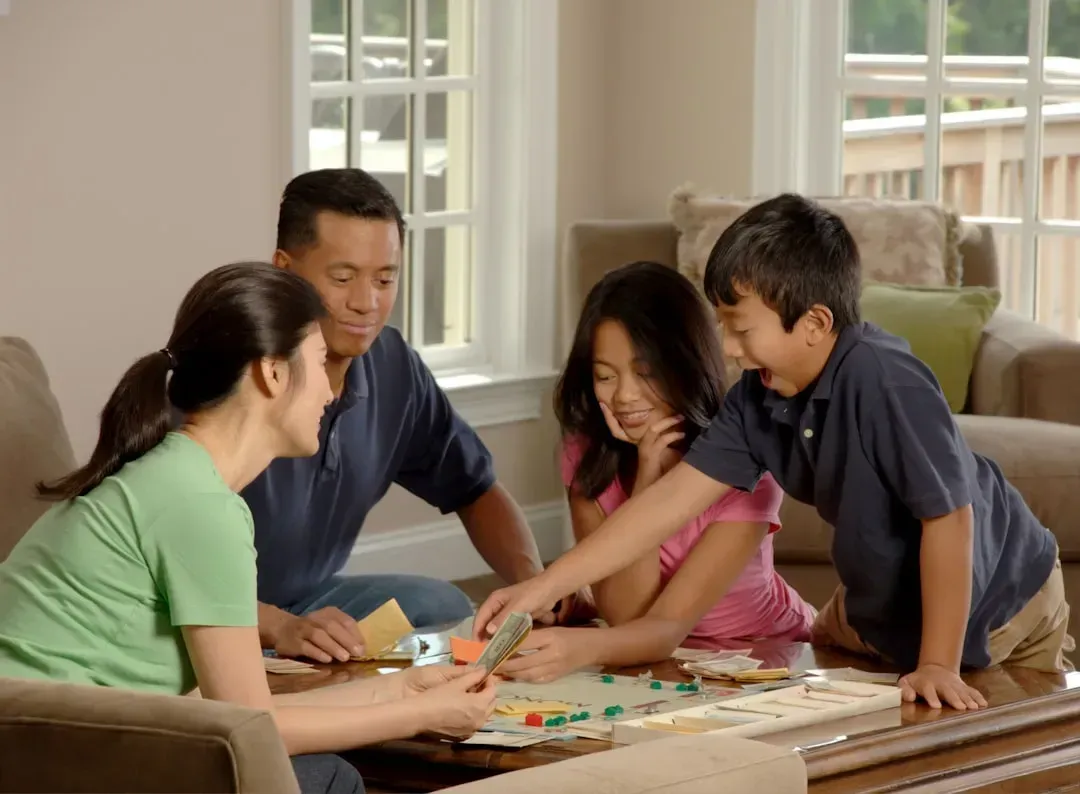
A recurring family movie night or game night has proven to be one of the more adaptable traditions, shifting easily from board games to video games to streaming marathons depending on the era. What stays constant is the intention behind it, carving out a specific block of time purely for being together without other distractions. Even teenagers who claim to be too busy for family time often show up for this one, mostly because it doesn’t feel forced.
The specific format matters less than the consistency of it happening. Some families do it weekly, others monthly, but the repetition itself becomes the tradition. It’s proof that not every meaningful ritual needs to be elaborate to matter.
10. Handwritten holiday cards and letters
10. Handwritten holiday cards and letters (Image Credits: Pexels)
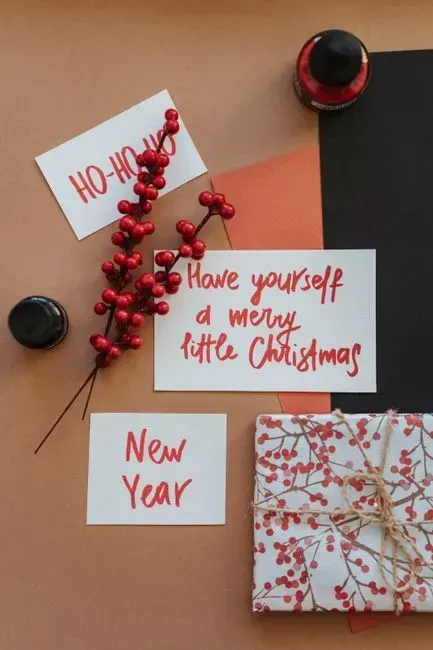
Even in an age dominated by texting and social media, handwritten holiday cards have remained a surprisingly resilient tradition in many households. Families often keep the same mailing list for years, adding new names as relationships grow, and sometimes including a printed family photo alongside a short update. This slower form of communication carries a kind of sentimental weight that digital messages rarely replicate.
Some families take it further, keeping a box of old cards to reread years later, turning the tradition into something closer to a time capsule. Others use it as a once a year excuse to reconnect with extended family they don’t see often. Either way, this tradition endures because it slows things down in a world that otherwise moves fast.
Traditions like these rarely survive because someone insists they must continue. They stick around because they quietly work, offering small, repeatable moments that families come to rely on without ever really needing to explain why. Year after year, that consistency ends up mattering more than the specifics of the tradition itself.