
There’s a particular kind of quiet that settles over a house when the screens go dark. Kids stall for a minute, unsure what to do with their hands, and then something clicks. A puzzle piece slides into place, a paper airplane takes flight, a block tower gets a little taller before it crashes down in a satisfying heap.
None of these activities require fancy equipment or a Pinterest-worthy setup. Most use things already sitting in a closet or kitchen drawer. What follows are 17 practical, screen-free options that actually hold attention, organized so you can pick whatever fits the mood of the day.
1. Build a cardboard box fort
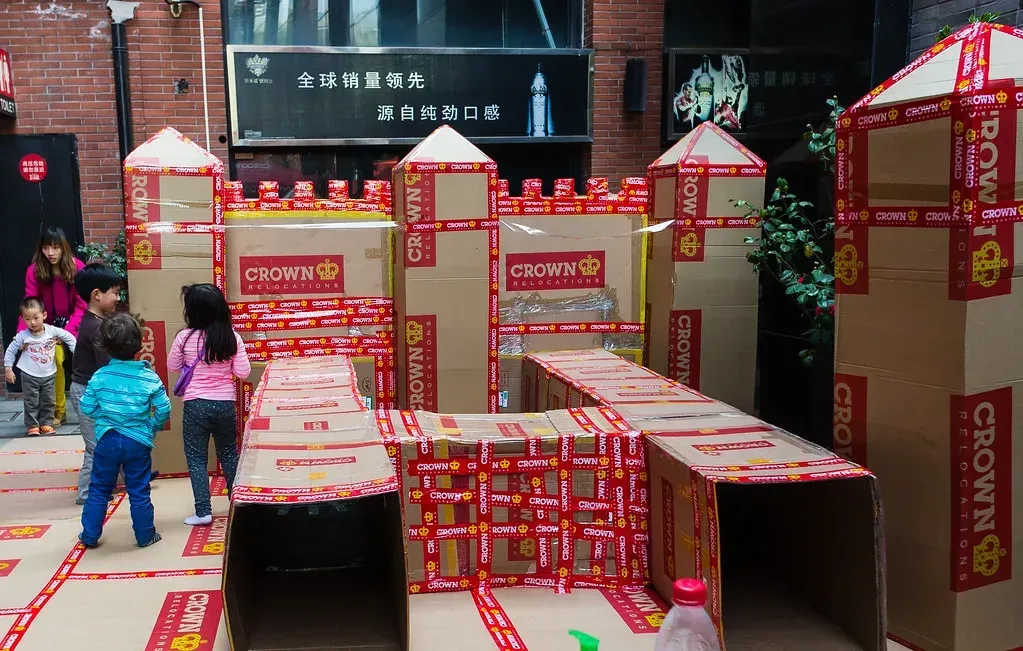
1. Build a cardboard box fort (David Leo Veksler, Flickr, <a href="https://creativecommons.org/licenses/by-sa/2.0/" target="_blank" rel="noopener">CC BY-SA 2.0</a>)
Old shipping boxes and moving boxes make surprisingly sturdy building material once they’re taped together at the seams. Cut a doorway, poke a window or two, and hand over some markers so the whole structure can get decorated on the inside and outside. A fort like this can survive for days in a corner of the living room, which means the play doesn’t have to end after one afternoon.
Kids tend to layer in their own rules once the basic structure exists, turning it into a spaceship one day and a shop the next. The activity works well for a range of ages since younger children can decorate while older ones handle the cutting and taping. It also doubles as a decluttering project, since those boxes were headed to recycling anyway.
2. Set up an indoor scavenger hunt
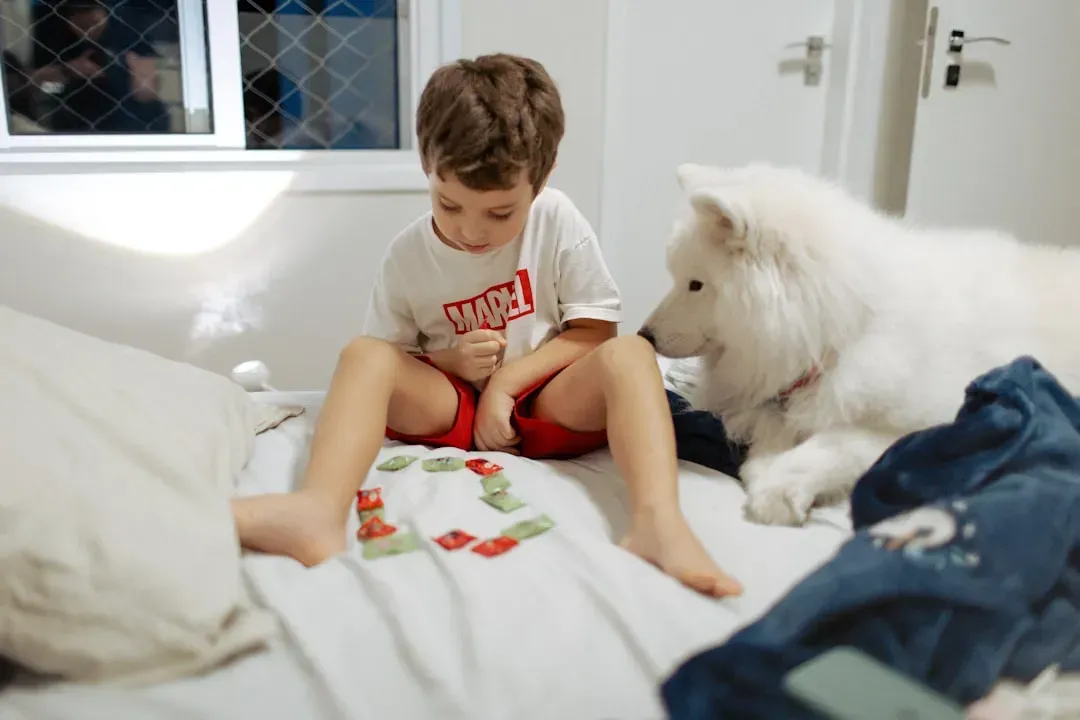
2. Set up an indoor scavenger hunt (Image Credits: Unsplash)
A scavenger hunt needs almost no prep beyond a written or drawn list of household items to find. Categories like “something soft,” “something that starts with the letter B,” or “something older than you” push kids to look at ordinary rooms differently. Setting a timer adds a bit of urgency without turning it into a stressful race.
This activity scales easily for siblings of different ages by giving younger kids picture clues and older ones written riddles. It also works as a rainy-day fallback since it takes almost no setup and can be re-run with a fresh list. Some families keep a running box of hunt items so a new list can be assembled in minutes.
3. Start a jigsaw puzzle station

3. Start a jigsaw puzzle station (Image Credits: Pixabay)
Clearing a small table or corner of a room and leaving a partly finished puzzle out invites people to sit down for five minutes or fifty. Puzzles ranging from 100 to 1,000 pieces suit different age groups and patience levels, and a puzzle mat lets an unfinished project get rolled up and stored without losing progress. The quiet, repetitive motion of sorting pieces by color or edge shape tends to have a calming effect that many parents notice right away.
Leaving the puzzle visible rather than tucked away encourages passersby to add a few pieces on their way through the room. Some households rotate puzzles seasonally, swapping in a beach scene for summer or a winter cabin image for colder months. A finished puzzle can even be glued to a backing board and displayed briefly before the pieces get boxed up again.
4. Create a home science experiment corner

4. Create a home science experiment corner (Image Credits: Rawpixel)
Kitchen staples like baking soda, vinegar, and food coloring are enough to run a handful of classic reactions, from a volcano eruption to a simple density tower with oil and water. A folding table near the sink keeps cleanup manageable and lets the mess stay contained to one spot. Writing down predictions before each experiment adds a light scientific habit without making it feel like a lesson.
Many of these experiments can be repeated with slight variations, like changing the ratio of vinegar to baking soda to see how the reaction speed changes. A dedicated bin of supplies means the setup takes only a minute or two once the habit is established. Older kids can graduate to slightly more involved projects like growing crystals from sugar or salt solutions over several days.
5. Set up a family board game rotation
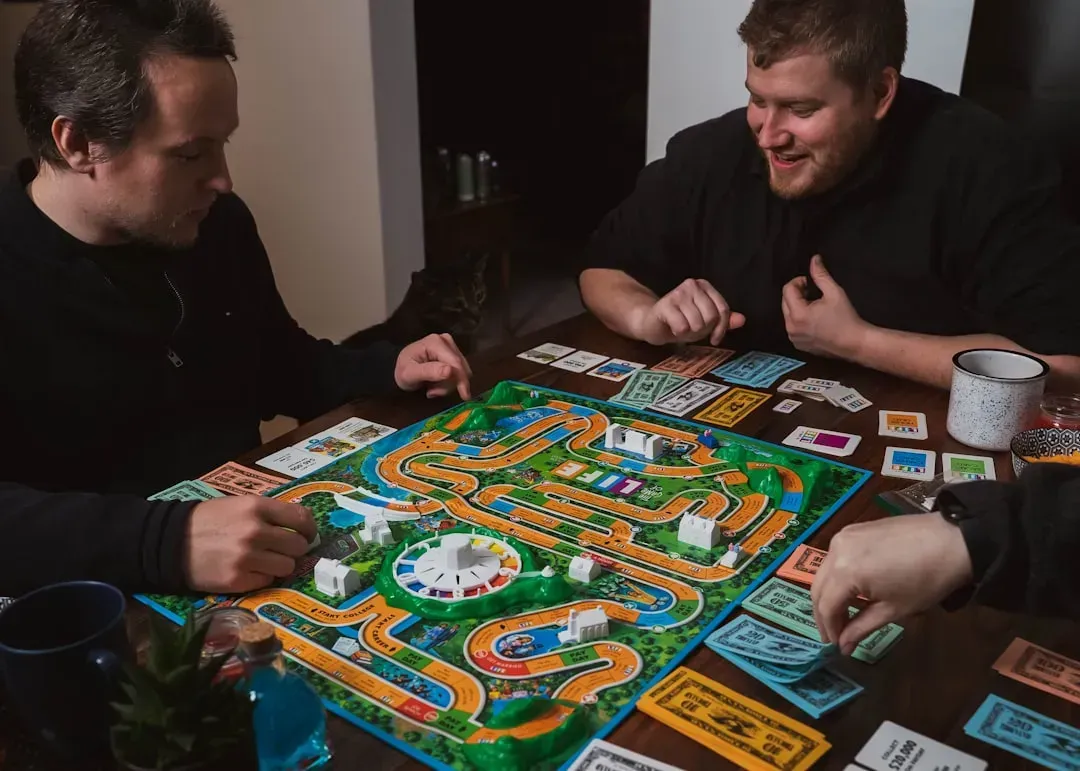
5. Set up a family board game rotation (Image Credits: Unsplash)
Board games have seen renewed interest in recent years, with sales data from industry trackers showing steady growth in tabletop gaming even as digital entertainment options multiply. Keeping three or four games in easy reach, rather than stacked at the back of a closet, makes it more likely someone actually pulls one out. A simple rotation, where a different family member picks the game each week, keeps the selection from going stale.
Classic games like checkers or dominoes work for quick fifteen-minute sessions, while strategy games can fill an entire evening. Game night doesn’t need to be a formal weekly event to matter; even a spontaneous round after dinner counts. Keeping score on a small whiteboard adds a bit of friendly competition that carries over from one session to the next.
6. Try a family cooking or baking project

6. Try a family cooking or baking project (Image Credits: Unsplash)
Handing over measuring cups and a simple recipe turns a kitchen into a hands-on classroom without anyone noticing the learning happening in real time. Basic recipes like pancakes, no-bake cookies, or homemade pizza dough give kids tasks they can actually complete, like cracking eggs or kneading dough. The sensory part of cooking, the smells, textures, and sounds, keeps attention in the room in a way that’s hard to replicate elsewhere.
Letting kids choose the recipe from a small rotating list gives them ownership over the outcome. Mistakes like a lopsided cake or overly salty dough become part of the story rather than a failure, especially if the mood stays relaxed. Some families keep a simple recipe binder just for kid-friendly dishes so the choosing process doesn’t turn into a long debate.
7. Start a household art wall
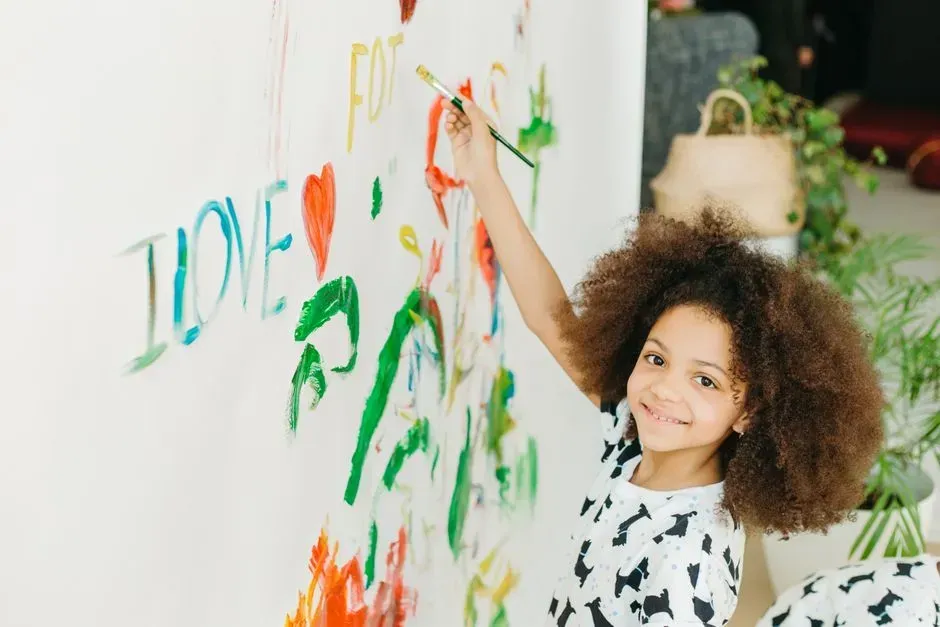
7. Start a household art wall (Image Credits: Pexels)
Designating one wall, even a small section, as a rotating gallery for drawings and paintings gives artwork somewhere to go besides a drawer. Clip strings or a simple corkboard let pieces get swapped out easily as new work comes in. Watching a piece hang for a week or two, rather than disappearing into a pile, seems to encourage kids to keep making more.
The wall doesn’t need to be limited to drawings; photos, pressed leaves, or small craft projects fit just as well. Rotating the display monthly keeps it from feeling static, and taking a phone photo before retiring old pieces preserves a record without keeping physical clutter. Some households let visiting relatives add small notes or sketches, turning the wall into something more collaborative over time.
8. Set up an indoor obstacle course
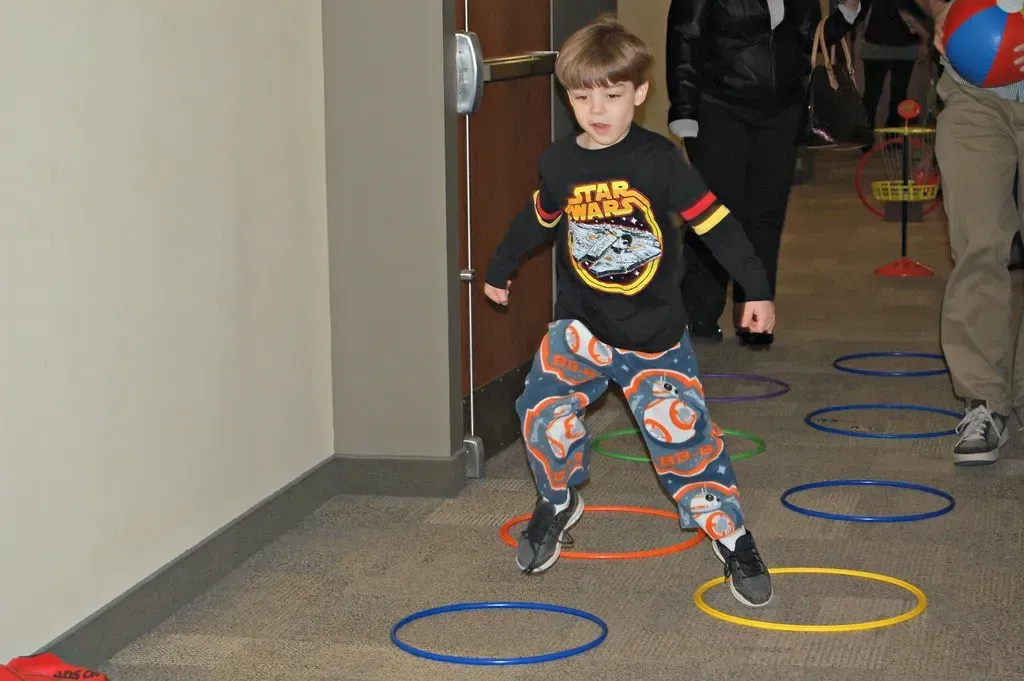
8. Set up an indoor obstacle course (Image Credits: Flickr)
Pillows, couch cushions, chairs, and a broomstick balanced across two stools can turn a living room into a short obstacle course in under ten minutes. Crawling under a table, hopping between cushions, and balancing along a taped line on the floor cover a surprising range of physical skills. A timer adds a game element for kids who like tracking their own improvement.
The course can be rebuilt in different configurations so it doesn’t get predictable after the first run. It’s also one of the better options for burning off extra energy on days when outdoor play isn’t possible due to weather. Setting up a simple point system for different obstacles gives siblings something to compare without it turning into an argument.
9. Build a reading nook

9. Build a reading nook (Image Credits: Unsplash)
A comfortable chair, a blanket, and a small lamp tucked into an underused corner can make reading feel like an event rather than a chore. Adding a small basket of books at arm’s reach removes the friction of getting up to find something to read. Even a closet with the door removed and a cushion inside works if space is tight.
National surveys on childhood reading habits have consistently found that having a dedicated, comfortable reading space correlates with more frequent independent reading. Letting kids personalize the nook with string lights or their own drawings gives them a stake in keeping it appealing. Rotating in library books every couple of weeks keeps the basket from feeling stale.
10. Start a family journal or notebook
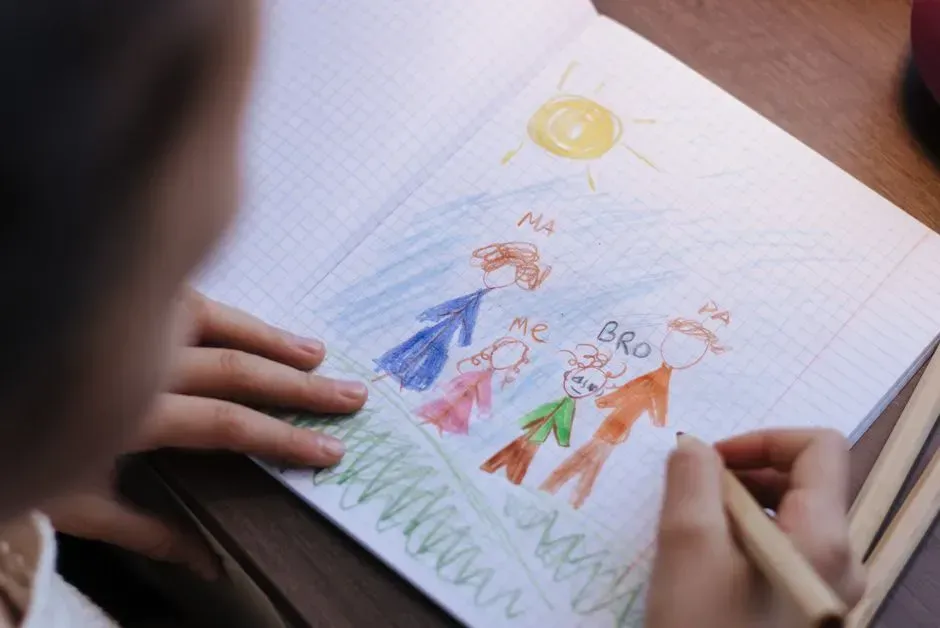
10. Start a family journal or notebook (Image Credits: Pexels)
A shared notebook left on the kitchen table, where anyone can jot a doodle, a joke, or a sentence about their day, becomes a quiet record of family life over months and years. There’s no set format required; some entries might be a single line, others a full page of drawing. The low-pressure nature of it means even reluctant writers tend to contribute eventually.
Reading back through old entries after a few months often becomes its own small activity, prompting laughter over forgotten jokes or events. Some families use prompts on slower weeks, like “something that made you laugh today,” to keep entries flowing. The notebook can also double as a simple keepsake, one that holds up better over time than a folder of digital photos.
11. Try indoor gardening
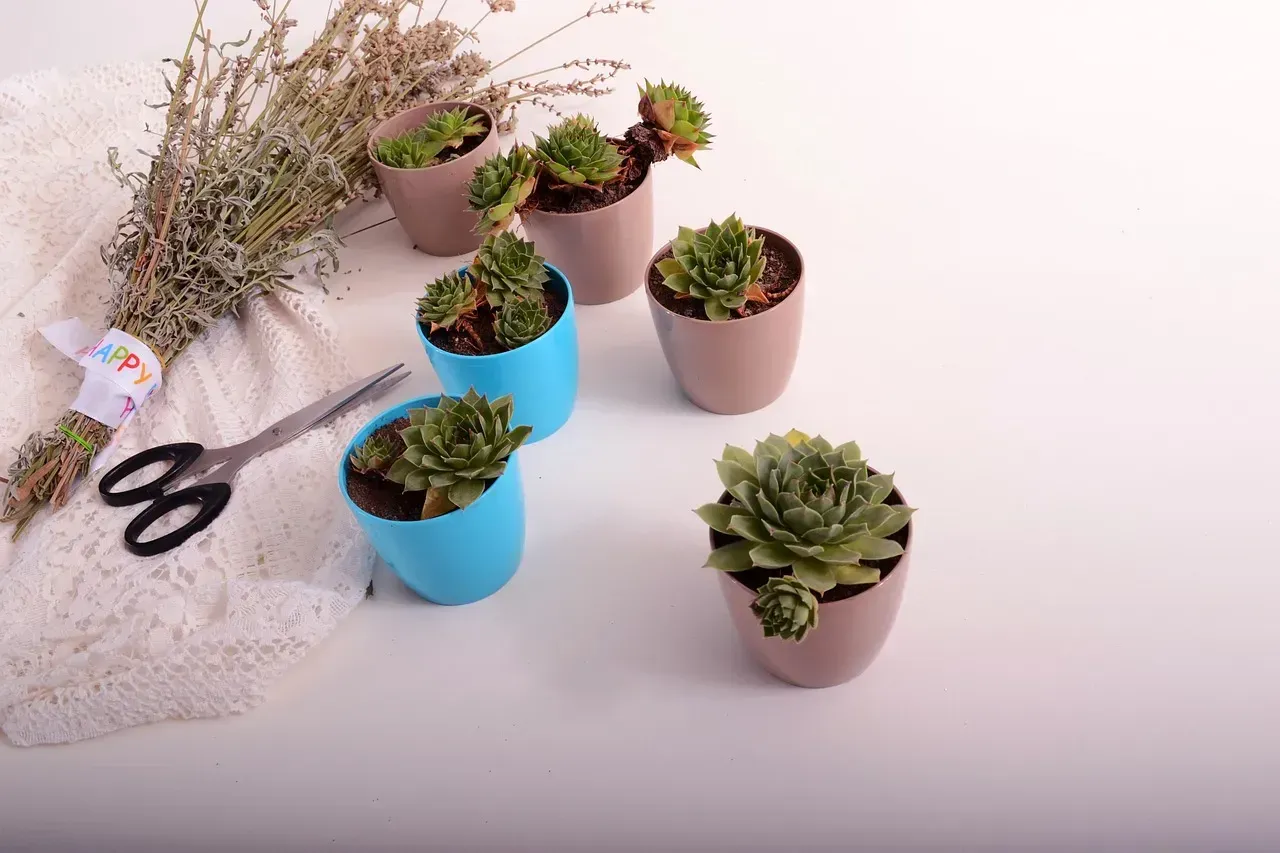
11. Try indoor gardening (Image Credits: Pixabay)
Herb gardens on a sunny windowsill, using basil, mint, or parsley, give kids something living to check on daily without requiring a yard. Clear plastic cups with drainage holes work fine as starter pots, and seeds are inexpensive enough that failed attempts don’t sting much. Watching a seed sprout within a week or two provides a fast enough payoff to hold younger attention spans.
Assigning a specific plant to each family member creates a small sense of ownership and responsibility. Herbs that do sprout successfully can go straight into that week’s dinner, closing the loop between planting and eating. Even a single pot on a kitchen windowsill counts as a full gardening setup if space is limited.
12. Set up a LEGO or building block station
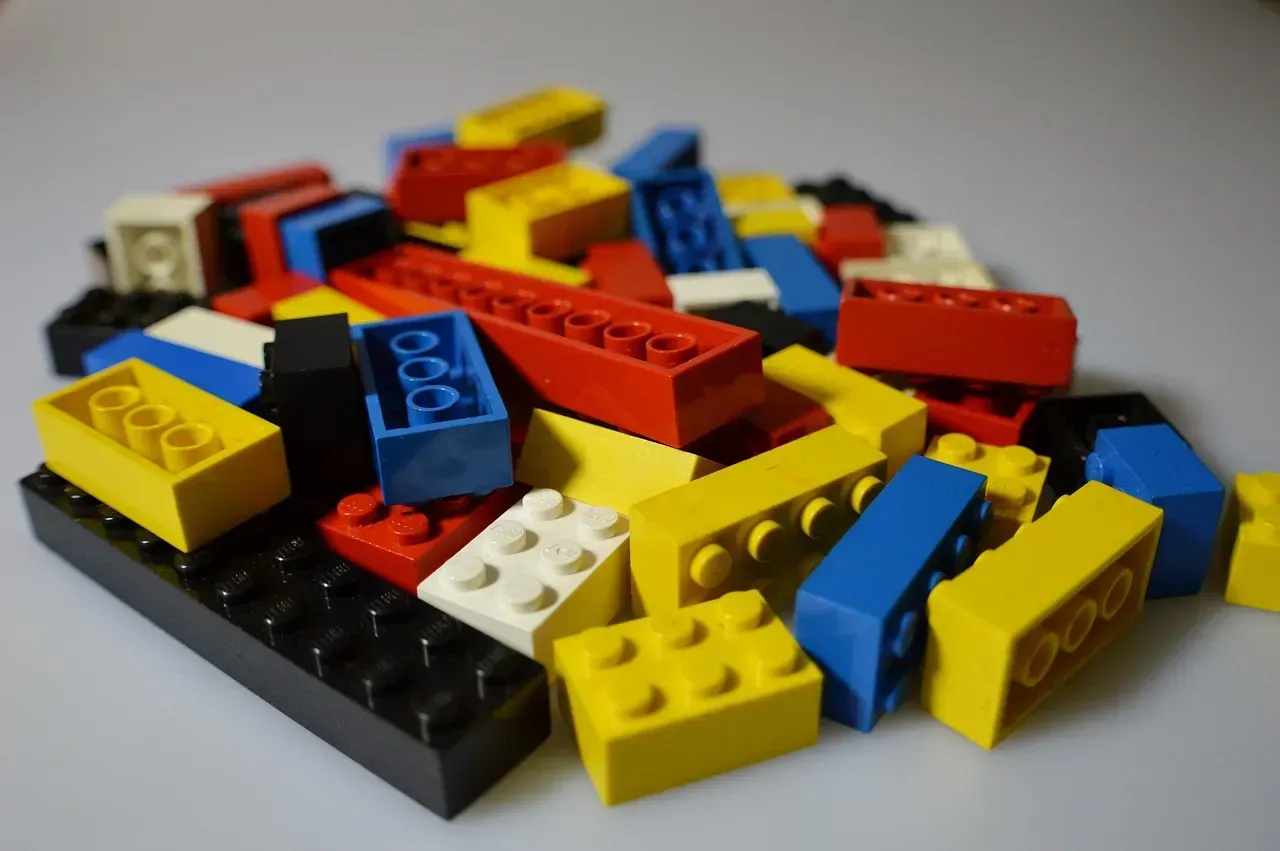
12. Set up a LEGO or building block station (Image Credits: Pixabay)
A dedicated bin of building blocks, left accessible rather than stored on a high shelf, invites open-ended building sessions that can stretch from minutes to hours. Sorting bricks by color or size beforehand actually becomes part of the activity for some kids, not just prep work. A simple building challenge, like “make something that can hold a small ball,” adds direction without dictating the outcome.
Building sets remain one of the most consistently popular toy categories, with market research firms tracking steady demand for construction toys across age groups well into 2025 and 2026. Displaying finished builds on a shelf for a week before disassembling gives the effort a bit of permanence. Mixing sets from different brands or eras often produces more creative results than sticking to a single matched set.
13. Host a family talent or skit night

13. Host a family talent or skit night (Image Credits: Unsplash)
Clearing a small area of the living room as a makeshift stage, with a flashlight standing in for a spotlight, sets the tone for an informal talent show. Kids can perform a joke, a magic trick, a dance, or a short skit they wrote themselves earlier in the day. Giving everyone a turn, including adults, keeps it from feeling like a performance evaluation rather than shared fun.
A cardboard box decorated as a “stage curtain” or a bedsheet strung on a rope adds just enough theatrical flair without real effort. Recording short clips on a phone afterward, purely for the family archive rather than posting anywhere, gives the night a lasting keepsake. Rotating who picks the theme each time, like animals or superheroes, keeps repeat nights feeling fresh.
14. Set up a simple craft supply station

14. Set up a simple craft supply station (Image Credits: Pixabay)
A bin stocked with paper, glue, scissors, tape, and a few odds and ends like buttons or fabric scraps removes the barrier of hunting for materials every time inspiration strikes. Keeping it at a height kids can access independently means the activity can start without an adult setting everything up first. Rotating in seasonal items, like leaves in autumn or shells after a beach trip, keeps the supply feeling current.
Open-ended prompts work better than rigid craft kits for sustained engagement, since kids gravitate toward projects they design themselves. A designated spot for finished crafts, even a simple shoebox, prevents the “what do I do with this now” problem that often ends craft sessions abruptly. Some families set a loose weekly theme, like “make something blue,” to nudge creativity without forcing a specific outcome.
15. Try a family fitness or yoga session

15. Try a family fitness or yoga session (Different Seasons Jewelry, Flickr, <a href="https://creativecommons.org/licenses/by/2.0/" target="_blank" rel="noopener">CC BY 2.0</a>)
A cleared floor space, a couple of yoga mats or towels, and a printed list of simple poses are enough to run a short session without any instructor. Poses like tree pose, downward dog, and child’s pose are accessible enough for young kids to follow along after a demonstration or two. Ten to fifteen minutes is usually plenty for younger children before attention drifts elsewhere.
Physical activity guidelines from major health organizations continue to recommend at least sixty minutes of movement daily for children, and short home sessions can meaningfully contribute toward that total. Turning some poses into animal names, like “cat pose” or “cobra pose,” makes the session feel more like a game than exercise. A weekly rotation between yoga, simple stretching, and a mini dance session keeps the format from feeling repetitive.
16. Build a marble run or domino chain
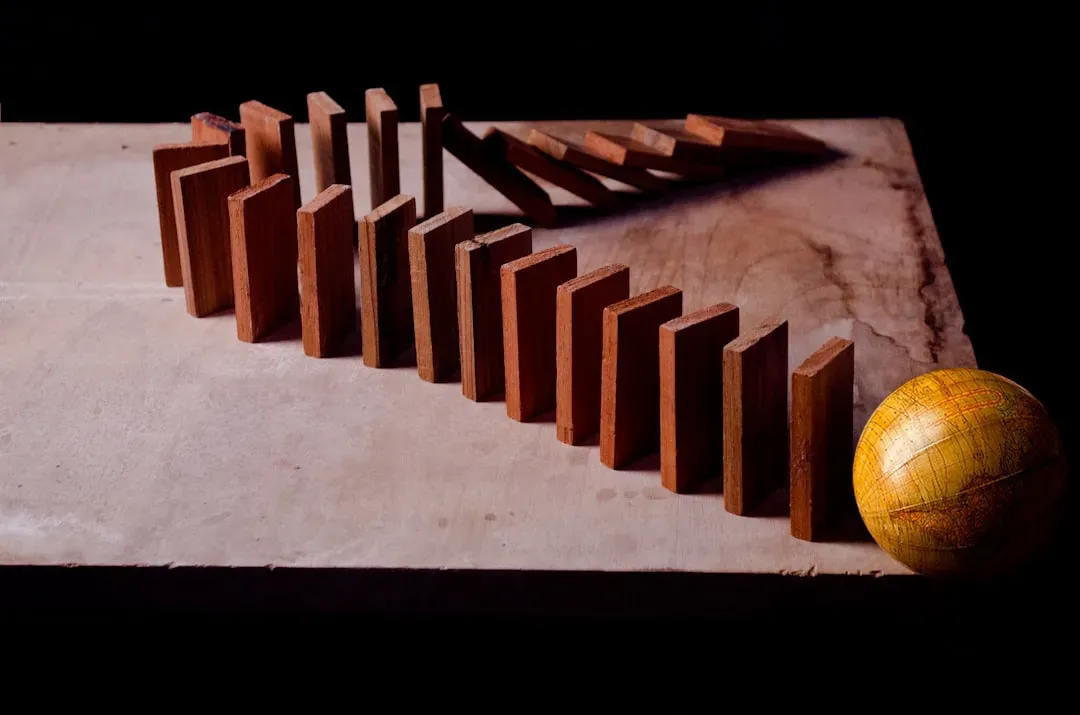
16. Build a marble run or domino chain (Image Credits: Unsplash)
Cardboard tubes, tape, and a collection of marbles can be arranged into a surprisingly elaborate run down a wall or staircase railing with some patience. Dominoes lined up across a hallway floor offer a similar payoff with a much faster setup time. Both activities reward planning and small adjustments, since a run that doesn’t work the first time usually just needs a tweak rather than a full rebuild.
Recording the run on a phone camera to watch back in slow motion adds a small bonus round after the main building work is done. Combining materials, mixing tubes with ramps built from books or blocks, produces more varied and interesting paths. This activity tends to hold attention particularly well for kids who enjoy engineering-style problem solving.
17. Set up a shadow puppet or flashlight theater

17. Set up a shadow puppet or flashlight theater (Image Credits: Unsplash)
A flashlight, a blank wall or hung sheet, and a few cut-out paper shapes on sticks are all that’s needed to run a shadow puppet show after dark. Hand shapes alone, without any cut-out props, can form recognizable animals with a bit of practice, which keeps the barrier to entry low. Turning off the main lights adds a bit of atmosphere that makes even a simple show feel like an event.
Kids can write a short story ahead of time or improvise entirely once the lights go down, and both approaches tend to work fine. This activity pairs naturally with the talent night idea above, since a puppet show makes an easy addition to a rotating lineup of family performances. It also requires almost no cleanup afterward, since the only materials involved are a flashlight and a few pieces of paper.
Rotating through a handful of these activities across a week, rather than trying to introduce all seventeen at once, tends to work better in practice. Most families find a small rotation of four or five favorites that get repeated often, with the rest pulled out on occasion for variety. The common thread across all of them is low setup cost and high flexibility, which matters more for long-term use than any single activity being especially elaborate.