
Every parent has a mental list of qualities they hope their kids grow up with. Kindness, grit, honesty, the usual suspects show up in almost every conversation about raising good humans. Yet somewhere between school drop offs, homework battles, and the general chaos of daily life, a lot of these intentions quietly slip through the cracks.
It's not that parents don't care. It's that character building rarely comes with reminders or deadlines, so it gets pushed aside by whatever feels urgent that day. Here are fourteen traits that show up again and again in parenting surveys and psychology research, along with why they're easy to overlook even when they matter most.
1. Gratitude

1. Gratitude (Image Credits: Unsplash)
Parents frequently mention wanting kids who appreciate what they have rather than constantly asking for more. Research from psychologists studying gratitude in children, including work published through the Greater Good Science Center at UC Berkeley, has linked regular gratitude practice to higher life satisfaction and stronger relationships in kids. The catch is that gratitude has to be modeled and practiced consistently, not just mentioned during Thanksgiving dinner.
Busy households often skip the small rituals, like naming one good thing at dinner, because everyone is tired or distracted. Without that repetition, gratitude stays a nice idea rather than a habit. Kids pick up on what parents actually do, not just what they say they value.
2. Patience

2. Patience (Image Credits: Unsplash)
Almost every parent wants a child who can wait, tolerate frustration, and not fall apart when things don’t go their way immediately. Ironically, teaching patience requires a lot of patience from the parent, which is exactly what tends to run low during a hectic week. So instead of walking a toddler through waiting for a turn, it’s often faster to just hand over the toy and move on.
Child development specialists note that patience is a skill built through repeated small moments, not a single lesson. Every time an adult rushes to solve a problem a child could sit with a little longer, that practice opportunity disappears. It’s a subtle trait to lose sight of because the short term convenience usually wins.
3. Empathy

3. Empathy (Image Credits: Pexels)
Parents often say they want kids who notice when someone else is struggling and actually care. Developmental research, including studies referenced by the Yale Center for Emotional Intelligence, shows empathy grows through direct conversations about feelings and perspective taking, not just through good behavior at home. That means asking questions like how do you think your friend felt, rather than only correcting behavior after the fact.
These conversations take time and emotional energy that parents don’t always have after a long day. It’s easier to say be nice than to walk through why someone else might be upset. Over time, the shortcut version of empathy training becomes the default, even when the deeper intention was there from the start.
4. Resilience
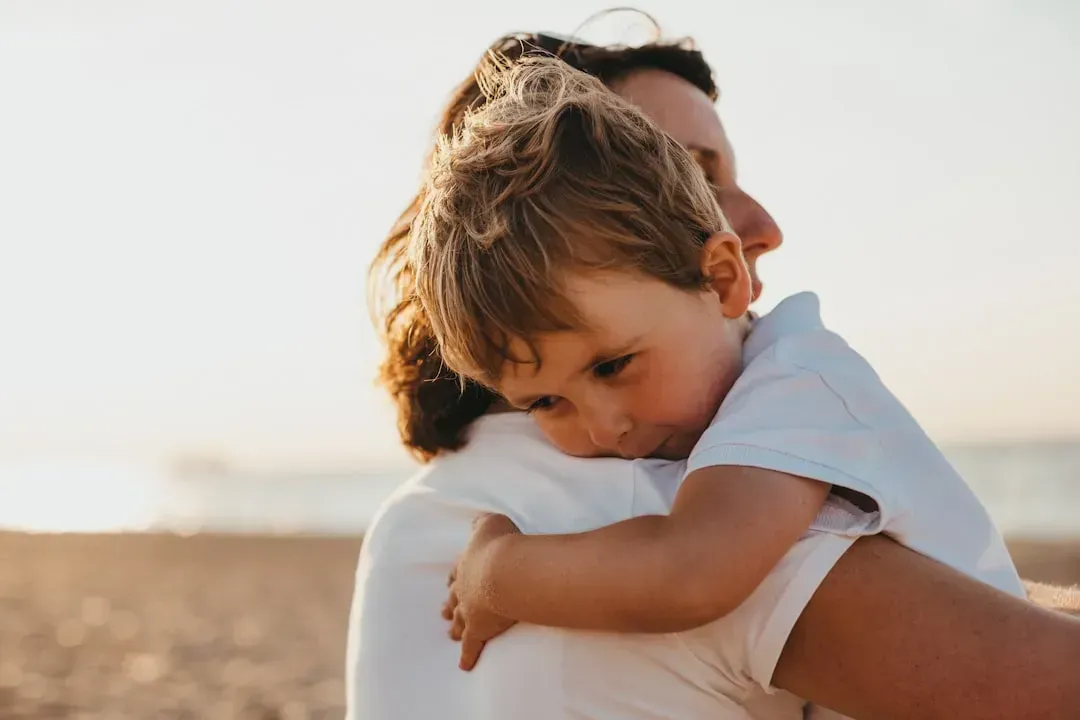
4. Resilience (Image Credits: Unsplash)
Bouncing back from failure without falling apart is a trait almost every parent lists as a top priority. Psychologist Angela Duckworth’s research on grit found that persistence through setbacks predicts long term success better than raw talent in many cases. Building that muscle requires letting kids fail sometimes, which runs against the instinct to protect them from disappointment.
It’s genuinely hard to watch a child struggle with something fixable and not step in. Parents often intervene early, not out of neglecting the goal, but because discomfort in the moment feels worse than the long term lesson. Resilience gets lost exactly where it would be built, in the small failures that get smoothed over too quickly.
5. Honesty

5. Honesty (Image Credits: Unsplash)
Raising an honest kid ranks high on nearly every parenting priority list, yet honesty is trickier to teach than it sounds. Kids learn quickly that the truth sometimes leads to punishment, while a small lie avoids conflict entirely. If the reaction to honest mistakes is harsh, children learn to hide things rather than admit them.
Parents forget this trait not because they stop valuing it, but because reacting calmly to bad news takes real self control. A frustrated response to a confessed mistake teaches the opposite lesson intended. Consistency in how truth telling gets received matters more than any single conversation about lying.
6. Self discipline

6. Self discipline (Image Credits: Pexels)
The ability to manage impulses, finish tasks, and delay gratification is something almost every parent wants for their child’s future. Long term studies on self control, including the well known Stanford marshmallow experiment led by Walter Mischel, suggest early self regulation correlates with better outcomes later in life. Building that skill means allowing kids to sit with boredom or frustration instead of immediately reaching for a screen or a snack.
Modern life makes this hard because distractions are constant and convenient. It’s simpler to hand a phone to a restless child than to help them work through restlessness itself. Self discipline slips because the environment around kids rarely demands it anymore.
7. Curiosity
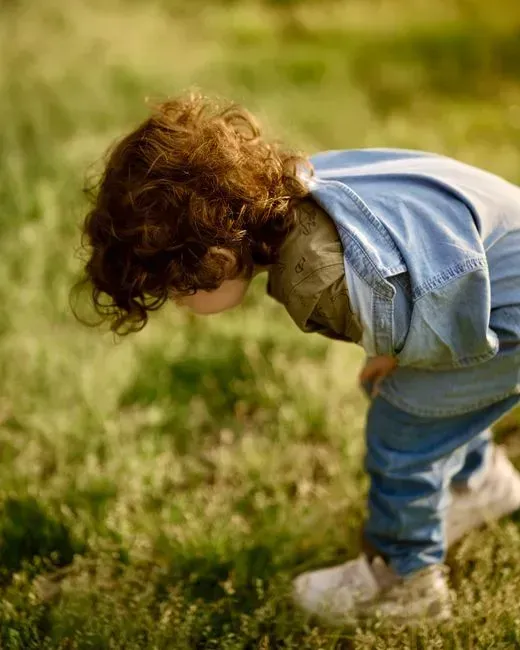
7. Curiosity (Image Credits: Pexels)
Parents often say they want kids who ask questions, explore ideas, and stay genuinely interested in learning beyond what’s required for school. Curiosity tends to be strongest in early childhood and can fade if it isn’t nurtured through open ended play and unstructured time. Structured schedules packed with lessons and activities sometimes leave little room for kids to wonder and explore on their own.
It’s easy to fill a child’s day with productive activities while forgetting that boredom often sparks the best questions. Curiosity doesn’t need much, just space and a parent willing to follow a tangent instead of redirecting back to the plan. When schedules get tight, that space is usually the first thing to go.
8. Kindness
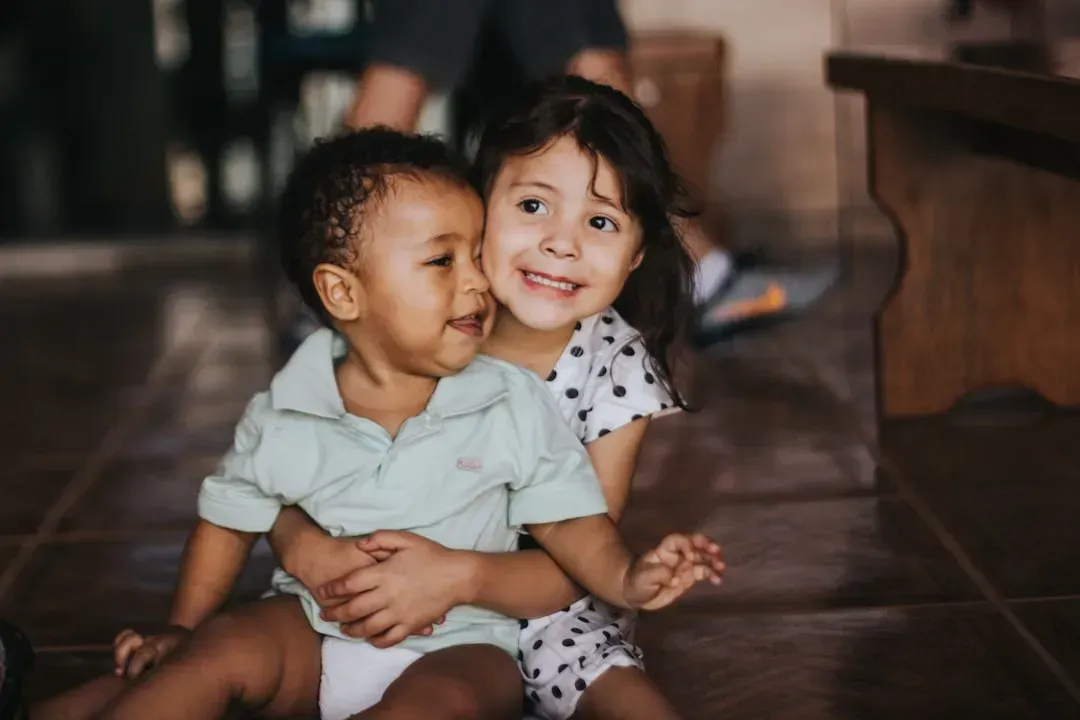
8. Kindness (Image Credits: Gallery Image)
Almost every parent hopes their child grows into someone who treats others well, yet kindness training often gets reduced to reminders like say sorry or share your toys. Genuine kindness develops through modeling, where kids watch how parents treat strangers, service workers, and each other. Studies on prosocial behavior in children show that observed behavior shapes actions more strongly than direct instruction alone.
Parents forget this because kindness feels automatic to teach, so it doesn’t get the same intentional attention as academics or safety. A rushed apology forced during a conflict teaches compliance, not compassion. The trait gets diluted when it becomes a scripted response rather than a genuine value being lived out daily.
9. Humility
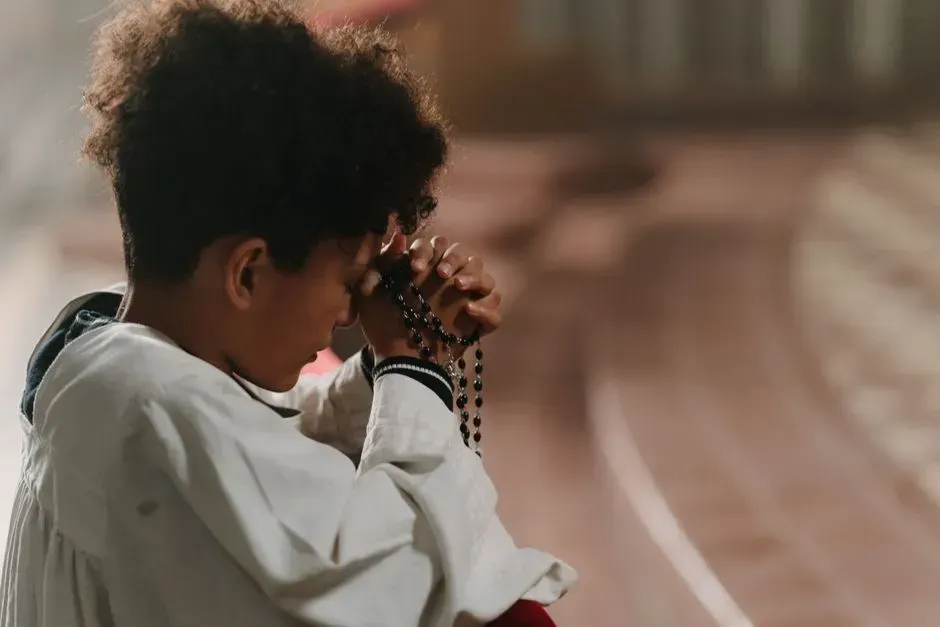
9. Humility (Image Credits: Pexels)
Wanting a grounded, humble kid is common, especially among parents wary of raising entitled children. Humility is often confused with low self esteem, so some parents avoid the topic entirely rather than risk undermining confidence. In reality, healthy humility means recognizing strengths without needing constant validation, something praise heavy parenting can accidentally work against.
Excessive praise for every small accomplishment, a common habit in modern parenting, can create kids who expect recognition for ordinary effort. Balancing encouragement with honest feedback is harder than simply cheering everything on. This trait tends to get overlooked because praise feels supportive in the moment, even when it works against the bigger goal.
10. Responsibility
10. Responsibility (Image Credits: Unsplash)
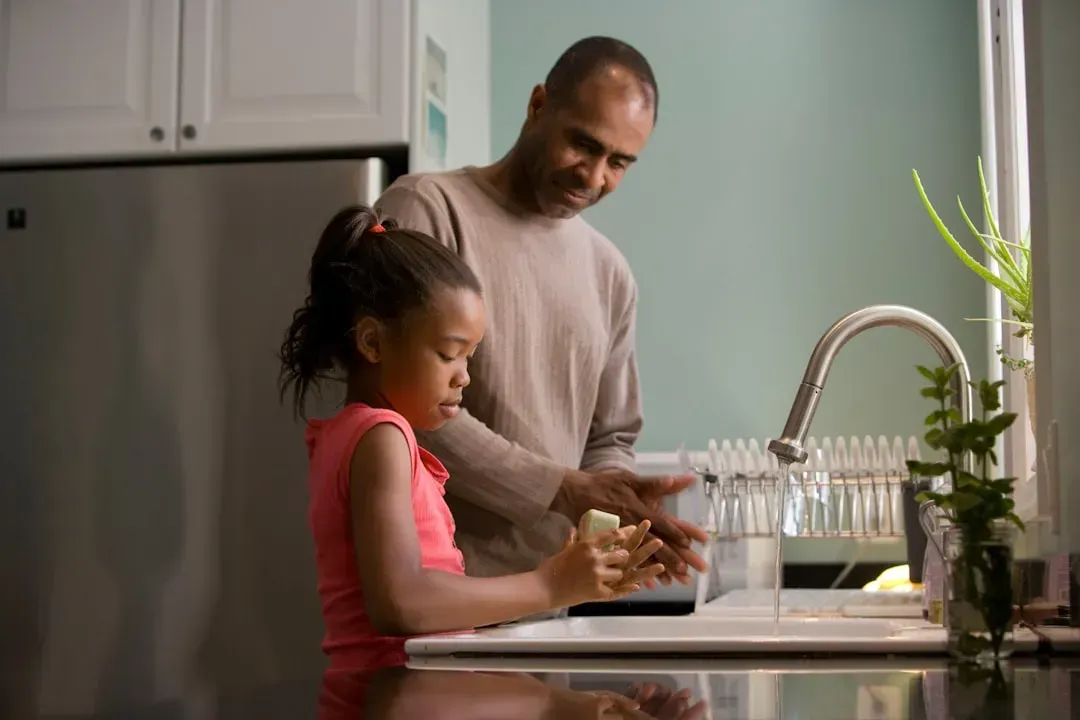
Parents frequently mention wanting kids who take ownership of their actions, chores, and commitments without constant reminders. Assigning age appropriate responsibilities, like chores or caring for a pet, is one of the most reliable ways psychologists say this trait gets built. The challenge is that it’s often faster for a parent to just do the task themselves rather than wait for a child to complete it imperfectly.
Over time, that shortcut becomes a habit, and responsibility never gets the practice it needs. Kids end up capable of following instructions but less experienced at initiating tasks on their own. The intention to build responsibility is there, but daily convenience quietly overrides it.
11. Respect for others

11. Respect for others (Image Credits: Pexels)
Teaching kids to respect differing opinions, boundaries, and people from different backgrounds is a priority many parents name early on. This trait grows through exposure to diverse perspectives and through modeling respectful disagreement at home. When conflicts at home are handled with yelling or dismissiveness, kids absorb that pattern regardless of what’s said about respect afterward.
Respect is easy to talk about in the abstract but harder to demonstrate during actual disagreements. Parents forget this trait most during stressful moments, exactly when it matters most. The lesson lands strongest not through rules but through how adults handle friction in front of their kids.
12. Courage to fail

12. Courage to fail (Image Credits: Gallery Image)
Many parents say they want kids who take risks, try new things, and aren’t afraid of failing. Psychologist Carol Dweck’s research on growth mindset found that praising effort rather than innate talent encourages kids to embrace challenges instead of avoiding them. Yet a lot of everyday praise still focuses on being smart or talented, which can make kids more cautious about attempting anything they might not succeed at right away.
Fear of failure often starts subtly, through comparisons or overly protective reactions to setbacks. Parents forget this trait because avoiding disappointment feels protective, when it actually limits growth. Encouraging risk taking requires tolerating some visible struggle, which isn’t always comfortable to watch.
13. Generosity
13. Generosity (Image Credits: Pexels)
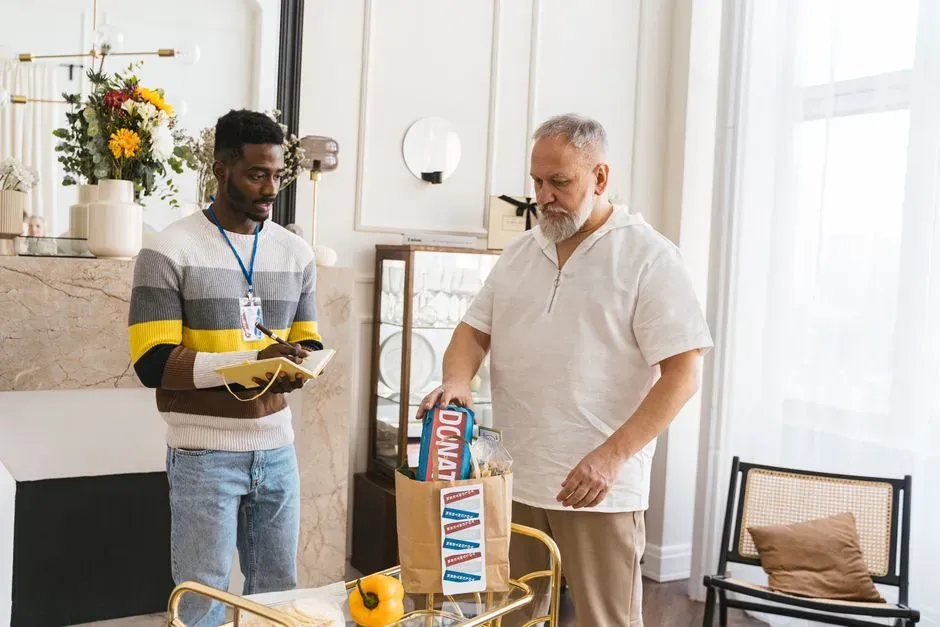
Raising a generous child, one who shares time, attention, and resources willingly, is a value most parents hold dear. Generosity is best taught through consistent small acts, like involving kids in donating outgrown toys or helping a neighbor, rather than occasional grand gestures. Without regular practice, generosity can become something kids understand conceptually but rarely act on unprompted.
Busy family schedules often push these small acts aside in favor of more immediate priorities like homework or activities. It’s not that generosity gets rejected, it just gets crowded out. The habit fades quietly when there’s no regular opportunity built into daily life to practice it.
14. Independence
14. Independence (Image Credits: Unsplash)
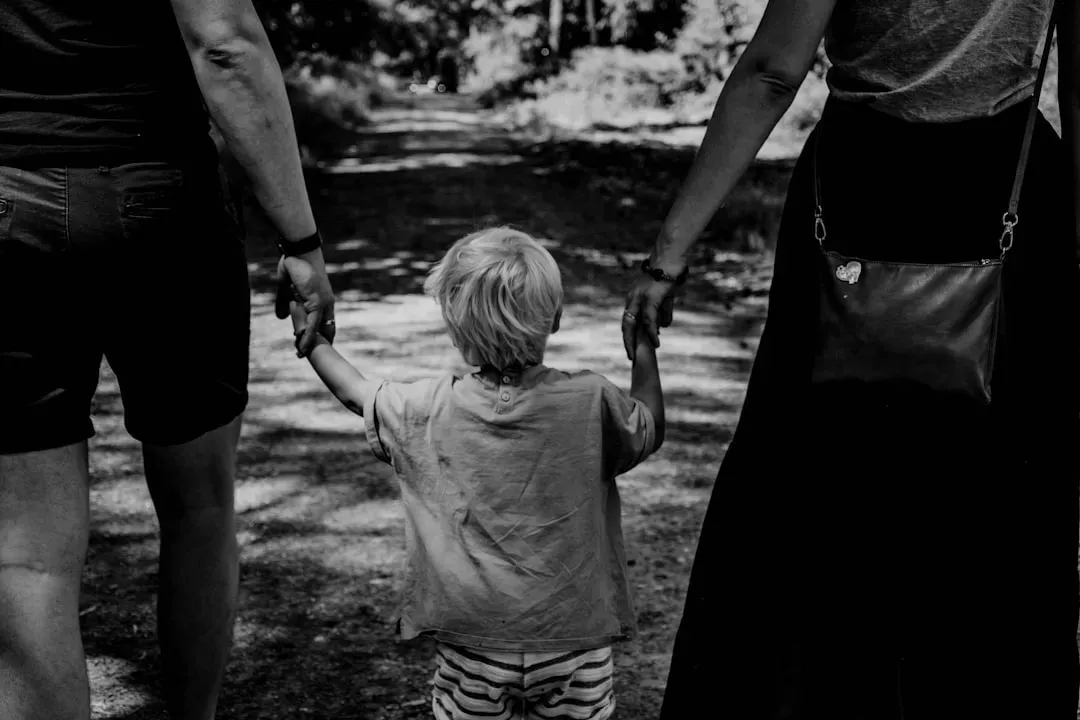
Parents commonly want kids who can think for themselves, solve problems, and eventually manage life without constant oversight. Independence develops through gradually increasing autonomy, letting kids make age appropriate decisions and experience the consequences. Modern parenting trends, often described as overinvolved parenting, can unintentionally slow this process by stepping in too quickly to prevent mistakes.
Every rescued mistake is a missed chance for a child to practice figuring things out. Parents forget this trait because it feels safer, and often kinder, to help immediately. Independence requires stepping back at exactly the moments it feels hardest to do so.
These fourteen traits rarely disappear because parents stop caring about them. They fade because daily life is full of small decisions where convenience, comfort, or exhaustion quietly wins over the longer term goal. Recognizing that pattern is often the first step toward closing the gap between the values parents want to teach and the habits that actually get practiced at home.