
Making friends as an adult is a strange kind of puzzle. School and college used to hand people built in social structures, but once those disappear, so does the easy access to new faces. Plenty of hobbies exist purely for personal enjoyment, yet a smaller group of them are structured in a way that almost forces conversation, repetition, and shared effort, the exact ingredients that turn strangers into friends.
The activities below were chosen because they combine regular contact with a low pressure environment. None of them require natural charisma. They just require showing up more than once.
1. Joining a run club

1. Joining a run club (Image Credits: Unsplash)
Group running has quietly become one of the biggest social trends of the past two years, and the numbers back that up. Strava's data from over 135 million people across more than 190 countries showed a 59 percent increase in running club membership in 2024, and that momentum has only continued. Strava's 2025 Year in Sport report found the number of running clubs on the platform grew 3.5 times compared with the previous year, while club organized events rose by 50 percent.
What makes run clubs work socially is the built in downtime. Run clubs offer something gyms cannot, genuine connection without a membership fee, with post-run coffee and weekend long runs that turn into brunch. The research backs this social motivation directly, since a recent LADbible Group report found that 72 percent of Gen Z go to run clubs specifically to meet new people.
2. Playing pickleball

2. Playing pickleball (Image Credits: Unsplash)
Pickleball has gone from a retirement community pastime to arguably the most social racquet sport in the country. The Sports & Fitness Industry Association reported that 24.3 million Americans played pickleball in 2025, and the sport grew 171.8 percent from 2022 to 2025, making it the fastest-growing sport in the United States.
The doubles format is really what fuels the social side of the game. The sport has a strong social component, since doubles play is the most common format, naturally encouraging conversation, community, and friendly competition. Courts are also popping up everywhere, so finding a nearby group has never taken much effort, whether it is a public park setup or a dedicated pickleball lounge with food and drinks attached.
3. Taking a group fitness or dance class
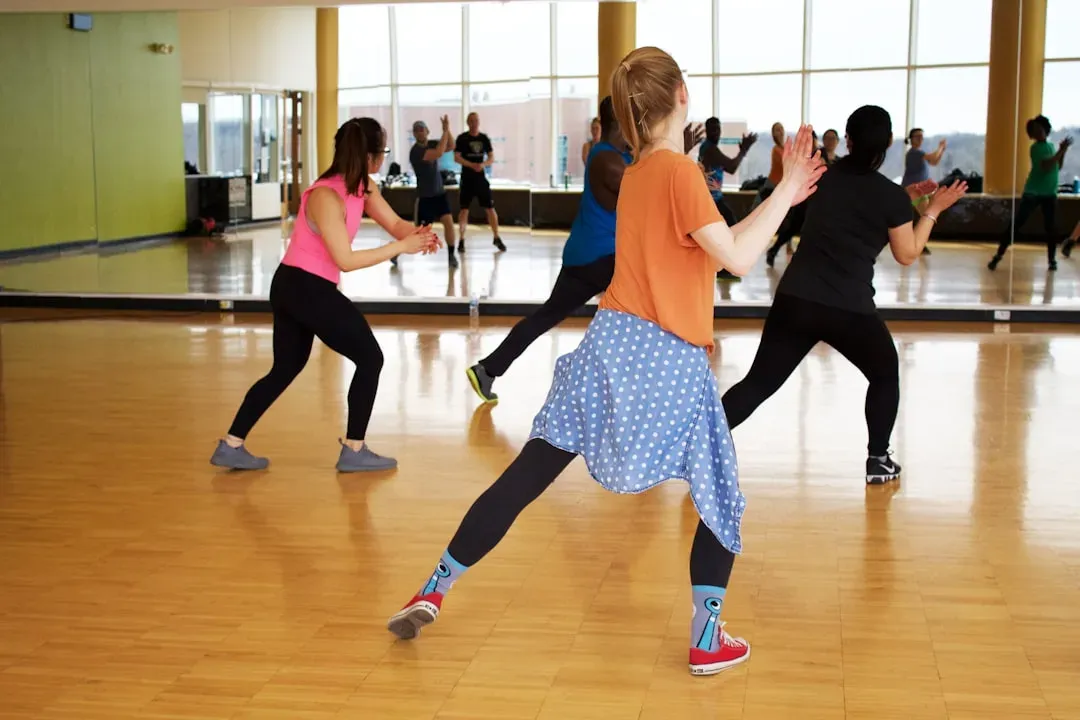
3. Taking a group fitness or dance class (Image Credits: Unsplash)
Recurring classes create something a single workout never can, familiarity. Showing up to the same Zumba, spin, or salsa class every week means seeing the same faces on a schedule, which naturally leads to small talk that eventually turns into real conversation. Dance classes in particular tend to require some level of partnering or group coordination, which breaks the ice faster than most other formats.
The physical element also lowers social pressure in a useful way. When people are focused on footwork or breathing through a tough set, conversations feel less like performance and more like shared struggle. Many studios and gyms lean into this by organizing post class socials, which gives the community aspect an actual venue outside the workout itself.
4. Volunteering for a local cause
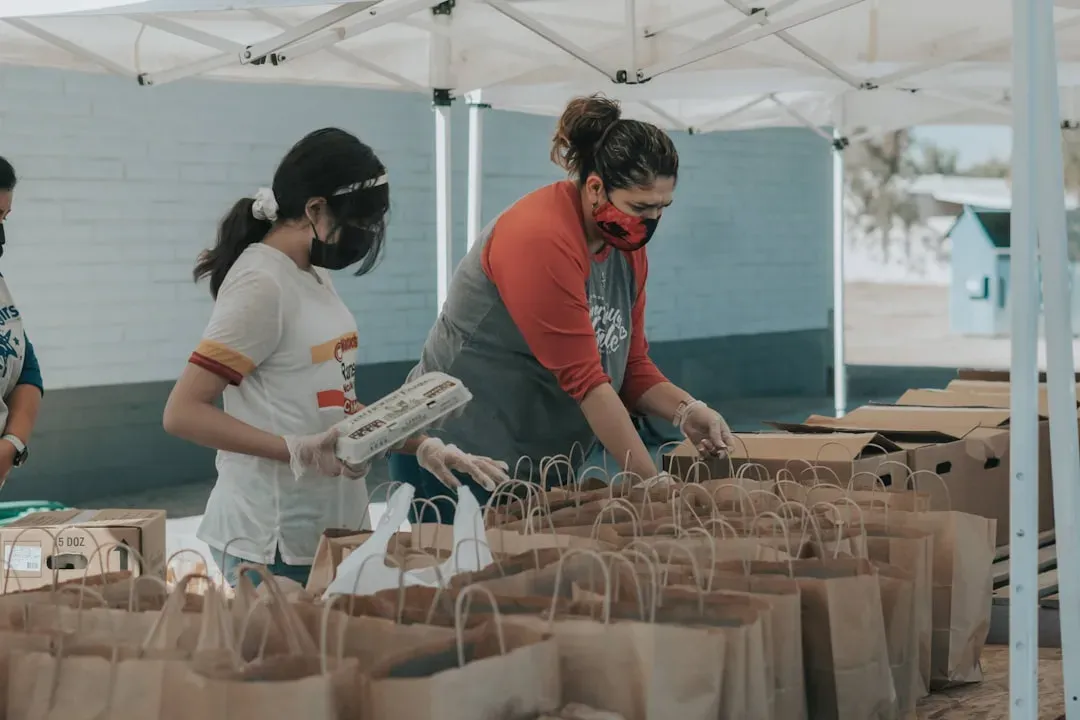
4. Volunteering for a local cause (Image Credits: Unsplash)
Volunteering puts people next to each other for a reason bigger than networking, which tends to make the resulting relationships feel more genuine. Food banks, animal shelters, park cleanups, and mentoring programs all rely on repeat volunteers, meaning the same small group tends to show up week after week. That repetition, combined with working toward something concrete, builds trust quickly.
It also tends to attract a specific kind of person, someone who is already civic minded and willing to give time without expecting much in return. That shared value alone often makes conversation easier than it would be in a purely social setting. Many local nonprofits and community centers post volunteer schedules online, making it one of the more accessible entries on this list.
5. Joining a book club

5. Joining a book club (Image Credits: Pexels)
Book clubs solve a very specific problem, they give people something concrete to talk about before the conversation ever has to get personal. Discussing a plot twist or a character's decisions is a low stakes way to learn how someone thinks, which often opens the door to deeper conversation over time. Libraries, bookstores, and community centers host these groups regularly, and many are free to join.
The format also rewards consistency rather than charm. Someone who reads quietly and offers a thoughtful comment once a month can build the same kind of rapport as someone more naturally outgoing. That makes book clubs a particularly good fit for people who find loud social settings draining.
6. Playing board games at a cafe or meetup

6. Playing board games at a cafe or meetup (Image Credits: Pexels)
Board game cafes and meetup groups have expanded steadily in cities over the past few years, partly because they solve the awkward question of what to actually do while getting to know someone. Games give structure to an evening, provide natural pauses for conversation, and remove the pressure of having to fill silence. Strategy games in particular tend to reveal personality quickly, since how someone handles winning or losing says a lot.
These groups also tend to be low commitment, which lowers the barrier for first timers. Most meetups welcome walk-ins, rotate tables so people mix, and do not require any prior experience with the games being played. Over a few sessions, casual acquaintances at the table often turn into a regular social circle.
7. Taking a cooking or baking class
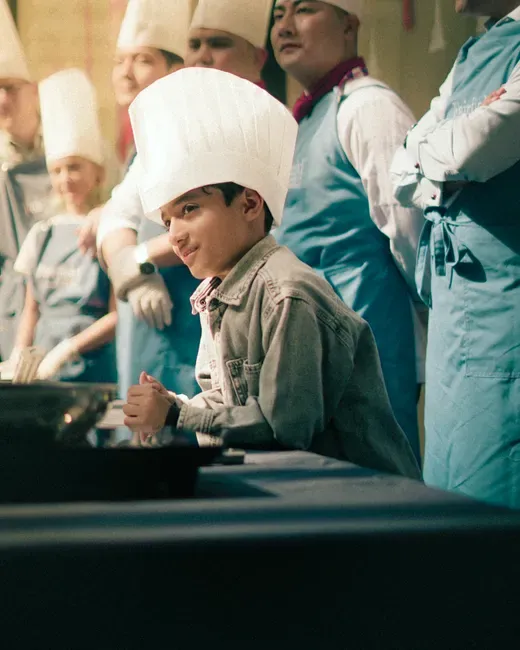
7. Taking a cooking or baking class (Image Credits: Pexels)
Cooking classes put a small group of strangers through the same minor chaos, chopping, timing, and occasionally burning something, which tends to build camaraderie fast. There is a shared goal at the end of the session, usually a meal everyone gets to eat together, which naturally extends the social window past the instruction itself. Many culinary schools and community centers run recurring series rather than one off classes, which helps regulars recognize each other.
The hands on nature also removes a lot of social pressure. Conversation happens sideways, while hands are busy, rather than face to face, which tends to feel more comfortable for people who are not naturally chatty. It is also one of the few hobbies on this list that produces something tangible to bond over immediately.
8. Joining a community choir or music group
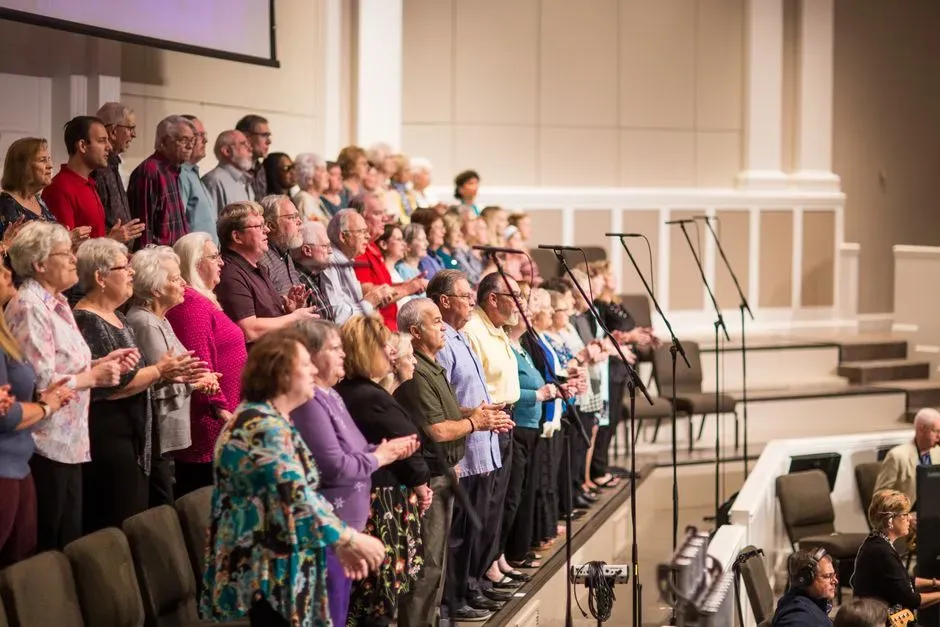
8. Joining a community choir or music group (Image Credits: Pexels)
Singing or playing music in a group setting creates a specific kind of bond that is hard to replicate elsewhere. Rehearsing together week after week means learning to listen closely to other people, literally, and that kind of coordinated effort tends to build trust quickly. Community choirs in particular are usually open to all skill levels, so the barrier to entry is lower than most people assume.
These groups also tend to have built in social events, from post rehearsal gatherings to performances that double as reunions with friends and family. Because rehearsals happen on a fixed schedule, members see the same people consistently, which is exactly the kind of repeated exposure that turns acquaintances into friends over time.
9. Hiking with an outdoors club
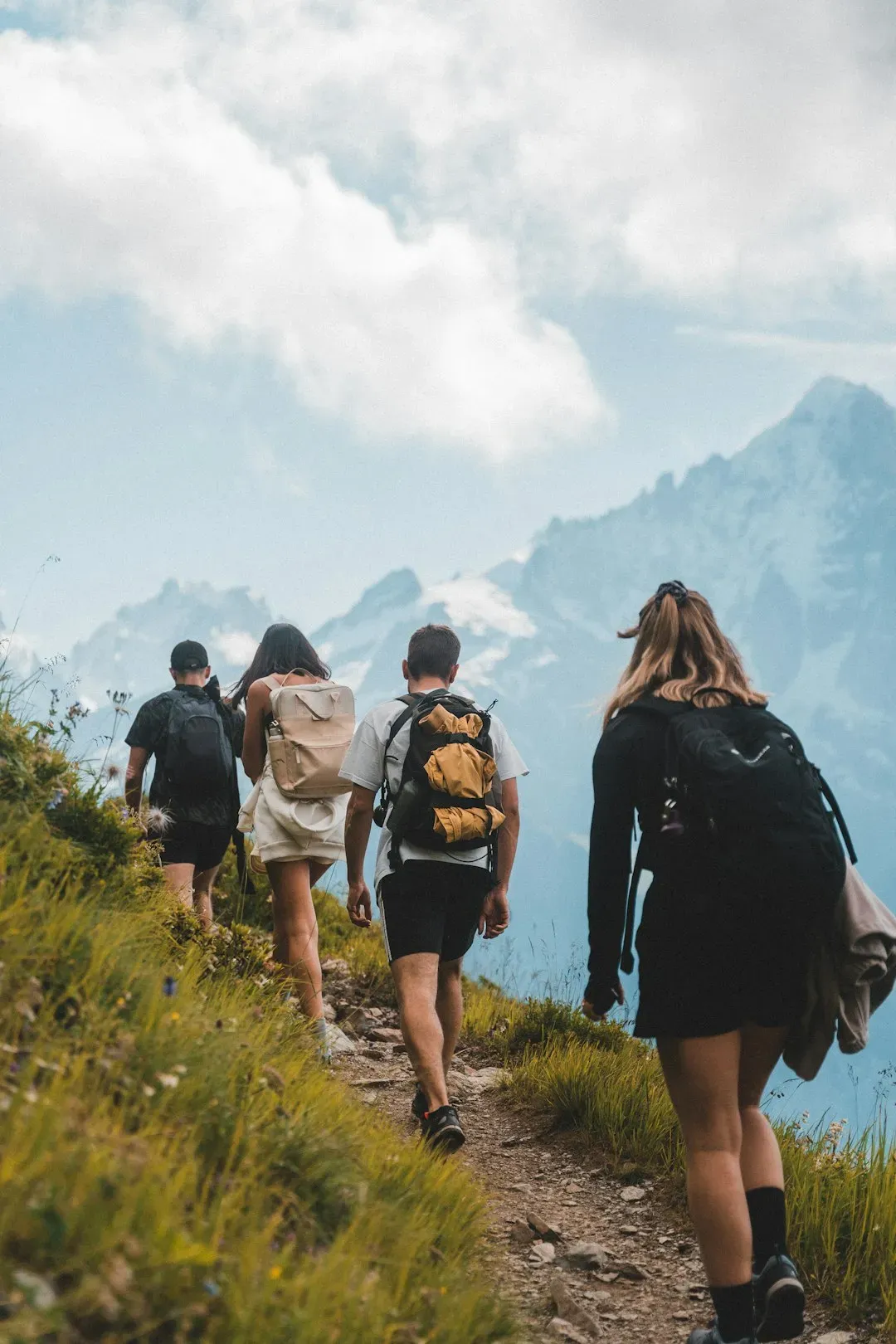
9. Hiking with an outdoors club (Image Credits: Unsplash)
Outdoor and hiking clubs offer something unique, long stretches of time spent side by side with nothing to do but talk or enjoy the quiet. That combination tends to produce more relaxed, unforced conversation than settings where people are staring at each other across a table. Many cities have Meetup based hiking groups that organize weekend trips ranging from easy walks to serious day hikes.
The shared physical challenge also matters. Helping someone up a rocky section or pacing a slower member of the group builds a small but real sense of teamwork. Because these groups often repeat the same trails or meet on a regular schedule, familiar faces tend to reappear trip after trip.
10. Trying improv or theater classes
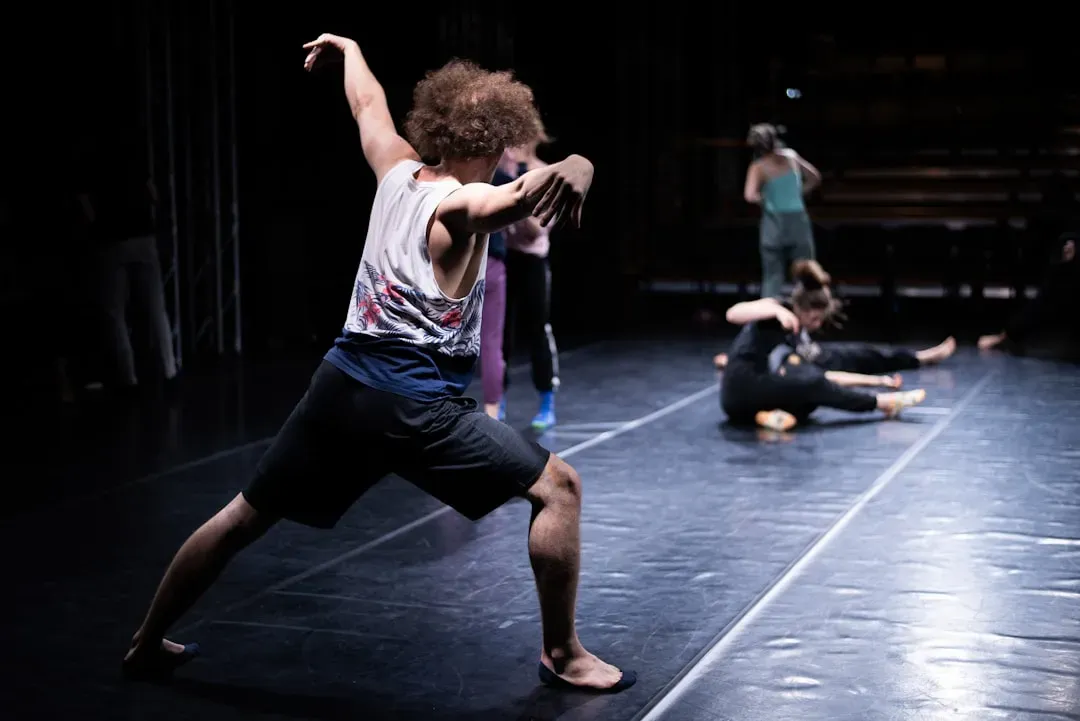
10. Trying improv or theater classes (Image Credits: Unsplash)
Improv classes force people out of their comfort zone almost immediately, and that shared vulnerability tends to accelerate friendships in a way slower paced hobbies cannot. Everyone in the room is equally nervous during the first few sessions, which levels the playing field regardless of experience or personality type. Local theaters and comedy clubs often run beginner focused workshops specifically designed for newcomers.
The exercises themselves also require constant collaboration, since improv only works when participants actively support each other's ideas. That built in cooperation, repeated over weeks of classes, tends to produce a tighter social group than hobbies where people can quietly opt out of interacting. Many students end up staying involved long after the class ends, joining house teams or informal practice groups that meet outside the studio.
Picking a hobby from this list is really just picking a setting where showing up repeatedly is part of the deal. None of these activities guarantee friendship on the first try, but the structure, the recurring schedule, the shared goal, the low pressure format, does most of the heavy lifting that solitary hobbies simply cannot offer.