
There’s a moment for almost everyone when investing stops feeling like something other people do and starts feeling like something you should probably be doing too. Maybe it’s a raise, a milestone birthday, or just scrolling past one too many retirement calculators. The tricky part is knowing whether that instinct is actually backed by financial readiness, or whether it’s just timing and FOMO talking.
Investing rewards people who show up prepared, not people who show up first. Below are nine practical signs that suggest your financial foundation can actually support the leap, rather than crack under it.
1. You've cleared your high-interest debt

1. You've cleared your high-interest debt (Image Credits: Unsplash)
If you're still carrying a balance on credit cards, this is usually the first hurdle to clear before anything else. Average credit card interest rates have been sitting in a historically high range through 2026, with average credit card interest rates around 20 to 22 percent APR in 2026, near historic highs. That kind of interest compounds against you daily, and no diversified stock portfolio reliably outpaces it over time.
Paying off a five thousand dollar balance at typical rates can take years and cost thousands in interest if you only make minimum payments, according to multiple lender calculators. If your debt is gone, or limited to low-interest obligations like a mortgage or a modest auto loan, that's a real green light. Investing while still bleeding money to credit card interest is essentially fighting a losing math problem before you even start.
2. You have a real emergency fund, not just good intentions

2. You have a real emergency fund, not just good intentions (Image Credits: Unsplash)
An emergency fund isn't optional cushioning, it's the thing that keeps a car repair or a layoff from turning into a credit card spiral. Financial experts generally point to a similar range here. Experts commonly recommend saving three to six months of expenses in case of emergencies. That range still holds up as the baseline heading into the back half of 2026, even as some planners now nudge higher-risk earners toward the top of that scale.
The uncomfortable truth is that a lot of people skip this step entirely. Just 47% of Americans indicate they have sufficient liquidity or access to funds to cover a $1,000 emergency expense, based on Bankrate's most recent survey data. If you've actually built that cushion, sitting in a high-yield account rather than a checking account earning almost nothing, you've done something a large share of the population hasn't managed yet.
3. Your income feels stable, not shaky

3. Your income feels stable, not shaky (Image Credits: Unsplash)
Investing works best when you're not one bad month away from needing to cash out your holdings early. That doesn't mean you need a corner office or a pension, but it does mean your paycheck, freelance income, or business revenue has shown some consistency over recent months. If you're constantly guessing whether next month's bills will be covered, the market is not where that uncertainty needs to live.
Stability also means you've thought about what happens if income dips temporarily. Freelancers and commission-based workers often need a longer runway before investing aggressively, simply because their cash flow swings more. If your income pattern lets you plan a few months ahead with reasonable confidence, that's a meaningful sign you're ready to commit some of it to long-term growth instead of short-term survival.
4. You're not leaving free money on the table at work
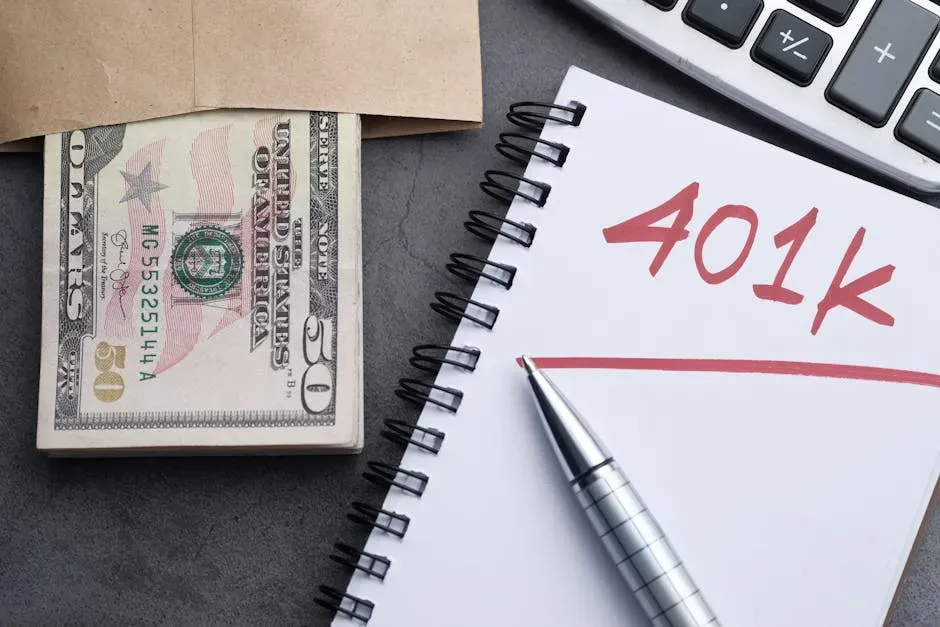
4. You're not leaving free money on the table at work (Image Credits: Pexels)
If your employer offers a 401k match and you're not contributing enough to get the full match, that's usually the very first investing move to make, even before opening a separate brokerage account. It's return on investment that no stock pick can guarantee. Being ready to invest often starts with making sure this box is already checked, because skipping it means turning down guaranteed money.
Once you're capturing that match, you've effectively already started investing in a low-effort, tax-advantaged way. That puts you a step ahead of people who haven't touched their workplace retirement plan at all. If this piece is already handled, it's a strong signal you're mentally and financially oriented toward building wealth rather than just spending what comes in.
5. You know roughly how much risk you can stomach

5. You know roughly how much risk you can stomach (Image Credits: Unsplash)
Risk tolerance isn't just a personality quiz question, it's something you find out by imagining your account dropping twenty or thirty percent and asking honestly how you'd react. Some people would hold steady, others would panic-sell at the worst possible moment. Knowing which one you are, even approximately, matters more than knowing which stock to buy first.
This kind of self-awareness usually comes from having thought through your timeline and your temperament together. Someone investing for a house down payment in two years should think very differently than someone investing for retirement in thirty. If you've genuinely considered how a downturn would affect your decisions rather than just your account balance, you're approaching this with the right mindset.
6. You have a clear reason and timeline for investing
6. You have a clear reason and timeline for investing (Image Credits: Unsplash)
Vague goals like wanting to grow your money tend to produce vague, inconsistent behavior. Specific goals, retiring at a certain age, funding a child's education, buying a home in seven years, give your investment choices actual structure. The timeline shapes everything from which accounts you use to how much volatility makes sense to accept.
This clarity also helps you avoid chasing trends that don't fit your actual plan. Someone with a twenty-year retirement horizon doesn't need to worry much about short-term market swings, while someone saving for a wedding next year probably shouldn't be in stocks at all. If you can state your goal and rough timeframe in a sentence or two, you already have more direction than a lot of first-time investors.
7. You track your spending and know your numbers

7. You track your spending and know your numbers (Image Credits: Pexels)
You don't need a color-coded spreadsheet, but you should have a reasonable sense of what comes in, what goes out, and what's left over each month. Without that, it's genuinely hard to know how much you can invest consistently without accidentally shorting your rent or your emergency fund. Budgeting isn't glamorous, but it's the quiet infrastructure that makes steady investing possible.
People who track their cash flow, even loosely, tend to catch problems early, like a subscription creep or lifestyle inflation eating into savings potential. That awareness translates directly into investing discipline, because automating a monthly contribution only works if you actually know you can afford it. If you can answer, without much digging, how much surplus you have each month, that's a practical sign of readiness.
8. You've covered the basics with insurance

8. You've covered the basics with insurance (Image Credits: Unsplash)
Health insurance, and often disability or renters or auto coverage depending on your situation, function as a financial backstop that protects your investments from being wiped out by a single bad event. Fidelity specifically flags this alongside emergency savings as foundational protection. Be sure to have adequate health and disability insurance coverage. Without it, a medical emergency can force you to liquidate investments early, often at the worst possible time.
This isn't about over-insuring every possible scenario, it's about closing the gaps that could realistically derail you. If a major illness or accident happened tomorrow, would you be financially wiped out, or just inconvenienced? If it's the latter, your investing foundation is more solid than it might feel day to day.
9. You can imagine holding through a downturn without panicking

9. You can imagine holding through a downturn without panicking (Image Credits: Pexels)
Markets go down. Not occasionally, regularly, and sometimes sharply. The investors who do well over decades aren't the ones who avoid downturns, they're the ones who don't sell everything the moment headlines turn scary.
If you can genuinely picture a thirty percent drop in your portfolio and still plan to leave your money invested, rather than pulling it out in a panic, that's arguably the most important sign on this list. It reflects an understanding that investing is a long game, not a short-term bet. That mental steadiness, more than any specific dollar amount saved, is often what separates people who build wealth over time from people who get burned by one bad year and quit.
None of these nine signs require perfection. Few people check every box completely before they start, and that's fine, since investing itself is often the process that sharpens financial habits further. What matters more is honesty about where you actually stand right now: debt levels, cash reserves, income stability, and your own temperament under pressure. Get most of these lined up, and the decision stops being a leap of faith and starts being a reasonably calculated next step.