
Walking into a car dealership feels deceptively casual. There’s free coffee, a friendly handshake, and someone who seems genuinely interested in helping you. The problem is, the moment you open your mouth, certain phrases signal to a trained salesperson exactly how much you know – and how much you don’t. That gap in knowledge is where the real money gets made.
Salespeople practice these skills daily, whereas the average car buyer purchases a car only every five years or so. It genuinely isn’t a fair fight. The phrases below aren’t just awkward things to say – they’re signals that cost real buyers real money. Here’s what to stop saying, and why it matters.
1. "What's the Monthly Payment on This?"

1. "What's the Monthly Payment on This?" (Image Credits: Unsplash)
The whole point of a payment-focused conversation is to move a buyer's mind away from the total price of the vehicle. As sales managers are trained to do, talking about monthly payment obscures the variables that are profit centers for the dealership. When you lead with this question, you've already handed over control of the negotiation before it starts.
The monthly payment is the primary budgetary concern for most buyers, so it's easy to shift their focus onto it. Raising the monthly payment by just $20 typically raises the purchase price by about $1,000. Inflating the assumed interest rate in calculating payments at the beginning also allows wiggle room to maximize the purchase price or sell warranties and accessories. Always anchor to the total out-the-door price first.
2. "I Need a Car by the End of the Week"

2. "I Need a Car by the End of the Week" (Image Credits: Pexels)
Sharing your maximum budget can limit your room to negotiate. If you express a strong interest in a particular vehicle or say you urgently need a new car, the salesperson might use it to their advantage by offering you the vehicle at a higher price or rushing you to make a decision. Urgency is information, and it's information that works against you.
A salesperson may quickly psychologically profile you. They'll try to figure out what you need the most. For instance, if you mention that you need a car for work, they will try to make it seem dire by continuously bringing up how your career depends on it. The less personal context you volunteer, the less leverage they have over you.
3. "I Love This Car"

3. "I Love This Car" (Image Credits: Pexels)
The goal is to create an emotional attachment between the buyer and the product – the car. This emotional connection can cloud rational judgment and make the buyer more receptive to the salesperson's suggestions. Saying you love a specific vehicle out loud is essentially telling the salesperson that you're already sold, which removes nearly all negotiating room.
The customer needs to want the car so badly that they'll do whatever it takes to make it happen – that emotion is what makes them more flexible throughout the negotiation. Salespeople learn about the customer's wants and desires, then paint the vehicle into their life so well that they can't imagine any other vehicle helping them more. Keep your enthusiasm internal. A poker face isn't rude – it's practical.
4. "What's My Budget? About $500 a Month"

4. "What's My Budget? About $500 a Month" (Image Credits: Pexels)
To move the conversation away from total price and toward monthly payments, a salesperson might ask about a monthly budget. If you tell a salesperson you're willing to pay $500 a month, the salesperson is trained to say, "Got it – $500 up to?" in the hopes you'll increase what you're willing to pay. That one phrase can add thousands to your final cost simply by anchoring you to a payment ceiling instead of a price.
Not focusing on the payment is one of the most critical parts of the car-buying process, but it's also the one buyers most frequently ignore. While you need a car payment that fits into your monthly budget, focusing on the monthly payment alone is the fastest way to getting a horrible deal. State a target price, not a target payment. Those are very different numbers.
5. "I'm Thinking About Trading In My Old Car"

5. "I'm Thinking About Trading In My Old Car" (Image Credits: Pexels)
Dealers like to move money around to confuse car buyers about how much they're really getting in the deal. If you mention you want to trade in a car upfront, you're opening the door to a shell game. The salesperson will focus on what you want to get for your trade and may artificially inflate the trade allowance to get you to say yes – leaving no room to negotiate on the price of the new car.
A car salesperson can use your trade-in as a bargaining tool to convince you to spend more on a new car. Dealers will often offer a competitive trade-in value to encourage your business, but it's generally lower than what you could get from selling your car directly. The salesperson may offer a higher trade-in value in order to encourage you to buy a car with a high price tag or tack on unnecessary extras. Ultimately, this doesn't save you much on the purchase.
6. "I'm Already Pre-Approved, but Let Me Hear Your Rate"
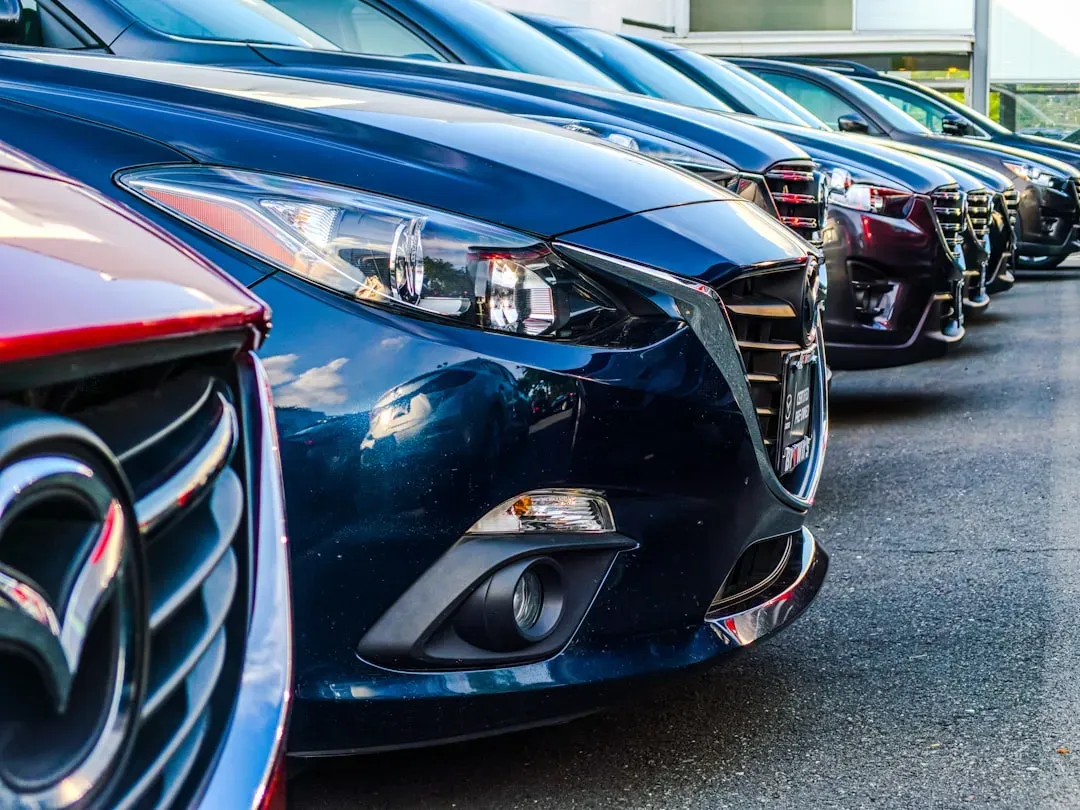
6. "I'm Already Pre-Approved, but Let Me Hear Your Rate" (Image Credits: Unsplash)
An easy way to give the dealership the upper hand is to have them arrange your financing – committing you to one of the most profitable products a car dealership sells. Adding financing into the negotiation process also gives them another, often confusing, lever they can adjust. Casually inviting a rate comparison sounds reasonable, but it signals you may be open to switching your financing – which is exactly what the dealership wants.
The finance office marks up the interest rate from a bank loan and keeps the difference. That markup isn't always obvious, and it compounds over the life of a loan. Go in with your best rate locked from a credit union or bank, and treat the dealership's offer purely as a comparison, not a default.
7. "Sure, What Does That Add-On Cost Per Month?"

7. "Sure, What Does That Add-On Cost Per Month?" (Image Credits: Pexels)
Payment packing is when a car dealer inflates your monthly payment without you realizing it. Your actual monthly payment should be, say, $300 on a loan. The dealer might get you to agree to $350 per month – that $50 overhead is the "leg." Once you agree to the inflated payment, the finance or warranty salesperson could step in and offer to include an extended warranty, GAP insurance, or other fees, while keeping your payment "the same." In reality, your payment should be much lower, and these extras are what's driving it up.
Consumer Reports found that the majority of buyers never use their extended warranties. Those who do still end up losing money, since the average price of the warranty exceeded the average cost of the repairs they covered. Asking about add-ons in monthly payment terms is precisely how a $1,500 extended warranty turns into a nearly invisible line item that costs you far more over time.
8. "The Other Dealer Quoted Me [X Price] – Can You Beat It?"
![8. "The Other Dealer Quoted Me [X Price] - Can You Beat It?" (Image Credits: Pexels)](https://nvmwebsites-budwg5g9avh3epea.z03.azurefd.net/onpoint/8c40221d130c1bf01d1d204334e96a4f.webp)
8. "The Other Dealer Quoted Me [X Price] – Can You Beat It?" (Image Credits: Pexels)
This one seems smart but often backfires. When you reveal a competitor's specific number upfront, you've given the salesperson a precise floor to negotiate just barely beneath. Every decision you make on the spot gives the salesperson an opportunity to nudge you in the direction of buying more. After all, if you're spending thousands on a car, what's another few hundred?
One would expect that with the wealth of information available online, salespeople would have dropped these tricks by now. The fact that they haven't suggests that many buyers don't do their research. If you do your homework, it will be obvious when a salesperson didn't do you any favors – or may even have tried to trick you. A better approach is to have written quotes in hand without disclosing the exact numbers until you're deep in the negotiation.
9. "If the Numbers Work Out, I'll Buy Today"

9. "If the Numbers Work Out, I'll Buy Today" (Image Credits: Pexels)
A common move is when a salesperson asks you to initial a piece of paper next to a promise to buy the car if the numbers are agreeable. Sales managers may come out and say something like, "Doesn't your word mean anything?" – but this is simply an attempt to guilt you into completing the sale. Saying this phrase voluntarily, without being asked, sends the same signal: you're emotionally ready to commit, and urgency can now be used against you.
There's a chance a car salesperson will pressure you to buy now or lose out on the deal. Salespeople might tell you there's a special offer about to expire or another buyer is interested in the car you want to purchase, even if it's not true. This is used to create a sense of urgency and get you to move forward with a purchase you may not have been prepared to make. Once you signal that you're ready to buy today, that manufactured urgency becomes your problem, not theirs.
10. "I'm Not Really Great at This Stuff"

10. "I'm Not Really Great at This Stuff" (Image Credits: Pexels)
Nothing makes a car sales rep happier than someone who stumbles onto the lot with a good credit score and zero knowledge about cars. Saying this out loud – or any version of it – is an open invitation. Salespeople are trained observers, and they pick up on hesitancy, deference, and self-doubt fast. Admitting inexperience early is effectively asking to be led rather than served.
Sellers who see that you are well prepared will be less inclined to try to charge you more without adding value in some way. Confidence doesn't require expertise. Simply knowing your target price, your trade-in value, and your financing rate in advance puts you in a different category entirely – one that earns respect rather than marks you as a soft target.
Car buying doesn't have to be a contest, and most dealerships aren't operating in bad faith. Still, the commission-based structure creates real incentives that push conversations in directions that benefit the house. In 2025, the average new car sells for nearly $49,000, which means the stakes of a poorly managed negotiation are higher than ever. The phrases above aren't just slips of the tongue – they're windows into how prepared you are. Close those windows before you walk through the showroom door, and the conversation shifts in your favor before a single number hits the table.