
Something quietly persistent runs through American family life. Schedules fragment, households shrink, and the country keeps reinventing itself – yet certain rituals hold on with surprising tenacity. When Americans are asked to name their top personal values, family stands out above everything else. That instinct toward connection doesn’t just live in the abstract; it shows up in the specific, repeated things families actually do together.
Still, not every tradition is aging gracefully. Some are being reshaped by economics and technology, others simply crowded out by modern life. Here is a look at four that remain deeply embedded in American culture – and two that are quietly slipping away.
1. Thanksgiving Gathering: The Holiday That Refuses to Quit
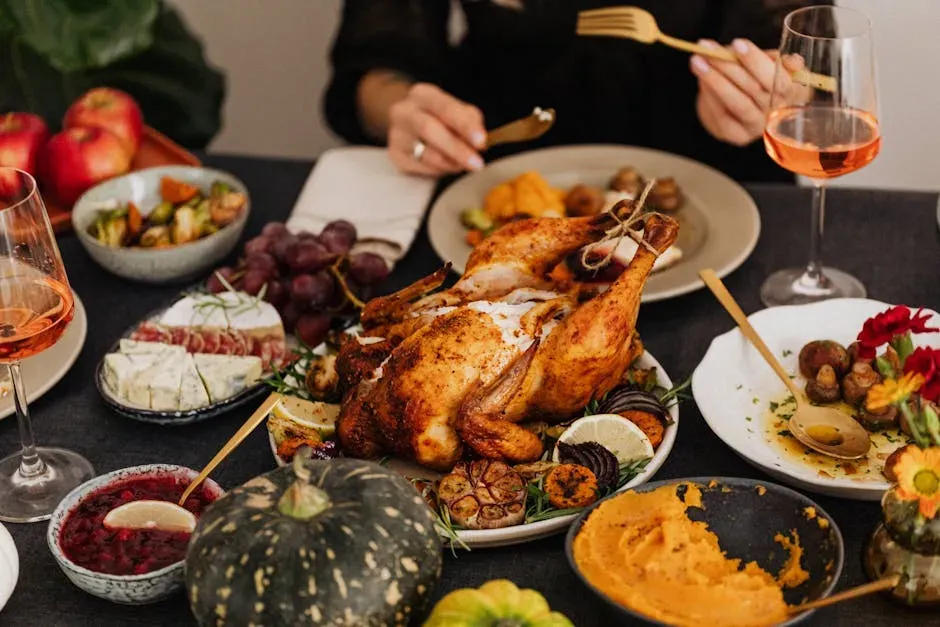
1. Thanksgiving Gathering: The Holiday That Refuses to Quit (Image Credits: Pexels)
Few traditions carry more cultural weight than Thanksgiving, and the numbers back that up completely. According to consumer polling from the National Turkey Federation conducted in late 2025, Thanksgiving traditions are thriving, with ninety-four percent of Americans planning to celebrate the holiday. That's not a modest majority – that's nearly universal participation across a country famous for disagreeing on almost everything else.
The actual gathering piece of the tradition is also holding firm. Eighty-seven percent of those who celebrate say turkey is part of their holiday meal most years, and the vast majority of gatherings include three to ten guests, with more than half of Americans planning to host – reinforcing that Thanksgiving remains a time to gather, share, and give thanks. Interestingly, the share of celebrators planning to have a larger gathering has decreased slightly in recent years, while those celebrating with just immediate family have increased by a similar margin – suggesting the tradition is becoming more intimate rather than disappearing.
2. Holiday Gift-Giving and Seasonal Family Rituals
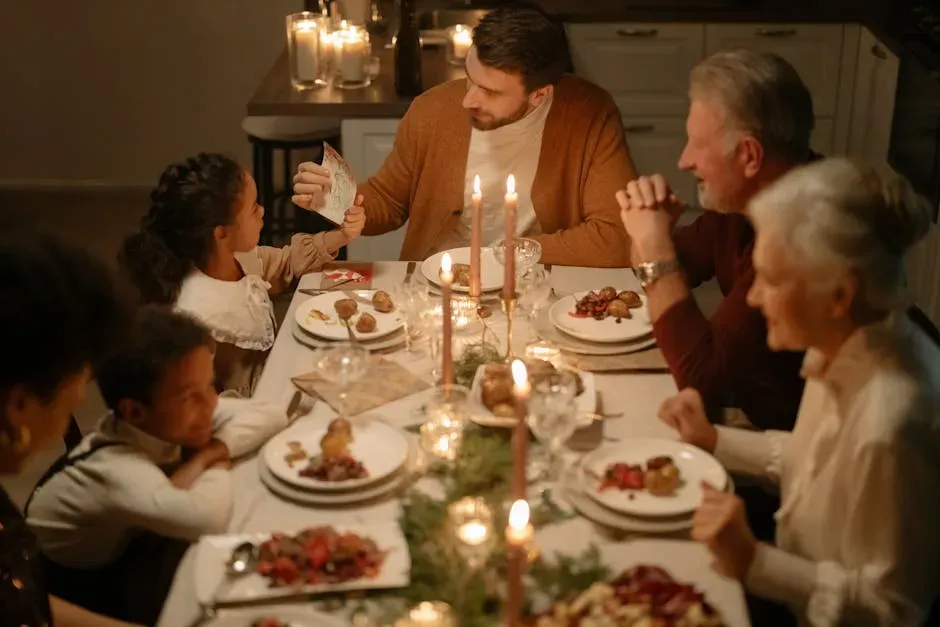
2. Holiday Gift-Giving and Seasonal Family Rituals (Image Credits: Pexels)
Beyond Thanksgiving, the broader pattern of seasonal family rituals – gathering for birthdays, winter holidays, and milestone events – remains one of the most durable anchors of American family life. About three-quarters of U.S. adults rate spending time with family as one of the most important things to them. That sentiment doesn't stay abstract; it tends to crystallize around calendared events, where families make deliberate effort to show up for each other.
Traditions provide a sense of stability and comfort, grounding people in a familiar routine and offering a framework for life's milestones. The resilience of holiday rituals makes sense in that light. Even as lifestyles diverge and families scatter geographically, the predictable return to shared celebration gives people something to organize their year around. The tradition adapts – people video call in, travel farther, or simplify the menu – but the impulse to mark the season together persists.
3. Saying Grace or Giving Thanks at the Table
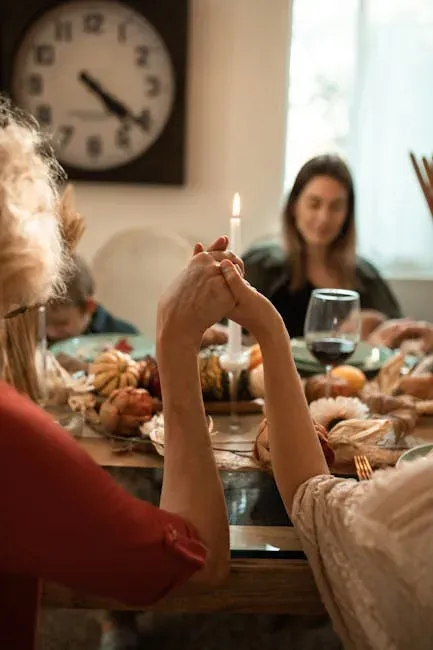
3. Saying Grace or Giving Thanks at the Table (Image Credits: Pexels)
Expressing gratitude around a shared meal is a tradition that crosses religious and secular lines more than many people assume. Expressing gratitude is a hallmark of Thanksgiving specifically, with around two-thirds of Americans saying someone at their dinner typically says grace or shares what they are thankful for. That's a notably high number for a practice that requires a brief pause in a culture that rarely slows down.
Religious affiliation shapes how this plays out – with the vast majority of White evangelical Protestants and Black Protestants saying prayers are customary at their gatherings – but even atheists and agnostics participate in some expression of gratitude at the table. The tradition, in other words, has proven flexible enough to survive shifting religious identity. Whether it's a formal blessing or simply going around the table to name something good, the ritual of pausing to acknowledge what you have remains quietly widespread.
4. Passing Down Cultural Food Traditions
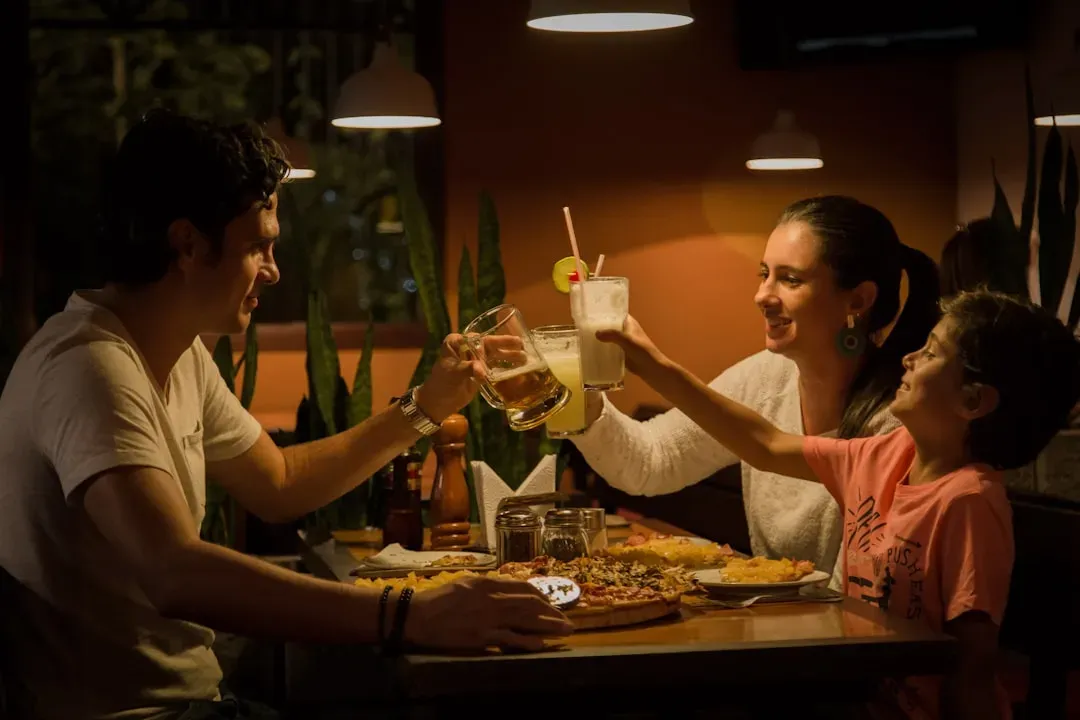
4. Passing Down Cultural Food Traditions (Image Credits: Unsplash)
Food is one of the most durable vehicles for family memory and cultural identity in America. Specific recipes, cooking techniques, and regional dishes get handed down across generations with a kind of informal devotion that few other customs can match. Family and friends come together for a traditional shared dinner, with a typical American holiday meal featuring dishes that have remained largely unchanged across decades. The particulars vary enormously by region, ethnicity, and family history, but the underlying act of cooking and eating ancestral food together persists.
There are signs of evolution here, not abandonment. Health-forward swaps including plant-based main dishes are becoming more popular at family tables, and with one in three gatherings including someone with a dietary restriction, inclusivity is now a standard practice. Families are adjusting recipes and adding new dishes to accommodate different needs, but the core impulse – to cook something meaningful and share it – stays intact. Food traditions may be the most adaptable of all, because they absorb change without losing their emotional center.
Fading Fast: The Daily Family Dinner
Fading Fast: The Daily Family Dinner (Image Credits: Pexels)
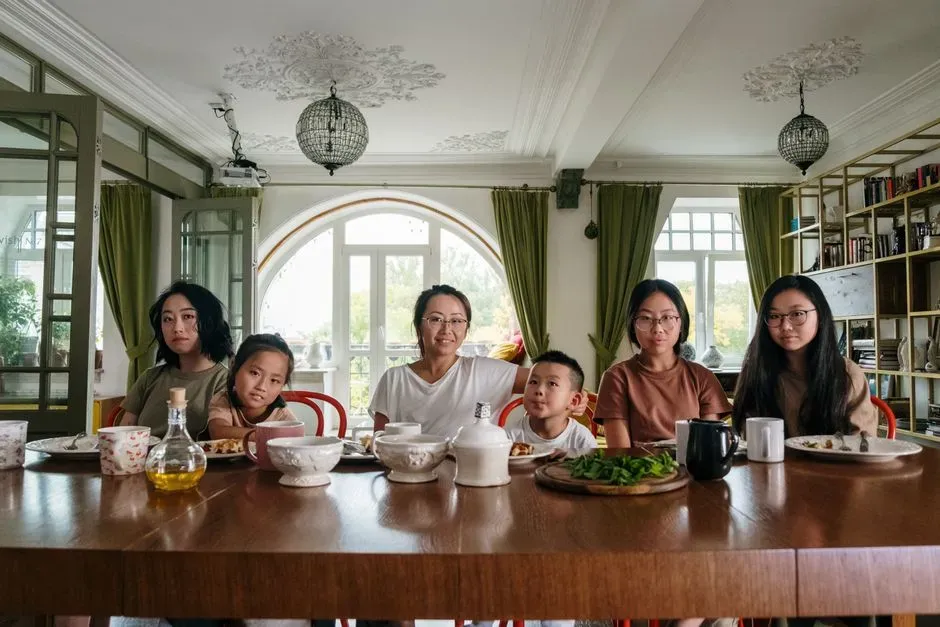
The nightly family dinner – everyone at the table, same time, every evening – was once so routine it barely needed a name. That consistency is now genuinely rare. There was a time when family dinner was predictable, with everyone gathered at the same table, at the same time, night after night. Today, that consistency is rare, with work schedules, evening sports, music lessons, and long commutes making it nearly impossible to get everyone home and seated at once.
Fewer Americans growing up today have regular meals with their family, a practice that was routine a generation ago. Research shows that roughly three in five Gen Xers said they had family meals every day growing up, compared with fewer than half of Millennials. The decline isn't total – a comprehensive look at more than forty years of data shows that the share of American families eating dinner together has held remarkably constant after a steep decline during the 1980s and early 1990s – yet the everyday habit, as opposed to the occasional shared meal, has clearly lost ground.
Fading Fast: The Religious Wedding Ceremony

Fading Fast: The Religious Wedding Ceremony (mikecogh, Flickr, <a href="https://creativecommons.org/licenses/by-sa/2.0/" target="_blank" rel="noopener">CC BY-SA 2.0</a>)
For most of American history, getting married meant getting married in a church, synagogue, or religious institution. That default has eroded significantly in recent decades. Newly married couples are increasingly stepping away from religious wedding ceremonies that once connected them to existing traditions and communities, preferring instead celebrations that reflect their own personal tastes and preferences. The shift is real and measurable.
The American religious landscape has undergone a remarkable transformation over the past several decades, with the number of Americans who are religiously unaffiliated increasing nearly sixfold over the past three decades. More recent marriages are far more likely to be among couples who are both secular – with only three percent of couples married before 1972 in secular marriages, compared to sixteen percent of couples married in the past decade. The religious ceremony isn't gone, but it has shifted from assumption to active choice – and a growing share of Americans are choosing something else entirely.
What emerges from all of this is a portrait of a culture that is selective rather than uniformly traditional. The rituals that endure tend to be the ones that center on presence, gratitude, and shared food – things that are hard to replicate digitally and easy to value across religious, generational, and political lines. The ones fading are those most tied to institutional life and daily routine, both of which have been under sustained pressure for years. Traditions don't disappear overnight. They thin out slowly, until one generation realizes the habit simply didn't transfer.