
There’s a kind of quiet power that grandparents hold in a family. It doesn’t announce itself. It shows up in the way a child handles disappointment, the foods they gravitate toward, the stories they carry into adulthood. Much of it traces back to ordinary habits practiced over years of shared time.
The phenomenon of grandparents caring for grandchildren has become a globally recognized social trend, with grandparents serving as pivotal contributors to childcare, playing a significant role in family life by providing both practical assistance and emotional support. The habits they bring to that role matter far more than most people realize.
1. Sharing Family Stories and History
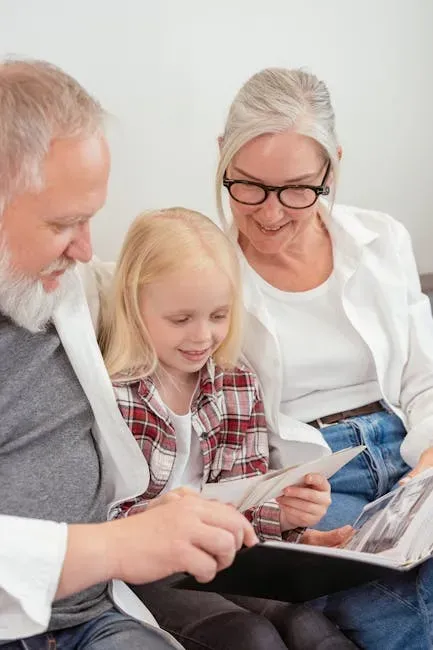
1. Sharing Family Stories and History (Image Credits: Pexels)
Grandparents are a living link to the past and provide a child with a sense of identity and knowledge about ancestors. They can build appreciation for ancestors by acting as a family historian, sharing memories of their own childhood and telling stories about their children, helping grandchildren feel connected to their family.
At least half of adults are able to recall memories of spending holidays with their grandparents, learning about family history from them, or being exposed to cultural traditions by them. That is an extraordinary legacy delivered through ordinary conversation. Grandparents are great informants of family history who can help grandchildren better understand their family roots and self-identity.
2. Modeling Emotional Regulation

2. Modeling Emotional Regulation (Image Credits: Pexels)
Grandparents can play a critical role in helping their grandchildren develop emotional regulation skills. By modeling healthy emotional expression and providing guidance on coping with strong emotions, grandparents can help their grandchildren learn to manage their feelings in healthy and constructive ways.
Research has shown that children with close relationships with their grandparents tend to have better emotional regulation skills, which can lead to improved social and academic outcomes. Furthermore, grandparents' emotional support can significantly impact their grandchildren's mental health. Studies have found that children who have a strong relationship with their grandparents are less likely to experience symptoms of depression and anxiety.
3. Cooking Together and Passing Down Food Culture
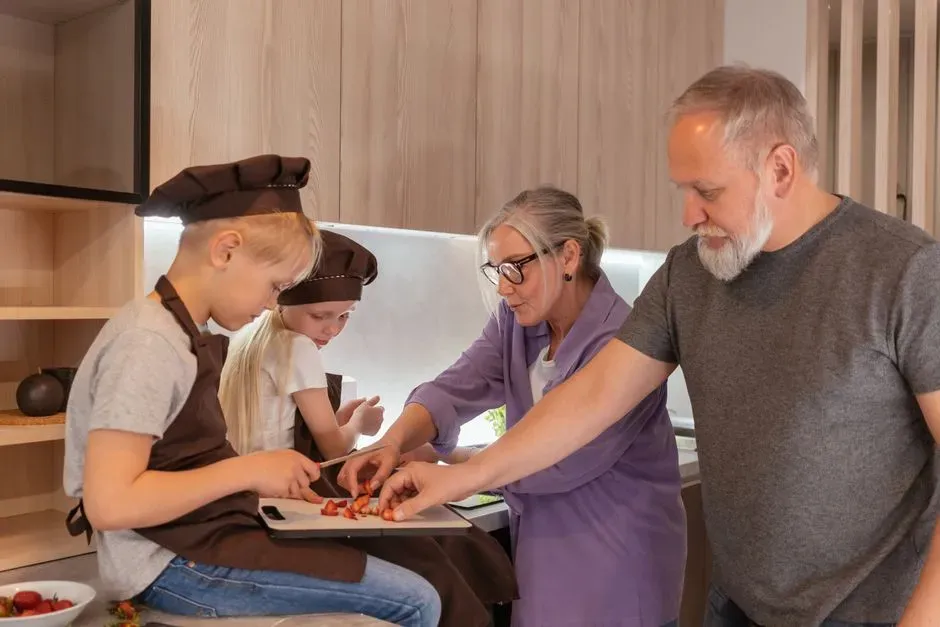
3. Cooking Together and Passing Down Food Culture (Image Credits: Pexels)
Grandparents spoke of cooking and eating as a time for family connection, and several capitalized on opportunities to expose children to diverse foods. This kind of hands-on kitchen time is rarely seen as education, yet it carries some of the most durable lessons a family can transmit.
Recent qualitative research has found that grandparents played an important role in planning and cooking family meals, and that their attitudes influenced their grandchild's nutrition and eating habits. Food norms, rituals, and practices are passed on over generations, making the kitchen one of the most consequential classrooms in any household.
4. Providing a Consistent, Stable Presence
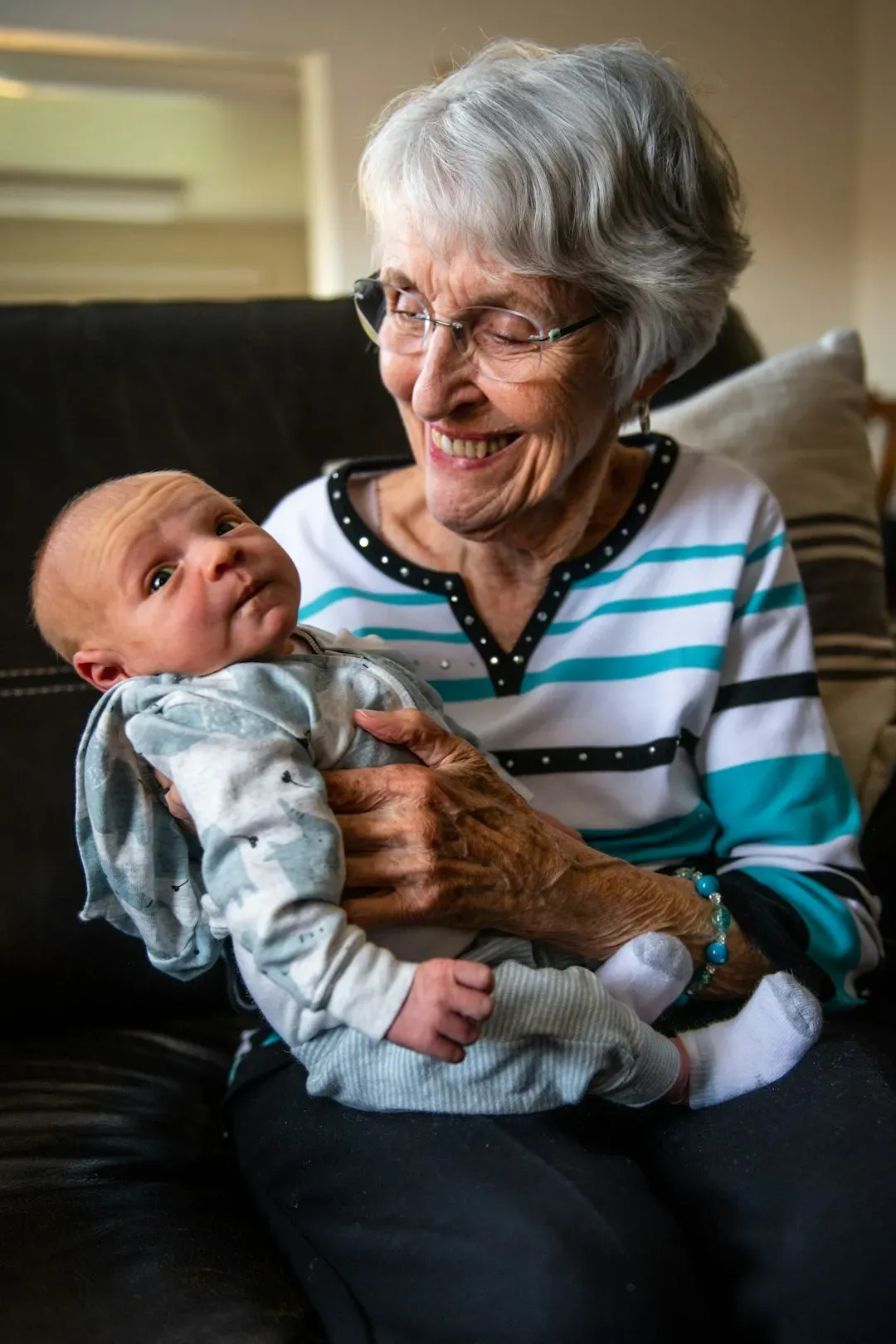
4. Providing a Consistent, Stable Presence (Image Credits: Unsplash)
In the United States, over the vast majority of grandparents report a significant role in their grandchildren's lives, with long-term caregiving responsibilities increasing notably between 2012 and 2021. That consistency itself is a gift. Children who know a grandparent is reliably present develop a broader sense of security that extends beyond their immediate household.
While parents juggle work, school schedules, and daily responsibilities, grandparents can step in to provide stability. They can reinforce the lessons parents are already trying to teach. Over time, that reinforcement compounds into something much more than backup childcare.
5. Transmitting Values Through Everyday Behavior
5. Transmitting Values Through Everyday Behavior (Image Credits: Unsplash)
Research shows that roughly nine out of ten adult grandchildren felt their grandparents influenced their values and behaviors in some way, and that some of their fondest memories came from time spent with their grandparent. This influence rarely comes through lectures or formal lessons.
A grandfather teaching his grandchild how to fix a squeaky door isn't just passing down a skill; he's teaching problem-solving and patience. A grandmother sharing stories about her childhood doesn't just entertain, it fosters a sense of belonging and pride in family history. These everyday interactions are the foundation of something much bigger.
6. Strengthening Cultural and Generational Identity
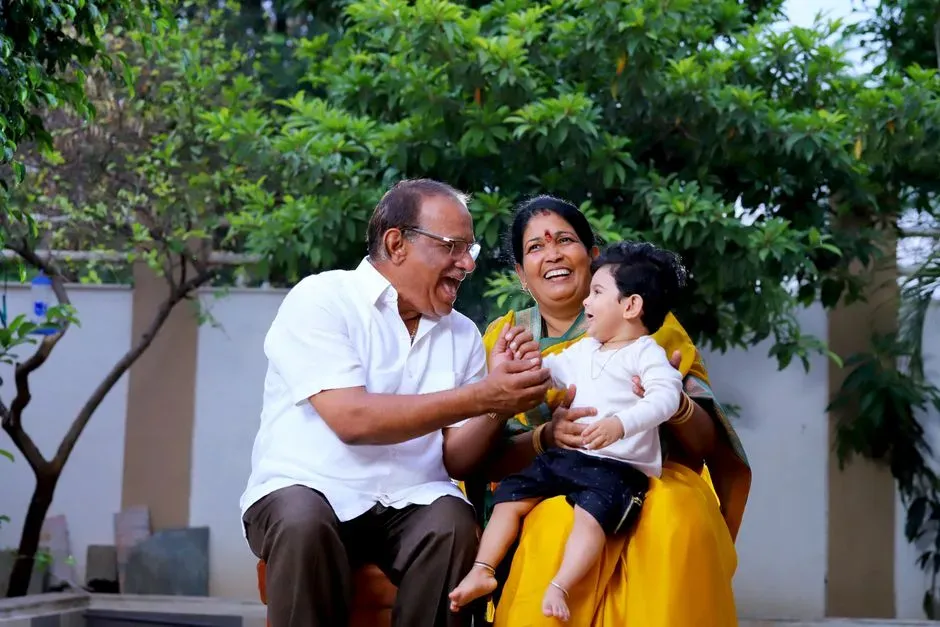
6. Strengthening Cultural and Generational Identity (Image Credits: Pexels)
Grandparents are vital in maintaining a family's cultural and historical identity. They pass down traditions, stories, and values that root younger generations in a sense of belonging. A study by the American Psychological Association found that intergenerational transmission of culture, beliefs, and values strengthens not only family bonds but also provides a strong sense of identity for grandchildren.
Some researchers have called grandparents "keepers of community" because they often interpret and pass on knowledge of events and people in their culture. That role is increasingly significant in a world where digital connection often substitutes for genuine cultural continuity.
7. Supporting Academic Development Through Involvement
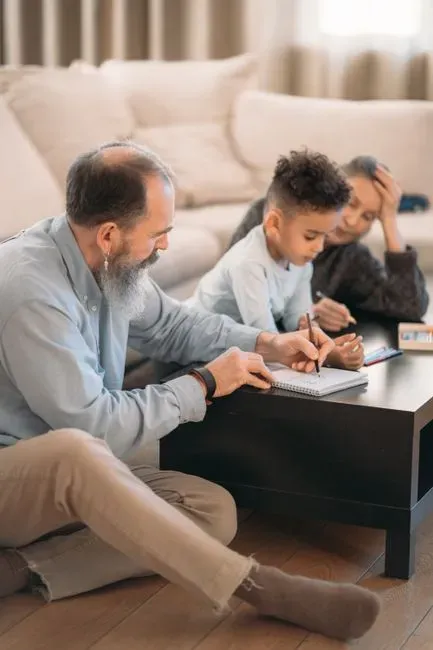
7. Supporting Academic Development Through Involvement (Image Credits: Pexels)
Grandparents' educational attainment has a significant impact on how well their grandchildren develop in both academics and behavioral habits in families where grandparents play a role in raising the children. The effect is not only direct. It also shapes the expectations grandchildren set for themselves.
As the early years are crucial for individuals' lifelong socioeconomic success, extensive research has examined the impact of non-maternal childcare on children's development. Studies suggest that grandparental involvement, defined as grandparent childcare, frequency of contact, and financial support, is positively linked to grandchildren's school grades.
8. Being a Safe Emotional Confidant

8. Being a Safe Emotional Confidant (Image Credits: Pexels)
Children who live closer to their grandparents are more likely to talk to them about their feelings because grandparents spend more time caring for their grandkids. This openness is partly a function of proximity, but it's also a function of how grandparents habitually engage. A grandparent who consistently listens without judgment becomes a trusted outlet that parents sometimes cannot fill.
Grandparents can help their grandchildren develop a sense of belonging and connectedness, providing a buffer against the harmful effects of stress and adversity. That buffer, built through years of genuine presence and patient conversation, often proves most valuable during the turbulent adolescent years.
9. Keeping Traditions Alive Across Generations

9. Keeping Traditions Alive Across Generations (Image Credits: Pexels)
Passing down traditions and values isn't just about preserving the past. It's about creating a sense of identity, unity, and purpose for future generations. Whether it's a favorite holiday recipe, life lessons, or cherished family rituals, these traditions provide a sense of belonging and connection.
Through storytelling, shared experiences, and family traditions, grandparents provide a connection to family roots, enhancing a sense of belonging and contributing to a positive self-image. Intergenerational relationships play a vital role in maintaining family traditions. When grandparents, parents, and children work together, they not only preserve their legacy but also create lasting memories.
The most enduring grandparent habits are rarely dramatic. They're the quiet rituals, the consistent presence, the unhurried conversations. Research continues to confirm what most families already sense: the grandparent-grandchild bond carries weight well beyond childhood, shaping who people become and how they carry family forward.