
There are roughly over 40,000 McDonald’s locations scattered across the globe, and the chain serves tens of millions of customers every single day. Most people think they know exactly what they’re getting when they pull up to those golden arches. They don’t.
Behind the counter, a whole different world operates, one governed by unwritten rules, operational quirks, and carefully guarded kitchen truths. Former employees and corporate insiders have been gradually lifting the curtain, and what they’ve revealed is genuinely surprising. Here are ten things workers were never supposed to tell you.
1. The Ice Cream Machine Isn't Always Actually Broken

1. The Ice Cream Machine Isn't Always Actually Broken (Image Credits: Unsplash)
Former employees have admitted there are times when the ice cream machine works perfectly, yet workers still claim it’s broken. It isn’t out of malice. It’s a move employees make when they’re badly understaffed during a rush.
The machine itself is a complicated piece of equipment that needs to be broken down and cleaned frequently, and only some employees are trained to handle the task. Sometimes that disassembly has to happen during peak hours. According to the tracking website McBroken, approximately one in seven McDonald’s ice cream machines are genuinely broken at any given time, which means the rest of the time, there may be other reasons you’re being told no.
2. Your Fries Aren't Vegetarian (and Most People Have No Idea)
2. Your Fries Aren't Vegetarian (and Most People Have No Idea) (Image Credits: Pexels)
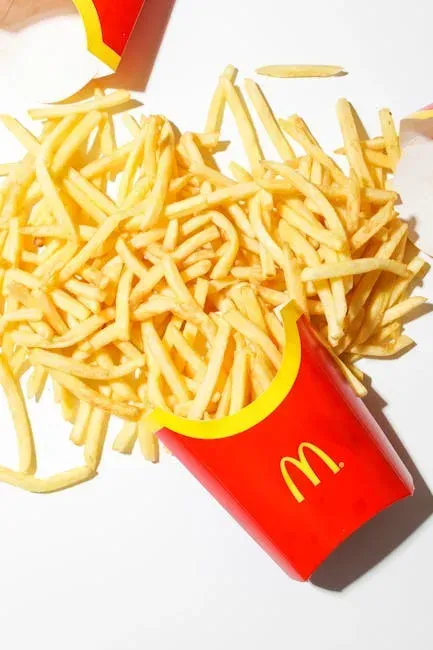
It’s quite shocking to learn that a dish made solely out of potatoes is not vegan, but if you look at McDonald’s ingredient list in the United States, the fries contain “natural beef flavor” and “hydrolyzed milk” as starting ingredients. Many customers assume they’re simply getting potato and salt.
The company used to fry its potatoes in beef tallow. Up until the start of the 1990s, McDonald’s beloved fries had been cooked in beef fat. Customers weren’t happy about the taste change when that stopped, so McDonald’s added beef flavor to the cooking oil in the factories where fries are par-cooked before being frozen and shipped out. So everyone got what they wanted, except vegetarians who didn’t realize what they were eating. Notably, McDonald’s fries are vegan in the UK, but not in the United States, due to natural beef flavoring and milk derivatives.
3. The Big Mac Sauce Recipe Is Simpler Than Anyone Thought
3. The Big Mac Sauce Recipe Is Simpler Than Anyone Thought (Image Credits: Gallery Image)
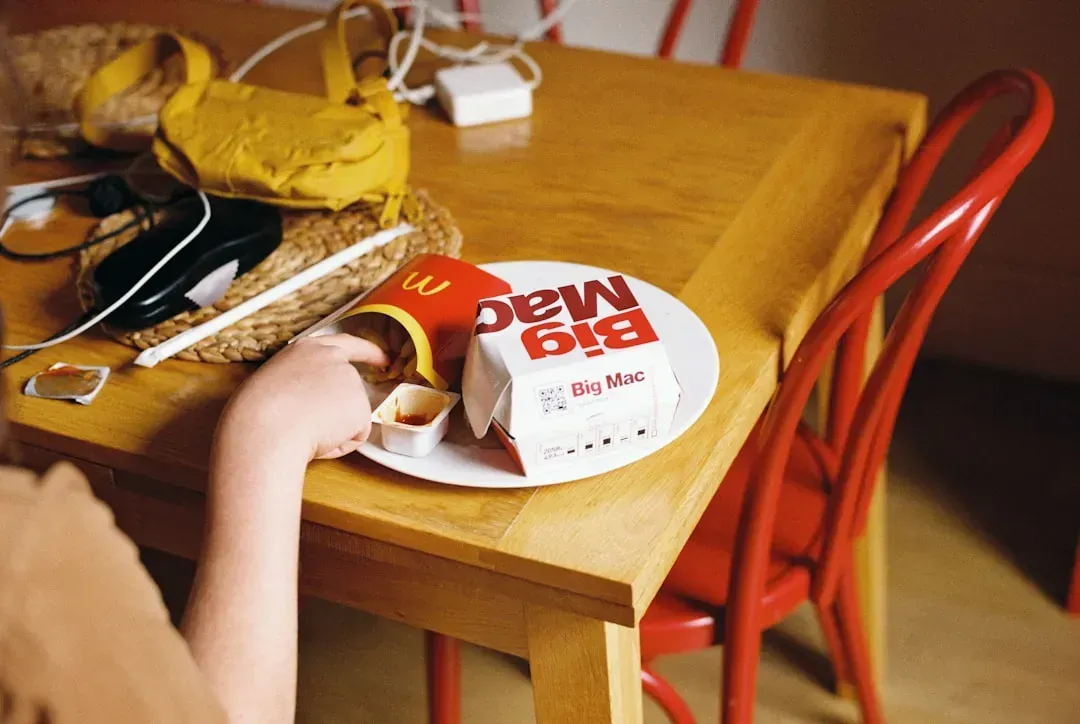
Ketchup may be a popular burger topping, but it’s nowhere to be found in the recipe for Big Mac sauce. Paprika is what gives the sauce its color. The sauce is actually a blend of mayo, sweet pickle relish, Dusseldorf mustard, white wine vinegar, paprika, onion powder, granulated garlic, and white pepper.
Former corporate chef Mike Haracz revealed this detail publicly, and it demystified decades of speculation. McDonald’s burgers have a distinctive taste that people often try to recreate at home, and many assume there’s some secret blend of spices involved. The truth is much simpler: it’s just salt and pepper. The key is getting the proportions exactly right. The ratio is 86% salt to 14% pepper, and getting this balance correct makes all the difference.
4. Not All Eggs Are Created Equal at Breakfast
4. Not All Eggs Are Created Equal at Breakfast (Image Credits: Pexels)
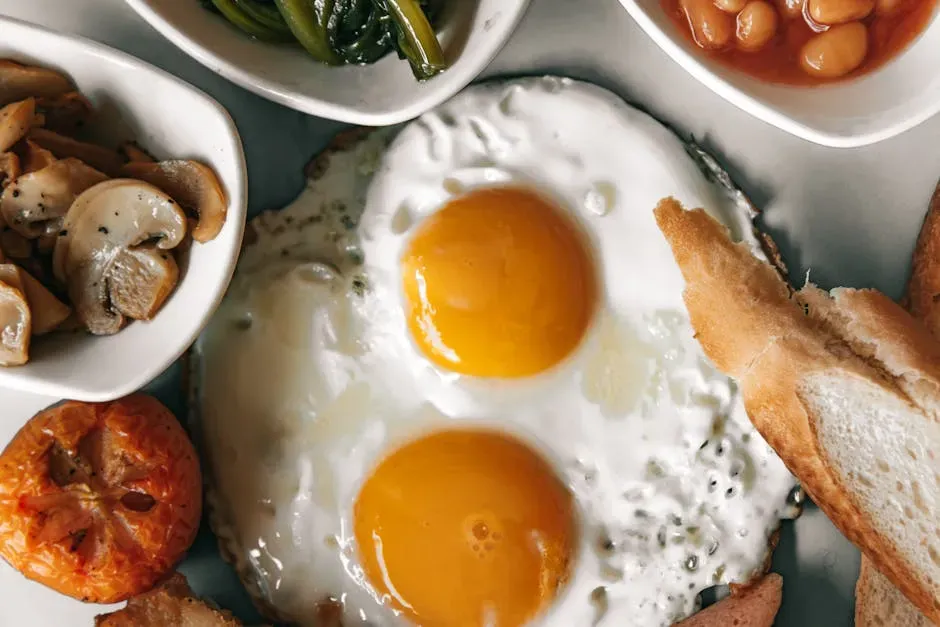
The round egg on a McMuffin comes from a fresh-cracked egg, and that’s why it tastes so good. It’s the freshest option you can get there. It’s cooked in a ring mold so it fits perfectly on the sandwich. Most customers have no idea there’s a quality hierarchy built right into the breakfast menu.
The folded egg is stocked as a frozen, fully cooked egg square and simply heated up before it’s placed on biscuit and bagel sandwiches. McDonald’s also uses liquid eggs for its “Big Breakfast,” which is scrambled eggs served with a biscuit, hash browns, and sausage patty. So what you order for breakfast genuinely determines whether you’re getting something fresh or something from a freezer.
5. The Sweet Tea Has an Alarming Amount of Sugar
5. The Sweet Tea Has an Alarming Amount of Sugar (Image Credits: By redazadi, <a href="https://commons.wikimedia.org/w/index.php?curid=187780839" target="_blank" rel="noopener">CC BY 2.0</a>)
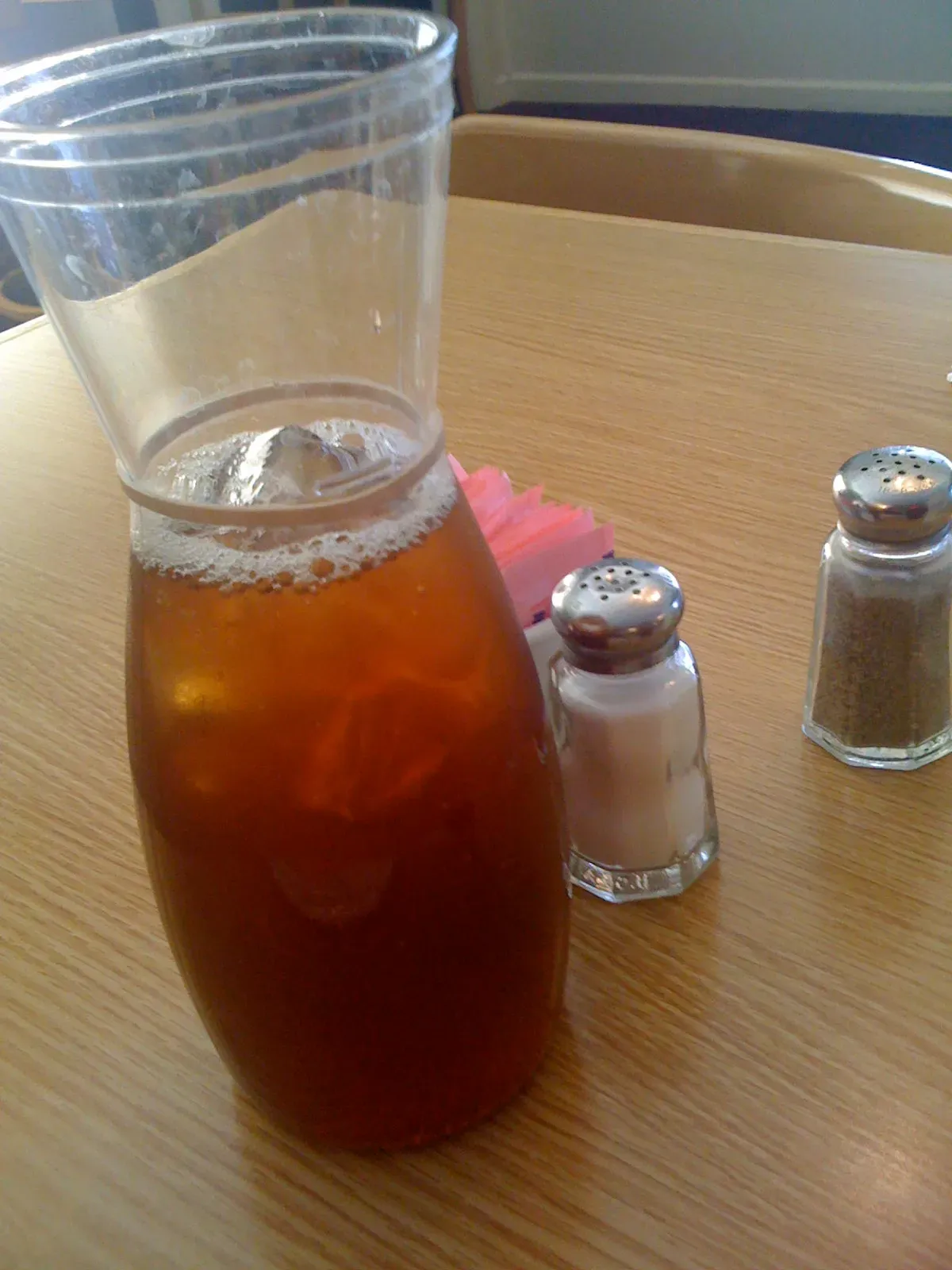
According to employees on Reddit, McDonald’s makes its sweet tea by combining 5 gallons of water, an industrial-sized tea bag, a 4-pound bag of sugar, and a gallon of ice, resulting in a whopping 40 grams of sugar per small cup. That number catches most people off guard.
That’s roughly the same amount of sugar found in some sodas. The revelation puts the “sweet” in sweet tea on a whole different level. Workers have long known this, but it’s not something that tends to come up at the counter, and it’s certainly not part of the promotional messaging around the drink.
6. McDonald's Coke Really Does Taste Different From Everywhere Else

6. McDonald's Coke Really Does Taste Different From Everywhere Else (Image Credits: Pexels)
Anyone who’s ever had a Coke at McDonald’s knows it tastes different from other places, and there are actually several reasons for this. The company follows Coca-Cola’s guidelines exactly but goes beyond the basic requirements. The water and syrup are pre-chilled before entering the fountain dispensers, and the syrup ratio is adjusted to account for ice melt.
The straws are wider than typical fast-food straws. This wider diameter means each sip delivers more liquid to the taste buds, making the drink more intense and satisfying. It’s a small detail that makes a big difference in how the Coke actually tastes. Combined with the temperature and syrup adjustments, these wider straws are a key part of why McDonald’s Coke has such a devoted following.
7. Certain Low-Turnover Items Sit Far Longer Than You'd Expect
7. Certain Low-Turnover Items Sit Far Longer Than You'd Expect (Image Credits: Unsplash)
If a menu item isn’t all that popular, it can wind up experiencing a low rate of turnover. Of all the food at McDonald’s, the most neglected might be the grilled chicken. Because it doesn’t move quickly, workers find that it can turn unappetizing in a hurry.
Since some items are among the least-ordered on the menu, they can stay on the shelves for a long time. Translation: they might not be as fresh as you think. Employees are aware of which items have been sitting, but there’s rarely an incentive to volunteer that information to a customer who’s already placed their order.
8. There Is No Official Secret Menu, But Workers Will Make Things Anyway
8. There Is No Official Secret Menu, But Workers Will Make Things Anyway (Image Credits: Pexels)
McDonald’s doesn’t have a secret menu, per se. That’s because the restaurant wants to make sure it has an ingredient statement for everything it sells, with all the nutritional information that comes with it. The company’s position on this is firm, even if reality at the counter is a little more flexible.
If you ask for an off-the-menu item, workers might not always know how to make it. Still, they’ll whip up almost anything they have the ingredients for. A lot of people, for example, order a grilled cheese sandwich, and many locations will attempt it. The chain just won’t officially acknowledge these items exist.
9. Ordering at the Breakfast Cutoff Is a Gamble You'll Probably Lose
9. Ordering at the Breakfast Cutoff Is a Gamble You'll Probably Lose (Image Credits: Unsplash)
Some McDonald’s systems switch to the lunch menu at 10:20 a.m., ten minutes before the 10:30 a.m. breakfast end time. Because of this, breakfast orders placed in that ten-minute window are sometimes canceled by the system and then expected to be replaced manually by employees. It’s a gamble whether or not that’s actually going to happen.
Ordering right before the end of breakfast is risky for another reason: at the close of the breakfast period, all the extra food gets thrown into a special waste container used only for expired products. Workers know that the food being served in those final minutes may have been sitting in warmers far longer than ideal, but they’re not exactly encouraged to mention it.
10. Employees Technically Can't Accept Tips, But Many Do Anyway
10. Employees Technically Can't Accept Tips, But Many Do Anyway (Image Credits: Pexels)
McDonald’s employees technically aren’t allowed to accept tips, but any tip a customer gives a worker is likely to be received and deeply appreciated, unless the employee is a real stickler for the rules. This is a policy most customers don’t know about, and it quietly plays out differently depending on the location and the manager on shift.
From the perspective of workers who’ve spoken openly about it, everyone they know gets their day made whenever a customer tips them. Even a dollar can make a real difference to a McDonald’s employee, so it’s a very different kind of tipping culture from other restaurants. The no-tip policy exists on paper, but the human reality behind the counter is a good deal more nuanced than any corporate handbook suggests.
What makes these revelations interesting isn’t that McDonald’s is hiding something sinister. Most of these secrets are simply operational realities, the kind of behind-the-scenes details that exist at any large-scale food operation. What’s striking is how different the experience feels once you know them. The next time the drive-thru window opens, you’ll probably see it a little differently.