
Most people walk into a restaurant, sit down, order, and eat. Simple enough. What they rarely think about is the dense, carefully managed world running parallel to their meal – the planning, the psychology, the tight economics – all of it humming along invisibly while they browse the menu.
Chefs and kitchen insiders have long known that the dining experience is far more layered than it looks from the other side of the pass. Some of these realities are surprisingly practical. Others are genuinely eye-opening. All of them change the way you see a night out.
1. The Real Cooking Happens Hours Before You Arrive
1. The Real Cooking Happens Hours Before You Arrive (Image Credits: Unsplash)
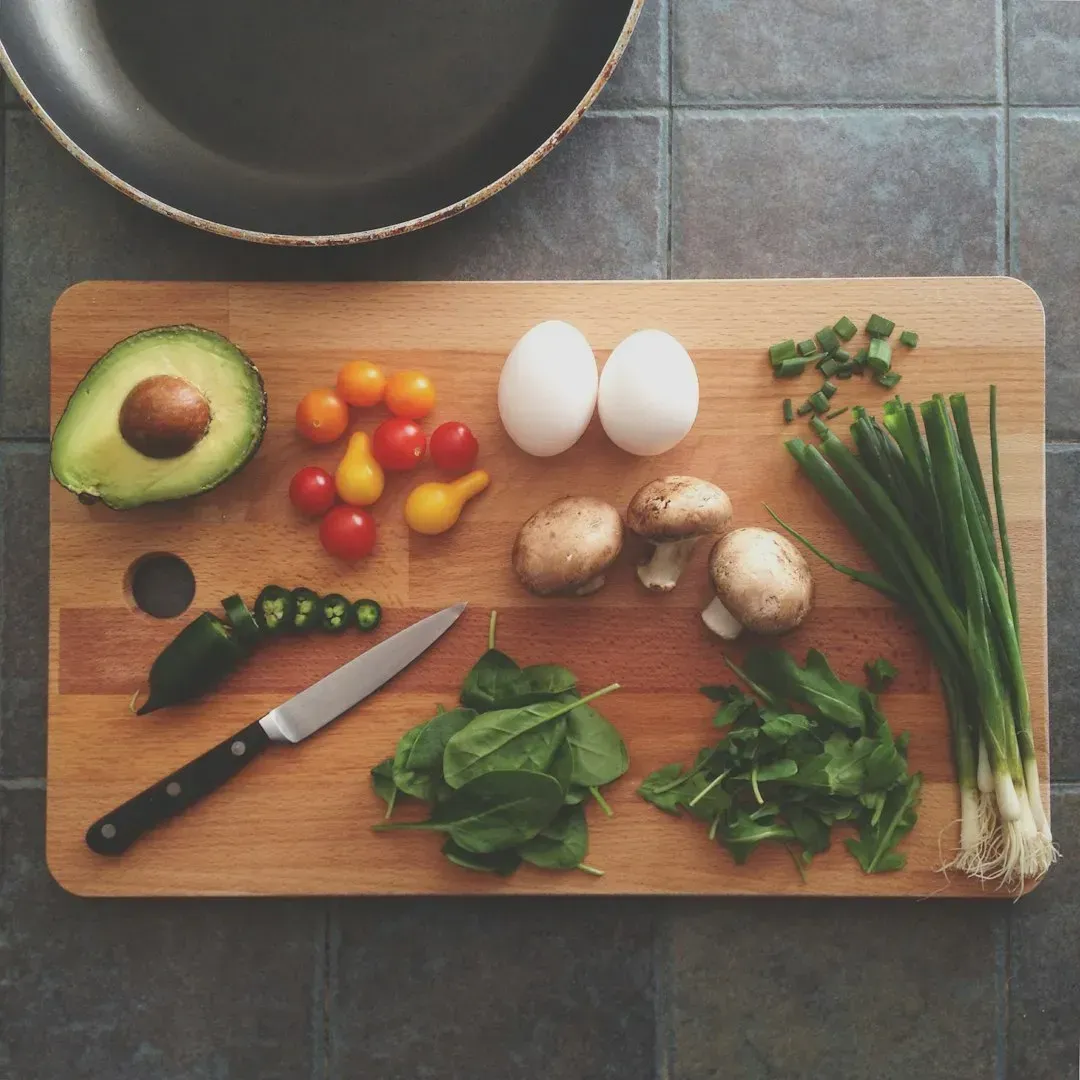
Much of the real cooking happens long before diners ever take their seats. Once the dinner rush begins, chefs rely on carefully managed building blocks to create dishes quickly, all without sacrificing flavor or culinary precision. Sauces are reduced, stocks are strained, proteins are portioned and seasoned – everything is staged so service can flow.
Desserts, too, are rarely made all in one go. Sponge bases, pie crusts, fillings, frostings, and ice creams are prepared individually – sometimes even days in advance – and assembled before service. The dish that arrives at your table in minutes often represents hours of unseen labor that started before most people have had their morning coffee.
2. "Simple" Dishes Are Often the Hardest to Execute
2. "Simple" Dishes Are Often the Hardest to Execute (Image Credits: Pexels)
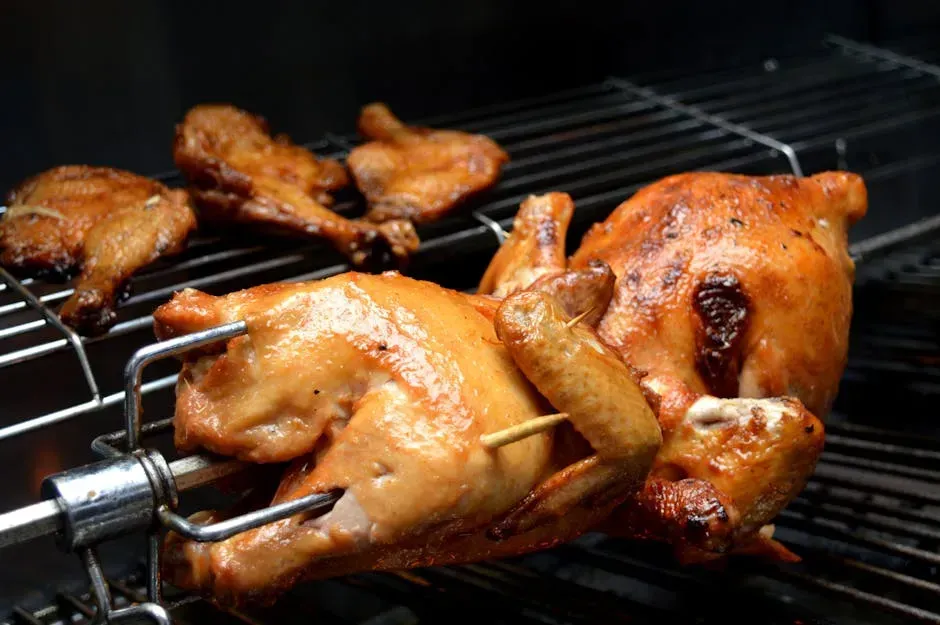
Some of the dishes that appear the most straightforward on a menu are often the ones that demand the greatest precision in the kitchen. A perfectly roasted chicken, a clean broth, a classic vinaigrette – these things expose every weakness in technique, because there is nothing to hide behind.
Chefs say this attention to detail is fundamental to professional cooking. For seasoned kitchen professionals, if a restaurant focuses on gastronomy, research and study play a pivotal role – no matter how simple a dish may look. What reads as effortless on the plate is usually the result of obsessive repetition and refinement over years.
3. The Menu Is a Carefully Engineered Profit Tool
3. The Menu Is a Carefully Engineered Profit Tool (Image Credits: Unsplash)
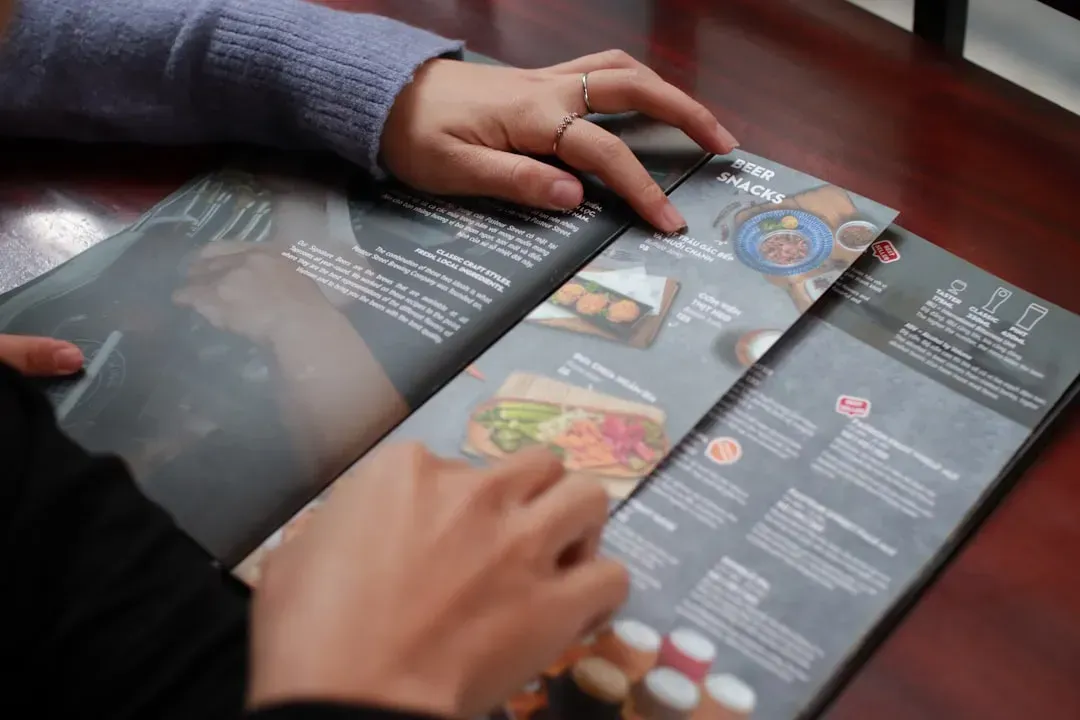
With roughly seven in ten restaurant guests making their ordering decisions based on menu design and placement, smart menu engineering can dramatically boost a restaurant’s bottom line. That list of dishes is not arranged casually. Every position, font choice, and price format has been considered.
At its core, menu engineering is the practice of analyzing every item on a restaurant menu by both its profitability and its popularity, then using that data to make smarter decisions about pricing, placement, and design. When done consistently, it transforms a menu from a static list into a system for driving profit. The dish that catches your eye first is almost certainly no accident – it’s sitting exactly where the restaurant’s numbers say it should be.
4. Removing the Dollar Sign Is a Deliberate Move
4. Removing the Dollar Sign Is a Deliberate Move (Image Credits: Pexels)
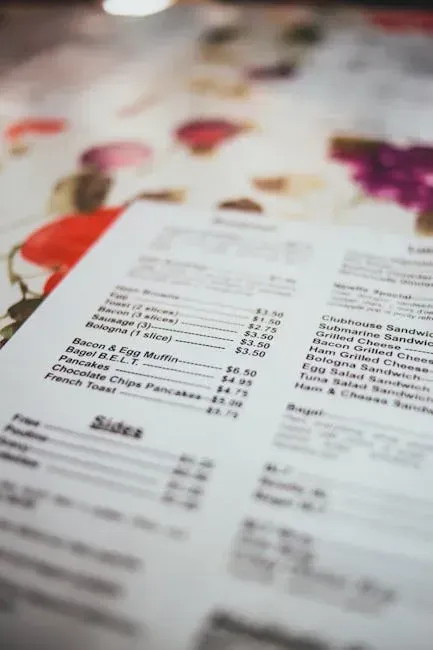
The psychology of menu design plays a huge role in shaping customer decisions. Colors, layout, and even item descriptions influence what customers choose. Bold fonts and strategic placement draw attention to high-margin items, steering choices in a direction that drives sales. Menus that drop the dollar sign entirely do so on purpose – studies in consumer psychology consistently show that seeing a currency symbol triggers more price sensitivity in diners.
Decoy pricing, where a restaurant includes a higher-priced item to make other offerings look like a better deal, is a proven method used across the industry. That suspiciously expensive option near the top of the menu? It’s there to make everything else feel reasonable by comparison. It probably doesn’t sell much, and it doesn’t need to.
5. The Margins Are Much Thinner Than Most Diners Imagine
5. The Margins Are Much Thinner Than Most Diners Imagine (Image Credits: Unsplash)
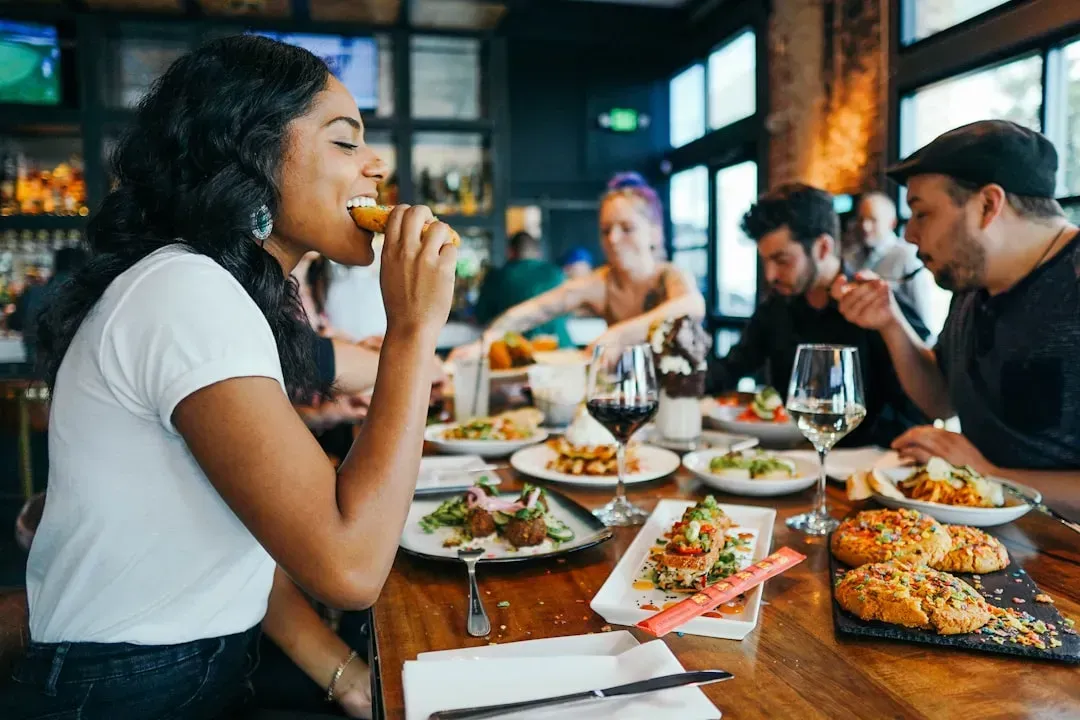
Apart from the price of ingredients, a restaurant also has to contend with fluctuating rates for rent, labor, utilities, supplies, and licensing. All of these overheads need to be managed and contained before the business can show any sign of profit – an aspect very few diners take into consideration. A typical restaurant operates on food costs that eat up roughly a quarter to a third of every dollar spent.
More than half of restaurant owners say their profit margin is lower than it was before the pandemic, and only about one in five reported a higher profit margin. When a diner complains that a plate of pasta costs too much, they’re usually not accounting for the rent, the kitchen staff, the insurance, the linen service, or the dozen other costs embedded in that bowl.
6. Ordering Fish at the Wrong Restaurant Is a Real Risk
6. Ordering Fish at the Wrong Restaurant Is a Real Risk (Image Credits: Unsplash)
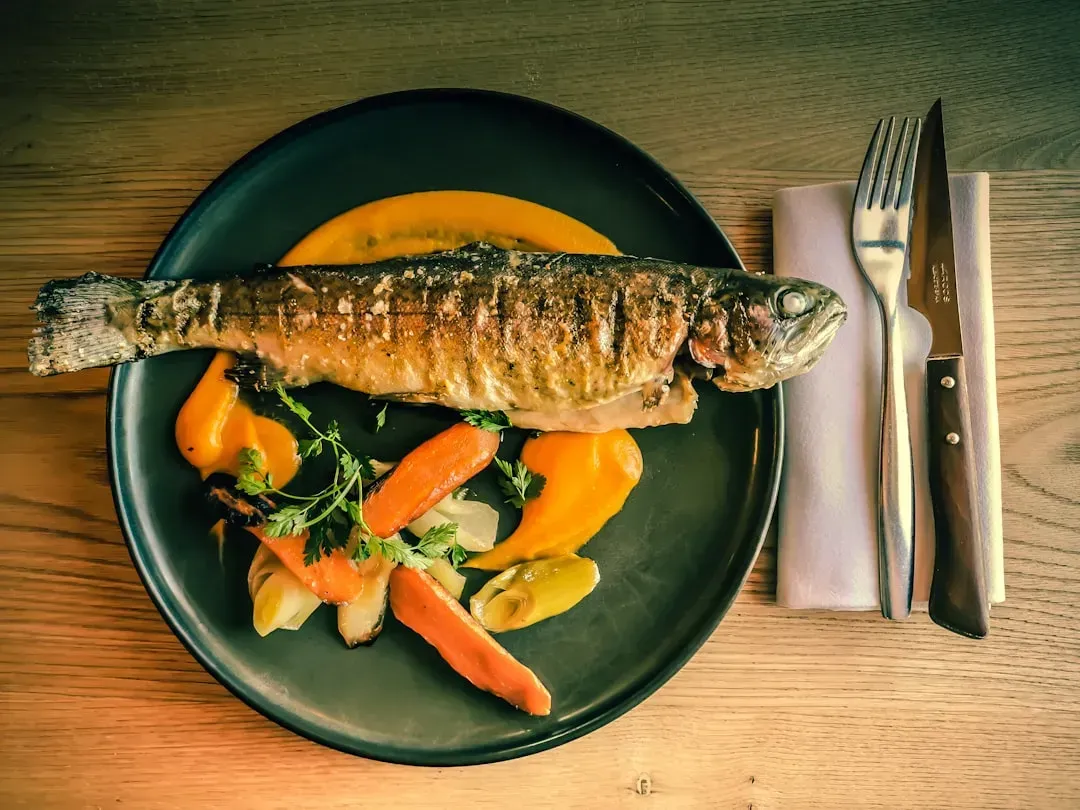
At a steakhouse, maybe one in six guests orders a seafood dish, so most of the time the fish just sits in the kitchen, waiting to be ordered. The longer it sits, the more bacteria grow. This is a genuine food-safety issue that most diners never consider when scanning a menu.
At a popular seafood restaurant, most people order fish dishes, and with that high turnover rate, the fish isn’t sitting around long between when it’s delivered and when it’s cooked. The lesson from chefs is consistent: match your order to the restaurant’s identity. Ordering a shrimp dish at a landlocked steakhouse is a gamble on freshness that rarely pays off.
7. The Daily Special Often Exists for a Practical Reason
7. The Daily Special Often Exists for a Practical Reason (Image Credits: Unsplash)
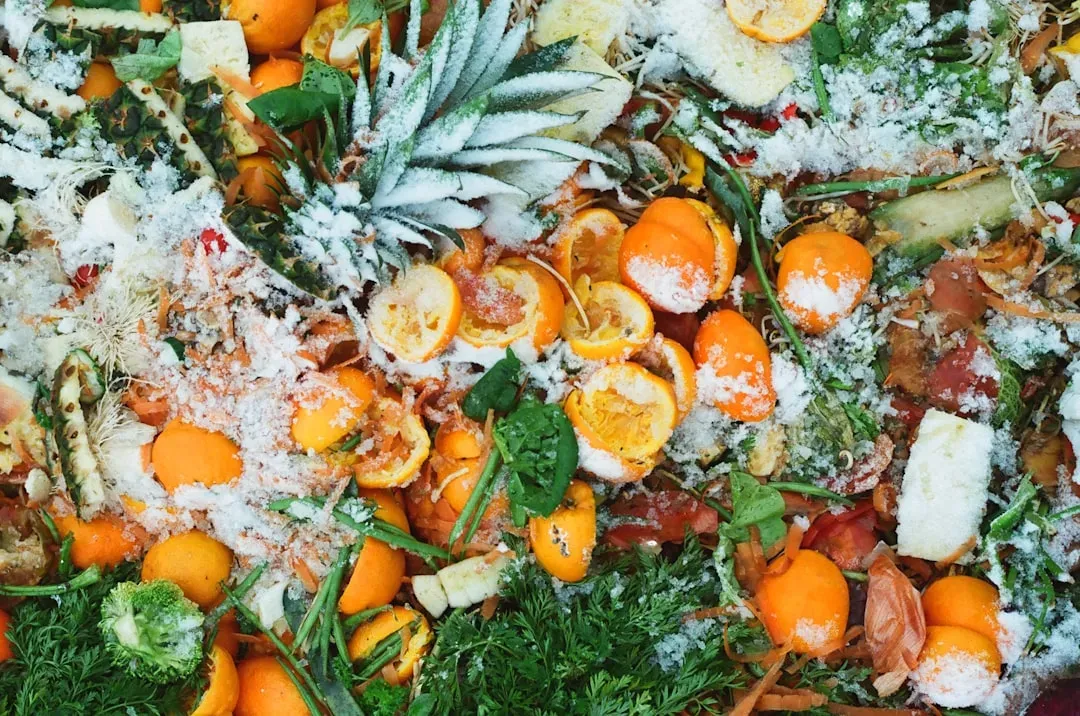
One way kitchens get creative while cutting down on food waste is to build specials that feature ingredients they have to use before they spoil. That handwritten board near the entrance isn’t purely about inspiration – it’s often kitchen logistics translated into menu language. The chef needed to move something, and they found a delicious way to do it.
This doesn’t mean the special is inferior. In many cases it’s the opposite. Chefs tend to care about those dishes more precisely because they’re improvised, seasonal, and off-script. Chefs going past broad labels to showcase regional specialties with real depth and detail often give diners a richer sense of place on the plate. The special is often where a kitchen’s actual creativity lives.
8. Consistency Is One of the Hardest Things in a Commercial Kitchen
8. Consistency Is One of the Hardest Things in a Commercial Kitchen (Image Credits: Unsplash)
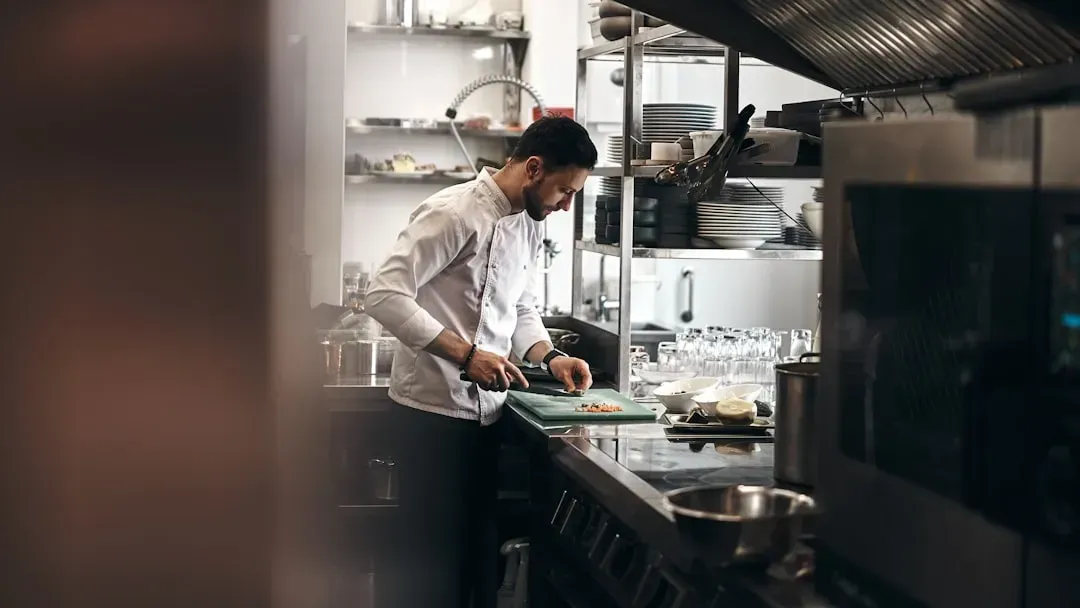
If you love a particular dish at a restaurant, you probably expect it to taste and look the same every time you order it. In fact, this consistency is one of the toughest things to maintain in a commercial kitchen. Ingredients vary by season, cooks change between shifts, and the controlled chaos of a busy service makes standardization genuinely difficult.
When restaurants with long-standing reputations assure customers of a consistent experience, they rely on standardized recipes, detailed portioning systems, and clearly defined prep techniques to maintain reliability at scale. This type of standardization allows kitchens to maintain quality across multiple locations and multiple shifts and staff members. Behind every plate that tastes exactly as you remember it is a set of documented processes most diners never think to appreciate.
9. Busy Restaurants Usually Mean Fresher Food
9. Busy Restaurants Usually Mean Fresher Food (Image Credits: Pexels)
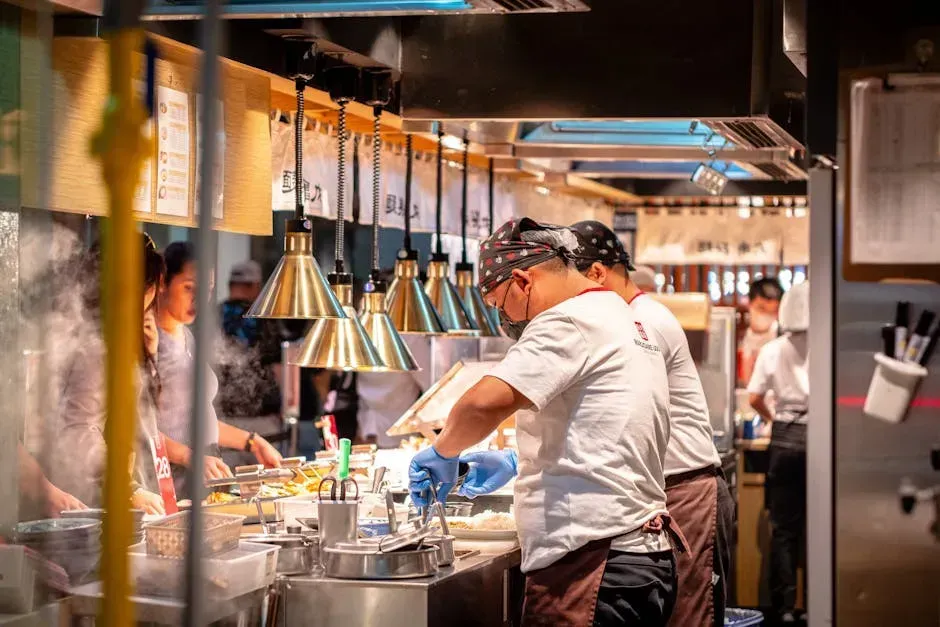
Turnover rate for ingredients is the key factor in freshness. Choosing a restaurant that isn’t busy enough to turn over its ingredients fast means those ingredients won’t be fresh – they’ll have been sitting in the fridge too long. This is something most diners instinctively sense but rarely think through consciously.
A packed dining room isn’t just evidence of a good reputation. It’s a functional signal about supply chain velocity. High volume means ingredients move quickly from delivery to plate. Around four in ten diners say they return to a restaurant mainly because the food quality stays consistent – and that consistency is inseparable from how quickly fresh product cycles through the kitchen.
10. Communicating Allergies Early Makes a Real Difference
10. Communicating Allergies Early Makes a Real Difference (Image Credits: Pexels)
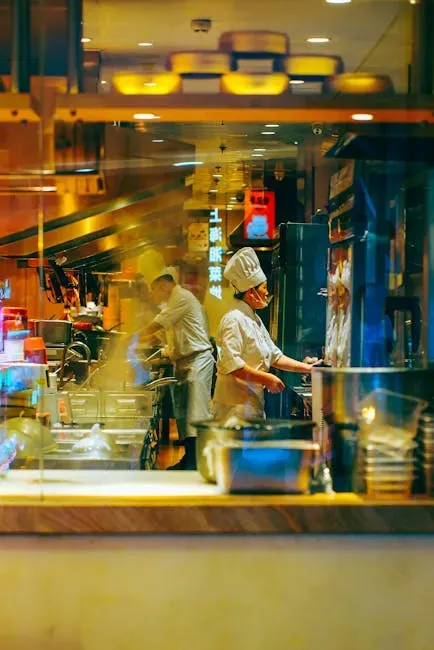
It used to be fairly common for waitstaff to come back into the kitchen during the dinner rush with long lists of allergies and dietary restrictions from a single diner, handing them to the cooks and asking what the person could eat – almost always at the worst possible moment. During peak service, a kitchen running at full speed has very little bandwidth to improvise a custom dish from scratch.
Restaurants genuinely don’t mind making special accommodations if given a heads up. If a diner has special food needs, the kitchen wants to help and make sure they get a dish that’s representative of the kitchen’s actual talents. Mentioning dietary needs when making a reservation, or at the very start of the meal, gives chefs the time to do the job properly rather than under pressure.
11. Restaurant Food Waste Is a Massive, Mostly Invisible Problem
11. Restaurant Food Waste Is a Massive, Mostly Invisible Problem (Image Credits: Pexels)
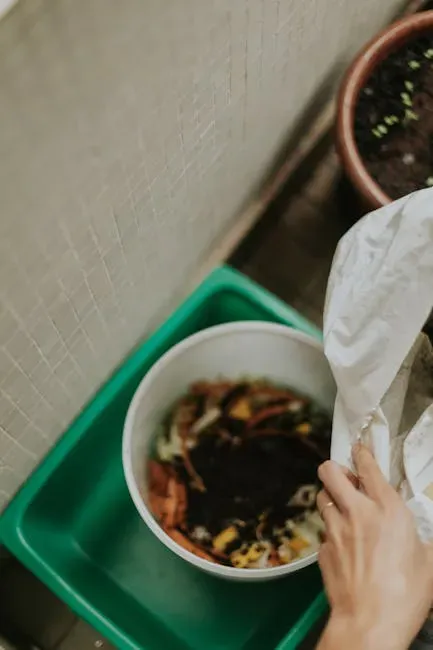
Restaurants and foodservice businesses generated 12.5 million tons of surplus food in 2024, more than 85 percent of which went to landfill or was incinerated as waste. Less than one percent of this surplus was donated – mainly because it’s more difficult to transport, store, and distribute food that is already prepared. Most diners never see this side of the kitchen.
A study by Unilever found that roughly three in four American diners care about how restaurants handle their food waste, and nearly half would be willing to spend more to eat at a restaurant that takes deliberate steps to reduce its waste footprint. To counter this, many restaurants are now repurposing food trimmings, offering varied portion sizes, and composting as part of their standard operations. Awareness on both sides of the kitchen pass is genuinely starting to shift behavior.
12. Midweek Dining Often Gets You the Best Experience
12. Midweek Dining Often Gets You the Best Experience (Image Credits: Pexels)
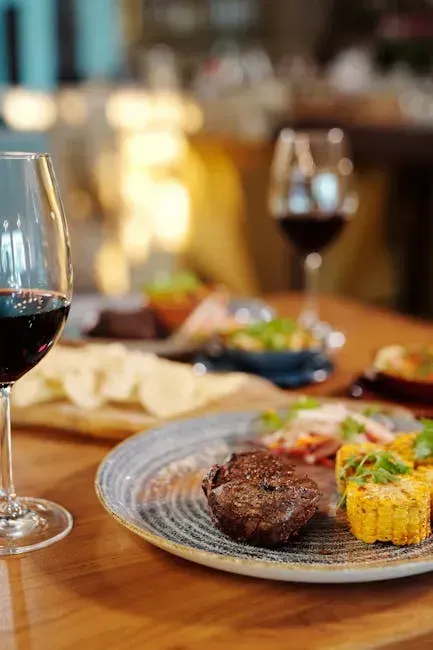
Those in the restaurant industry tend to refer to weekend and holiday diners as having a very different energy from their regular guests, because of the sheer number of people who dine out on those days. On a packed Saturday night, every table turns over fast, the kitchen is under maximum pressure, and servers are stretched thin. The conditions for a great meal are, objectively, worse.
According to experienced restaurant professionals, the best days for the freshest food and most interesting menus are midweek, because that’s when restaurateurs and staff think the serious diners are going out. Food deliveries are freshest and chefs are well rested from the weekend. Tuesday through Thursday is when many kitchens are running at their most deliberate, most focused, and most creative – with actual time to take care of each table properly.
Most of these realities aren’t secrets kept out of suspicion. They’re simply the operational texture of an industry that runs at high speed on thin margins, and that rarely gets the chance to explain itself to the people it’s feeding. Knowing them doesn’t make dinner more complicated. It makes it a little more remarkable.