
Most of us carry the weight of objects we’ve quietly stopped using. They sit in drawers, line closets, or collect dust on shelves – and yet they stay, held in place by habit, vague guilt, or the feeling that surely they’ll come in handy someday. The truth is, everyday life has shifted considerably, and a lot of the stuff filling our homes reflects a version of how we used to live, not how we actually live now.
Professional organizers, interior designers, and tech experts have all started saying the same things. The list of items a modern household genuinely needs is shorter than most people assume. Here are ten of the most common offenders – things that experts consistently flag as worth reconsidering.
1. The Landline Phone
1. The Landline Phone (Image Credits: Unsplash)
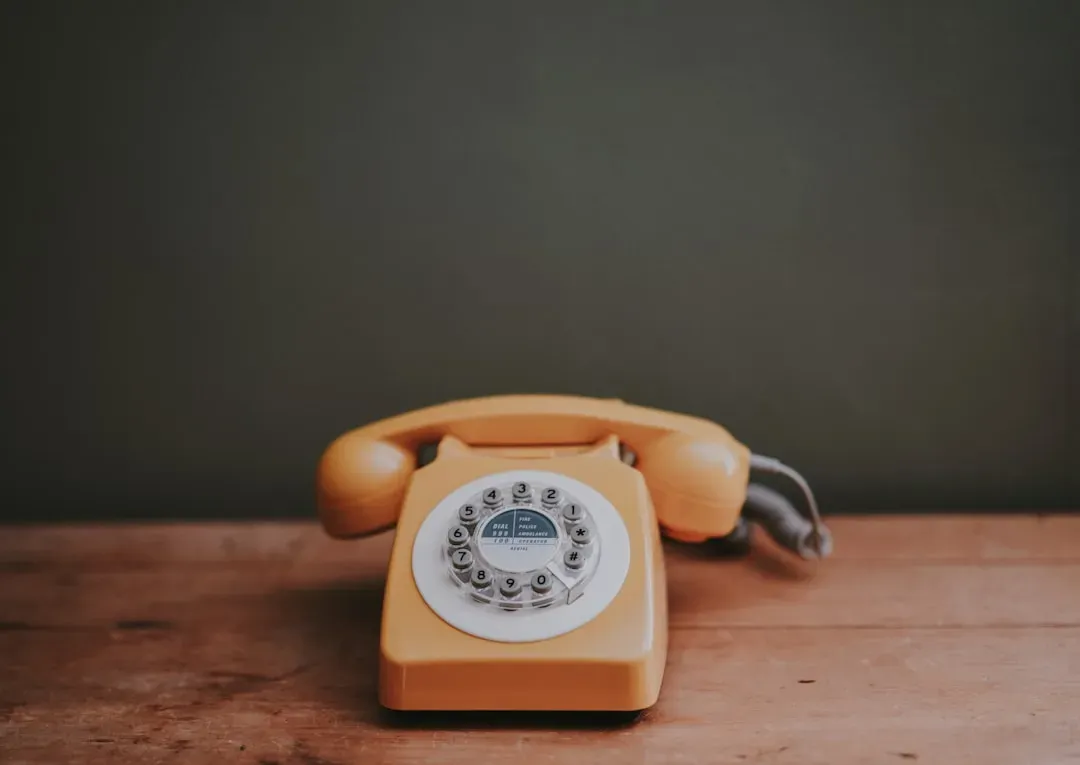
A whopping 98% of Americans now own a mobile phone, according to Pew Research. Given that, a dedicated home phone sitting on the kitchen counter is hard to justify for most households. Cell phones have a few advantages over landlines, including mobility and accessibility, and most people with landlines also have cell phones, making the landline an added, unnecessary expense for many people.
Smartphones have replaced watches, calculators, cameras, walkmans, portable gaming devices, organizers, the Rolodex, kitchen timers, and of course, landline phones. There are real edge cases where a landline still makes sense – rural areas with spotty cell coverage, for instance – but for the majority of urban and suburban homes, it's become redundant hardware gathering dust by the door.
2. Physical DVDs and CDs
2. Physical DVDs and CDs (Image Credits: Pexels)
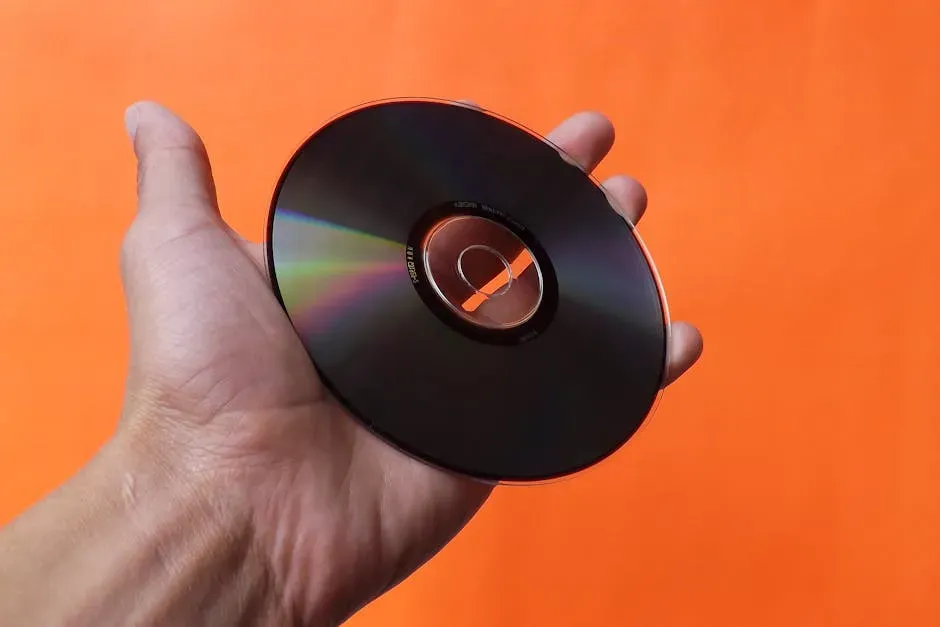
Streaming services and digital downloads have made CDs nearly obsolete, and if you haven't touched your CD collection in years, it's time to let them go. With Netflix, Disney+, and countless other streaming options, most DVDs are just collecting dust. The shift in viewing behavior is dramatic at this point. In May 2025, for the first time ever, streaming accounted for nearly 45% of total TV viewership, topping the combined share of cable and broadcast.
A shelf of DVDs once felt like a library worth having. Today, it's mostly a storage problem. Keep truly sentimental favorites if you wish – the director's cut of a film you return to every year, or an out-of-print concert recording. For everything else, the physical case is taking up real space that something more useful could occupy.
3. A Traditional Cable TV Box
3. A Traditional Cable TV Box (Image Credits: Unsplash)
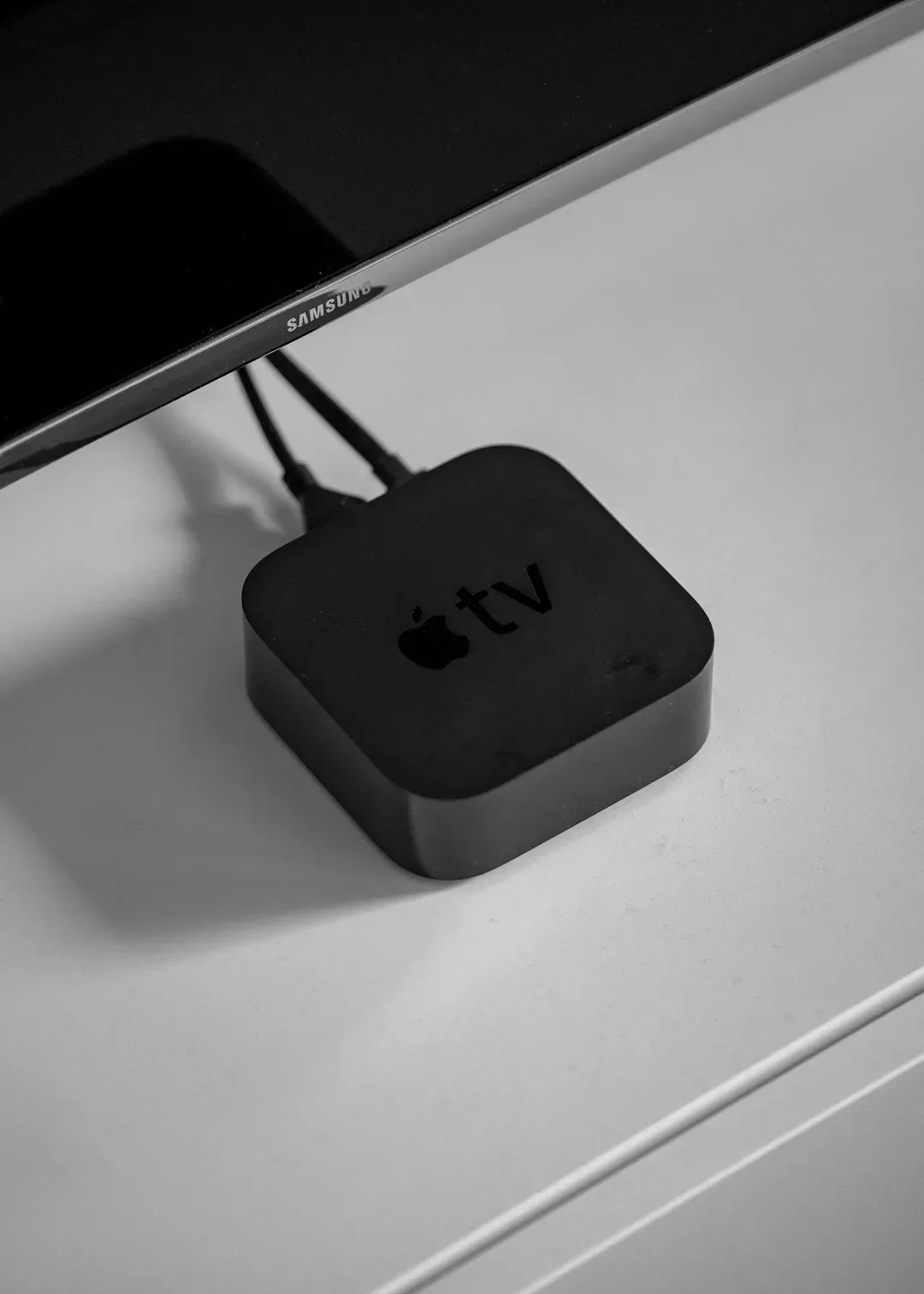
As of 2025, 77.2 million U.S. households have cut the cord, meaning they've canceled traditional cable or satellite TV subscriptions in favor of streaming services. The numbers tell a clear story. Streaming now captures nearly half of all U.S. TV time compared to cable's roughly one quarter, and cable subscribers have dropped to 68.7 million households in 2025, down from 105 million in 2010.
Cost matters too: cable customers pay an average of $147 per month, while cord-cutters typically spend around $70 or less across multiple streaming services. For households that still subscribe primarily out of inertia rather than a genuine need for live sports or local news, the cable box is worth questioning. Live TV streaming services like Hulu + Live TV, Sling, and YouTube TV can let you cut the cord with cable companies and may save you a good deal of money.
4. Single-Use Kitchen Gadgets
4. Single-Use Kitchen Gadgets (Image Credits: Pexels)
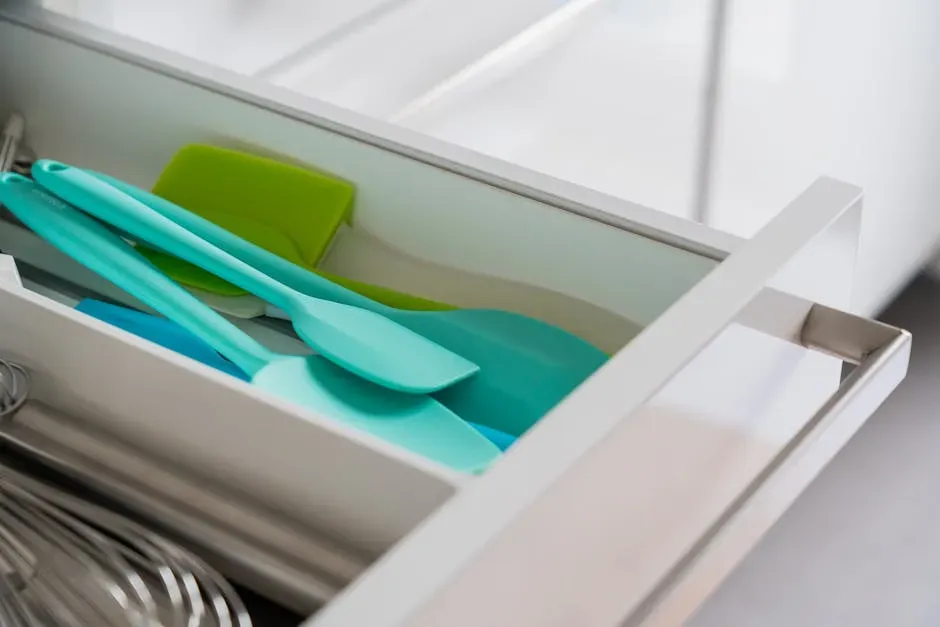
Open your kitchen drawers and you'll probably find a graveyard of gadgets: avocado slicers, cherry pitters, egg separators. They seemed genius in the store, but now they just take up precious space. Professional chefs say even complex recipes rarely need more than a sharp knife and a trusty spatula. That's worth taking seriously – if trained professionals can get by without them, the rest of us probably can too.
It's easy to collect multiple spatulas, measuring cups, and gadgets over time, but organizers recommend keeping only what you actually use regularly. Extras tend to crowd drawers and make cooking more frustrating. When counters are clear, your kitchen looks bigger and more inviting – something realtors say adds instant appeal for buyers.
5. Stacks of Physical Paper and Documents
5. Stacks of Physical Paper and Documents (Image Credits: Unsplash)
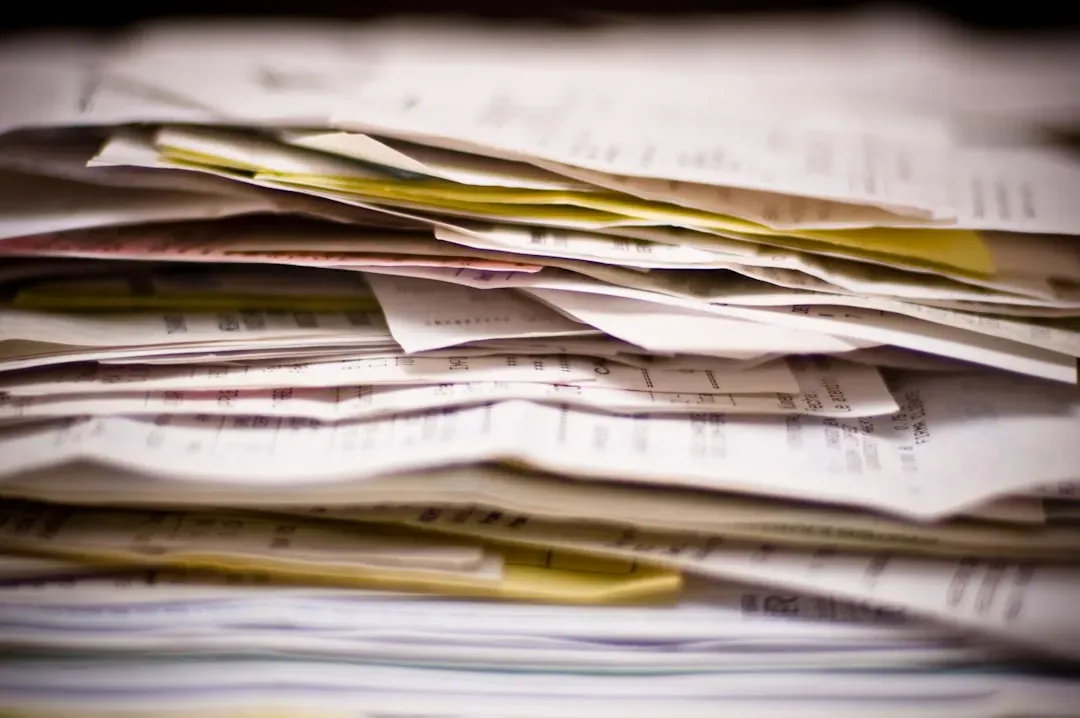
Chances are you've already gone paperless with many things, specifically bank statements and bills. With today's technology, there's truly no reason to have excess paper clutter. Most warranties, instruction manuals, and financial records that people feel compelled to keep in folders and filing cabinets are now accessible online or can be scanned and stored digitally in minutes.
Warranties in particular are worth noting: for years people kept paper copies, but they're now all available online so there's no need to store them – just recycle them. Paper piles lead to disorganization and wasted time, and experts suggest shredding outdated bills and non-essential documents while digitizing important paperwork for easy access. The filing cabinet full of yellowing papers is largely a holdover from an era before cloud storage existed.
6. Excess Plastic Food Storage Containers
6. Excess Plastic Food Storage Containers (Image Credits: Pexels)
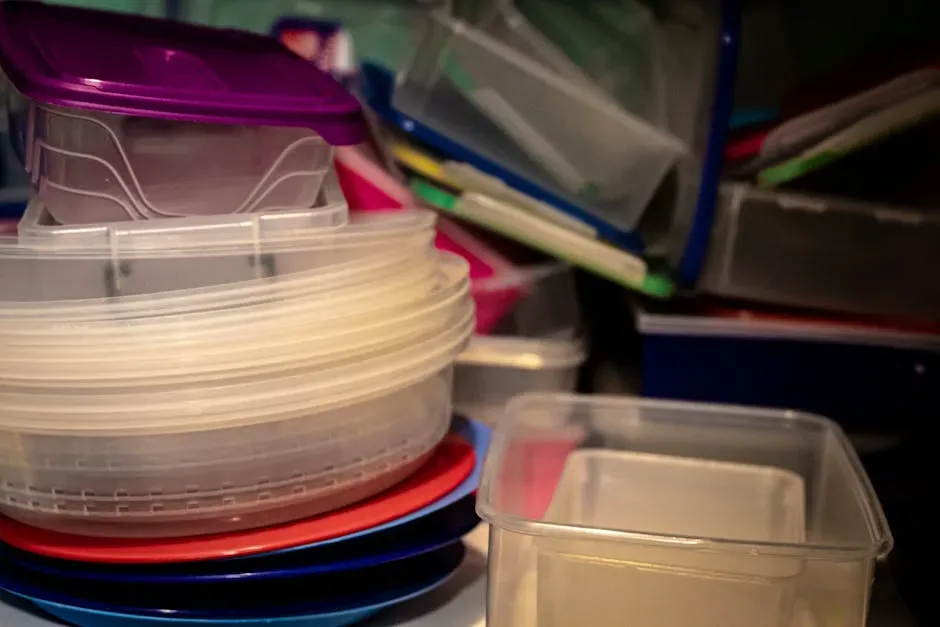
Almost every kitchen has a cabinet or drawer that refuses to close properly – usually because it's packed with mismatched lids and containers that no longer have partners. Lidless containers are one of the first things professional organizers flag. If it doesn't have a match or it's damaged, it's just taking up space, and organizers keep only complete, functional sets to simplify storage.
The practical rule here is straightforward: if you can't close the lid and stack it, it's adding chaos rather than helping you stay organized. Keeping a lean, complete set and getting rid of the rest takes about fifteen minutes and immediately makes a difference you'll notice every time you open that drawer.
7. Old Medications and Expired Toiletries

7. Old Medications and Expired Toiletries (Image Credits: Unsplash)
Old medications aren't just clutter – they can be unsafe. Organizers always recommend clearing these out regularly and disposing of them properly. Medicine cabinets and bathroom drawers tend to become time capsules of prescriptions from years ago and products bought for conditions that have long since resolved. Going through everything for outdated medicines, dirty-looking bandages, and creams that never worked is a straightforward and genuinely useful task.
Expired beauty and personal care products can irritate the skin, cause infections, or lose their efficacy. Checking for changes in smell, color, or texture and discarding anything beyond its recommended shelf life – typically six to twelve months for most liquid products – is a reasonable habit to build. The bathroom feels noticeably calmer with half the products removed, and it's one of the easiest places to make a quick, lasting improvement.
8. Tangled Cords and Mystery Cables
8. Tangled Cords and Mystery Cables (blue_william, Flickr, <a href="https://creativecommons.org/licenses/by-sa/2.0/" target="_blank" rel="noopener">CC BY-SA 2.0</a>)
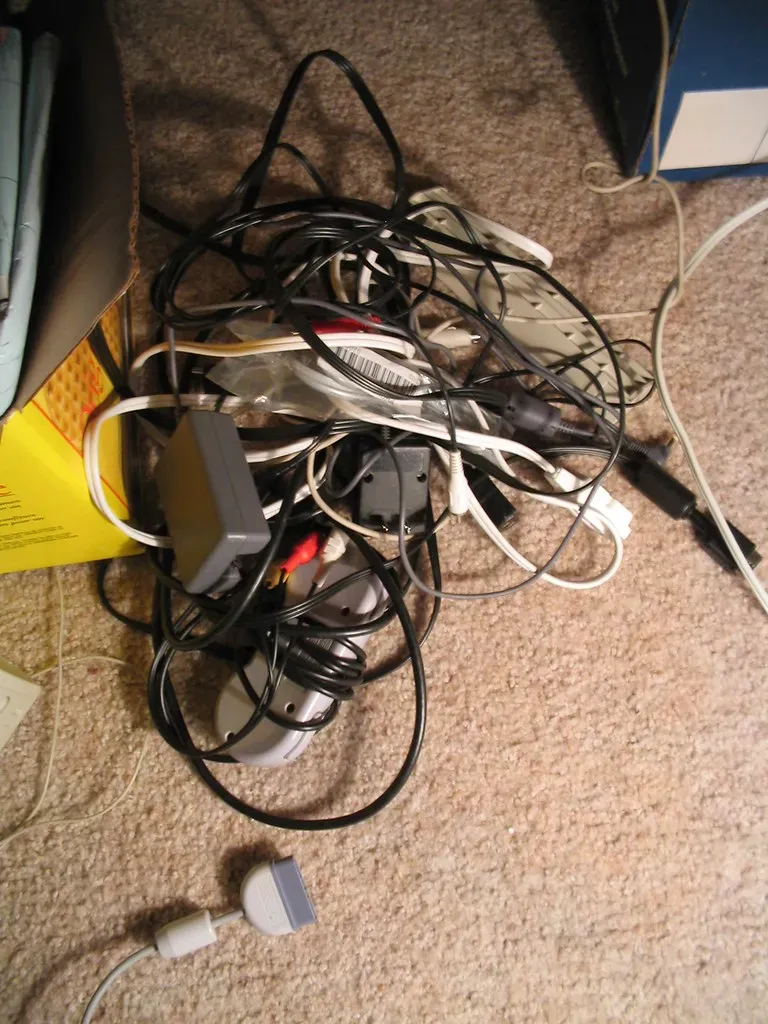
Drawers filled with old chargers, outdated devices, and mystery cords are incredibly common. If it's broken or you don't know what it belongs to, it's time to recycle it properly. The amount of charging cords people accumulate is genuinely surprising, with organizers noting it's shocking how many people collect, especially the obscure ones – "Why do I have 75?" is a common reaction when it all gets gathered together.
If you don't recognize a cord or no longer own the device it belongs to, it's likely safe to let it go. From there, creating a simple system – a labeled bin or small organizer – keeps cords from ending up scattered again. Many electronics retailers and municipal recycling programs accept old cables and devices, so responsible disposal is straightforward enough that it removes the last excuse to keep a tangled drawer of them.
9. Excessive Throw Pillows
9. Excessive Throw Pillows (Image Credits: Pexels)
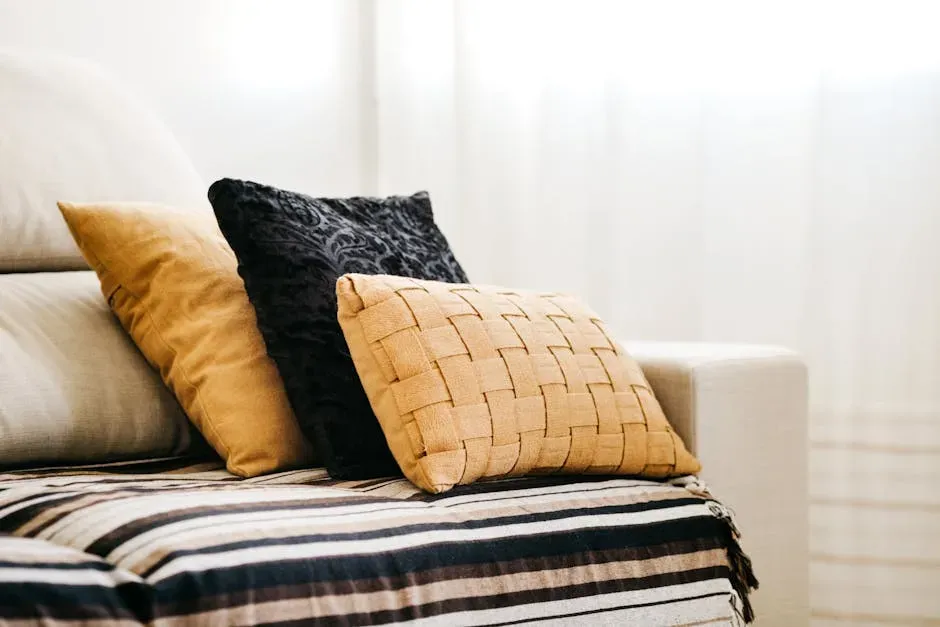
Throw pillows can transform a room – until they take over every seat and bed. Too many and the effect goes from cozy to chaotic, and designers recommend sticking to a tight color palette and mixing textures for a layered look. This is one of those items that creeps up gradually. A cushion here, a seasonal addition there, and before long the sofa requires a five-minute pillow-moving routine just to sit down.
Keeping only the pillows that truly add comfort or style is the cleaner approach – fewer, better pillows mean less to clean and more room to relax. Interior designers tend to be consistent on this: edited restraint reads as intentional and polished, while abundance reads as clutter regardless of how nice each individual piece might be.
10. Unused Exercise Equipment
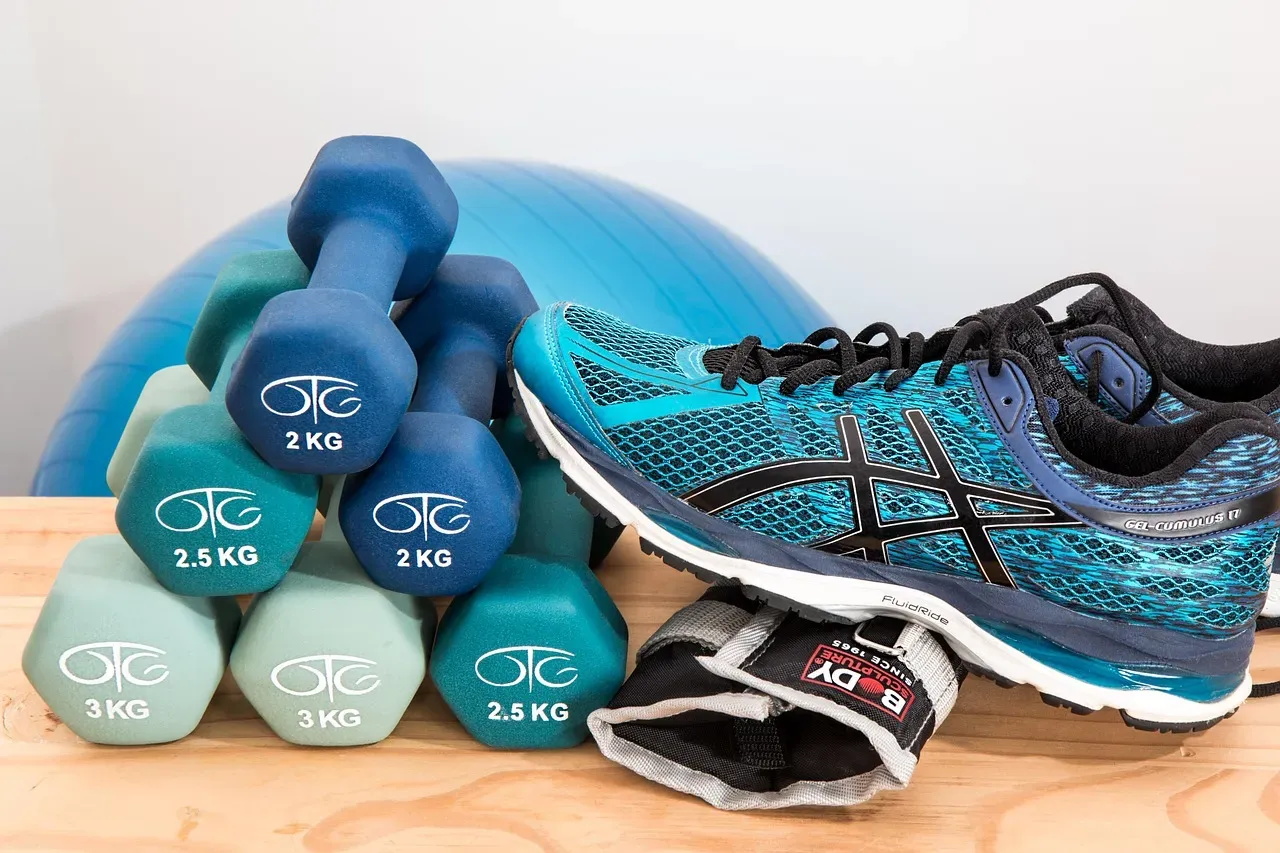
10. Unused Exercise Equipment (Image Credits: Pixabay)
Equipment that's no longer used creates guilt and consumes space, and the better option is to sell or donate items in good condition to sports programs or community centers. The stationary bike in the corner, the folded treadmill against the bedroom wall, the resistance bands still in their packaging – these are familiar features of homes everywhere. The intention was good. The follow-through, for most people, was not.
Cluttered environments often lead to stress, distraction, and wasted time. When you remove unnecessary items, you give yourself more space to breathe, think clearly, and focus on what really matters – and it can even improve the look of your home and increase its overall value. If the equipment isn't being used now, it's very unlikely that simply keeping it will change that. Letting it go frees both the physical space and the mild background guilt that tends to come with it.
The common thread running through all ten of these items is the gap between what we think we might need and what we actually use. Technology has quietly replaced some of it. Changing habits have made others obsolete. A few were never as useful as they seemed in the store. The good news is that none of this requires a dramatic overhaul – just a clearer look at what's actually earning its place in your home.