
Most people don’t think twice about tossing last night’s dinner into the microwave. It’s fast, it’s practical, and it feels harmless. The food was fine when you cooked it, so why wouldn’t it be fine warmed up?
The problem is that some foods go through real chemical or bacterial changes when they hit heat a second time. These aren’t obscure ingredients or exotic dishes. They’re the kind of everyday staples sitting in millions of fridges right now, and the risks they carry are backed by genuine food science.
Rice: The Leftover That's Hiding a Bacterial Time Bomb
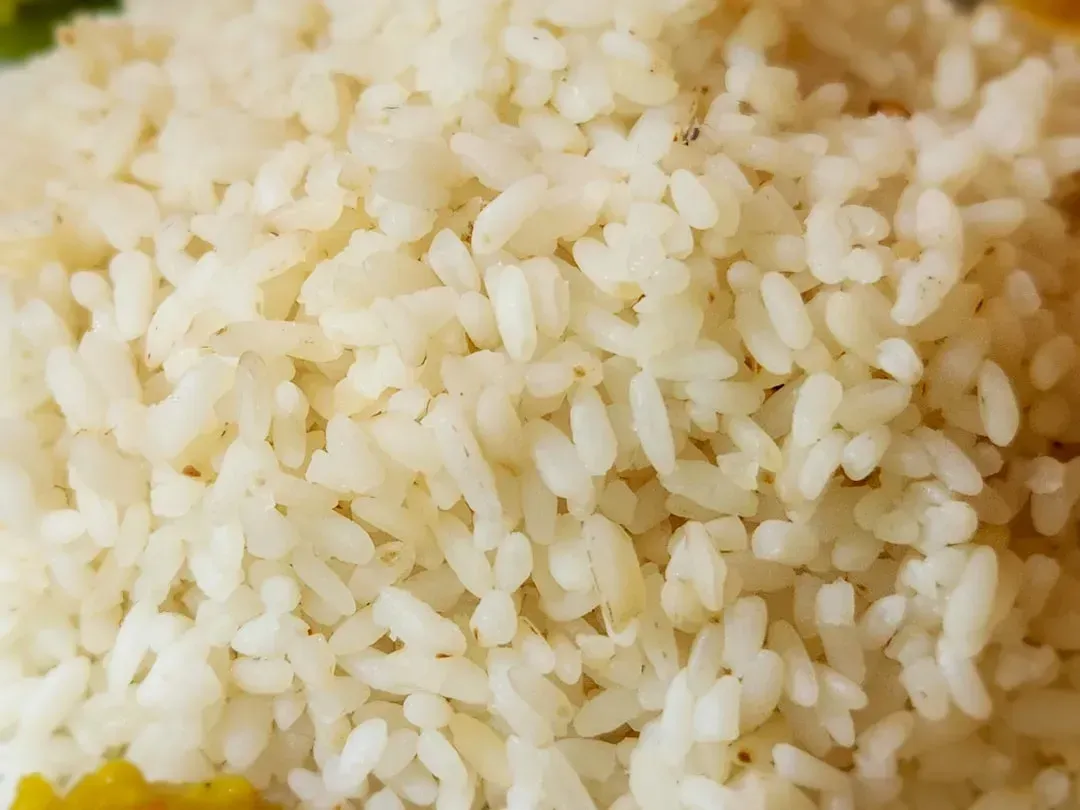
Rice: The Leftover That's Hiding a Bacterial Time Bomb (Image Credits: Unsplash)
Rice might seem like a safe bet, but it’s one of the most deceptive leftovers. Uncooked rice can contain spores of Bacillus cereus, a bacterium that survives cooking. If rice is left out too long before refrigeration, those spores can multiply and produce toxins. The troubling part is that reheating the rice doesn’t neutralize what’s already been produced.
The Centers for Disease Control and Prevention estimates Bacillus cereus causes roughly 63,000 annual cases of foodborne illness in the United States, though many cases go unreported because symptoms are usually mild and short-lasting. Symptoms of this type of food poisoning include nausea, vomiting, headaches, and abdominal cramps, with an incubation period of one to five hours. The UK’s Food Standards Agency suggests eating rice leftovers within 24 hours, provided they cool quickly and are refrigerated within one hour.
Spinach: The Healthy Green That Can Turn Carcinogenic
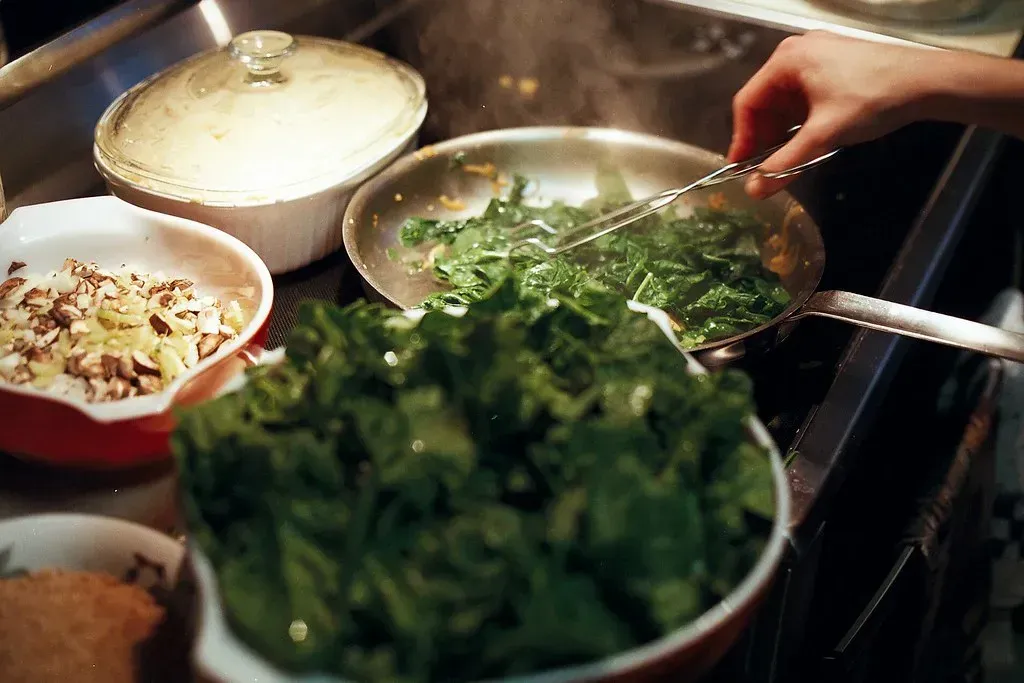
Spinach: The Healthy Green That Can Turn Carcinogenic (Plutor, Flickr, <a href="https://creativecommons.org/licenses/by/2.0/" target="_blank" rel="noopener">CC BY 2.0</a>)
Spinach is packed with vitamins A, C, and K, plus antioxidants, fiber, and magnesium. However, all of that nutritional value becomes somewhat irrelevant if you fail to reheat your spinach properly and instead flood your body with nitrosamines. A study by the University of Medical Sciences in Iran found that cooking led to a significant increase in nitrate levels in spinach, and stir-frying spinach increased nitrate concentration by nearly a third. Those high temperatures can then turn the excess nitrate into nitrosamines, which are considered carcinogenic.
The initial cooking process and reheating spinach can both increase the amount of nitrates in the food, as can long storage times. A study published in the scholarly journal Foods recommends not storing boiled spinach for more than 12 hours at room temperature to avoid a direct nitrate safety risk. The key to avoiding the worst effects, according to Wageningen University and Research, is limiting the amount of heat you expose your spinach to, and always storing leftover spinach in the refrigerator.
Chicken: A Protein That Can Quietly Harbor Bacteria
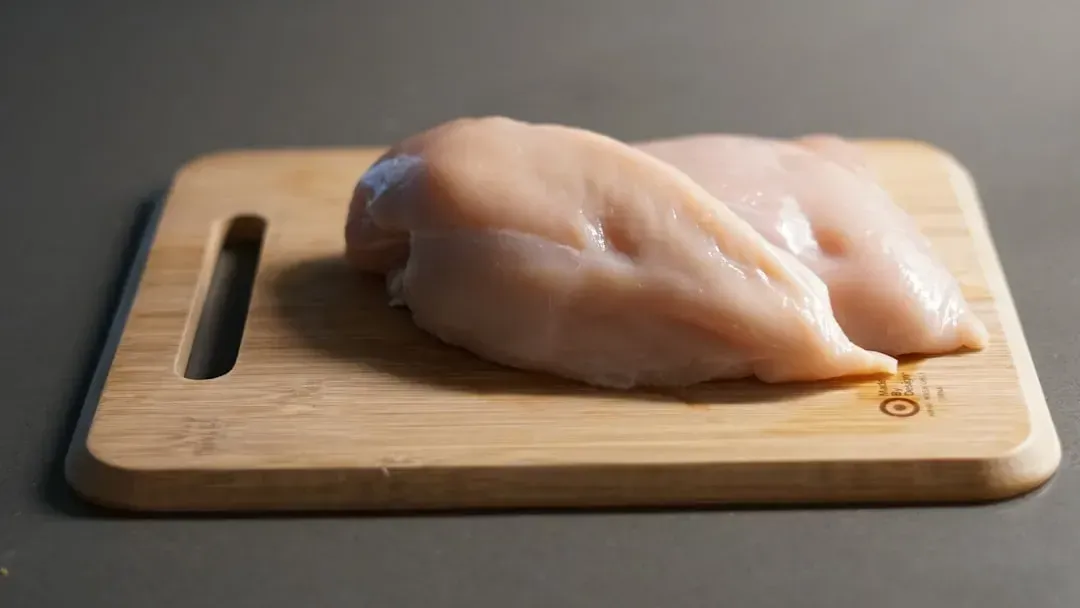
Chicken: A Protein That Can Quietly Harbor Bacteria (Image Credits: Unsplash)
According to the Centers for Disease Control, salmonella is the number one culprit when it comes to foodborne illnesses, and chicken is one of the main carriers. The CDC reports that about one in every 25 packages of chicken at the grocery store contains salmonella at any given time. That’s a sobering statistic for anyone who regularly stashes leftover chicken in the fridge.
Microwaves don’t fully or evenly cook all parts of the meat, making it more likely that surviving bacteria such as salmonella are left behind, since studies suggest that microwaves may not heat chicken as evenly as other methods, potentially leaving bacteria alive in cooler spots. The protein composition of chicken, which contains a higher protein content than red meat, changes when it goes from cold to hot the second time around. When cooked chicken is reheated, the protein breakdown process intensifies and proteins can break down further, potentially resulting in the production of harmful compounds.
Mushrooms: The Protein Breakdown Nobody Talks About
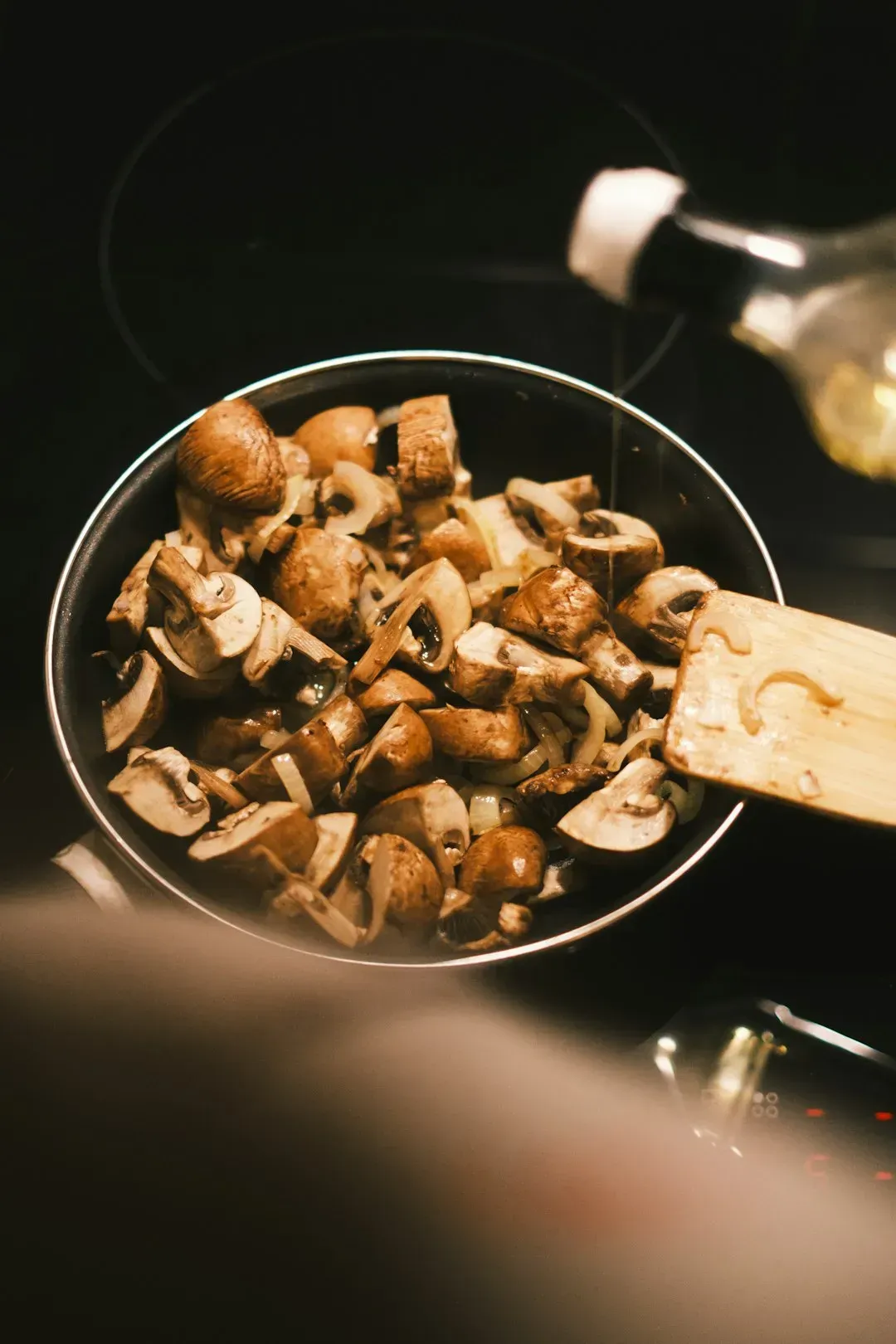
Mushrooms: The Protein Breakdown Nobody Talks About (Image Credits: Unsplash)
If mushrooms are not refrigerated quickly after being cooked, their complex enzymes and proteins will begin to break down, making them susceptible to dangerous bacteria, which can be worsened by the reheating process. On reheating, some of the proteins break down, which not only changes the flavor of the food but also produces certain toxins that can lead to upset stomach and digestive problems, and eating reheated mushroom repeatedly can even result in cardiac problems.
According to the European Food Information Council, if cooked mushrooms are kept in the fridge for no longer than 24 hours, they can safely be reheated, and the EUFIC recommends reheating to a temperature of 158 degrees Fahrenheit or 70 degrees Celsius. That’s a narrow window, and most people don’t keep track of how long their mushroom stir-fry has been sitting on the shelf.
Potatoes: The Comfort Food With a Botulism Risk
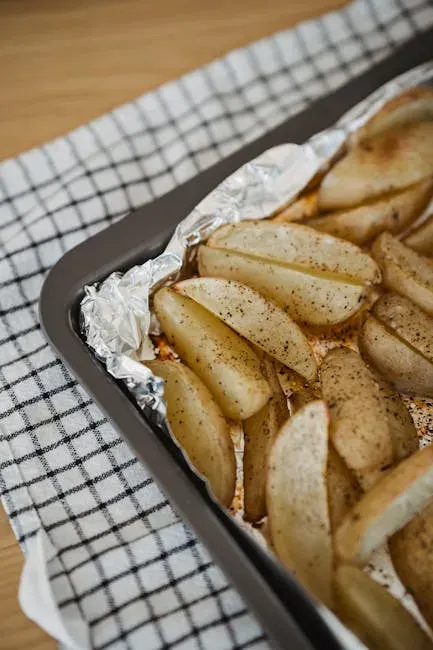
Potatoes: The Comfort Food With a Botulism Risk (Image Credits: Pexels)
Leftover potatoes can be a breeding ground for Clostridium botulinum, the bacteria responsible for botulism. This risk increases when cooked potatoes are stored in foil and left at room temperature. Reheating doesn’t always eliminate the toxin if it has already formed. Most people are aware that botulism is serious, but very few connect it to the baked potato sitting in their fridge wrapped in the same foil it cooked in.
Reheating potatoes can lead to the production of toxic compounds called solanine and chaconine, which are naturally present in potatoes and can increase to harmful levels when potatoes are cooked and cooled improperly. Reheating potatoes at high temperatures, especially using a microwave, can exacerbate this issue, potentially causing digestive discomfort or even poisoning. Storing them unwrapped in the refrigerator and reheating thoroughly, rather than leaving them at room temperature, reduces the risk considerably.
For nitrate-heavy vegetables like celery and spinach, food scientists suggest eating them cold in salads the next day rather than reheating, which sidesteps the chemical transformation entirely. Perhaps the most surprising piece of advice from food scientists is to reheat leftovers only once, never repeatedly, because every heating cycle compounds both the chemical and bacterial risks. These are small habit changes, but the science behind them is real enough to take seriously.