
Children are not small adults. Their emotional world is just as complex, just as turbulent, and just as real – they simply don’t have the language to match it yet. What comes out of a child’s mouth in a heated or vulnerable moment is often the roughest possible translation of something much deeper going on inside.
Children usually don’t have the vocabulary to express their emotions clearly. Children experience a vast spectrum of emotions long before they develop the language to describe them, creating a gap between their inner world and their ability to communicate it. That gap is where misunderstandings are born – and where the real work of listening begins.
1. "I Hate You!"
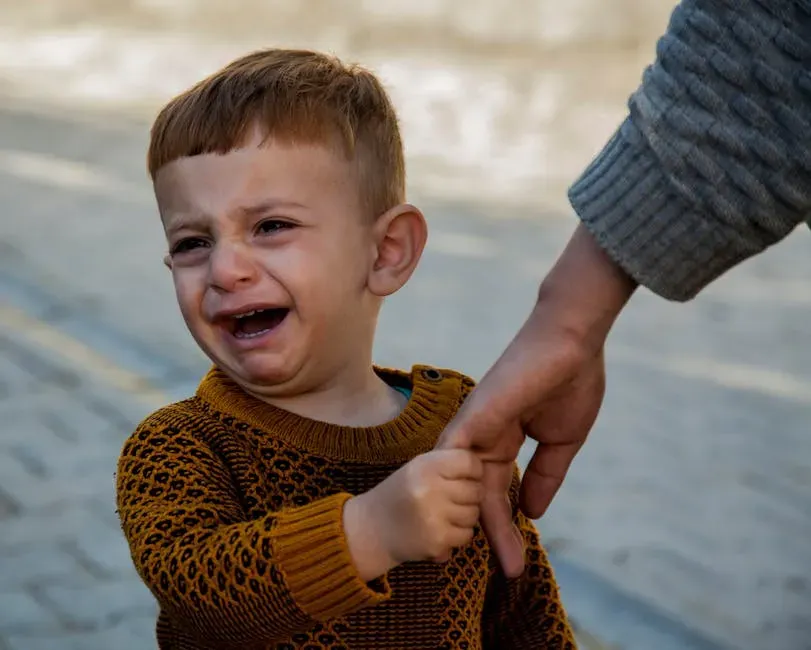
1. "I Hate You!" (Image Credits: Pexels)
Children don't usually mean what they say when they lash out with big statements. These expressions are often the result of overwhelm, stress, or emotional dysregulation, not true hatred. When a child screams those three words, they're not making a philosophical declaration. They're broadcasting that something inside has gone past the point of manageable.
When a child is triggered – from a tough day at school, a fight with a sibling, or feeling powerless – their brain shifts into survival mode: the amygdala takes over, the prefrontal cortex goes offline, and their language becomes limited to big emotional expressions. Even though it hurts, your child isn't rejecting you when they express extreme feelings – they are struggling inside and reaching out in the only way they know.
2. "Nobody Likes Me"
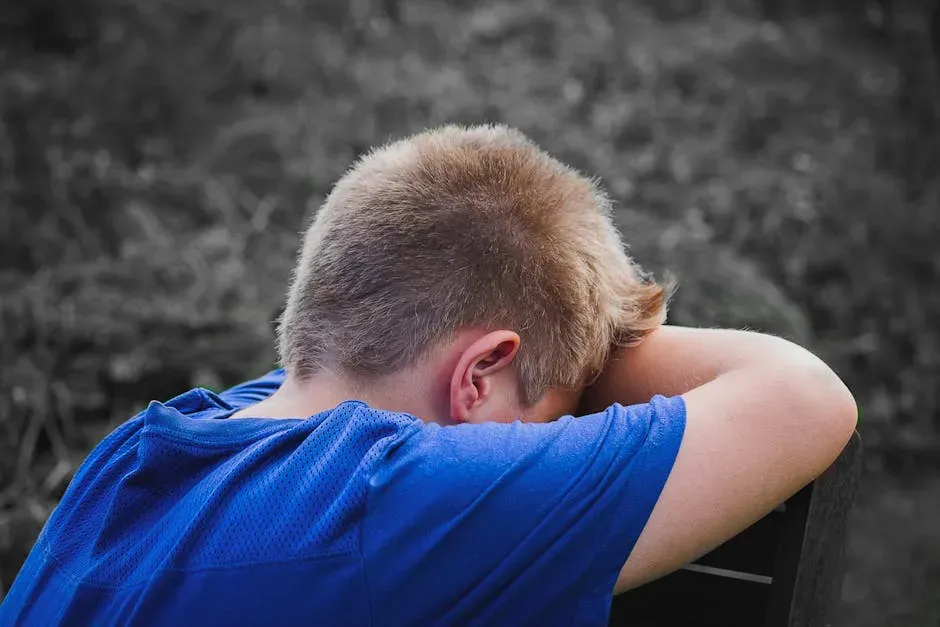
2. "Nobody Likes Me" (Image Credits: Pexels)
Young children don't have a great deal of perspective. Kids think that whatever they are feeling in this moment is always true. So when a child says "nobody likes me," they're not presenting a social survey – they're describing what a moment of rejection or loneliness feels like right now, in full capital letters.
Getting to the root feeling and labeling it is key. They know they are feeling bad, but they don't know exactly what they are feeling. It can be part of a learning process for them. What the child almost certainly means is something closer to: "I felt left out today and it hurt more than I can explain." Treating the statement as a data point about their social life misses the emotional point entirely.
3. "I'm Bored"
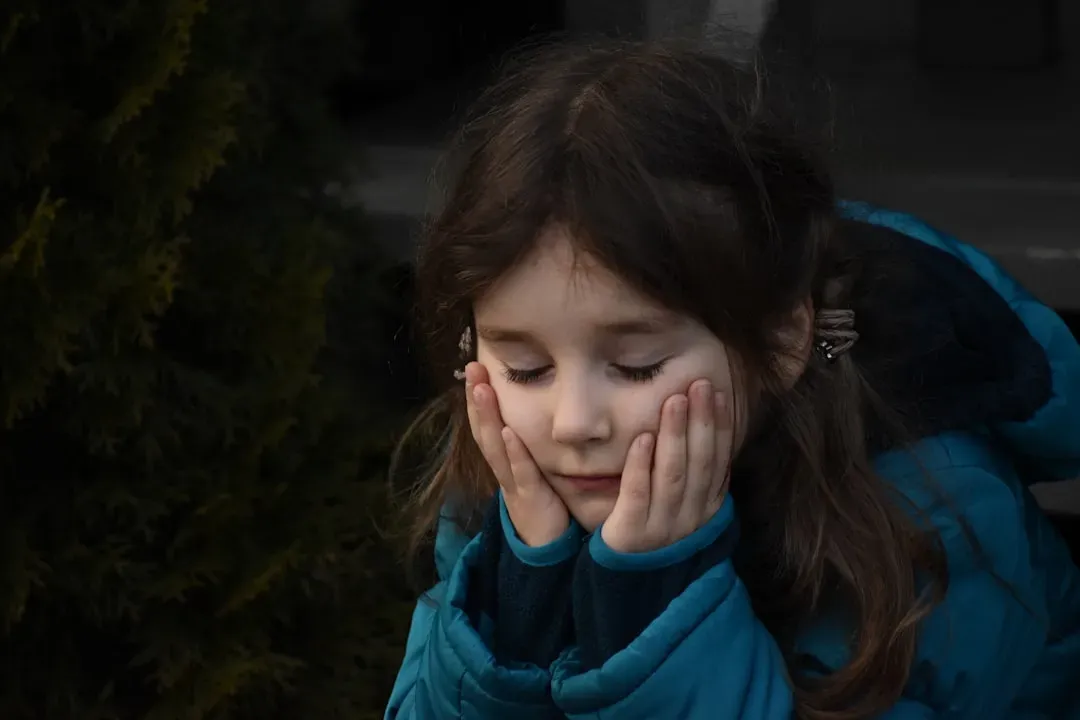
3. "I'm Bored" (Image Credits: Unsplash)
Boredom in children is often a decoy. It sounds like a complaint about an empty afternoon, but it's frequently a signal that something else is going on – anxiety about an upcoming event, low-grade sadness, or simply a need for connection with a parent who seems busy or distracted. Emotions play a central role in how children make sense of the world and connect with others. Basic emotions such as happiness, sadness, anger, fear, and surprise are experienced intensely during the preschool years. However, recognizing these emotions, expressing them in healthy ways, and regulating them are not innate skills; they are abilities that develop over time.
A child who lacks the vocabulary for "I feel disconnected" or "I feel anxious" will often default to the one safe, non-threatening complaint available: boredom. It's low-risk to say. It doesn't expose vulnerability. For many children, expressing complex internal states can be a significant challenge, often leading to misunderstandings, behavioral outbursts, and a sense of isolation. Naming an emotion is the first step towards managing it.
4. "My Tummy Hurts"

4. "My Tummy Hurts" (Image Credits: Pexels)
Physical complaints that have no clear medical cause are one of the most common ways children communicate emotional distress. A stomach ache on a school morning is sometimes exactly that – and sometimes it's the body translating nervousness, dread, or social anxiety into something tangible and speakable. When children bottle up their emotions, their bodies often express what their words cannot.
Research published in the Journal of Child Psychology and Psychiatry found that children who consistently suppress emotions show altered stress hormone patterns and increased inflammation markers, suggesting that emotional suppression creates measurable physiological changes. The child isn't being dramatic. The body genuinely registers emotional strain, and a recurring "tummy ache" is worth taking seriously as a signal, not just a symptom.
5. "It's Not Fair!"

5. "It's Not Fair!" (Image Credits: Unsplash)
This is one of the most dismissed phrases in a child's vocabulary. Adults hear it as entitlement or whining. What it usually carries, though, is a genuine sense of powerlessness – a feeling that something important to the child was decided without them, for reasons they can't fully grasp. When a child says something like this, he or she may be trying to push your buttons. Children frequently and regularly push back, look for the limit, and test boundaries. It is almost instinctual and part of normal growth and development.
Young children experience emotions from time to time that they cannot process. A four- or five-year-old doesn't yet have the advanced thinking skills to identify anger and then think of a productive way to talk about it. "It's not fair" is a child's best attempt at articulating injustice before they have the cognitive tools to name it more precisely. Underneath it, there's usually hurt – and a desire to be heard.
6. "I Hate Myself"
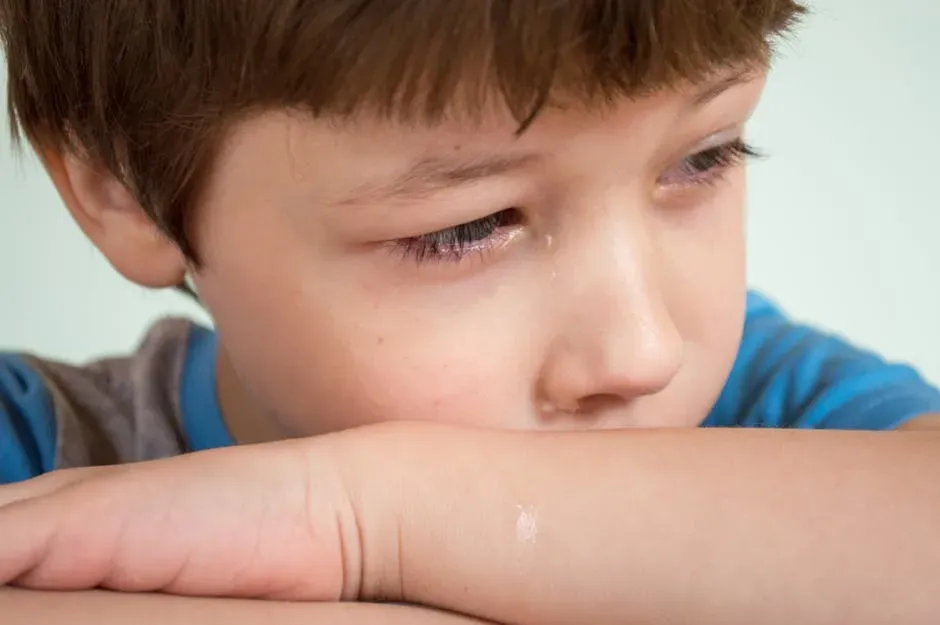
6. "I Hate Myself" (Image Credits: Pexels)
This one understandably stops parents cold. It sounds alarming and, in some contexts, it can be. More often in younger children, though, it reflects acute shame or embarrassment about a specific mistake – not a deep, settled belief about their own worth. Rather than responding with "That's not true, you don't hate yourself," the better approach is to take a breath, calm yourself, think about what feeling your child is having, and then respond by getting to the root feeling and labeling it.
The development of a feeling word vocabulary is considered critical in a child's emotional development because it makes it possible for children to better understand their emotional experiences. The ability to name a feeling allows children to discuss and reflect with others about their personal experience of the world. When a child says "I hate myself," they're often saying "I feel terrible about what just happened." The distinction matters, because the response it calls for is compassion, not correction.
7. "You Never Listen to Me"
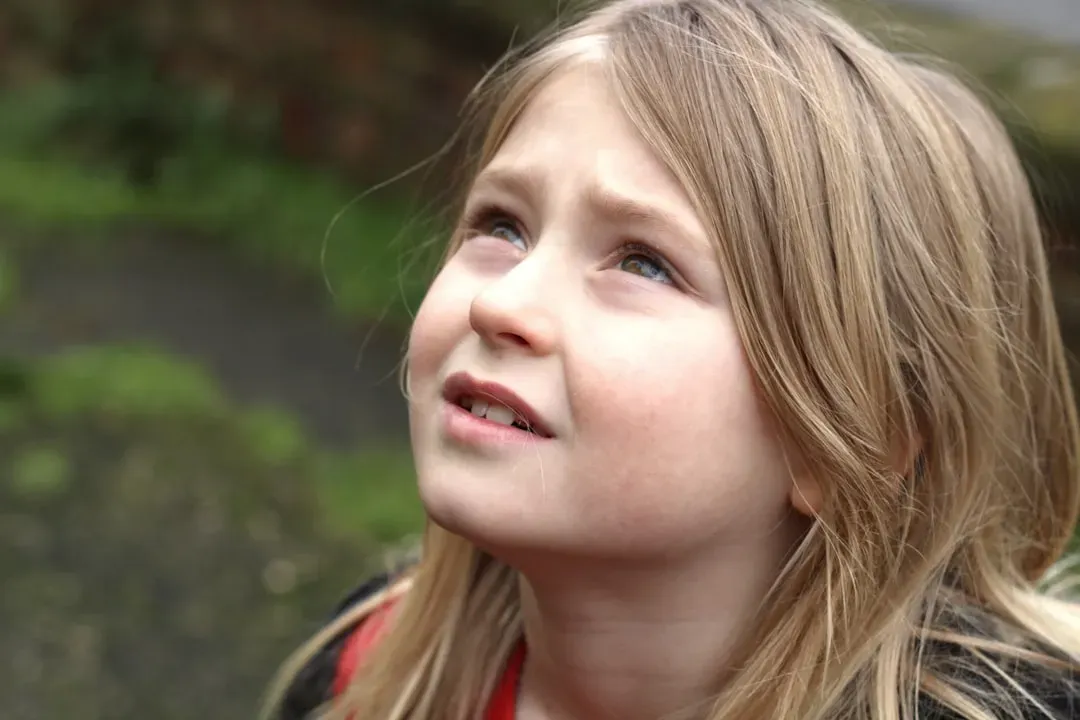
7. "You Never Listen to Me" (Image Credits: Unsplash)
Children have a tendency toward absolute language – "never," "always," "everyone." It's a developmental reality. Children aged two to three begin to distinguish basic emotions but usually express them through behaviors like crying, shouting, or pushing. Around ages three to four, they start to name their emotions, and phrases appear along with simple cause-and-effect connections. The precision of language comes later. The feeling behind "you never listen" comes much sooner.
What the child is most likely expressing is that in a recent, specific moment, they felt dismissed or unheard. That's a meaningful feeling. By naming the feeling that is driving the behavior, it helps kids feel seen. Focusing on connection also has a calming effect which makes it easier for them to hear what a parent is trying to say. When adults respond to the absolutism ("I always listen!") rather than the underlying emotion, the child only feels more unheard.
8. "I Don't Care"

8. "I Don't Care" (Image Credits: Pexels)
Indifference is one of the harder emotional masks to read, especially in older children and preteens. "I don't care" frequently means the opposite. It often signals that a child cares deeply but doesn't feel safe showing it – whether because of fear of judgment, past experiences of having their feelings dismissed, or the social pressure of appearing cool and unbothered. When children receive messages that it's wrong to express feelings, they may begin to suppress them, and this can harm both empathy development and self-awareness.
A 2024 longitudinal study in Developmental Psychology tracked children over five years and found that those who bottled up emotions in early childhood were significantly more likely to experience anxiety disorders and depression by adolescence. "I don't care" as a habit, rather than an occasional shrug, deserves a gentle and patient response – not a challenge, but an open door.
9. "You Love [Sibling] More Than Me"
![9. "You Love [Sibling] More Than Me" (Image Credits: Unsplash)](https://nvmwebsites-budwg5g9avh3epea.z03.azurefd.net/onpoint/edb6f42b39d4a1a06c602b1944c8cd48.webp)
9. "You Love [Sibling] More Than Me" (Image Credits: Unsplash)
Sibling comparisons are almost a rite of childhood, but when a child makes this accusation, it's rarely really about measuring parental love. It's about feeling unseen in a specific moment. Children may be mad at you, or they may really be mad they didn't make the sports team. They may feel like you're trying to ruin their life, or they may feel hurt because they feel left out. It can be tricky to untangle where those feelings originate.
The statement is also a request for reassurance, clumsily wrapped in an accusation. Kids don't need specific answers; they need broader certitude that they are loved and will be taken care of. Responding to the emotion – "It sounds like you're feeling left out right now" – works better than defending the fairness of your parenting. The child wants to know they matter, not to win a debate.
10. "I Want a New Family"

10. "I Want a New Family" (Image Credits: Unsplash)
Said in the heat of a conflict, this phrase can feel like a gut punch. In reality, it's one of the most dramatic tools a young child has for communicating that they feel completely overwhelmed and disconnected in this moment. Sometimes children lash out with hurtful words because they don't feel loved or have the perception they are not loved. Sometimes children are angry because of divorce, not enough time together, or too much control. Sometimes children are seeking to "get even," and it comes out as something they're trying to scream differently.
The fact that children do this with the people they feel safest with says something meaningful. Children often lash out at caregivers because they feel emotionally safe enough to do so. There's a painful paradox in that, but also something reassuring. The child who says "I want a new family" to a parent is, in a strange way, trusting that parent enough to say the worst thing they can think of. They know that you are a safe person and will always love them, no matter how grouchy they are.
Children's emotional vocabulary is always a work in progress. The words they use are not the message – they're the messenger, and usually an imperfect one. The larger a child's emotional vocabulary, the finer discriminations they can make between feelings and the better they can communicate with others about their feelings. That vocabulary grows with time, patience, and adults who are willing to look past the surface of what's said.
The phrases in this list are not problems to be corrected. They're invitations – rough, sometimes shocking invitations, but invitations nonetheless. A child who says something that sounds wrong is almost always reaching for something they don't yet have the words to say right.