
Teachers spend more time with children than almost any other adult outside of their own families. Over the course of a school year, patterns become visible quickly. The way a child handles frustration, responds to a correction, or behaves when a rule doesn’t go their way tends to tell a trained educator a great deal about what’s happening at home.
Teachers meet a lot of kids and parents throughout their profession, so it makes a lot of sense that they can pick up on little behaviors and habits that may indicate something deeper is going on. What’s changed in recent years isn’t just the frequency of these observations, but the specific patterns educators keep running into again and again. Here are nine parenting habits that teachers across grade levels describe as genuine, growing concerns.
1. Immediately Jumping to the Child's Defense
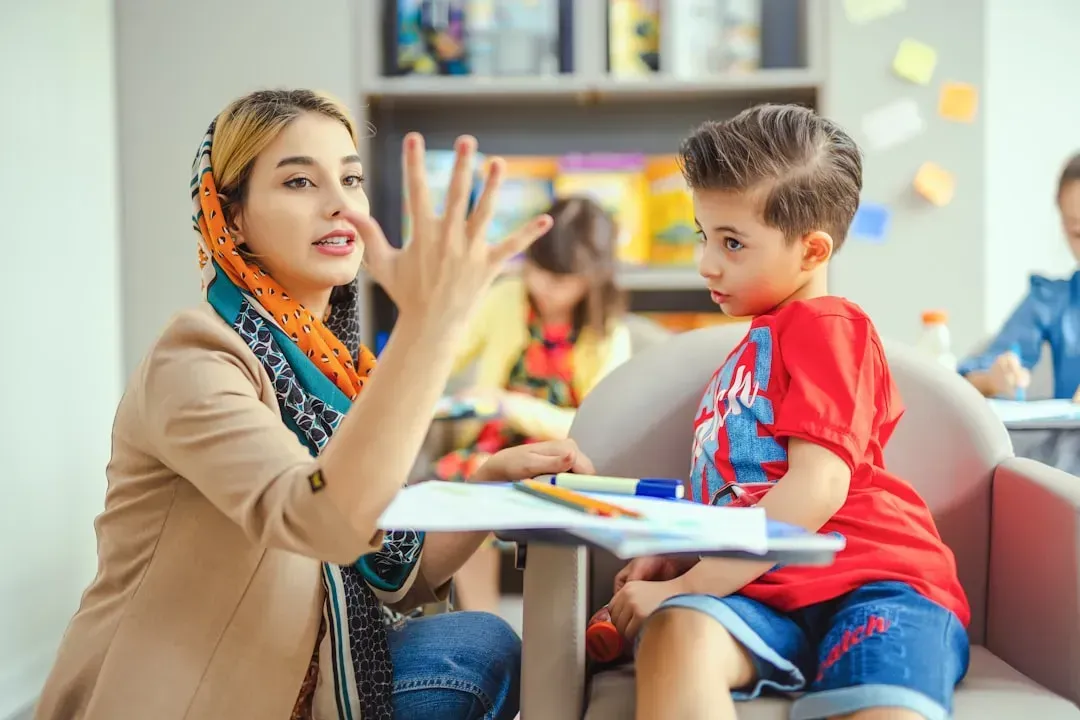
1. Immediately Jumping to the Child's Defense (Image Credits: Unsplash)
According to educators, one of the clearest red flags comes down to parents who immediately jump to their child’s defense and attack the teacher when issues arise. As one teacher put it, parents hurt their child by not making them take any responsibility. This pattern tends to surface during parent-teacher conferences or discipline conversations, and experienced teachers recognize it almost instantly.
If the goal of raising a good person is not mutual between the teacher and the parent, there’s only so much teachers can do. Children who observe this defensive reflex at home quickly learn that consequences don’t apply to them, and they bring that expectation directly into the classroom.
2. Refusing to Acknowledge That a Child Makes Mistakes

2. Refusing to Acknowledge That a Child Makes Mistakes (Image Credits: Unsplash)
Teachers describe this habit as deeply demoralizing. It completely undermines their relationship with the child and puts all control in the hands of the student rather than the adult. Children’s brains haven’t developed enough to make all their own choices and decisions, which is precisely why structured schooling exists. Teachers are there to help kids learn from mistakes, yet some parents simply refuse to acknowledge that those mistakes are happening.
Many educators describe a pattern in which they are expected to address both academic gaps and behavioral issues without consistent reinforcement from home environments. When a parent’s default response is denial, that reinforcement disappears entirely, and teachers are left managing consequences that were never allowed to take root.
3. Unlimited and Unmonitored Screen Time at Home

3. Unlimited and Unmonitored Screen Time at Home (Image Credits: Unsplash)
Experienced teachers can often tell which children are getting heavy screen time at home. One kindergarten teacher in Boston observed that those kids simply can’t sit still for a five or ten minute period of time. That observation isn’t just anecdotal. A survey by the EdWeek Research Center found that the vast majority of teachers, principals, and district leaders said that as students’ screen time increased, so did learning challenges. The same survey found that roughly four in five educators said student behavior got worse as a result.
The recent surge in digital usage has been linked to sleep disturbances, poor academic performance, attention deficits, emotional dysregulation, and reduced prosocial behavior among children. Parents who hand over devices without boundaries or conversations about usage are, in teachers’ eyes, creating conditions that make classroom learning significantly harder for everyone involved.
4. Helicopter Parenting That Prevents Independent Thinking

4. Helicopter Parenting That Prevents Independent Thinking (Image Credits: Unsplash)
An analysis of 53 studies and over one hundred effect sizes revealed that helicopter parenting was associated with increased internalizing behaviors and reduced academic adjustment, self-efficacy, and regulatory skills. Teachers see this play out daily. Students who have never been allowed to sit with a problem before someone swoops in to fix it often shut down the moment a task feels hard.
When parents consistently intervene to prevent difficulties, solve problems, and eliminate consequences, children never build the mental muscle memory needed for adult success. This kind of overprotection deprives children of opportunities to be creative, to problem-solve, to develop coping skills, to build resilience, and to discover what makes them happy and who they are.
5. Pressuring Children Into Academic Tracks They're Not Ready For

5. Pressuring Children Into Academic Tracks They're Not Ready For (Image Credits: Pexels)
One of the hardest parts of being a teacher is watching students get pushed into honors or advanced placement classes they’re not ready for, all because of pressure from families or cultural expectations. Teachers see students who would thrive in standard classes, building real confidence and earning strong grades, instead get overloaded with multiple advanced courses just to chase a weighted GPA.
The drive to project achievement outward, whether for college prospects or social standing, can seriously backfire. Students in the wrong academic lane tend to experience anxiety, shame around grades, and a fragile relationship with their own intelligence. Teachers often watch them disengage entirely rather than admit they’re struggling.
6. Letting Children Opt Out of Uncomfortable Experiences

6. Letting Children Opt Out of Uncomfortable Experiences (Image Credits: Pixabay)
Some teachers have observed parents who either stop sending their children to school on field trip days or arrange for them to sit in another classroom. When asked why, parents explain that the child simply doesn’t want to go. Teachers strongly disagree with this approach. Having a child participate in a field trip, even when they’re nervous or expect it to be dull, is a powerful way to show them that good things can happen when you take a risk.
Avoiding discomfort entirely doesn’t protect kids. It teaches them that discomfort is a valid reason to disengage. Teachers report that students with this pattern often struggle with group activities, transitions, and anything that falls outside their comfort zone.
7. Treating Every Achievement as Worthy of a Celebration

7. Treating Every Achievement as Worthy of a Celebration (Image Credits: Pexels)
There’s nothing wrong with recognizing a child’s effort. The issue arises when the bar for celebration drops so low that children begin to expect external praise for ordinary, everyday behavior. Thoughtful parents teach their children that they are not the center of the universe, that their actions affect others, and that their children learn to be accountable for the consequences of their own choices. They do not expect constant rewards for ordinary civil behavior, and children raised this way appreciate structure and boundaries.
Teachers note that children need to develop the ability to cope with negative emotions, particularly disappointment, rejection, impatience, and boredom. Teachers are extremely limited in how much they can redirect emotionally when students have never been expected to manage those feelings on their own. A classroom is not built to deliver constant positive reinforcement for basic participation.
8. Failing to Prioritize Academic Habits at Home
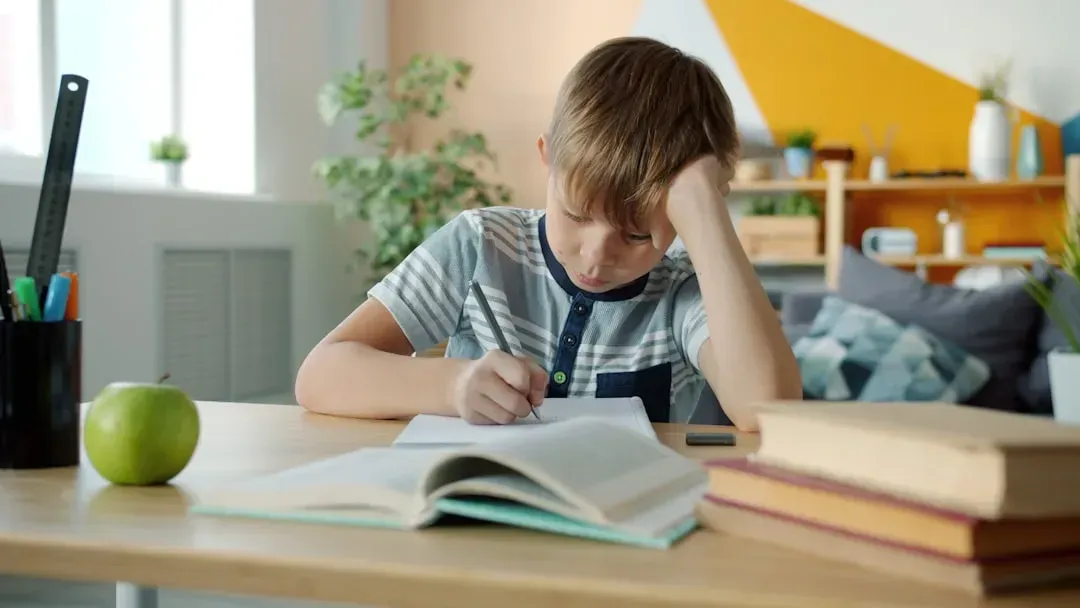
8. Failing to Prioritize Academic Habits at Home (Image Credits: Unsplash)
A teacher’s frustration over students lacking basic skills is striking a significant chord in educational circles. One middle school teacher described repeated experiences with students lacking foundational knowledge, attributing the issue not to learning disabilities, but to what they see as a lack of reinforcement at home, where academic habits like reading or completing assignments simply are not being prioritized.
Research from the National Parent Teacher Association found that three key parent behaviors are among the most accurate predictors of student academic achievement, transcending both family income and social status: creating a home environment that encourages learning, communicating high yet reasonable expectations, and staying involved in a child’s education. When those three things are absent, teachers often describe feeling like they’re building on sand.
9. Showing Disrespect Toward Teachers in Front of Children

9. Showing Disrespect Toward Teachers in Front of Children (Image Credits: Pexels)
Teachers describe the lack of basic manners as something that directly reflects parenting. Children are sponges. They mimic exactly what they see, hear, and feel from the people they live with. When a parent openly dismisses, criticizes, or speaks poorly of a teacher in front of their child, that child arrives at school with an already diminished respect for the adult in charge of their learning.
Some parents behave with breathtaking disrespect, rudeness, and a sense of entitlement that experienced teachers count among the primary reasons for the ongoing teacher shortage. Research consistently shows that teachers and school leaders who build effective and collaborative partnerships with parents can significantly shape the education and wellbeing outcomes of their students. That partnership becomes nearly impossible when mutual respect isn’t modeled at home first.