
Couples often walk into therapy convinced that the right words will fix things. They rehearse what to say, choose their tone carefully, try to sound reasonable. Yet experienced therapists say the real story is usually playing out somewhere else entirely, in the tilt of a shoulder, the speed of a glance, the half second before someone answers. These signals are quiet, but they carry weight that spoken words rarely match, and once you know what to watch for, they're hard to ignore.
1. The Eye-Roll That Signals Contempt

1. The Eye-Roll That Signals Contempt (Image Credits: Pexels)
Few gestures make a couples therapist sit up faster than an eye-roll landing mid-sentence. It’s not just rudeness. Hostile humor, name-calling, mimicking, and body language such as eye-rolling and sneering all fall under the same category. Researcher John Gottman has spent decades studying this, and his findings are blunt about what the gesture actually communicates.
It is the eye-roll during an argument that communicates more disdain than any words could. Therapists take note of it because it rarely appears alone. Once it becomes a couple’s default response to frustration rather than an occasional slip, it tends to point toward a much deeper erosion of respect between partners.
2. The One-Sided Lip Curl

2. The One-Sided Lip Curl (Image Credits: Pexels)
This one is subtler than an eye-roll and easy to miss unless you’re trained to look for it. It’s a brief, asymmetrical raise of one corner of the mouth, often gone within a second. Gottman can predict divorce with a staggering 93.6% accuracy just by watching a short, silent clip of a couple interacting, and the cue he looks for is a one-sided mouth raise, a nonverbal sign of contempt.
Therapists take this seriously because unlike a full smile or a scowl, the smirk is hard to fake and hard to hide. It tends to surface in the exact moment a partner feels superior rather than simply annoyed. When it becomes a recurring feature of a couple’s arguments, it often signals that respect has already started to slip beneath the surface conversation.
3. The Blank, Checked-Out Stare
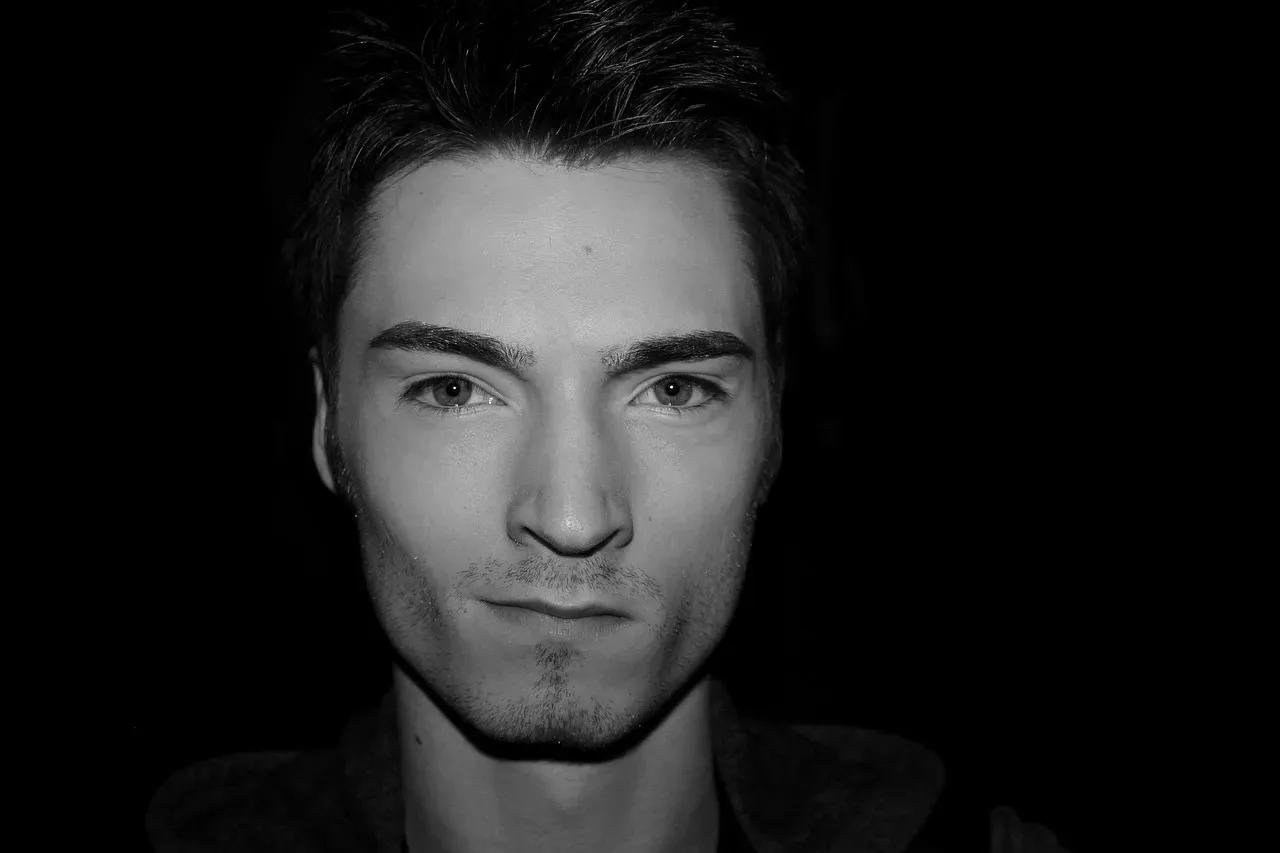
3. The Blank, Checked-Out Stare (Image Credits: Pixabay)
Sometimes the most alarming reaction in a therapy session is no reaction at all. A partner goes quiet, their face goes flat, and their eyes seem to drift somewhere else entirely. Stonewalling is shutting down or withdrawing from a conversation instead of engaging or expressing emotions, especially during conflict, and Gottman identified it as one of the Four Horsemen, the communication patterns that most reliably predict relationship breakdown.
What makes this signal unsettling for therapists isn’t malice. It’s usually the opposite. Stonewalling usually signals emotional flooding rather than indifference, which is exactly why it responds to treatment. Still, when a partner faces that blank wall session after session, the disconnect can feel just as damaging as open conflict, even though the intent behind it is protective rather than punishing.
4. Crossed Arms and Physical Blocking
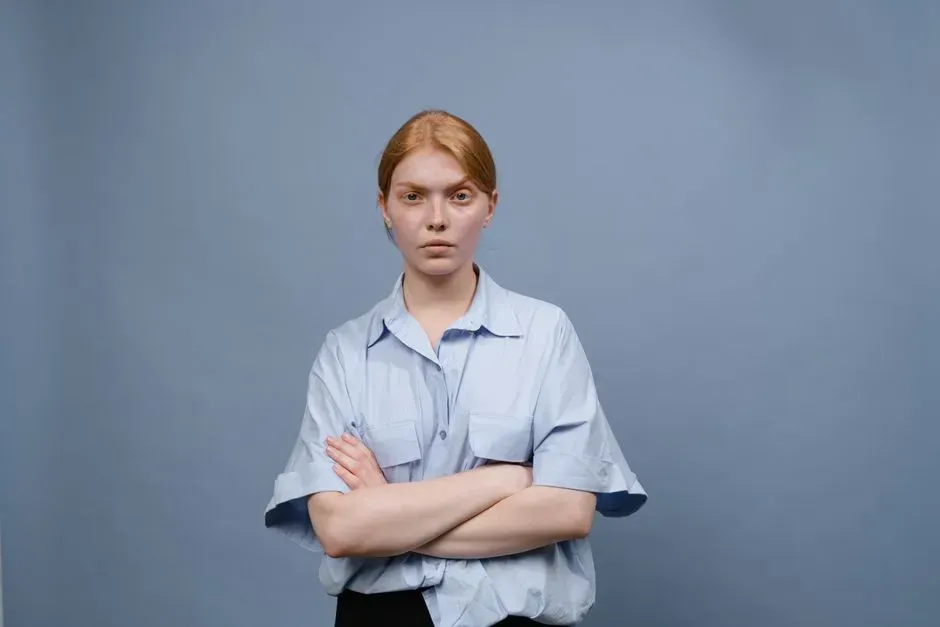
4. Crossed Arms and Physical Blocking (Image Credits: Pexels)
Body posture rarely lies, and crossed arms during a hard conversation are one of the clearest defensive signals a therapist can spot. It’s rarely about being cold in the room. It’s a physical version of the same instinct that shows up verbally when a partner deflects a complaint instead of hearing it.
Defensiveness involves responding to a complaint with counter-complaints, excuses, or righteous indignation instead of taking responsibility. The crossed-arm posture often shows up right alongside that verbal pattern, almost like the body is bracing for an attack that hasn’t actually happened yet. Therapists watch for it because it tends to shut down the very repair attempts a couple needs most in that moment.
5. Turning the Body Away From a Partner

5. Turning the Body Away From a Partner (Image Credits: Pexels)
Where a person angles their torso during conflict says a surprising amount about where they’ve mentally already gone. A partner who squares up and faces the other person is signaling engagement, even in disagreement. One who rotates their shoulders toward the door, the window, or anywhere but their partner is often communicating withdrawal before a single word confirms it.
This kind of physical distancing frequently pairs with the checked-out stare described earlier, and together they paint a picture therapists recognize instantly. Body language encompasses a wide range of non-verbal signals, including facial expressions, posture, gestures, and even the distance one maintains in their partner’s presence. A couple who has stopped orienting toward each other physically has often already started drifting apart emotionally, sometimes before either partner has said it out loud.
6. The Dismissive Sigh

6. The Dismissive Sigh (Image Credits: Unsplash)
It sounds small, almost too minor to matter, yet the sigh that escapes right after a partner speaks can land harder than a sharp comment. It is the dismissive sigh that says, without words, you are pathetic. Therapists hear this constantly in session, often from the partner who insists they’re staying calm and reasonable.
What makes the sigh worth flagging is its timing. It typically follows a specific trigger, usually right after the other partner shares something vulnerable or asks for reassurance. Over time, a partner on the receiving end of frequent sighs starts to anticipate the reaction before speaking at all, which quietly discourages honesty in future conversations.
7. Avoiding Eye Contact During Vulnerable Moments

7. Avoiding Eye Contact During Vulnerable Moments (Image Credits: Pexels)
There’s a difference between glancing away out of habit and actively avoiding a partner’s gaze the moment things get emotionally exposed. Therapists tend to notice the second pattern quickly because it clusters around specific topics rather than showing up randomly. A partner who maintains steady eye contact discussing logistics but suddenly studies the floor when apologies or fears come up is often signaling discomfort with vulnerability itself.
This isn’t necessarily a red flag on its own. Plenty of people struggle with sustained eye contact regardless of relationship health. What concerns therapists more is a consistent pattern where one partner shrinks their gaze specifically during moments that call for emotional presence, since it often mirrors a broader pattern of stepping back exactly when connection is needed most.
8. A Clenched Jaw and Tightened Shoulders

8. A Clenched Jaw and Tightened Shoulders (Image Credits: Pexels)
Physical tension during conflict is the body’s way of showing what someone’s words are trying to smooth over. A clenched jaw, raised shoulders, or a tightly held neck often indicate a nervous system moving into overdrive, a state researchers call flooding. When you notice signs of flooding, like a racing heart, tight chest, or urge to escape, that’s the moment to call a timeout.
Therapists watch for this because flooding rarely leads anywhere productive if it goes unaddressed. Gottman noted that stonewalling often stems from flooding, where one partner feels overwhelmed by relationship conflict. Once a partner’s body visibly tightens up like this, the conversation has usually stopped being about the original issue and started being about basic physiological survival instead.
9. Mismatched or Non-Duchenne Smiles

9. Mismatched or Non-Duchenne Smiles (Image Credits: Pexels)
Not every smile means the same thing, and therapists trained in facial expression know the difference immediately. A genuine smile, often called a Duchenne smile, involves more than the mouth. A genuine smile engages muscles around both the eyes and mouth, creating natural crinkles, while fake smiles typically involve only the mouth muscles, missing the eye crinkling that’s difficult to fake consciously.
When a partner smiles through gritted words or forces a grin while describing something painful, the mismatch is often more telling than what they’re actually saying. Timing, consistency with body language, and whether the smile fades abruptly also reveal sincerity, and fake smile psychology reveals emotional masking, social compliance, or occasionally manipulative intent. Therapists flag this pattern because chronic smile masking often hides resentment or distress that never gets named directly.
10. Out-of-Sync Mirroring
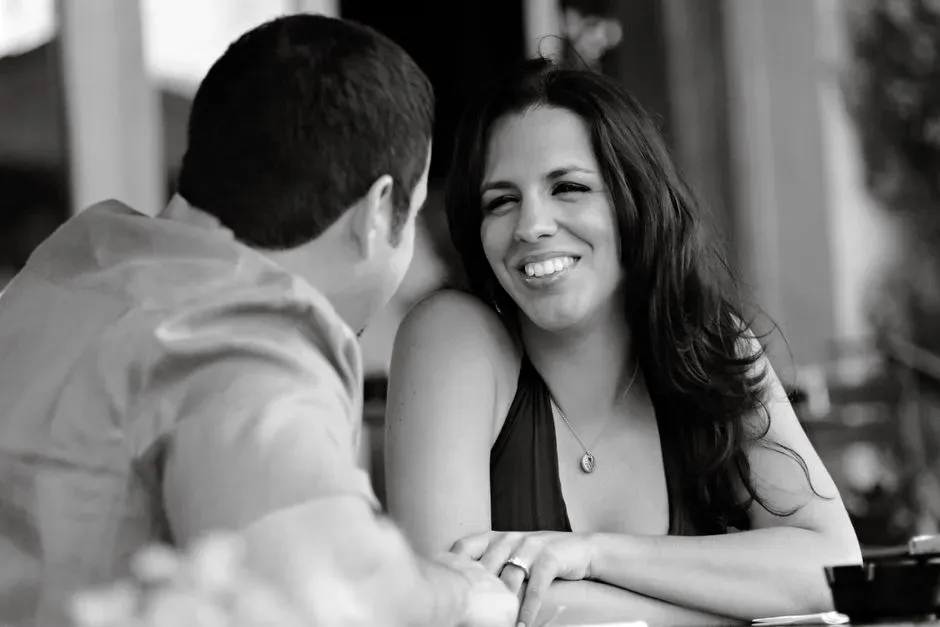
10. Out-of-Sync Mirroring (Image Credits: Pexels)
Healthy couples tend to unconsciously fall into rhythm with each other, matching posture, gestures, and even facial timing without realizing it. Recent research on smile synchrony has given this old observation solid scientific footing. Couples with higher relationship satisfaction display greater smile synchrony, aligning their smiles more closely and quickly during interactions.
The gap between distressed and satisfied couples in this research wasn’t small. Nondistressed couples displayed higher levels of smile synchrony, with an average synchrony score of 0.46 compared to 0.32 for therapy-seeking couples, and they also reciprocated each other’s smiles more quickly, achieving their peak synchrony in about 0.62 seconds versus 1.07 seconds for therapy-seeking couples. Therapists watching for this pattern say a couple that has stopped moving in rhythm together, even in small ways, is often quietly signaling emotional distance that hasn’t been discussed out loud yet.
11. Restless Self-Soothing Fidgeting
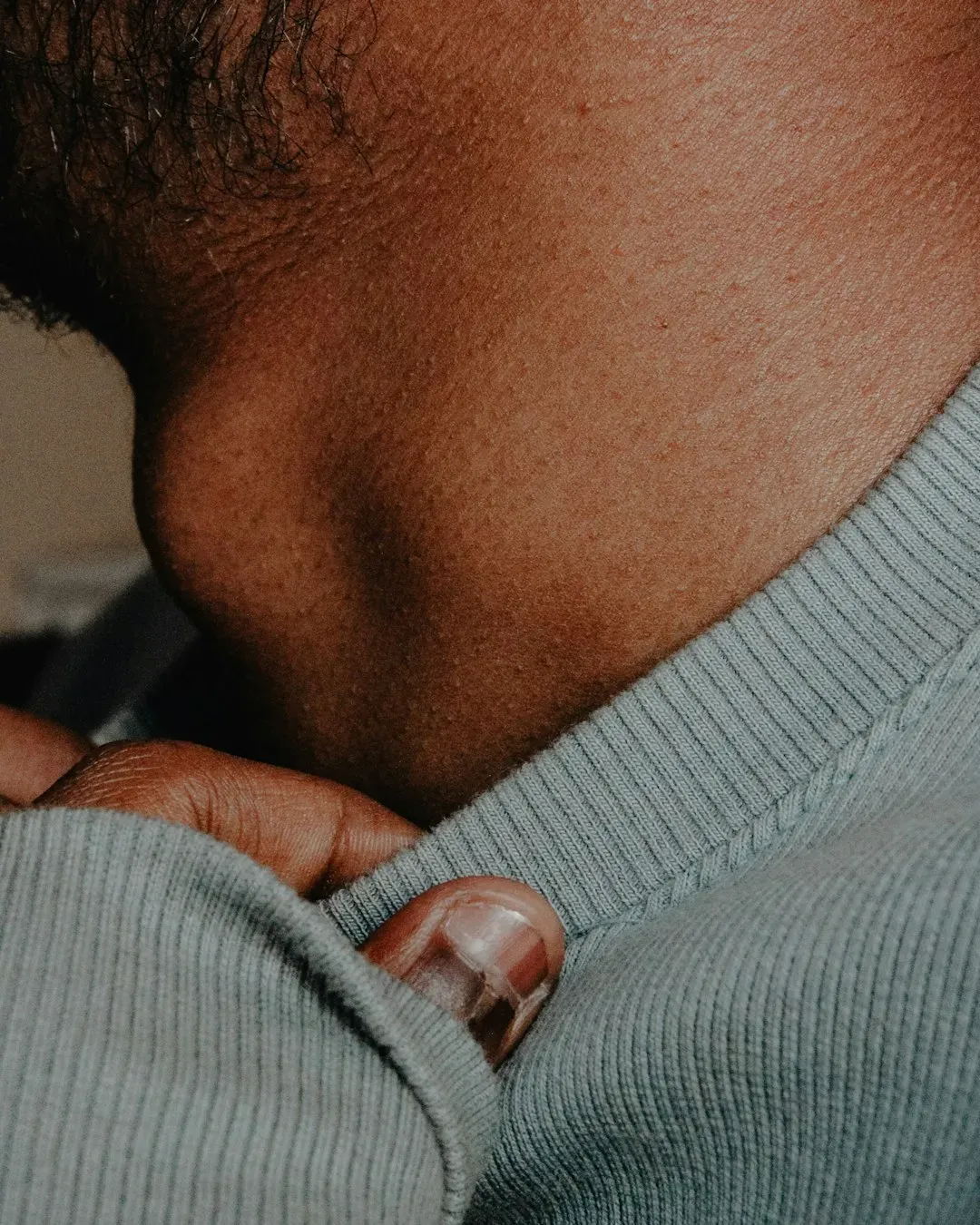
11. Restless Self-Soothing Fidgeting (Image Credits: Unsplash)
Foot tapping, neck touching, hair twirling, or repeatedly adjusting clothing during a hard conversation might look like nervous habit, but therapists read it as a form of self-regulation happening in real time. These small repetitive movements often show up right as a partner’s stress response climbs, functioning almost like a pressure valve. It’s frequently one of the earliest visible signs that someone is nearing the edge of what they can tolerate in a conversation.
What matters most to a trained observer isn’t the fidgeting itself but when it starts and stops. A partner who fidgets constantly regardless of topic is different from one who suddenly starts tapping their foot the second a specific subject comes up. The second pattern tends to point toward an unresolved sore spot that hasn’t been named directly, even though the body has clearly already reacted to it.
Taken together, these eleven signals rarely tell the whole story on their own. Therapists tend to look for clusters and patterns over time rather than reading a single gesture in isolation, since context always shapes what a crossed arm or a sigh actually means in the moment. Still, learning to notice them offers a quieter, often more honest window into how two people are really doing, long before either one finds the right words to say it out loud.