
Every renter has a story about the moment a landlord said something so tone deaf it became a running joke among friends. These phrases circulate widely on renter forums and social media because they capture a specific kind of awkwardness, the sort that happens when someone in a position of power seems completely unaware of how their words land.
What makes these lines so memorable isn’t usually malice. It’s the mismatch between what landlords think they’re communicating and what tenants actually hear. Below are seven of the most commonly cited examples, along with a look at why each one tends to stick in people’s minds long after the lease is signed.
1. "This is basically a luxury unit for the price"

1. "This is basically a luxury unit for the price" (Image Credits: Pexels)
Renters online frequently point to this phrase as an instant credibility killer, especially when the unit in question has visible wear, outdated appliances, or a shared laundry room down three flights of stairs. The word luxury has become so overused in listings and in-person pitches that tenants often treat it as a red flag rather than a selling point. It signals that the landlord may be leaning on vague language instead of addressing specific features or condition issues.
The discomfort here comes from the gap between description and reality. When a tenant walks through a unit and immediately notices peeling paint or a leaky faucet, hearing the word luxury feels almost performative. It's less about anger and more about the secondhand cringe of watching someone oversell something everyone in the room can see clearly for what it is.
2. "I treat this place like it's my own family home"
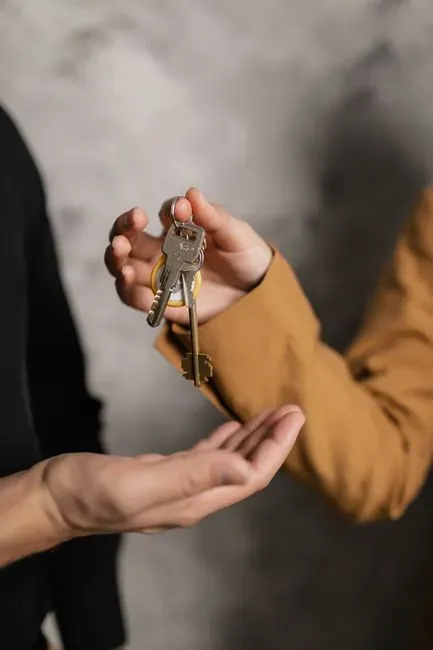
2. "I treat this place like it's my own family home" (Image Credits: Pexels)
This phrase shows up constantly in renter discussions as a line landlords use to justify strict rules or frequent inspections. The intent is usually to convey care, but tenants often hear it as a subtle warning that boundaries will be blurry. Framing a rental as a family home can make renters feel like guests in someone else's space rather than people paying for their own private residence.
The cringe factor intensifies when the phrase is followed by rules that feel more personal than practical, like restrictions on decor or complaints about noise that seem oddly specific. Tenants are quick to notice when sentimental language is used to soften what is functionally a business transaction. The mismatch between warm wording and firm control is exactly the kind of moment that gets recounted later as an example of landlord overreach dressed up as friendliness.
3. "You won't find anything better in this market"
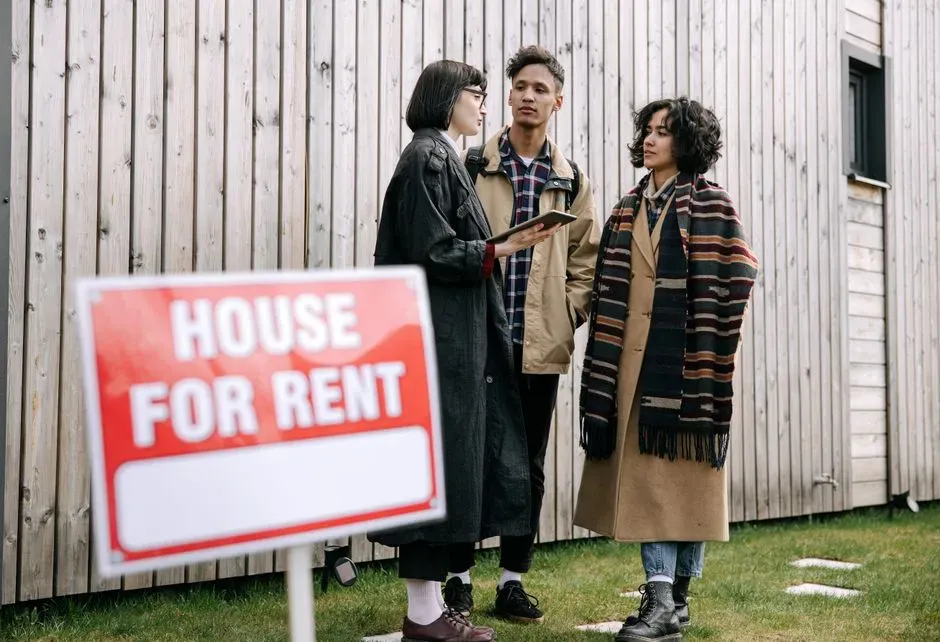
3. "You won't find anything better in this market" (Image Credits: Pexels)
This phrase is a favorite target in renter communities, particularly because it's often stated with total confidence even when it isn't true. Rental markets shift constantly based on location, season, and inventory, so a blanket claim like this can age poorly within weeks. Tenants who later find a comparable or better unit at a similar price tend to remember the moment they were told otherwise with a mix of amusement and mild irritation.
The awkwardness comes from the tone as much as the content. It's usually delivered as a closing tactic, meant to pressure a quick decision, and renters can sense that urgency from a mile away. When the claim turns out to be exaggerated, it retroactively makes the entire interaction feel a little embarrassing for everyone involved.
4. "I'm not really in it for the money"
4. "I'm not really in it for the money" (Image Credits: Unsplash)
This line tends to surface when landlords want to soften a rent increase or a strict policy, framing themselves as reluctant business owners rather than active participants in a for-profit arrangement. Tenants often find it hard to reconcile with the fact that rent is, by definition, a financial transaction. The phrase can feel like an attempt to preempt criticism before it happens, which paradoxically draws more attention to the awkwardness of the situation.
What makes it especially cringeworthy is the contrast with actions that follow. If a landlord who claims disinterest in money raises rent significantly at renewal or adds new fees, the earlier statement becomes almost comedic in hindsight. Renters tend to remember these contradictions vividly, especially when they show up in written communication that can be reread later.
5. "I've never had any complaints before you"

5. "I've never had any complaints before you" (Image Credits: Unsplash)
This phrase is often used defensively, typically in response to a tenant raising a legitimate maintenance issue or concern. It shifts the framing from the actual problem to the tenant's behavior, which tends to feel dismissive rather than reassuring. Renters describe this line as particularly uncomfortable because it implies blame without addressing anything concrete.
The secondhand embarrassment usually comes from friends or roommates witnessing the exchange and realizing the landlord has sidestepped the real issue entirely. It rarely resolves the underlying complaint, and it often escalates tension rather than easing it. Tenants who hear this phrase tend to document it carefully, since it frequently becomes relevant later in disputes over repairs or deposits.
6. "Think of me as your landlord and your friend"

6. "Think of me as your landlord and your friend" (Image Credits: Unsplash)
This phrase blends two roles that most tenants prefer to keep separate, and the discomfort tends to show up almost immediately. A landlord is a legal and financial relationship, while friendship implies a different kind of trust and informality. When those lines blur, tenants often feel unsure how to respond to requests, whether it's a favor, a late payment, or a maintenance delay framed as something a friend would understand.
The cringe intensifies when the friendliness doesn't hold up during actual conflict, such as a dispute over a security deposit or a lease violation. Suddenly the friendly framing disappears, and the relationship reverts to a strictly contractual one. Tenants often describe this shift as the most awkward part, since it reveals that the earlier warmth was more of a talking point than a genuine dynamic.
7. "Everyone else loves living here"
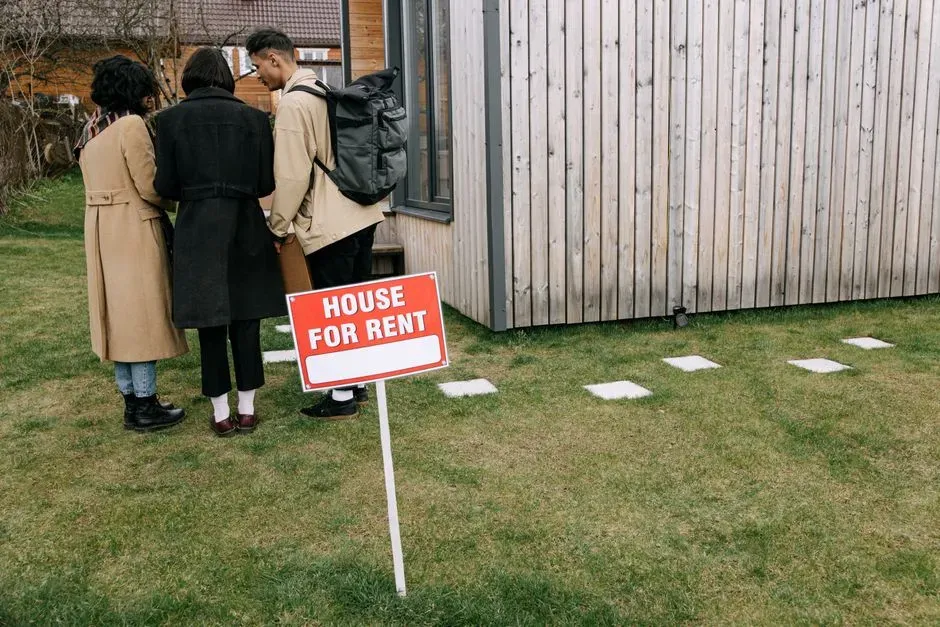
7. "Everyone else loves living here" (Image Credits: Pexels)
This phrase is commonly used to deflect concerns during move-in or lease renewal conversations, implying that any hesitation is unusual or unwarranted. Tenants often find it hard to verify, and it can feel like a subtle pressure tactic rather than a genuine reassurance. Online renter communities frequently cite this line as a moment where the landlord seemed more focused on closing a deal than addressing specific worries.
The awkwardness compounds when tenants later encounter neighbors with a very different experience, revealing that the claim was, at best, a generalization. It becomes a well known example of how vague reassurance can backfire once reality sets in. Many renters recall this phrase specifically because it undercuts trust the moment contradictory evidence appears.
These phrases persist in renter culture because they represent a recurring pattern of intention not matching delivery. In most cases, the underlying goal is reassurance, control, or persuasion, but the execution ends up producing discomfort instead. Recognizing these lines helps both tenants and landlords understand where communication tends to break down in everyday rental interactions.