
Every generation picks up its survival skills on a different schedule. Boomers grew up without smartphones to answer every question, so a lot of practical knowledge got absorbed by necessity, often before they even hit their teens. Gen Z, raised in a world of instant information and outsourced tasks, sometimes reaches these same milestones years later, not because they're less capable, but because the path to learning looked completely different.
This isn't a story about one generation being sharper than another. It's more about timing, circumstance, and what daily life actually demanded at age twelve versus what it demands now. Here's a look at eleven everyday competencies that boomers typically mastered early, and why Gen Z often catches up on their own terms.
1. Reading a paper map or giving directions without GPS

1. Reading a paper map or giving directions without GPS (Image Credits: Pixabay)
Before turn by turn navigation existed, boomers had to learn how to read road atlases, memorize routes, and give verbal directions that actually made sense to another driver. Getting lost meant pulling over, asking a stranger, or backtracking with nothing but instinct and street signs to guide you. That kind of spatial reasoning got built early because there was no alternative.
Gen Z grew up with GPS apps doing the mental work, so many don’t develop strong wayfinding skills until they’re forced into a situation without signal, like a remote hiking trail or a foreign country with patchy data. Some studies on navigation habits suggest heavy reliance on turn by turn apps can actually weaken a person’s internal sense of direction over time. It’s not that younger people can’t learn it, they just often learn it later, usually the hard way.
2. Cooking a full meal from scratch

2. Cooking a full meal from scratch (Image Credits: Pexels)
Many boomers were expected to help in the kitchen from a young age, whether that meant peeling potatoes for a family dinner or learning to make a basic roast because someone had to. Home economics classes were also common in schools through the 1960s and 70s, reinforcing skills at an institutional level. By their late teens, a lot of boomers could put together a complete meal without a recipe in hand.
Gen Z has grown up with meal delivery apps, pre-portioned kits, and endless takeout options, which means the pressure to learn scratch cooking often doesn’t show up until they’re living alone and tired of spending money on food delivery. Cooking shows and online tutorials have made the learning curve faster once they start, but the starting point itself tends to arrive later, often in college or their first apartment rather than the family kitchen.
3. Managing money without a banking app

3. Managing money without a banking app (Image Credits: Pexels)
Boomers often opened their first bank account as teenagers and had to physically visit a branch, write checks, and balance a checkbook by hand to avoid overdraft fees. Budgeting meant tracking cash in an envelope or a ledger, which made the consequences of overspending immediate and visible. That friction, annoying as it was, taught financial discipline early simply because mistakes were harder to hide from yourself.
Gen Z’s relationship with money is shaped by digital banking, buy now pay later services, and cashless transactions that can make spending feel abstract. Financial literacy surveys have repeatedly shown that younger generations report lower confidence in basic money management skills like budgeting and understanding credit, despite having more financial tools at their fingertips. The skill isn’t absent, it just tends to develop after a few costly lessons rather than through years of forced practice.
4. Fixing small things around the house
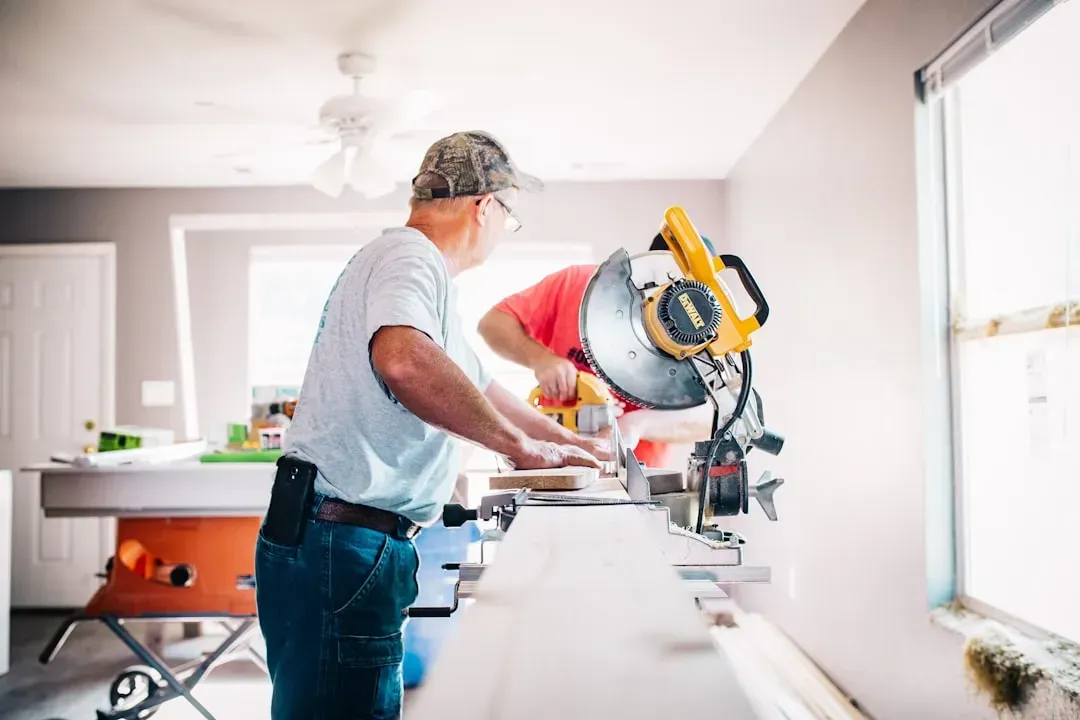
4. Fixing small things around the house (Image Credits: Unsplash)
Growing up in an era before same day replacement parts and online repair tutorials, boomers often had to fix a leaky faucet, patch drywall, or troubleshoot a broken appliance simply because calling a professional was expensive or slow. Fathers and mothers passed down basic mechanical knowledge out of necessity, and kids picked up tools early just by watching and helping. It became a normal part of growing up in a household that fixed things rather than replaced them.
Gen Z has access to an enormous library of YouTube repair videos, which theoretically makes learning easier than ever. Still, the instinct to attempt a repair before calling someone else often develops later, usually once renting an apartment or owning a first home makes basic maintenance unavoidable. The information is there, but the early hands-on exposure that boomers had built in from childhood simply isn’t as common anymore.
5. Handling boredom without a screen

5. Handling boredom without a screen (Image Credits: Unsplash)
Without smartphones, streaming services, or constant notifications, boomers spent long stretches of childhood with nothing scheduled and nothing to scroll through. That forced a kind of self-entertainment, building forts, reading whatever book was around, or simply sitting with unstructured time until something interesting happened. Psychologists have long argued that this kind of boredom actually helps develop creativity and independent thinking in children.
Gen Z grew up with constant digital stimulation available from a young age, which means the skill of comfortably doing nothing often gets learned much later, sometimes not until a digital detox, a long flight, or a deliberate effort to cut back on screen time forces the issue. Mental health researchers have noted rising interest among younger adults in boredom tolerance as a skill worth practicing intentionally, precisely because it wasn’t built in early the way it was for previous generations.
6. Writing a formal letter or filling out paperwork by hand

6. Writing a formal letter or filling out paperwork by hand (Image Credits: Unsplash)
Boomers grew up in a world run on paper. Applying for a job, requesting a document, or communicating with any institution usually meant writing a formal letter or filling out a physical form with correct formatting and legible handwriting. Schools reinforced this by teaching penmanship and letter writing as standard curriculum, so the skill became second nature well before adulthood.
Gen Z operates almost entirely in digital formats, from online job applications to text based communication, which means formal paper correspondence is something many encounter rarely until a specific bureaucratic situation demands it, like notarizing a document or filling out a government form that hasn’t gone digital yet. When that moment arrives, it can feel unexpectedly unfamiliar, a small gap in an otherwise tech fluent skill set.
7. Negotiating in person

7. Negotiating in person (Image Credits: Pexels)
Whether it was haggling at a flea market, negotiating a used car price, or asking a boss for a raise face to face, boomers had more regular exposure to in person negotiation simply because so many transactions happened without a screen between people. That repetition built comfort with direct confrontation and back and forth bargaining at a younger age. It wasn’t necessarily comfortable, but it was common.
Gen Z tends to communicate more through text, email, and digital platforms, which can make in person negotiation feel like an unfamiliar skill that gets developed later, often in a first salary negotiation or a major purchase like a car or an apartment lease. Career experts frequently point out that younger workers report more anxiety around salary negotiation conversations, partly because they simply haven’t had as many low stakes opportunities to practice the skill earlier in life.
8. Sitting through discomfort without immediate escape

8. Sitting through discomfort without immediate escape (Image Credits: Unsplash)
Boomers grew up in an environment where waiting was simply part of life, waiting for a letter, waiting in line, waiting for a phone call on a shared landline. There was no scrolling to pass the time, so tolerating discomfort or delayed gratification became a skill absorbed almost passively through everyday friction. It wasn’t taught directly, it was just how the world worked.
Gen Z’s world moves at a much faster pace, with instant messaging, same day delivery, and on demand entertainment shaping expectations from an early age. Learning to sit with discomfort, whether it’s an uncomfortable conversation or a slow moving process, often gets developed later in adulthood, sometimes through therapy or mindfulness practices that many younger adults have actively sought out, according to mental health surveys showing rising engagement with these tools among younger demographics.
9. Basic car maintenance
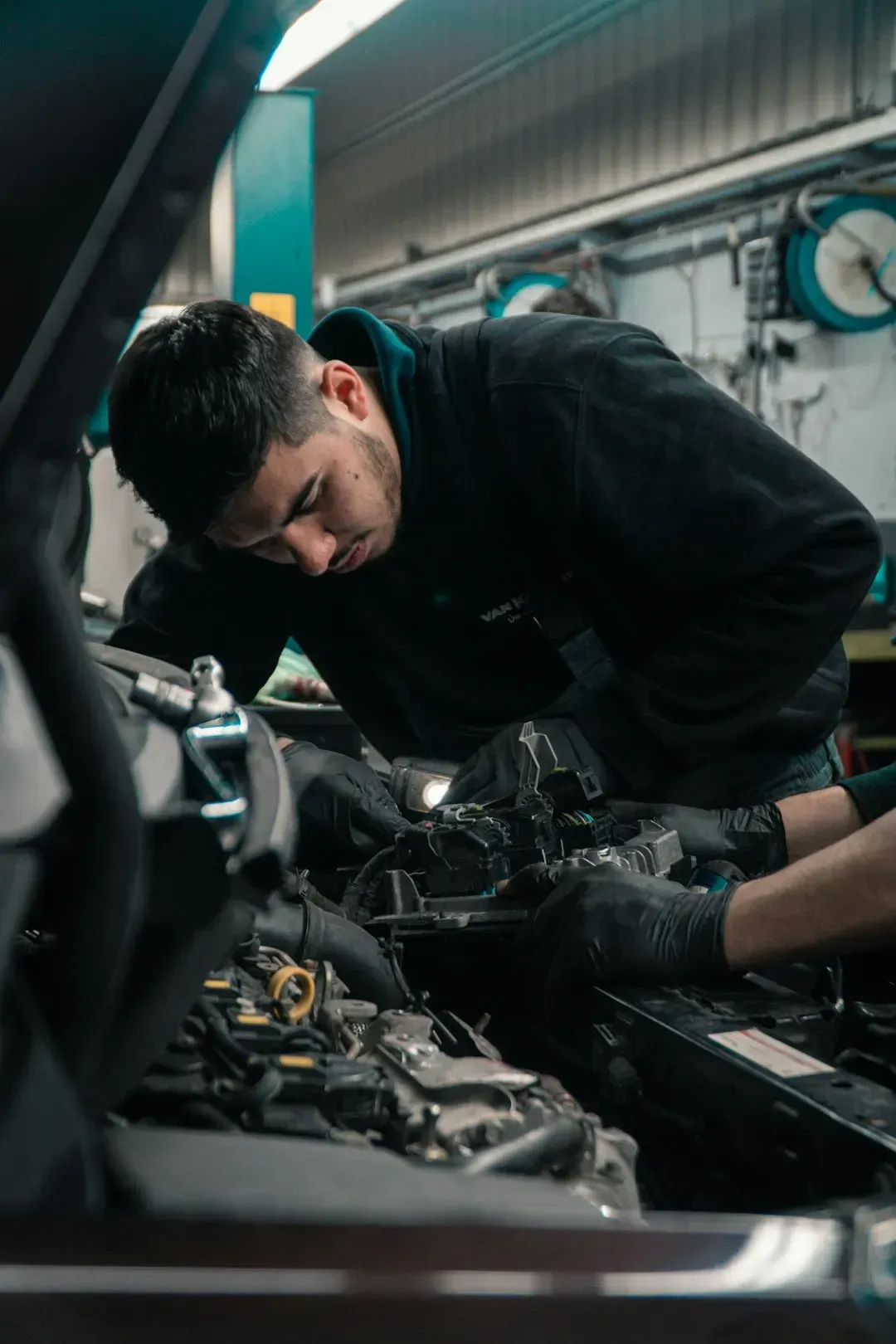
9. Basic car maintenance (Image Credits: Unsplash)
Many boomers learned to check oil levels, change a tire, or jump start a battery as teenagers, often taught by a parent or through required driver’s education classes that included hands on car care. Owning a car back then usually meant knowing at least the basics of keeping it running, since roadside assistance wasn’t as universally accessible or affordable. That knowledge became a rite of passage tied closely to getting a driver’s license.
Gen Z, especially in urban areas, is less likely to own a car early or at all, given rising costs and greater availability of rideshare and public transit options. When they do start driving, basic maintenance knowledge often gets picked up later, sometimes only after a breakdown forces a crash course learned through a mechanic or an online tutorial rather than a parent’s guidance.
10. Handling face to face conflict

10. Handling face to face conflict (Image Credits: Pexels)
Boomers grew up resolving disagreements largely in person, whether with siblings, coworkers, or neighbors, because there was no option to mute a conversation or delay a response indefinitely. That constant exposure to direct confrontation built a tolerance for uncomfortable conversations relatively early in life. Avoiding conflict simply wasn’t as easy when most interactions happened face to face.
Gen Z has more tools to sidestep direct confrontation, from muting group chats to communicating disagreements through text rather than in person. Workplace communication researchers have observed that younger employees often report more discomfort with direct verbal conflict resolution, which means this skill frequently develops later, often through professional environments that require it rather than through the informal social friction that shaped earlier generations.
11. Building patience for slow processes

11. Building patience for slow processes (Image Credits: Pexels)
From developing photos at a store to waiting weeks for a mailed check to clear, boomers were surrounded by processes that simply took time, and there was no way to speed them up. That environment cultivated patience almost by default, since impatience didn’t change how long anything actually took. Delayed gratification wasn’t a skill to be practiced, it was baked into daily life.
Gen Z has grown up with same day shipping, instant streaming, and real time updates on nearly everything, which can make slower processes feel unusually frustrating when they do arise, like a mortgage approval or a government application. The patience for these slower systems often develops only once they’re unavoidable, typically in early adulthood when bureaucracy and long term planning become a bigger part of daily responsibilities.
None of this means one generation is better equipped than the other for modern life. It simply reflects how different environments shape different timelines for learning the same practical skills.