
Most couples assume it’s the big blowups that do the real damage. The yelling matches, the slammed doors, the nights spent on the couch. In reality, therapists who spend years sitting with struggling couples will tell you something more unsettling: it’s usually the quieter, more habitual phrases that hollow a relationship out from the inside. The words that feel almost ordinary are often the most corrosive.
What follows isn’t a list of dramatic insults. Several of these phrases sound like things almost anyone might say on a rough afternoon. That’s precisely what makes them so worth understanding. Marriage counselors hear them constantly, and they know, from both research and experience, what these words tend to leave behind.
1. "You Always Do This" / "You Never Listen"
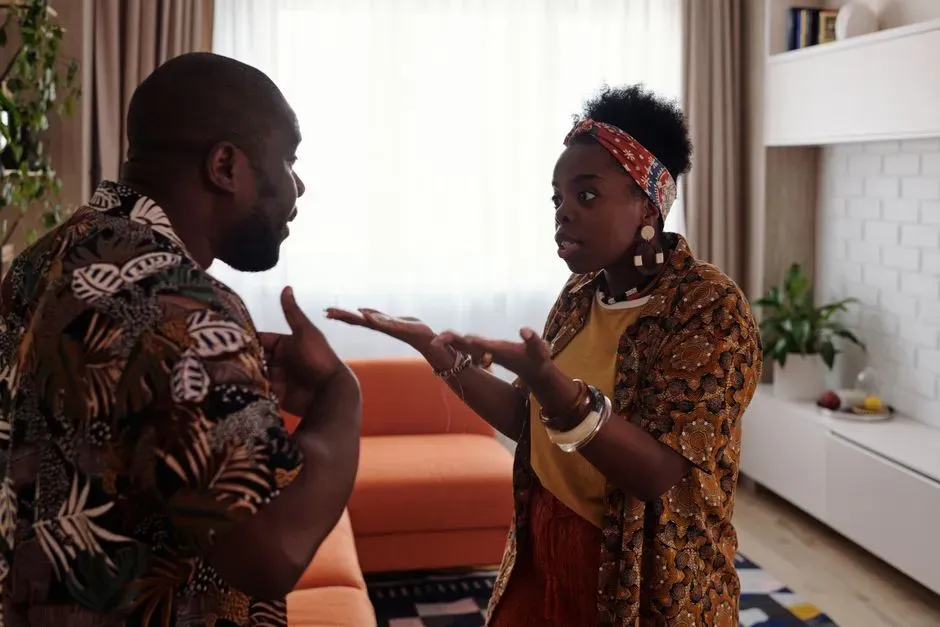
1. "You Always Do This" / "You Never Listen" (Image Credits: Pexels)
When you say something like "you always forget" or "you never listen," you're not making a complaint about a specific behavior. Instead, you're making character verdicts: sweeping indictments that leave the recipient with nothing to defend against and nowhere to go. It's the difference between addressing an action and attacking a person's entire identity.
Partners get defensive when they hear phrases like "You never listen" or "You always make everything about yourself." These accusations come from unmet needs and feelings of being unsupported. Partners feel unfairly judged and misunderstood when they hear generalizations like "always" or "never." The conversation stops being about solving anything and starts being about winning, which means nobody does.
2. "I Don't Even Know Why We're Still Together"

2. "I Don't Even Know Why We're Still Together" (Image Credits: Pexels)
Threatening divorce or separation during marriage counseling is one of the most damaging things you can say. Not only does it escalate conflict, but it also creates an atmosphere of fear and instability that makes it nearly impossible for constructive dialogue to take place. When you use threats like "I don't even know why we're still together," you undermine the purpose of counseling, which is to work through issues and find common ground.
Saying these words, even casually, can feel like someone said the fatal words "If you feel that way, maybe we should get a divorce." After all, these words can threaten the sense of trust and security in a marriage. Once spoken, they tend to linger far longer than the argument that produced them.
3. "You're Too Sensitive"
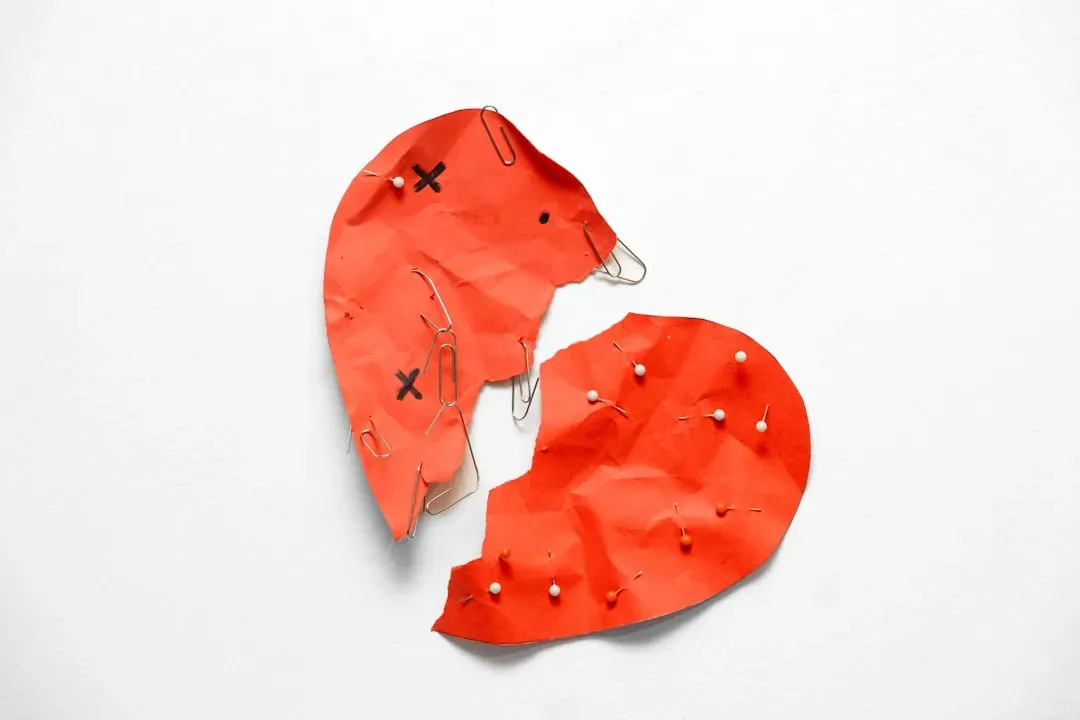
3. "You're Too Sensitive" (Image Credits: Unsplash)
This is the single most dangerous communication pattern identified in relationship science. Gottman's observational research on couples found that contempt and criticism were strongly correlated with each other and with worsening relationship satisfaction over time. A partner who is regularly told they are "too sensitive" does not become less sensitive. Instead, they become less willing to share what they feel, which means the relationship is increasingly navigated at the surface, where nothing real is ever said.
The phrase signals emotional dismissal without technically raising a voice. Your partner becomes scared to share feelings when you dismiss their emotions. This creates a loop of growing emotional distance. The worst damage happens when couples miss chances to be emotionally close. Telling someone their reaction is the problem keeps the real issue permanently off the table.
4. "Fine. Do Whatever You Want."

4. "Fine. Do Whatever You Want." (Image Credits: Pexels)
The statement "Fine. Do whatever you want" is likely to make your partner feel unimportant. Instead, try to express how their actions make you feel. It reads as total disengagement, which, to most partners, stings more than a direct argument ever could. At least a fight signals that someone still cares enough to engage.
Few words communicate emotional disengagement more clearly than a seemingly innocuous "whatever." In relationship psychology, this phrase reflects a pattern known as stonewalling, in which one partner shuts down or withdraws from interaction. The passive withdrawal half of this pattern, where one partner disengages while the other is left trying to break through, is precisely what this perpetuates. Research shows couples engaged in this demand-withdraw pattern experience lower relationship satisfaction, less intimacy, and poorer communication, and the pattern is associated with anxiety and physiological stress responses as well.
5. "If Only You Would Change"

5. "If Only You Would Change" (Image Credits: Unsplash)
This phrase is a red flag because it places the responsibility for the relationship's success solely on one person. While it's natural to feel frustrated with your partner's behaviors at times, healthy relationships require both people to hold some accountability. Pinning all of a couple's problems on one partner's behavior creates a one-sided dynamic that therapy can rarely fix alone.
This phrase is a red flag because it places the responsibility for the relationship's success solely on one person. While it's natural to feel frustrated with your partner's behaviors at times, healthy relationships thrive on mutual effort and understanding. Counseling helps both partners take accountability and fosters a collaborative approach to growth. The moment growth becomes someone else's job, it usually stops happening entirely.
6. "I No Longer Love You"

6. "I No Longer Love You" (Image Credits: Unsplash)
These statements can be extremely hurtful and might make the partner feel rejected or hopeless. While you may be feeling disillusioned or frustrated, stating you no longer love your partner can derail productive conversation and damage trust. If you're considering separation or divorce, therapy is the time to explore those feelings, not use them as a threat.
Even when said in the heat of a terrible moment, this phrase carries enormous weight. Certain statements, no matter how unintended, can undermine the counseling process and cause further damage to the relationship. Whether out of frustration, anger, or emotional pain, saying the wrong thing in counseling can lead to hurt feelings, defensiveness, or even a breakdown in communication. Some words, once said, become reference points a relationship can't stop returning to.
7. "That's Just How I Am"

7. "That's Just How I Am" (Image Credits: Pexels)
This phrase might be one of the more quietly devastating ones, because it frames change as impossible before anyone has even tried. It tells a partner that their concerns don't matter enough to prompt any reflection. Resignation is one of the most dangerous mindsets in a marriage. When one person stops believing they can grow, they're also stopping their partner from believing the relationship can.
People repeat relationship clichés like they are sacred truths. Some of the old relationship advice and sayings are helpful, but a lot of it creates guilt, disconnection, power struggles, emotional suppression, and unrealistic expectations. Many couples enter marriage carrying a backpack full of these phrases and bring them up often as a defense or an excuse for a misguided decision. "That's just how I am" is perhaps the most self-defeating version of all of them.
8. "You're Just Like Your Mother/Father"

8. "You're Just Like Your Mother/Father" (Image Credits: Unsplash)
Comparisons to a partner's parents cut at something deeper than the argument at hand. They reframe a specific frustration as a permanent, inherited flaw, which is nearly impossible to respond to constructively. What couples fail to recognize is that the person named is actually irrelevant. The real message will always remain the same: "You're not enough." Over time, this kind of comparison can give rise to irreparable insecurity issues. Rather than feeling loved for who they are, the person on the receiving end will start questioning their worth and constantly wonder if they're living up to expectations.
Defensive responses and blame create a space where no one feels emotionally safe. Instead of promoting understanding, these patterns lead to what therapists call "negative filters," where partners start seeing even normal actions in a bad light. Invoking family comparisons tends to lock both people into exactly that kind of distorted perception.
9. "I'm Done With This Relationship"

9. "I'm Done With This Relationship" (Image Credits: Unsplash)
The statement "I'm done with this relationship" is likely to make your partner feel hopeless and will not help resolve the conflict. Instead of telling your partner that you're done with the relationship, try to express your commitment to finding a resolution. Said in the middle of a session or a fight, this phrase lands like a verdict rather than a feeling, and it's very hard to walk back without both people feeling off-balance for a long time after.
These phrases signal emotional withdrawal and can make the partner feel like the relationship isn't worth fighting for. They also discourage any hope of reconciliation. A counselor's job becomes significantly harder the moment a session contains a declaration like this, because the therapeutic work that remains has to happen under the shadow of what was just said.
10. "This Is Just the Way It Is, I Guess"

10. "This Is Just the Way It Is, I Guess" (Image Credits: Unsplash)
The phrase "This is just the way it is, I guess" signals resignation, and resignation is one of the most dangerous mindsets in a marriage. It communicates that a person has stopped looking for solutions and is simply waiting for something to either stay bad or fall apart. Unlike anger, resignation doesn't create heat. It creates distance, quietly and efficiently.
So many of the couples therapists meet with simply don't see how their words and body language, even if they are not yelling, are disrespectful. Therapists have seen couples who have a hard time repairing trust that was broken during embroiled and ugly fights. It's vital to examine the kinds of communication that go under the radar as disrespectful. Awareness is the first step in taking accountability for your words. Resignation is the point at which awareness has stopped entirely.
11. "If You Really Loved Me, You Would…"

11. "If You Really Loved Me, You Would…" (Image Credits: Pexels)
Accusing your significant other with phrases like "If you really loved me, you'd do this for me!" can place a huge burden on a relationship. If you have concerns about the way your partner approaches certain issues, you can make that known through techniques like the "I feel" statement. Conditional love framing turns ordinary disagreements into loyalty tests, and nobody feels safe in a relationship that constantly puts their devotion on trial.
Four Horsemen communication patterns, including criticism, contempt, defensiveness, and stonewalling, predict divorce with 93.6% accuracy according to Dr. John Gottman's research, but couples therapy and evidence-based interventions can help partners recognize and replace these destructive habits with healthier communication skills. The phrase "if you really loved me" tends to trigger all four of those patterns at once, because it is simultaneously a criticism, an invitation to defensiveness, a form of contempt, and a reason to withdraw. Recognizing it for what it is may be the first genuinely useful step a couple takes together.
Words accumulate. The phrases above rarely end a relationship in a single conversation, but they do their work steadily, making trust harder to rebuild each time they appear. The encouraging part of what counselors and researchers consistently find is that awareness creates an opening. When couples recognize these patterns early, the trajectory can shift. The damage done by words isn't always undoable, but it becomes far less likely when both people understand what they're actually saying.