
Home design has always been cyclical, but something different seems to be happening in the current market. Trends that were once genuine selling points – things agents actively highlighted in listing copy – are now prompting eye-rolls, hesitations, and in some cases, outright deal-breakers. Buyers in 2025 and 2026 are more informed, more budget-conscious, and more discerning than any generation before them.
Design trends come and go, but the homes that sell best balance style, function, and livability. Heading into this period, there’s been a clear shift in what today’s buyers value and what’s starting to feel dated. Here are eight once-popular home trends that real estate professionals say are now costing sellers attention – and sometimes offers.
1. The All-Gray Everything Interior
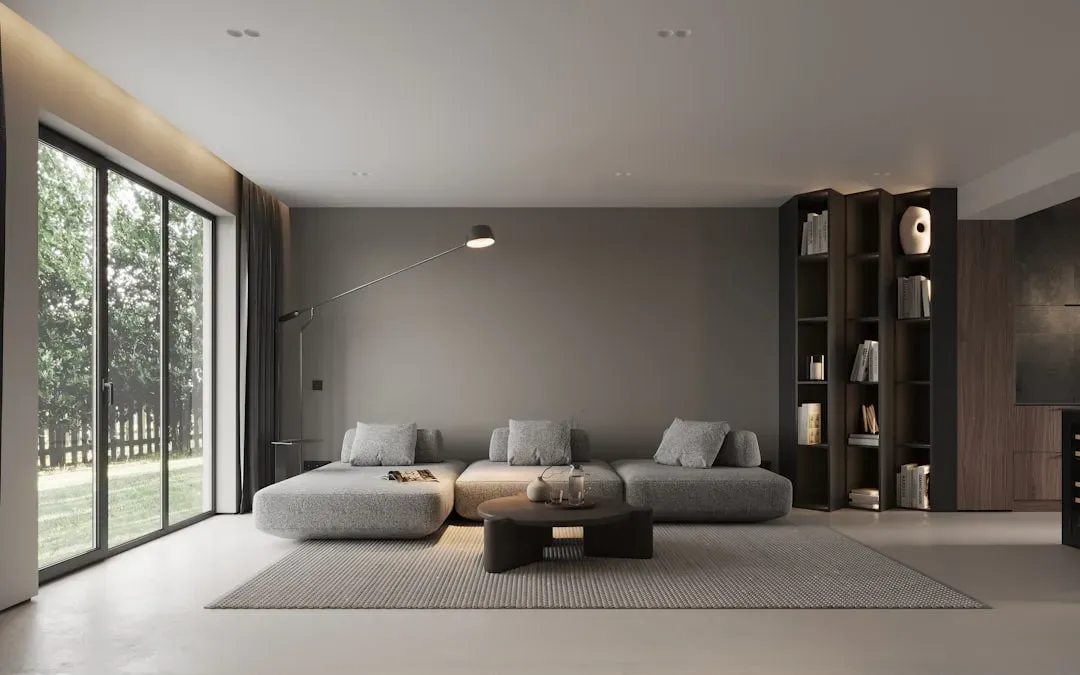
1. The All-Gray Everything Interior (Image Credits: Unsplash)
For years, real estate investors and home flippers relied on gray walls, gray flooring, and gray cabinets to create a "modern" look. In 2025, this trend is essentially dead. Buyers now see all-gray interiors as cold, outdated, and overdone. It was everywhere for so long that it stopped feeling like a design choice and started feeling like a default.
The gray flooring craze continues to cool. Surging in popularity from 2018 to the early 2020s, the look can now make spaces feel cold and washed out. Warm, natural wood tones are taking over, connecting interiors more to nature. Buyers now prefer warm neutrals like soft beiges, taupes, and earthy tones, with natural wood finishes and subtle color variation helping homes feel more inviting.
2. The Overly Rustic Farmhouse Aesthetic
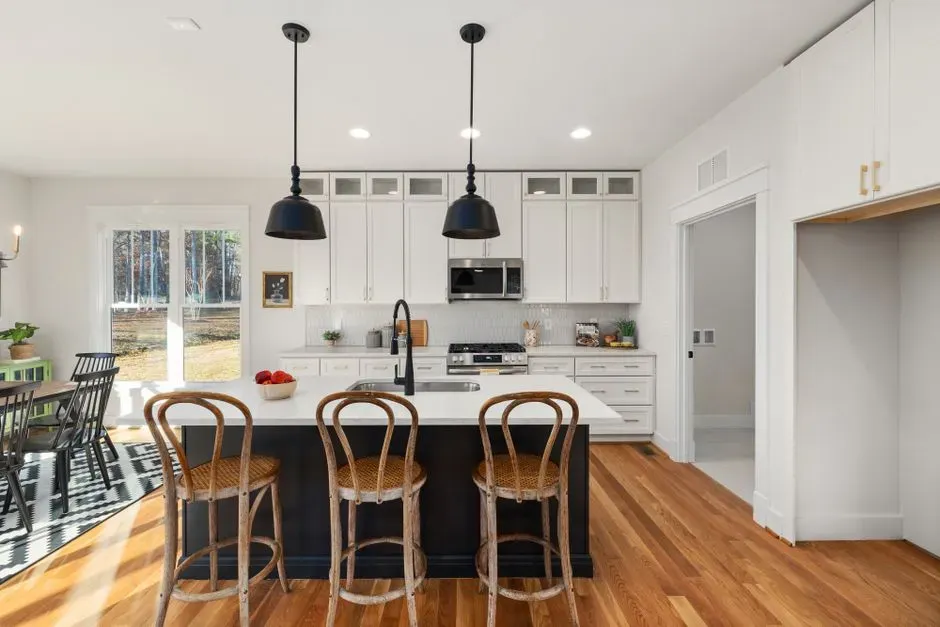
2. The Overly Rustic Farmhouse Aesthetic (Image Credits: Pexels)
For the last decade, farmhouse design dominated house flips. Think shiplap walls, barn doors, and rustic beams. In 2025, the overly "rustic chic" look is officially outdated, with buyers moving toward sleek, modern, and transitional designs that feel less theme-heavy.
Shiplap, once the darling of DIY remodels, now feels busy and overdone. Open shelving, while charming in theory, is rarely practical for everyday living. Barn doors don't offer much privacy or sound control, and buyers are noticing. What they prefer instead are pocket doors, traditional hinged doors, or modern sliding options that blend better with the architecture of the home.
3. Wall-to-Wall Carpeting in Main Living Areas
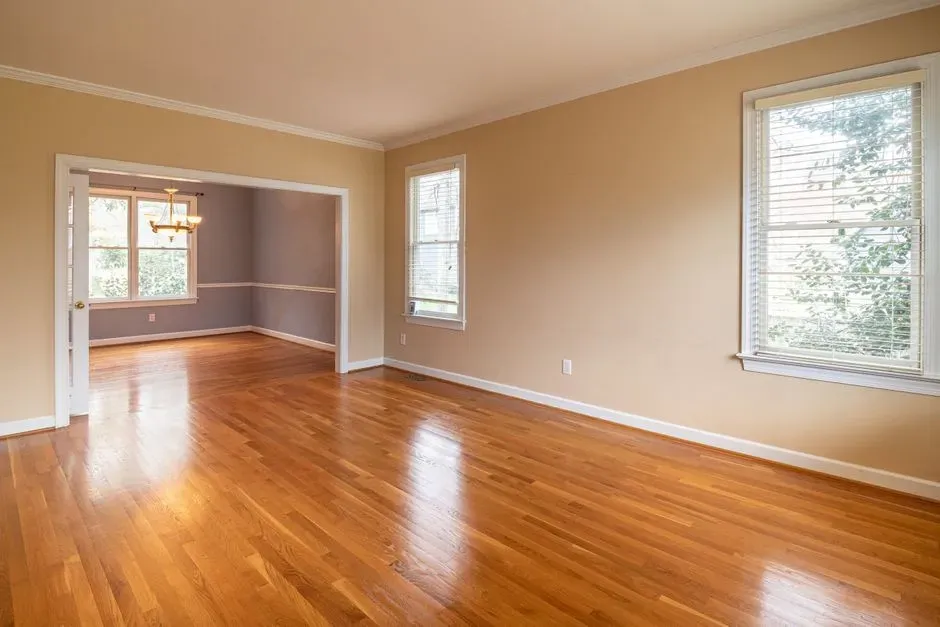
3. Wall-to-Wall Carpeting in Main Living Areas (Image Credits: Pexels)
Wall-to-wall carpet is officially out. Today's buyers overwhelmingly prefer hardwood, vinyl plank, or tile for easier cleaning and a more modern look. Carpeting is often associated with allergens, stains, and dated design. Even if the carpet is new, many buyers see it as something they'll have to replace.
Buyers in 2025 expect hard flooring in main living areas. Carpet is seen as high-maintenance, prone to stains, and less durable than modern flooring options. What truly hurts resale is worn, stained, or odor-holding carpet anywhere in the house. Old carpet with visible traffic lanes, pet odor, or dated colors signals deferred maintenance, and buyers mentally subtract the cost of renovation from their offer.
4. The All-White Kitchen
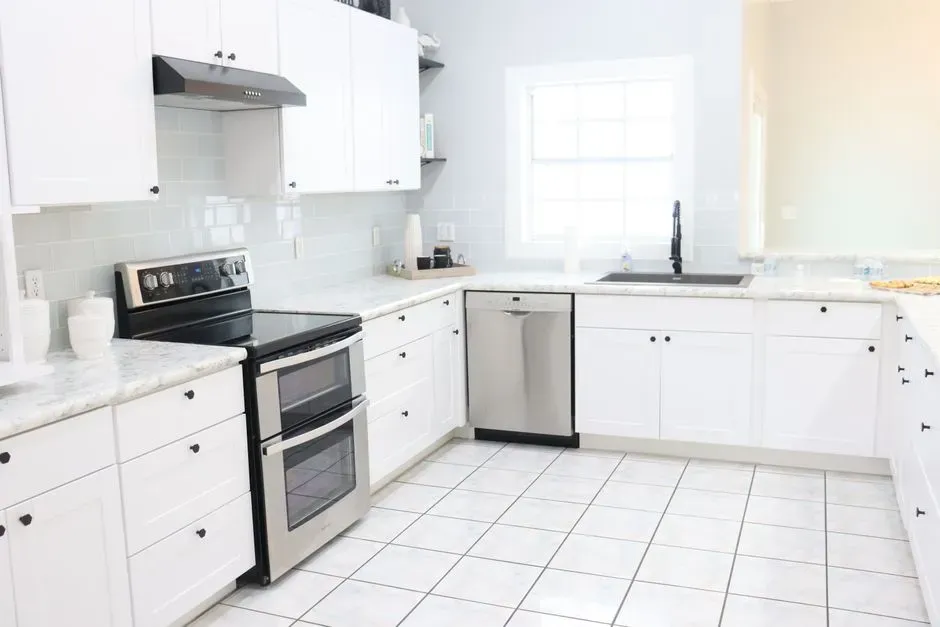
4. The All-White Kitchen (Image Credits: Pexels)
The once-beloved all-white kitchen is starting to feel sterile and outdated. While still a classic choice, buyers are moving toward more personality in their kitchen designs. For a stretch of nearly ten years, white cabinets with white countertops and white subway tile backsplashes appeared in virtually every remodeled kitchen. That ubiquity is now its undoing.
All-white kitchens have had a solid run, but they've become predictable and a kitchen cliché. Today's homeowners want warmth and personality. Better alternatives include two-toned cabinetry, statement islands, and bold countertops. Warm wood cabinets mixed with painted elements like deep green, navy, or beige are making kitchens feel more unique and inviting.
5. Unlimited Open-Concept Floor Plans
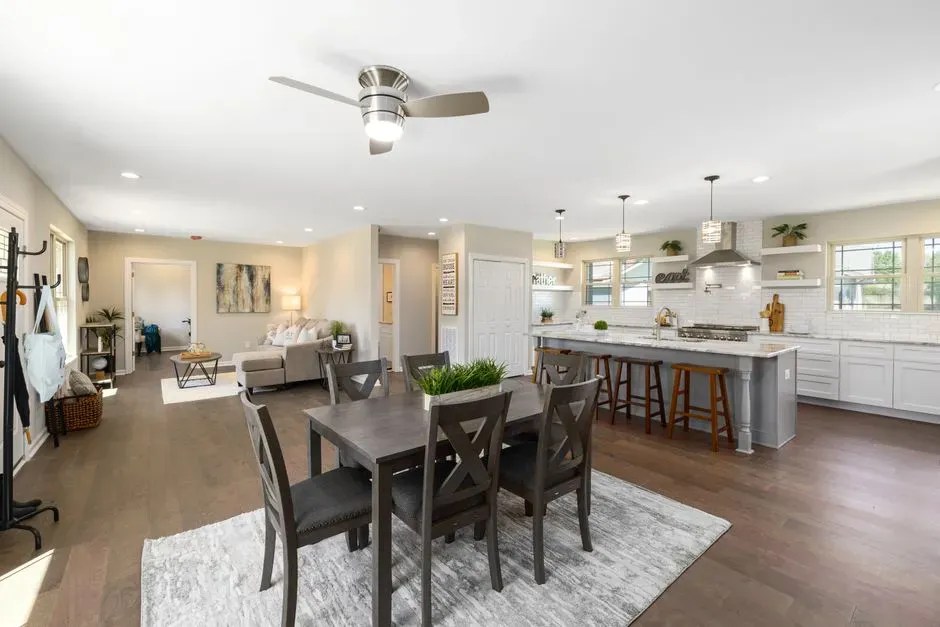
5. Unlimited Open-Concept Floor Plans (Image Credits: Pexels)
For years, open floor plans were the gold standard in residential real estate. Home buyers were long drawn to the airy feel, openness, and sunlight-filled spaces. Yet in recent years, with the rise of working from home, multigenerational households, and a greater emphasis on privacy, home buyers are beginning to reconsider knocking down walls. Priorities appear to be gradually shifting from spacious, open vibes to sustaining a lifestyle where a little closed-offness may prove beneficial.
In the era of remote work, homeschooling, and multi-generational living, everyone needs a little space. An open-concept layout can make that tricky. Suddenly, the "great room" feels more like a shared office, cafeteria, and daycare. Walls serve a purpose, and in many homes, their absence is being felt. Buyers are starting to appreciate more purposeful layouts. Open concept isn't dead, but it's no longer the automatic resale boost it once was.
6. Industrial-Style Lighting Fixtures
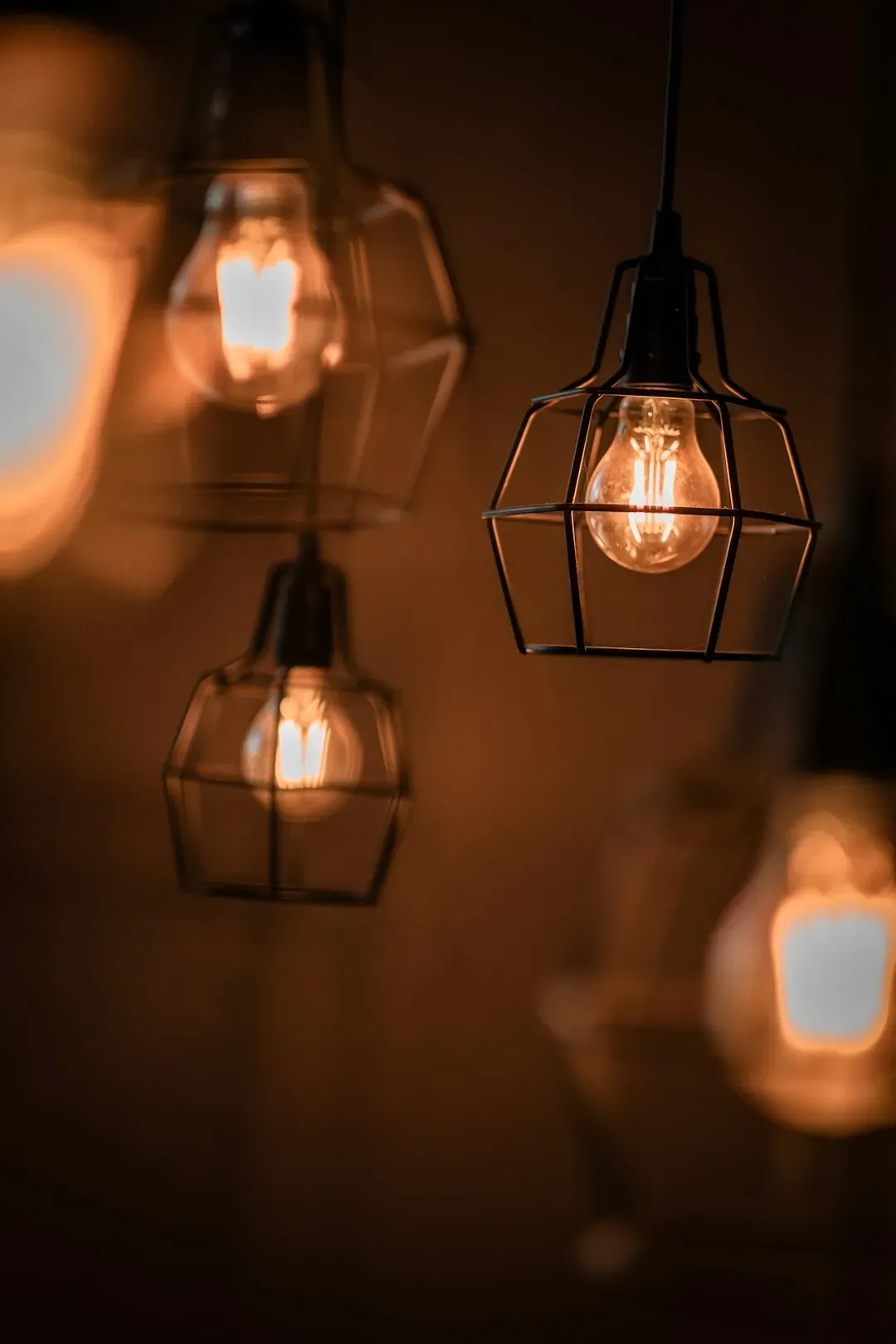
6. Industrial-Style Lighting Fixtures (Image Credits: Unsplash)
Black metal cage lights and exposed bulbs were once a staple in modern house flips, but buyers are over the harsh, cold lighting that comes with industrial-style fixtures. Instead, they're looking for warm, inviting lighting that complements their space. The trend tracked perfectly with the broader farmhouse and loft aesthetic, but as both of those have faded, the fixtures have dated quickly alongside them.
Better alternatives include sleek, minimal pendant lights and statement chandeliers in warm tones like brushed gold, brass, or soft black. Buyers today are gravitating toward lighting that feels intentional and layered rather than industrial-surplus. Uniform finishes from room to room are also starting to feel dated. Homes where every light fixture, cabinet pull, and finish matches exactly can feel overly staged. What buyers prefer instead is thoughtful variety – mixed metals, layered textures, and subtle contrasts that add character while still feeling cohesive.
7. Bold Accent Walls and Extreme Paint Choices
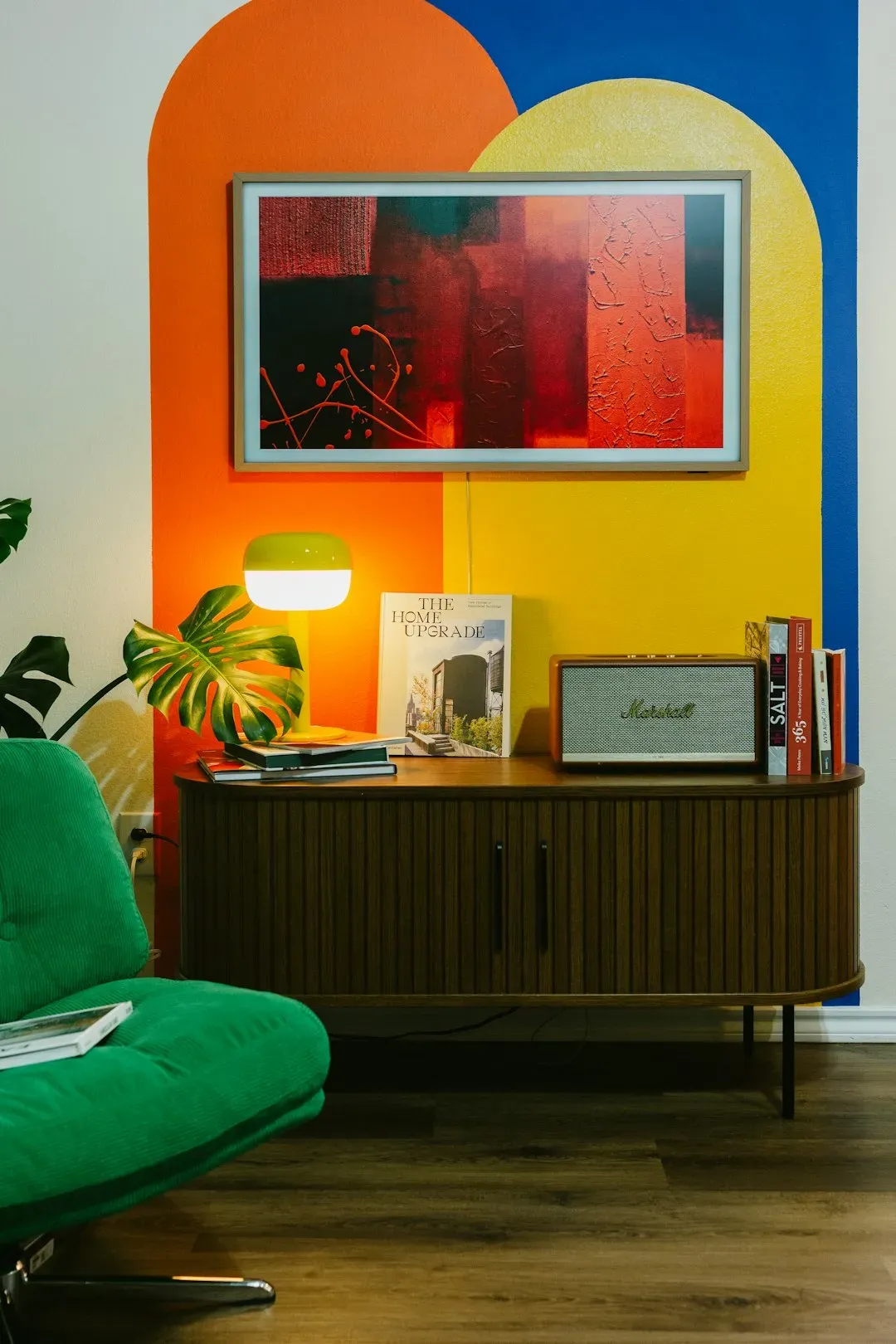
7. Bold Accent Walls and Extreme Paint Choices (Image Credits: Unsplash)
More than half of real estate agents surveyed by Better Homes & Gardens Real Estate called red walls an instant buyer deterrent. Red also ranked high on a 2025 survey of the most off-putting interior colors for home selling, which also included lime green, bold pink, purple, orange, and mustard yellow. Agents are consistent on this point: highly personal color choices force buyers to mentally budget for repainting before they've even made an offer.
From a bold paint pop to wallpaper, accent walls have long been an easy way to add interest, but many designers see this look as overdone and predict they'll finally fade in 2026. Clients are now opting for more dramatic, full-room approaches. Real estate polls find that "new neutrals" reign – colors like soft greens, warm grays, and nature-inspired tones – because buyers crave calm, move-in ready spaces, not bold personal statements they'll have to cover later.
8. Plantation Shutters Throughout the Home
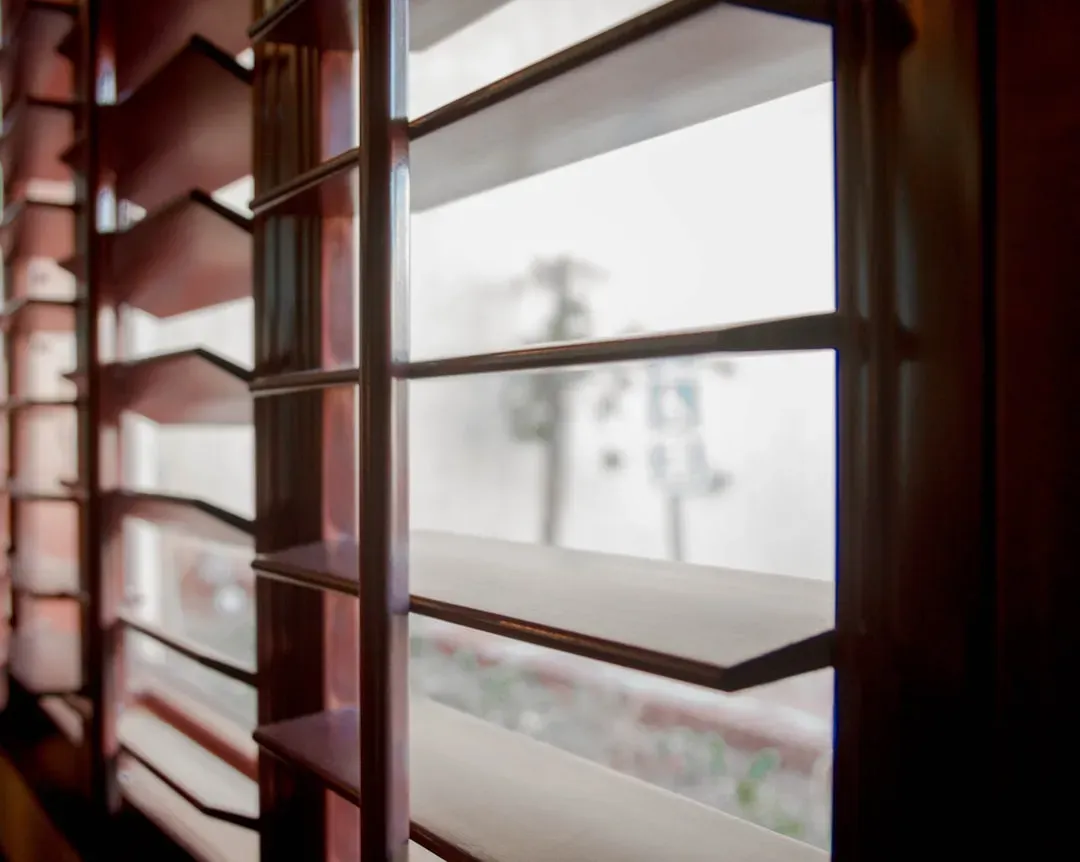
8. Plantation Shutters Throughout the Home (Image Credits: Unsplash)
Plantation shutters may be pricey, but they block natural light and views – two major concerns for buyers. If possible, removing them entirely is recommended. Consider roller shades, Roman shades, or full-length draperies hung high and wide to let light in and add height to a room. For a long time, plantation shutters felt like an upgrade. Now they're reading more like a fixture from a particular era of interior design that buyers are actively looking to move past.
Homes need to be in great condition to compete and create a strong "online curb appeal." Well-maintained homes and attractive features are major factors that buyers look for. Window treatments play a bigger role in first impressions than sellers often realize, especially in listing photos. Keeping things neutral, clean, and functional, and highlighting natural light, lets buyers imagine their future in a home rather than its past.