
Most grandparents have the best possible intentions. They’ve been through the sleepless nights, the tantrums, and the teenage drama, and they genuinely want to help. That love is real and it matters. Still, good intentions don’t always translate into behavior that parents find easy to live with.
The tension between parents and grandparents is surprisingly common. Nearly half of parents describe disagreements with one or more grandparent about their parenting, with one in seven going so far as to limit the amount of time their child sees certain grandparents. These frictions rarely blow up into outright arguments. More often, they simmer quietly, one small overreach at a time. Here’s a look at the patterns that come up most often.
1. Ignoring Dietary Rules and Sneaking in Sweets
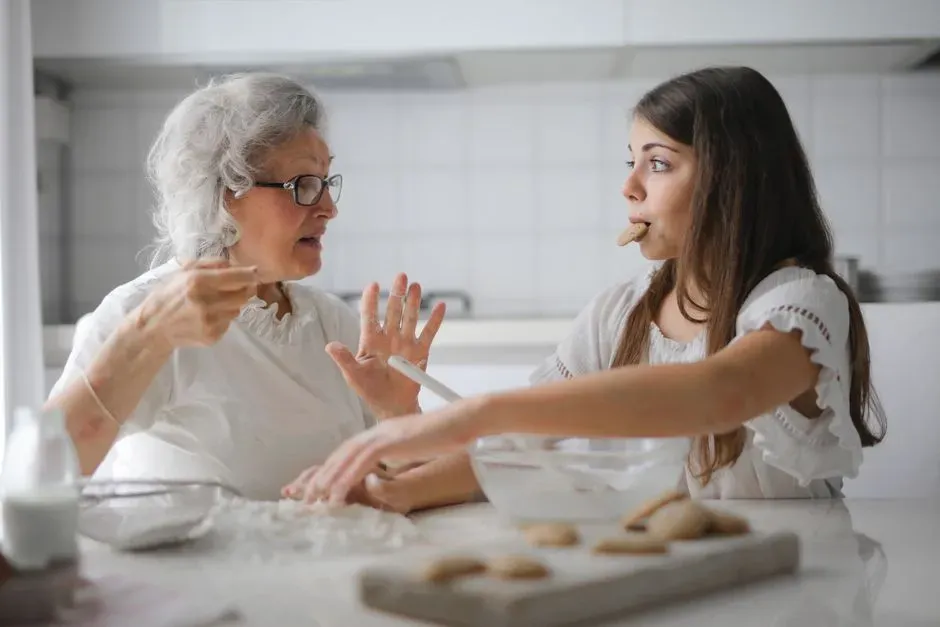
1. Ignoring Dietary Rules and Sneaking in Sweets (Image Credits: Pexels)
Few things frustrate parents faster than carefully managing a child's diet all week, only to have it undone in a single afternoon at Grandma's house. Cookies for breakfast, staying up late, and a little more TV than usual: for some families, what happens at grandma's house stays at grandma's house. The problem is that kids notice the double standard, and they learn to work it.
Disputes between parents and grandparents most commonly involve discipline, meals, and screen time. Food is near the top of that list precisely because it feels low-stakes to grandparents but very deliberate to parents who may be managing allergies, sugar sensitivity, or simply trying to build healthy habits early. A cookie here and there isn't the issue. The pattern is.
2. Undermining Discipline in the Moment
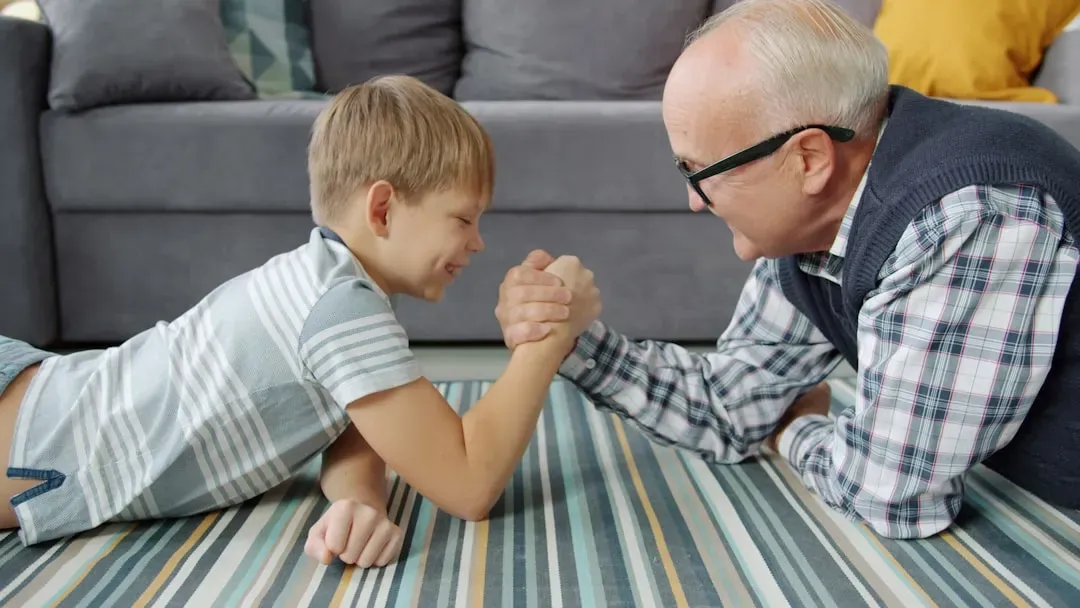
2. Undermining Discipline in the Moment (Image Credits: Unsplash)
Grandparents may undermine parents in various ways, such as disregarding rules or routines set by parents, spoiling or indulging grandchildren, criticizing parenting decisions, or contradicting parents' disciplinary actions. The undermining often happens casually and without any apparent awareness. A parent says no, a grandparent quietly says yes, and the child files that away instantly.
Undermining parents in front of children by saying things like "Mom's being too strict" or "Just this once won't hurt" is one of the most frequent missteps that strains the grandparent-parent relationship. The consequences can be significant and may include tension and conflict within the family, confusion and anxiety for children, and a breakdown in trust and communication between parents and grandparents.
3. Offering Outdated Parenting Advice as Though It's Gospel
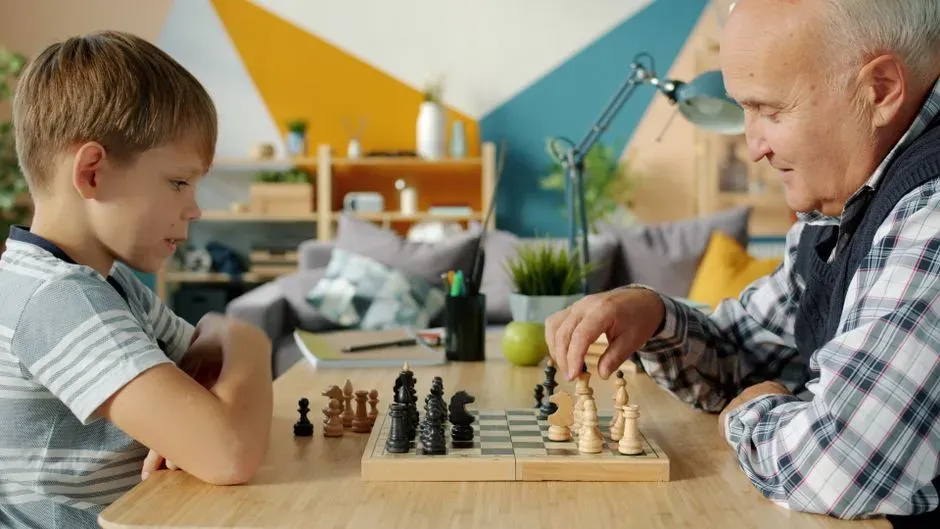
3. Offering Outdated Parenting Advice as Though It's Gospel (Image Credits: Pexels)
Grandparents may have a tendency to offer unsolicited advice, which can sometimes be overwhelming for new parents. The advice itself isn't always wrong, but a lot of it reflects practices from two or three decades ago that medical and child development research has since revised. Safe sleep guidelines, car seat standards, and feeding recommendations have all changed substantially.
There have been changes in how society views certain parenting practices, such as spanking as a disciplinary tool or the age at which children can stay home alone. New research on child health and safety can lead to disagreements if grandparents refuse to put babies to sleep on their back or do not use a booster seat when driving grandchildren to preschool. Parents aren't being difficult when they push back. They're following current guidance.
4. Posting Photos on Social Media Without Permission

4. Posting Photos on Social Media Without Permission (Image Credits: Unsplash)
Parents made clear to grandparents that they did not want their child's face shared online, and yet they'd hop on social media only to find their child's face plastered all over their feed, courtesy of Grandma or Grandpa. This is one of the most common friction points in families right now, and it's not a trivial one. Parents have real, considered reasons for keeping their children's images off public platforms.
The extensive use of artificial intelligence programs has led to the creation of deepfake content where the images of real people, including children, are superimposed on harmful material. According to the National Center for Missing and Exploited Children, half of the photos shared by child sexual abusers were initially posted on social media sites by family members. When parents ask grandparents to stop posting, it's not about being controlling. The risks are documented and serious.
5. Showing Favoritism Among Siblings or Cousins
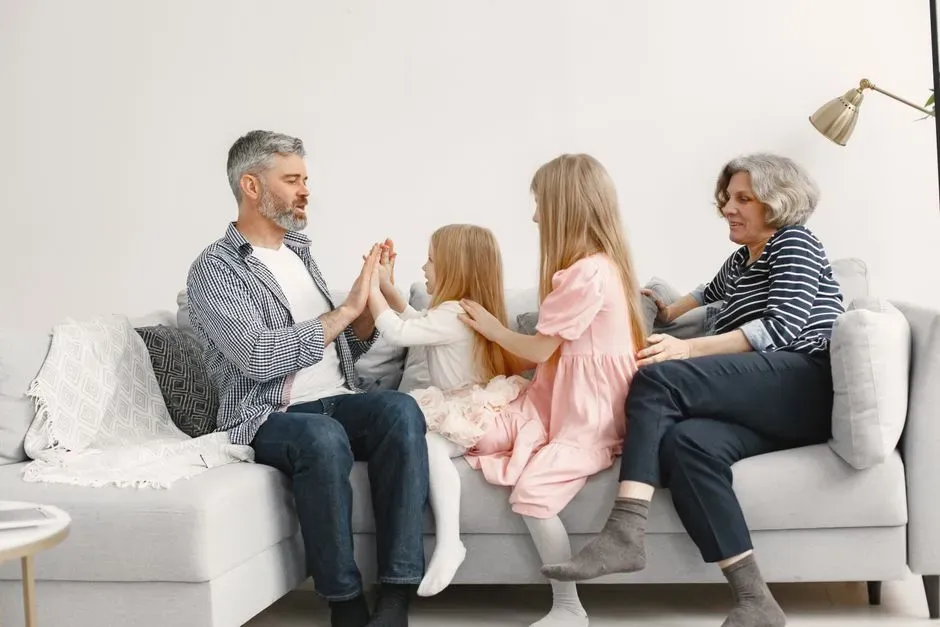
5. Showing Favoritism Among Siblings or Cousins (Image Credits: Pexels)
Grandparent favoritism is a more studied phenomenon than many people realize. Scholarship on later-life families has shown that grandparents differentiate among their adult children and grandchildren across a range of relational dimensions, and that perceptions of favoritism have consequences for children's well-being. Parents notice, and they worry about what their kids notice too.
When one grandchild receives more gifts, more praise, or more time than another, parents are put in the uncomfortable position of either addressing it directly or watching their child quietly absorb the imbalance. Neither option feels good. The issue isn't about counting presents; it's about how children internalize the comparison over years, not just moments.
6. Making Unplanned Visits That Disrupt Family Routines

6. Making Unplanned Visits That Disrupt Family Routines (Image Credits: Pexels)
Grandparents can be overbearing and demanding. They can insist on spending time with the grandkids more often than is practical. They may make unplanned visits and disrupt the household routine. For parents managing nap schedules, school preparation, work-from-home days, and a dozen other moving parts, an unexpected drop-in isn't a pleasant surprise. It's a disruption they now have to absorb gracefully.
The desire to see grandchildren is completely understandable, and no parent wants to seem unwelcoming. The tension comes when visits feel less like a gift and more like an obligation that arrives unannounced. A simple text ahead of time changes everything, and most grandparents would do it if they understood how much it matters.
7. Treating the Parent Like They Still Know Best

7. Treating the Parent Like They Still Know Best (Image Credits: Pexels)
There can be many reasons why grandparents undermine parents, including a desire to assert their own authority or parenting style, a belief that the parents are too strict, a belief that their prior experience makes them more wise, a desire to spoil their grandchildren, or simply a lack of awareness or understanding of the parents' wishes. That last reason, plain lack of awareness, may actually be the most common.
Some grandparents believe it is their right to ignore certain rules because they have authority over their adult child. They believe they are more experienced caretakers and better able to determine what is best for the grandchild. It's a mindset rooted in how family authority was structured in previous generations, but it doesn't sit well with parents who see themselves as fully capable adults making informed choices.
8. Being Too Soft on Discipline Consistently

8. Being Too Soft on Discipline Consistently (Image Credits: Unsplash)
Among parents who report major or minor disagreements, roughly four in ten say grandparents fit the classic mold of being too soft on the child. There's a cultural expectation built into grandparenting that allows, even encourages, a softer touch. Most parents accept some of that. The problem arises when "soft" becomes "no limits at all" and children start testing boundaries at home based on what they get away with elsewhere.
At times grandparents go a bit too far. They give grandchildren too much, do too much for them, and don't do things according to how the parents want. They are either too soft, too tough, or both. In short, many grandparents overindulge their grandchildren. The occasional indulgence is harmless. The consistent pattern of overriding parental limits is a different conversation entirely.
9. Refusing to Change After Being Asked Directly
9. Refusing to Change After Being Asked Directly (Image Credits: Unsplash)
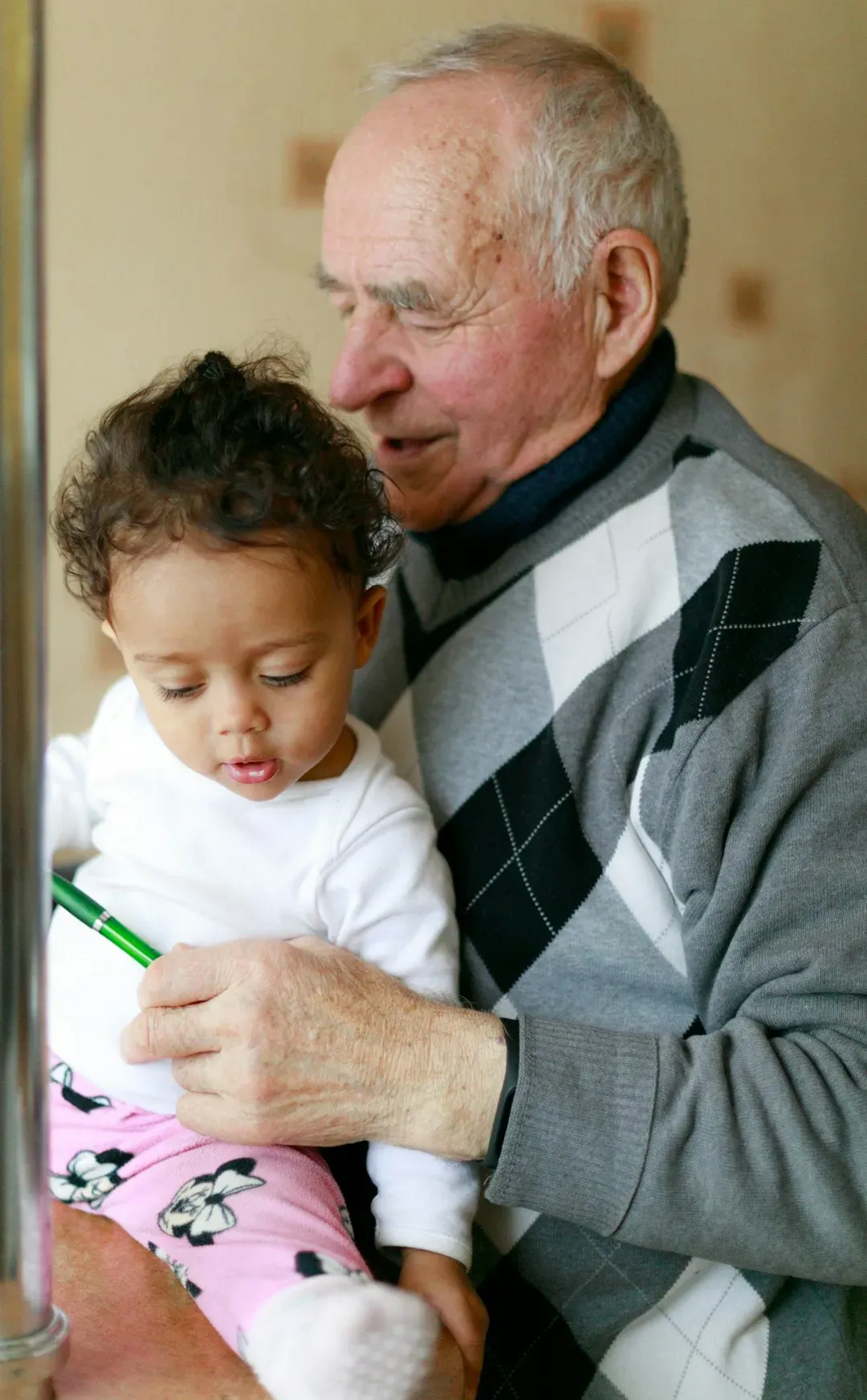
What truly tests a parent's patience isn't the initial overreach. It's the refusal to adjust once the issue has been raised clearly and calmly. Four in ten parents have asked a grandparent to change their behavior to be consistent with the parent's choices or rules. In response to such a request, roughly half report the grandparent changed their behavior, while more than a third say the grandparent agreed to the request but did not change their behavior, and about one in six say the grandparent refused the request outright.
Grandparents who refuse to respect parenting choices may pay a big price: limits on the amount of time they spend with their grandchildren. Research consistently shows this is a real consequence, not a bluff. Among parents who say grandparents actually changed their behavior, only a small fraction report major disagreements. Willingness to adjust makes an enormous difference to the overall relationship.
10. Using Guilt to Influence Parenting Decisions
10. Using Guilt to Influence Parenting Decisions (Image Credits: Pexels)
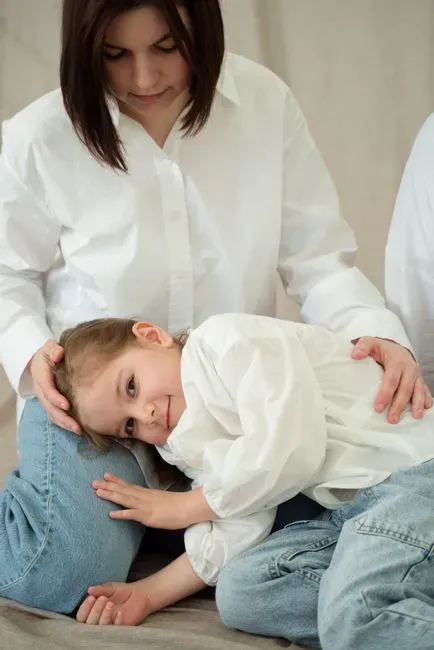
Guilt is a quiet weapon, and some grandparents use it more than they realize. Comments like "We never see the kids anymore" or "I just want to be part of their lives" after a minor boundary gets set can feel manipulative to parents, even when the underlying emotion is genuine. There are many situations which lead to parents feeling disrespected, being pressured into having more children, or being guilted to make decisions that they have no real involvement in.
The challenge is that guilt often works. Parents, particularly those with close family ties, can find themselves making concessions they later regret simply to keep the peace. Over time this pattern creates resentment, which is the opposite of what any grandparent actually wants. Honest, low-pressure communication tends to get better results than emotional leverage.
11. Contradicting Parents Directly in Front of the Children
11. Contradicting Parents Directly in Front of the Children (Image Credits: Unsplash)
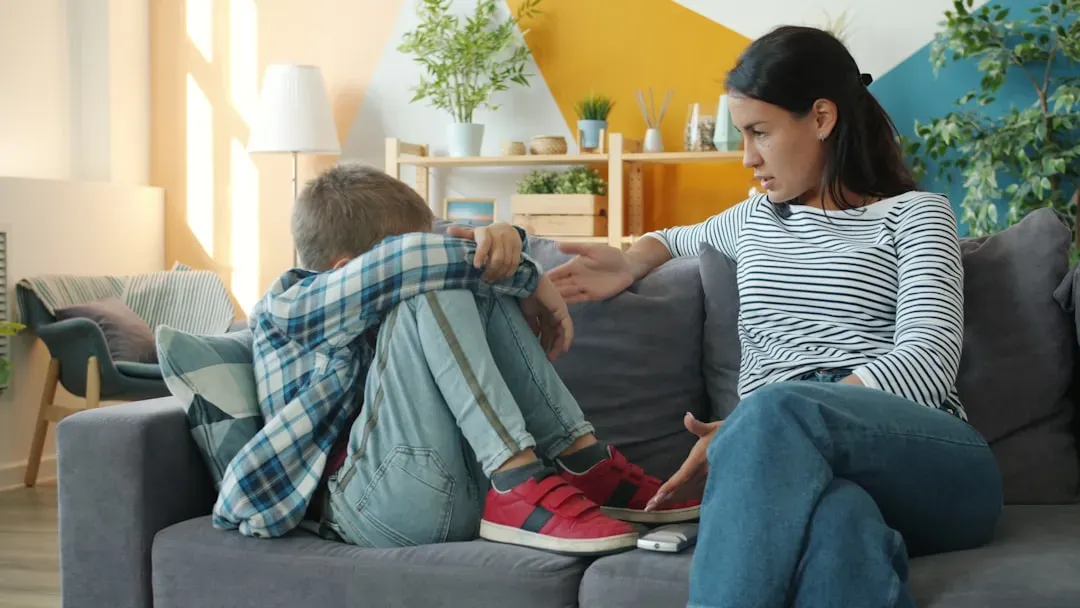
This one does the most immediate damage. When a grandparent openly contradicts a parent's decision in front of the child, it doesn't just cause friction between adults. It gives the child a visible crack to exploit, and most children will use it. Parents in this situation feel embarrassed, undermined, and frustrated. Kids watch the power struggle between the adults and feel more stressed and insecure than ever.
Parents feel that grandparents are undercutting their parental authority when they do not respect and follow parenting choices. It is important that parents and grandparents have frank conversations about parental expectations, and that grandparents need to understand and comply with parent requests or risk losing special time with their grandchildren. The relationship between grandparents and grandchildren is genuinely valuable. Protecting it means protecting the respect that parents need to do their job.
None of this is about cataloguing grandparents as villains. Most of these behaviors come from love, from habit, or from a generational gap in how family roles are understood. The friction is real, though, and naming it honestly is the first step toward navigating it well. Families that talk about these things openly tend to end up with stronger relationships across all three generations, which is the point of the whole arrangement.