
Buy enough houses, or better yet, inspect enough of them, and patterns start to emerge. The same handful of issues keep showing up whether a home was built last year or fifty years ago, in a starter house or a place with a pool and a three car garage. Home inspectors who have logged thousands of walkthroughs will tell you that almost no house is flawless, and the flaws tend to rhyme from one property to the next.
That doesn't mean every home is falling apart. Most of what turns up on an inspection report falls somewhere between minor and manageable, the kind of thing that gets fixed with a trip to the hardware store rather than a call to a structural engineer. Here's a rundown of the findings that come up again and again, based on what inspectors themselves report seeing.
1. Missing or outdated GFCI protection
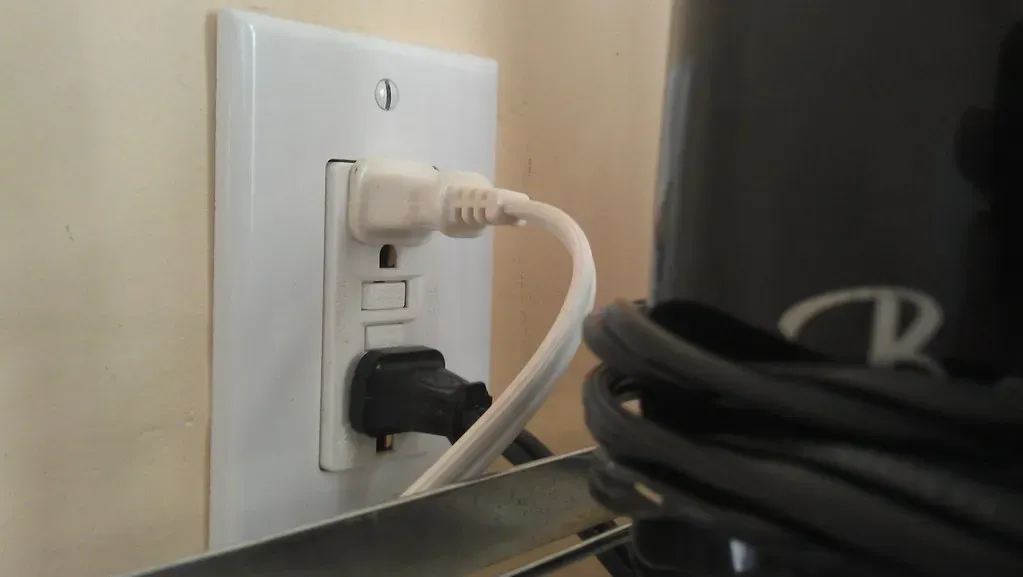
1. Missing or outdated GFCI protection (lizzardo, Flickr, <a href="https://creativecommons.org/licenses/by/2.0/" target="_blank" rel="noopener">CC BY 2.0</a>)
Ground fault circuit interrupter outlets are designed to cut power fast if they sense an electrical imbalance, and they're required near water sources, outdoors, and in garages. Inspectors routinely find bathrooms, kitchens, and exterior outlets without them, especially in homes built before the requirement became standard. Missing GFCI outlets are a common occurrence in homes and are generally easily remedied, but they are an important part of a home's electrical system, often serving as the first defense against over amplification.
The fix is usually cheap and quick, which is part of why it shows up so often on reports without causing much alarm. Any licensed electrician can install a GFCI outlet if one is needed, though it could also be done by someone trained in wiring one correctly. Still, it's worth taking seriously since these outlets exist specifically to prevent shocks in wet areas.
2. Roofing wear and aging materials
2. Roofing wear and aging materials (Image Credits: Unsplash)
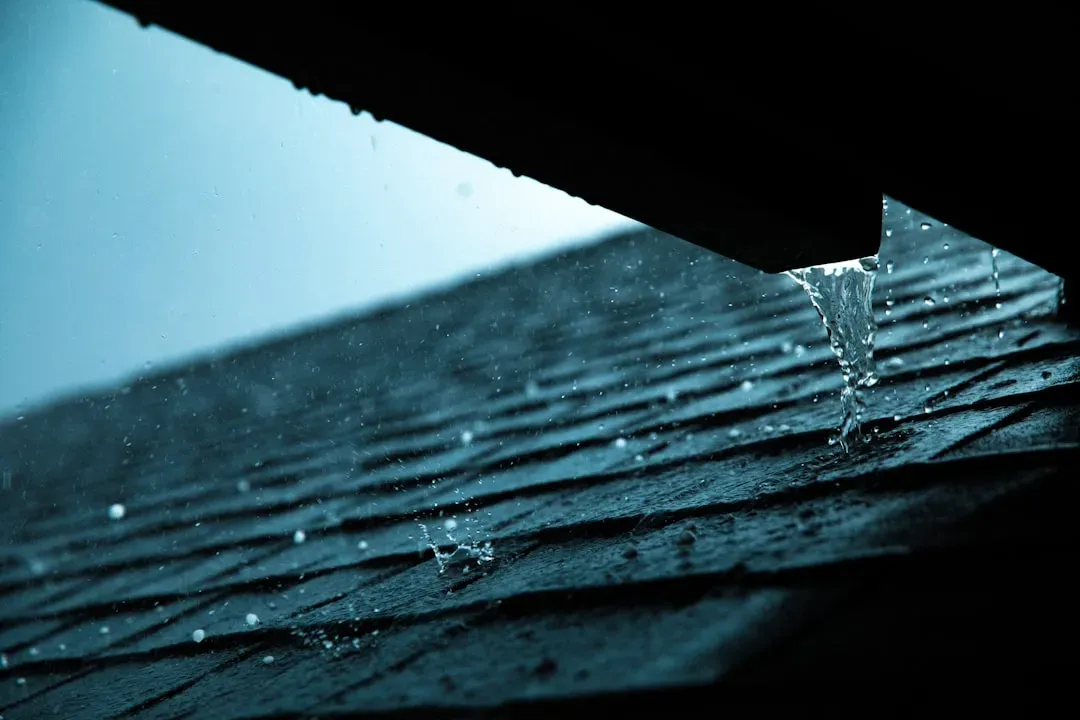
Ask almost any inspector what they find most often and the roof comes up first. Roofing issues are very typical for home inspectors to find during home inspections, largely because homes are very susceptible to roof damage, especially once they're ten or more years old. Missing shingles, worn flashing, and moss buildup are the usual suspects.
The financial stakes here tend to be higher than with most other findings. Inspectors check for leaks, venting, and material condition, and roofing repairs can be the most costly of all the repairs a report might recommend. That's why sellers who get ahead of a roof problem before listing often save themselves a rougher negotiation later.
3. Grading that slopes toward the house
3. Grading that slopes toward the house (Image Credits: Pexels)
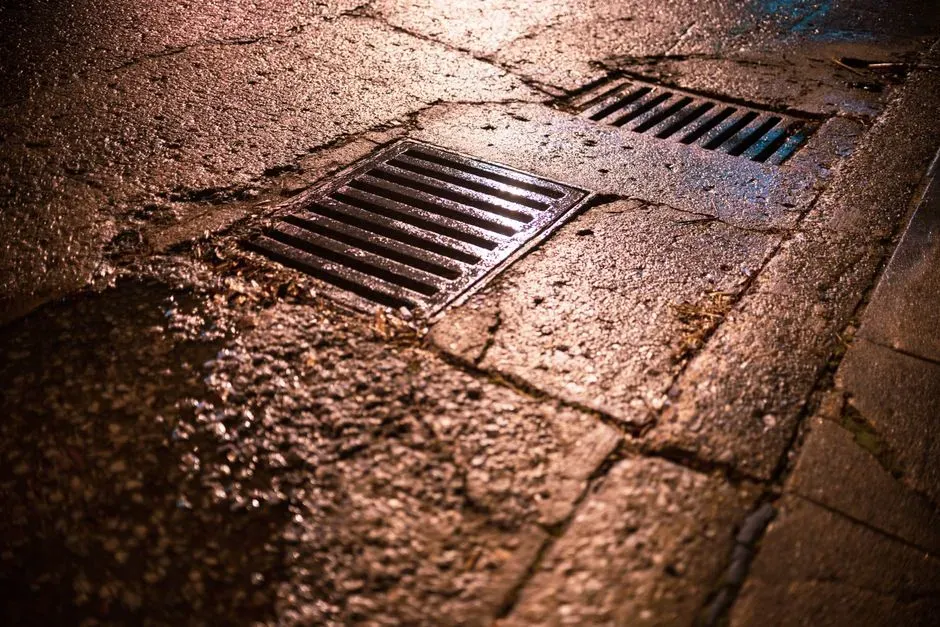
This one is sneaky because it doesn't announce itself until it rains. Grading refers to the ground surrounding a home and the direction it slopes, and inspectors look for positive grading that slopes away from the home, since negative or neutral grading can lead to water pooling near the foundation or encourage water intrusion.
The consequences of ignoring it can compound over time. This is by far the most common problem home inspectors find, and when water pools around the house instead of flowing away from it, it can eventually undermine the structure, crack the slab or footings, and penetrate the basement or crawlspace. Regrading or adding a simple drainage solution is usually far cheaper than dealing with the water damage it prevents.
4. Outdated or hazardous electrical panels
4. Outdated or hazardous electrical panels (Image Credits: Unsplash)
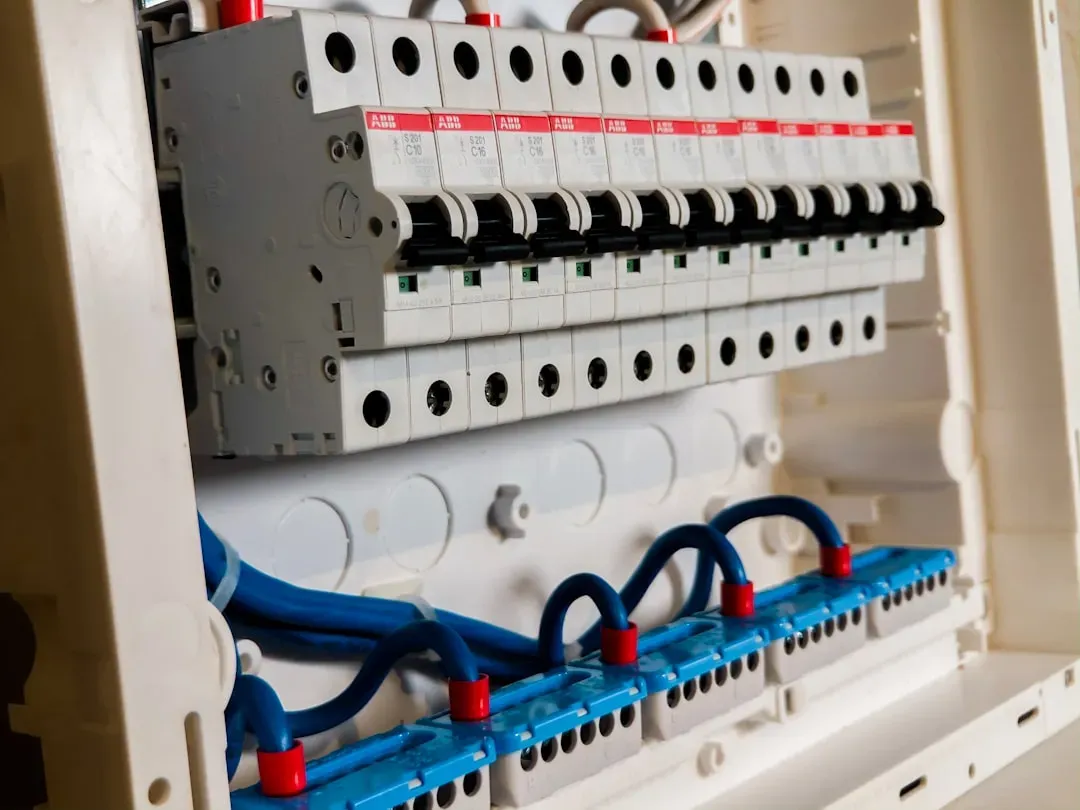
Electrical panels age just like everything else in a house, and some older models carry a genuinely bad reputation among inspectors. Inspectors look at the type of panel installed and may recommend replacement, since older Zinsco and Federal Pacific electrical panels, installed from the 1950s to 1980s, have been linked to fire hazards from circuit breakers failing over time.
Wiring problems inside the panel itself are common too, not just the panel brand. A common issue inspectors spot is when two branch circuit wires are connected to the same breaker, which is only supposed to hold one, and that can cause a breaker to trip frequently. It's often an easy fix, but it's the kind of thing an inspector will always flag rather than let slide.
5. Plumbing leaks and aging pipe materials
5. Plumbing leaks and aging pipe materials (Image Credits: Unsplash)
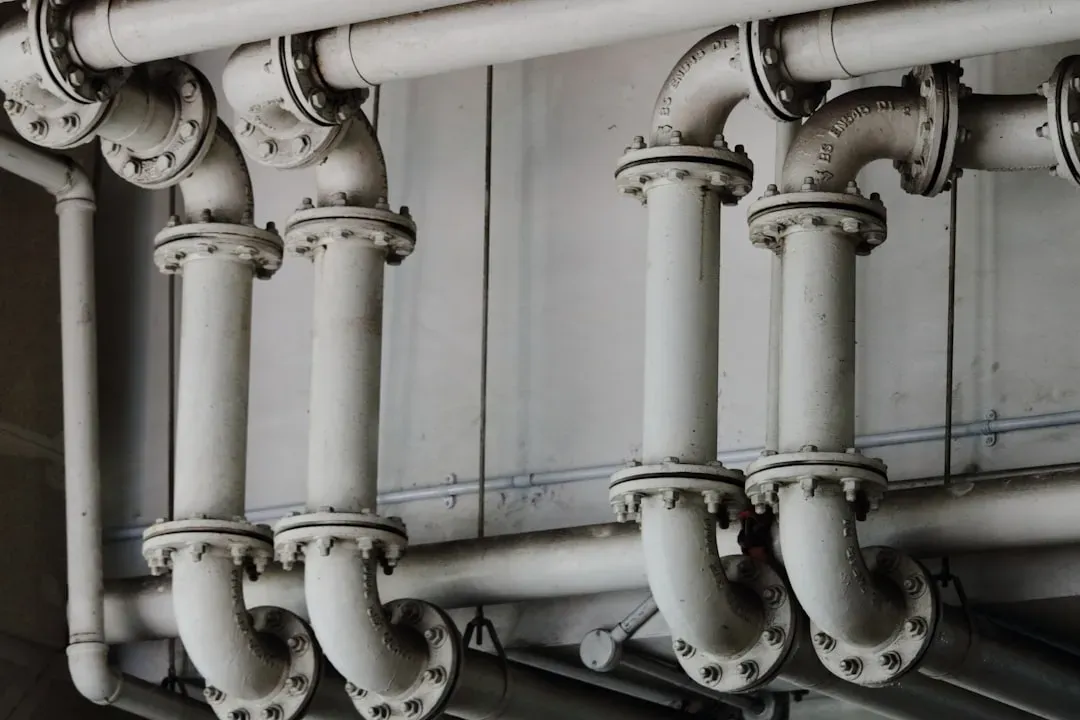
Plumbing problems rarely announce themselves until a stain shows up on a ceiling or a cabinet floor swells. More than 13 percent of home inspections find issues with plumbing, and inspectors spend extra time on these systems because of their complexity, since like electrical and HVAC systems, plumbing can set homeowners back thousands of dollars, with leaky faucets and clogged drains being the most common issues.
Older pipe materials add another layer of concern in certain vintages of homes. Most inspectors will check for polybutylene pipes, which are known to have higher rates of leaks compared to newer materials. If a home was built during the years polybutylene was popular, this is one of the first things a good inspector will look for.
6. HVAC systems showing their age
6. HVAC systems showing their age (Ivy Dawned, Flickr, <a href="https://creativecommons.org/licenses/by-sa/2.0/" target="_blank" rel="noopener">CC BY-SA 2.0</a>)
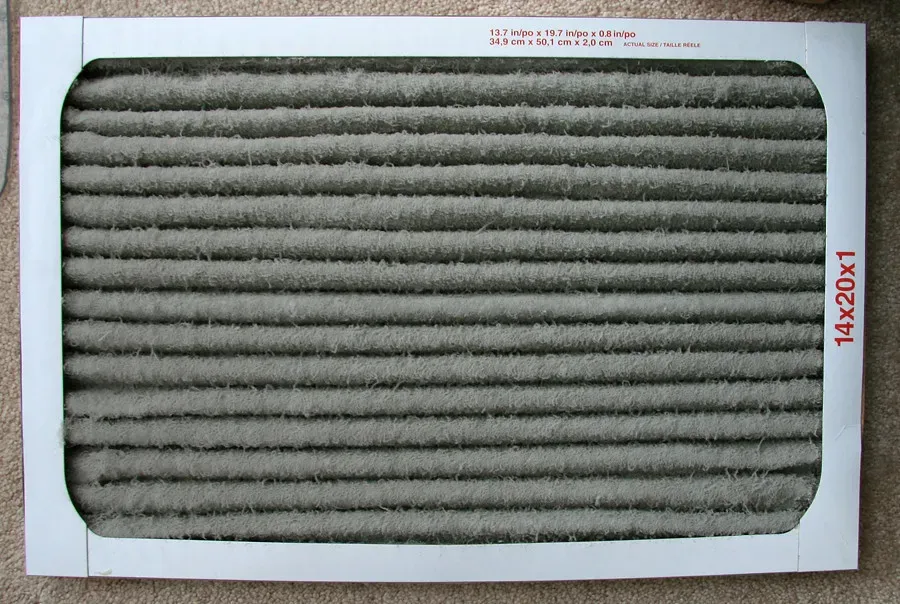
Heating and cooling equipment doesn't fail dramatically most of the time. It just gradually gets less efficient, dirtier, and louder until someone finally calls a technician. Heating and cooling systems need regular maintenance, and home inspectors often find HVAC systems that are dirty, old, or not working correctly.
Sometimes the problem is as simple as neglect rather than age. Dirty air filters can lead to clogged condensation lines, overflow pans filled with water, and an HVAC system that isn't working as efficiently as it should. An inspector can usually tell within minutes of looking at a unit whether it's been cared for or ignored.
7. Hairline cracks in the foundation
7. Hairline cracks in the foundation (Image Credits: Pexels)
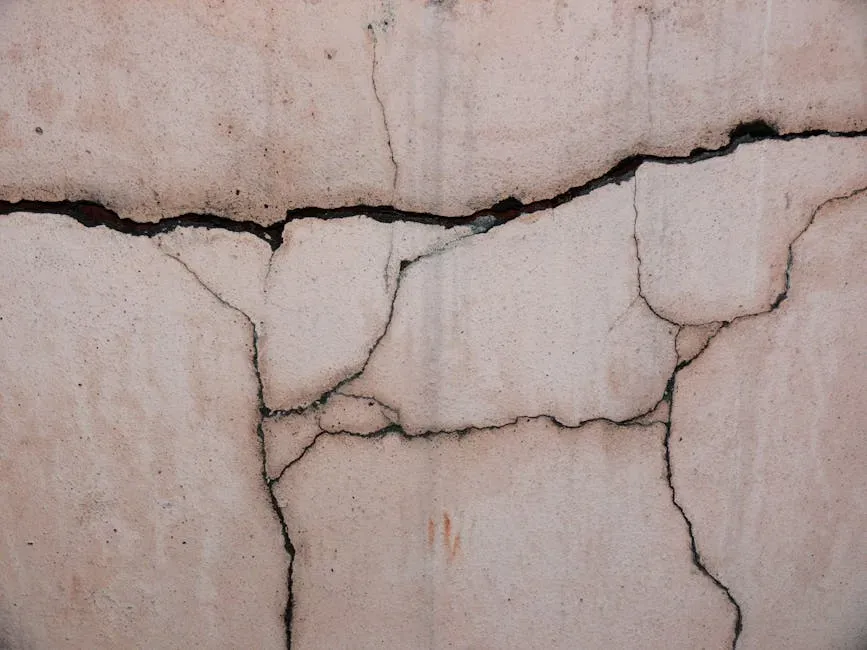
Foundation cracks tend to spark more panic than they deserve, but inspectors see them constantly and most aren't a crisis. A home that is starting to move or settle incorrectly could cause major issues later on, so a home inspector will look for any signs of structural issues, noting even seemingly minor hairline cracks in the concrete slab or on interior walls.
Not every crack tells the same story, which is why context matters more than the crack itself. Uneven flooring, wall or ceiling fissures, improperly closing doors and windows, and spaces between the walls and the ceiling or floors are a few apparent indications of foundation problems. When several of these signs show up together, that's usually the point an inspector suggests bringing in a structural engineer.
8. Poor attic ventilation and insulation
8. Poor attic ventilation and insulation (Image Credits: Pexels)
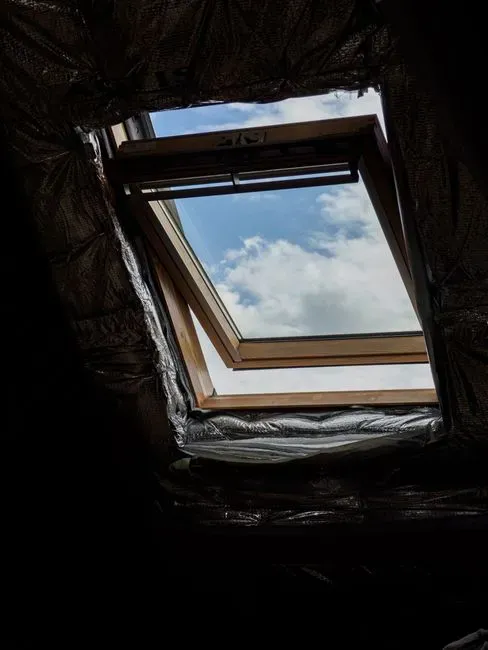
Attics are easy to forget about, which is exactly why problems accumulate up there unnoticed. Homes that are older typically have issues with ventilation and energy efficiency, and inspectors often find attics that are insulated yet not ventilated, which makes them too hot in summer and can lead to mold and other issues.
The downstream effects reach beyond just comfort levels inside the house. An attic with poor ventilation or insulation leads to energy loss and roof damage, though adding insulation and improving ventilation can lower energy bills. It's one of those fixes that pays for itself over a few heating and cooling seasons.
9. Gutters and downspouts directing water the wrong way
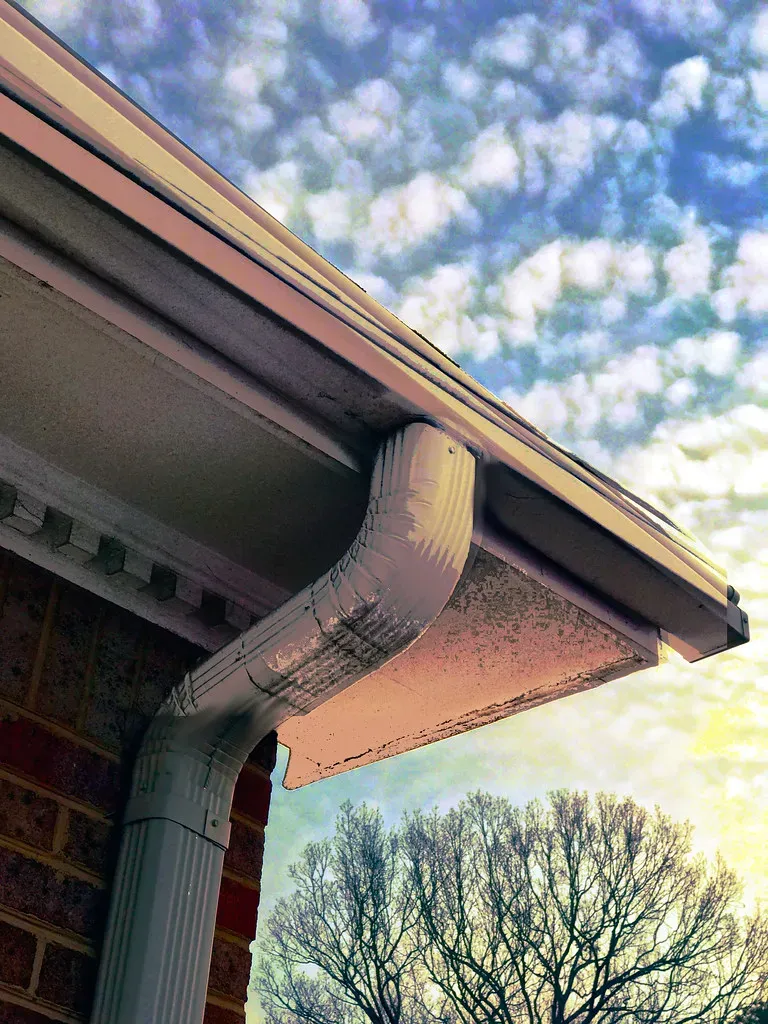
9. Gutters and downspouts directing water the wrong way (byzantiumbooks, Flickr, <a href="https://creativecommons.org/licenses/by/2.0/" target="_blank" rel="noopener">CC BY 2.0</a>)
Gutters seem like a minor detail until you realize how much water they're supposed to be managing. Inspectors frequently find them clogged, disconnected, or simply aimed in the wrong direction. Inspectors too often spot issues where homeowners have added landscaping that inadvertently redirects water toward the foundation, and over time that can cause water to seep into cracks within the home, though these tend to be easy fixes.
Sometimes the extension pipe itself is the missing piece rather than the gutter system as a whole. If a gutter is feeding water out and back toward the home, there may need to be some kind of pipe to keep it away from the house. Given how cheap gutter extensions are compared to foundation repair, it's a small investment with outsized payoff.
10. Missing or expired smoke and carbon monoxide detectors
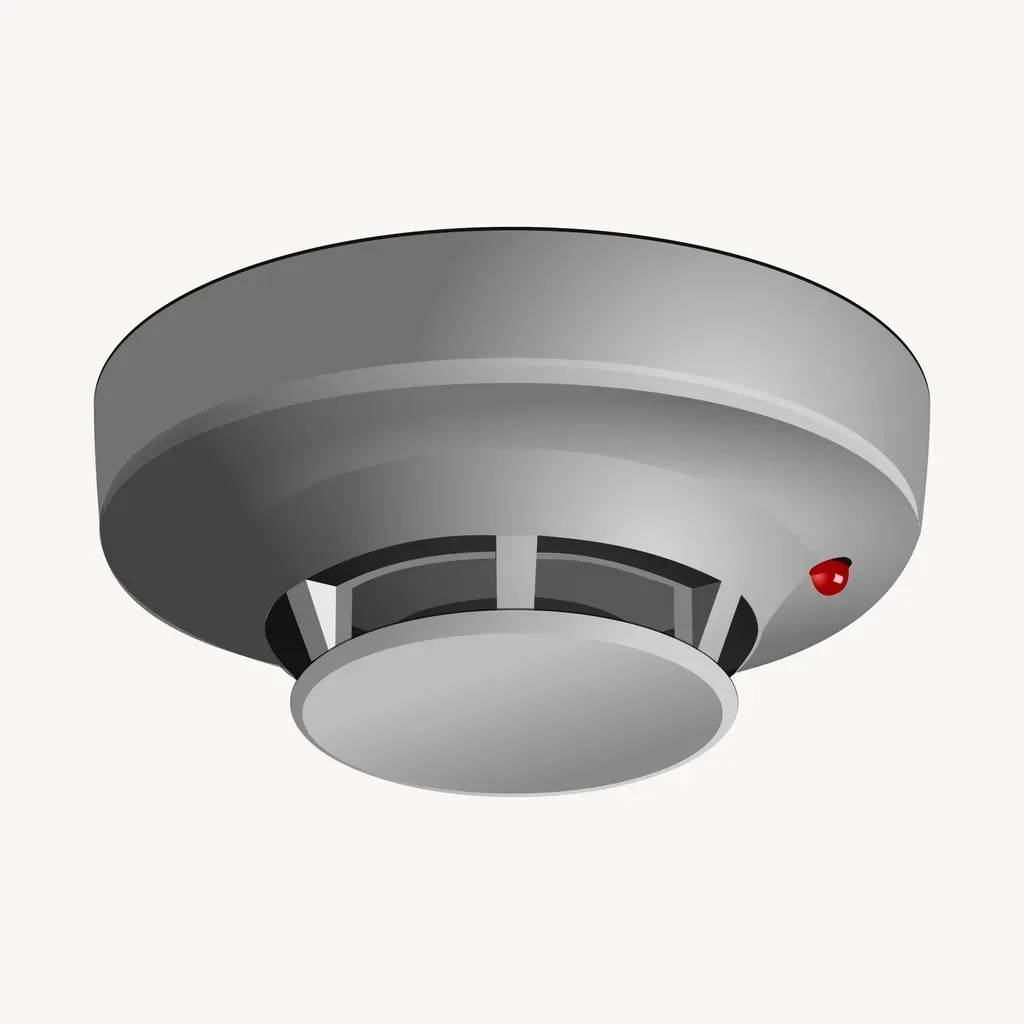
10. Missing or expired smoke and carbon monoxide detectors (Image Credits: Rawpixel)
Safety devices are supposed to be a constant presence in every bedroom and hallway, yet inspectors find gaps in coverage all the time. Inspectors often find smoke and carbon monoxide detectors that are either expired or missing altogether, and these detectors generally have a seven to ten year life expectancy, tending to turn a cream color as they age.
Older homes are particularly prone to this gap, sometimes because the house predates modern detector requirements entirely. Many older homes may have no carbon monoxide detectors or are missing the right amount of smoke detectors. It's a fast, inexpensive fix, but one that inspectors flag every single time because the safety stakes are high.
11. Worn caulking, weatherstripping, and exterior seals
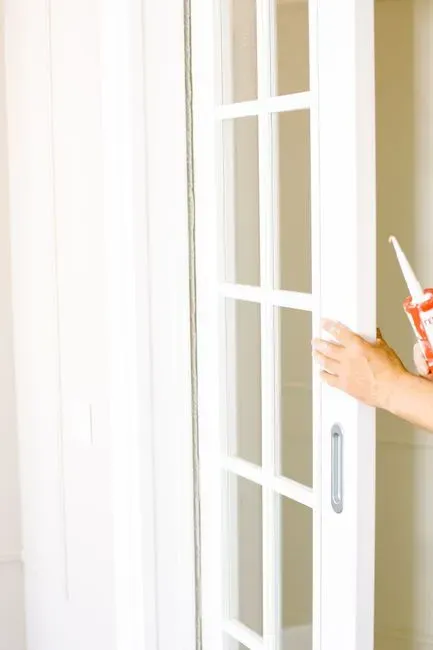
11. Worn caulking, weatherstripping, and exterior seals (Image Credits: Pexels)
The small gaps around windows, doors, and siding rarely look dramatic, but they add up to real energy loss and moisture entry over time. Flaws in windows, doors, and walls are openings for water and air, and poor caulking or weatherstripping means the house may be cold and drafty.
Left unaddressed long enough, these small openings can turn into bigger repair bills. A chronic issue in many homes is exterior doors with no flashing on the sill at the bottom, just caulk, which isn't enough protection from the weather and can cost several thousand dollars to repair the eventual water damage. Fortunately, catching it early usually means a caulk gun and an afternoon, not a contractor and a check.
None of these eleven findings should be a reason to panic or walk away from a house. According to home inspection statistics, the vast majority of inspections identify at least one issue requiring attention, and a lengthy report is rarely a sign of a lemon since professional reports categorize findings into safety hazards, necessary repairs, and routine maintenance, with most items reflecting normal wear rather than structural neglect. Knowing which of these eleven items tend to show up again and again just makes the inspection report a lot less mysterious when it finally lands in your inbox.