
There's a particular kind of guilt that settles in when two kids start bickering over who gets the bigger slice of cake, or whose turn it is on the tablet. Parents often brace for it, apologize for it, or quietly wonder what they're doing wrong. Yet a growing body of research from 2024 and 2025 suggests that the instinct to stamp out sibling squabbling might be misplaced, and that the friction between brothers and sisters is doing more useful work than most people assume.
A Universal Family Pattern, Not a Personal Failure
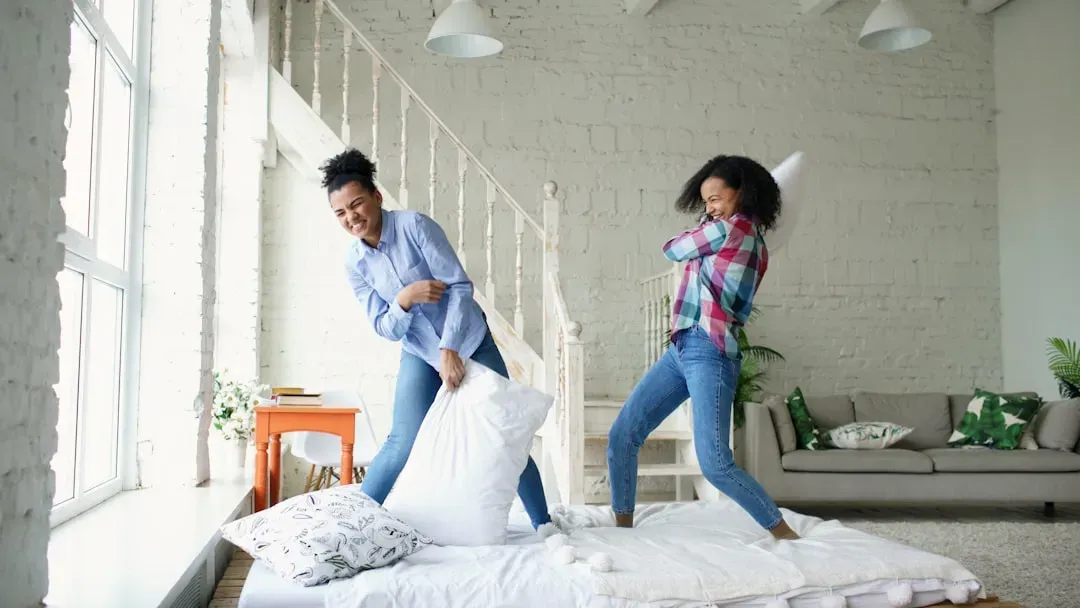
A Universal Family Pattern, Not a Personal Failure (Image Credits: Unsplash)
Sibling rivalry has been recognized as a distinct part of family life for a very long time, and it shows up across cultures and generations rather than being a modern parenting problem. Sibling rivalry is the competition or jealousy that develops between siblings for the love, affection, and attention of either one or both parents, and it has been discussed for centuries as a universal phenomenon in families. That framing matters because it shifts the conversation away from blame.
Parents sometimes treat every argument between siblings as evidence of a household gone wrong. In reality, competition between children in the same family is closer to a default setting than a defect. Recognizing that the behavior is expected, rather than exceptional, tends to lower the anxiety around it considerably.
The Difference Between Rivalry and Real Harm
The Difference Between Rivalry and Real Harm (Image Credits: Unsplash)
Not all sibling conflict looks the same, and researchers are careful to separate ordinary rivalry from something more damaging. Sibling rivalry, characterized by sibling interaction that leads to healthy competition without anyone getting hurt, is a normative part of sibling development, while sibling psychological maltreatment is not, and rivalry promotes healthy development of competitive and cooperative skills. That distinction is the backbone of why rivalry gets defended by psychologists rather than pathologized.
Teasing and disagreement are common between brothers and sisters, and their presence doesn't automatically signal a problem. Siblings commonly tease one another, and conflict is not necessarily absent in sibling relationships, though when teasing and conflict become severe, repetitive, and intentional, they can have a lasting negative effect on the relationship. The line, in other words, isn't between conflict and no conflict. It's between conflict that stays proportionate and conflict that turns cruel or constant.
What Rivalry Teaches That Harmony Cannot
What Rivalry Teaches That Harmony Cannot (Image Credits: Unsplash)
There's a practical argument buried in the research that gets overlooked in the rush to keep the peace at home. Although sibling rivalry is generally described in terms of its negative aspects, healthy competition between brothers and sisters can be useful in the individual development of necessary social, communication, and cognitive skills. Learning to negotiate, to lose gracefully, to advocate for oneself against someone who isn't going anywhere, these are skills that don't come from a vacuum.
Some researchers have even framed early conflict in evolutionary terms, suggesting it can serve a purpose beyond the household. Early sibling conflict may ultimately benefit the family, according to research published in The American Naturalist. That's a striking reframe. Conflict, in small doses, isn't the opposite of a functioning family. It can be part of what makes one work.
The Long Shadow of the Longest Relationship
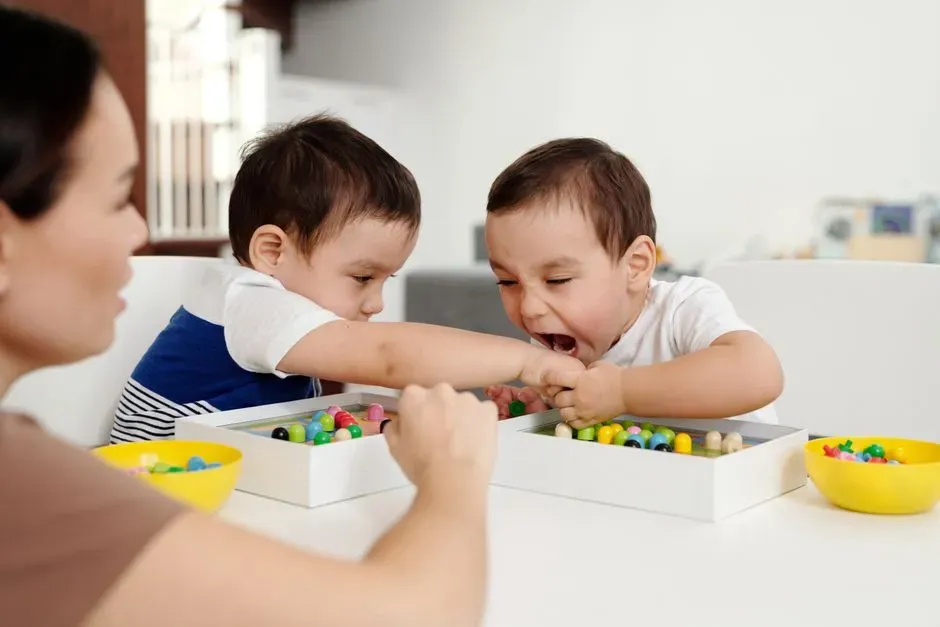
The Long Shadow of the Longest Relationship (Image Credits: Pexels)
Sibling bonds tend to outlast almost every other relationship a person has, including friendships and often marriages. Sibling relationships are vital to individuals because most people's longest relationships are with their siblings. That longevity is exactly why the early rivalry phase matters so much less in isolation than it does as one chapter in a decades-long story.
Siblings occupy several roles at once over a lifetime, and rivalry is just one texture within a much broader fabric. Siblings can serve as attachment figures, playmates, protectors, and socializers in emotional support, while they can also be antagonists in conflicts. A rough patch during childhood doesn't define the relationship any more than a single argument defines a marriage.
How Parenting Style Shapes the Intensity
How Parenting Style Shapes the Intensity (Image Credits: Unsplash)
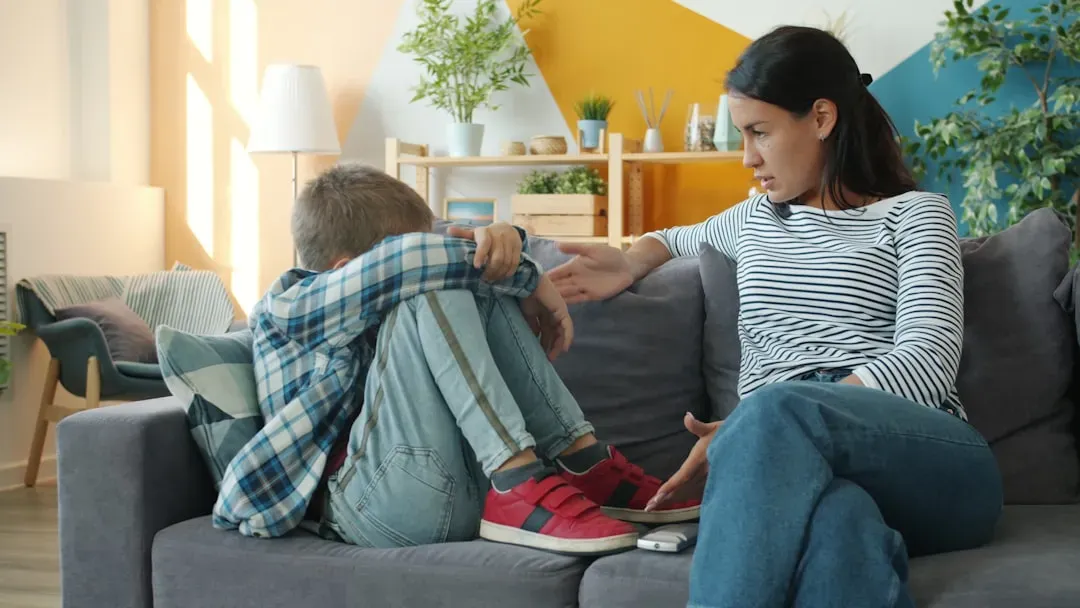
Rivalry itself may be normal, but how much of it a household experiences is not entirely random. A meta-analysis covering more than fourteen thousand participants across sixteen studies found a clear pattern connecting parenting approach to conflict levels. There were a total of 14,356 participants in the 16 included studies, from which 55 effect sizes were extracted, and authoritative parenting had the potential to reduce sibling conflicts.
The opposite styles told a different story. Neglectful, inconsistent, indulgent, and authoritarian parenting styles were all related to sibling conflicts in a positive way, meaning more of these approaches tended to accompany more fighting. That doesn't mean parents should manufacture rivalry, but it does suggest that warmth combined with clear expectations tends to keep sibling friction at a manageable simmer rather than a boil.
Where Rivalry Can Tip Into Something Worse
Where Rivalry Can Tip Into Something Worse (Image Credits: Pexels)
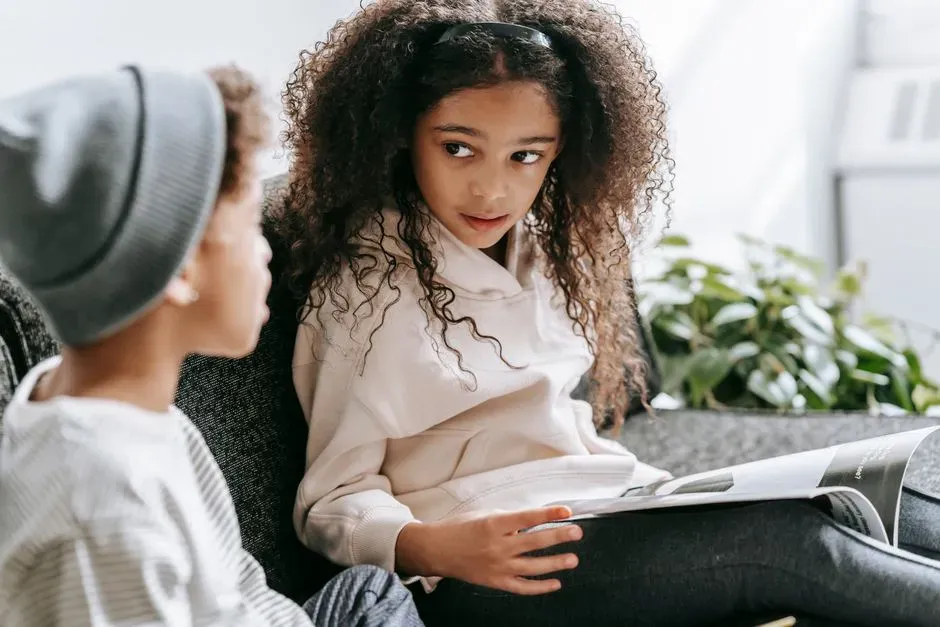
The case for leaving rivalry alone isn't unconditional, and researchers are upfront about the risks when conflict becomes chronic. Studies suggest that sibling conflicts may increase individual anti-social behavior, peer difficulties, sleep issues, and even emotional and behavioral dysfunction within siblings. This is where the nuance gets important.
Frequent, unresolved fighting doesn't just stay contained within the family. With frequent conflict, both older and younger siblings learn antisocial behaviors from one another, bringing the learned negative qualities into outside relationships. The goal isn't zero conflict, but conflict that doesn't calcify into a pattern the kids carry into friendships and later relationships.
What New Research Is Still Discovering
What New Research Is Still Discovering (Image Credits: Unsplash)
Despite how central sibling relationships are to most people's lives, the scientific attention paid to them has been surprisingly thin compared to other family bonds. A 2024 evidence and gap map published in Child Development highlighted just how lopsided the research landscape has been. Sibling relationships are another key relationship throughout the life course that has been comparatively under-studied, and one review identified 3,932 articles for a systematic review of family subsystems, where only 94 focused on siblings, compared to 2,582 which focused on parent-child relationships.
That gap is starting to close. Nearly 85 percent of studies in the same review used quantitative methods to measure sibling relationship quality across eight domains, including conflict, warmth, cohesion, and conflict management. The push toward more rigorous measurement suggests researchers are finally treating sibling dynamics with the seriousness long reserved for parent-child bonds.
Programs Now Helping Families, Not Erasing Conflict

Programs Now Helping Families, Not Erasing Conflict (Image Credits: Unsplash)
Rather than trying to eliminate rivalry outright, some of the newest interventions aim to shift its tone. A 2025 study in the journal Family Relations tested an online program for parents of young children and found measurable results without demanding conflict disappear entirely. Repeated measures analyses revealed that, following program completion, participants perceived their children to demonstrate greater sibling warmth and less agonism and rivalry.
The benefits extended beyond the kids themselves. Mothers also reported increased abilities to regulate their own emotions as well as greater collaboration and support in their coparenting relationship, and effects were sustained at three months. That's a meaningful signal that the healthiest approach isn't suppression, but coaching families toward better repair after the inevitable flare ups.
Conflict Resolution Skills Learned at Home
Conflict Resolution Skills Learned at Home (Image Credits: Unsplash)
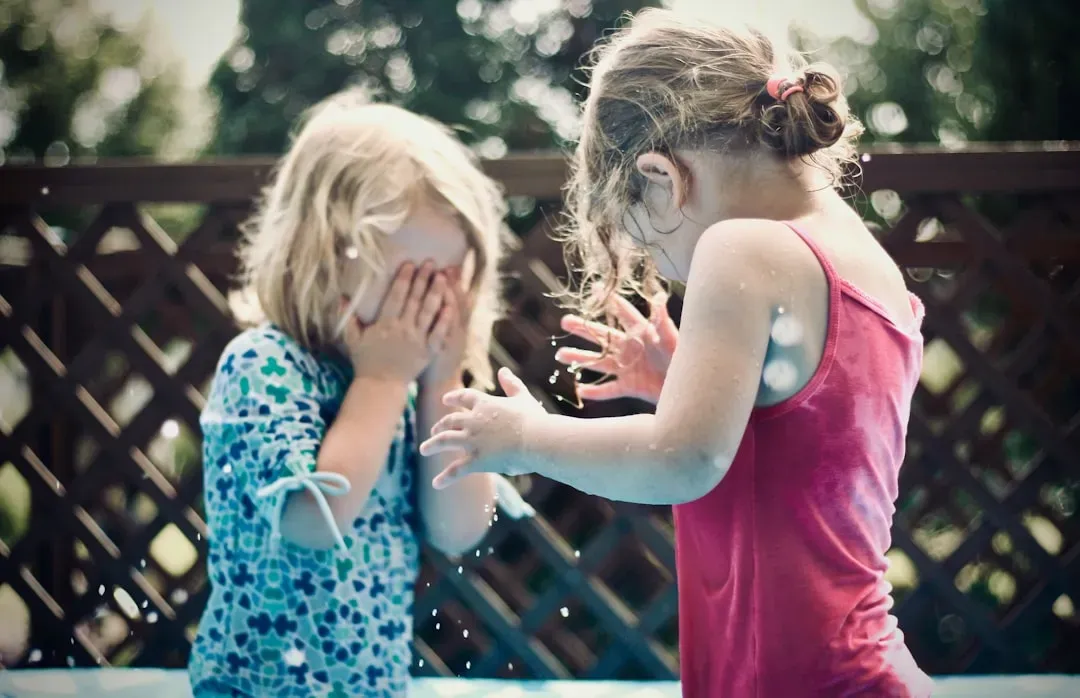
One of the more practical arguments for tolerating sibling friction is what it teaches about handling disagreement later on. A 2024 study on conflict resolution styles in young adults found that sibling relationships shape how people approach disputes well into adulthood, and it noted measurable differences worth paying attention to. Females tended to prefer collaborative conflict resolution while males leaned toward competing or avoiding styles, and accommodating resolution was moderately higher in males while compromising was significantly higher in females.
Where that rivalry originates is also fairly well understood. Sibling rivalry can stem from differences in personalities, interests, or achievements, with perceived favoritism from parents or comparisons made by family members or society acting as a major factor. Kids essentially get an early, low-stakes training ground for negotiating with someone who has competing interests and isn't leaving the room.
Rethinking the Parent's Role
Rethinking the Parent's Role (Image Credits: Pexels)
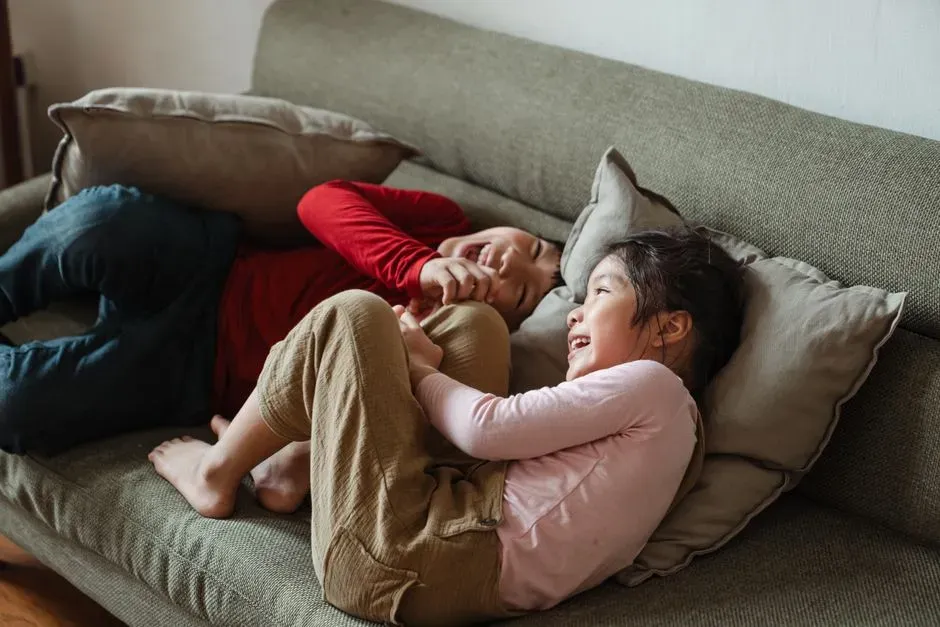
None of this means parents should ignore what's happening between their kids. Healthy management of sibling rivalry involves parental intervention, open communication, and fostering individual recognition of each child's unique qualities. The job isn't to referee every dispute or engineer a conflict-free household, but to notice patterns and step in when things tip from ordinary friction into something harsher.
Family stress outside the sibling relationship also shapes how conflict plays out day to day. The emotional climate of a family, including stressors like marital conflict or illness, can also impact sibling relationships. Paying attention to that broader climate often does more good than trying to micromanage every disagreement between two kids fighting over a toy.
Sibling rivalry, seen this way, isn't a crack in the family foundation that needs patching. It's closer to friction in a machine that's actually running the way it's supposed to, wearing down rough edges over years of shared meals, shared rooms, and shared history. The relationships that survive childhood fights are usually the ones that end up mattering most in the decades that follow.