
Most career advice about salary negotiation focuses on scripts and body language, as if the hardest part is finding the right words. The harder part, the one nobody mentions until you're sitting across from a hiring manager with an offer letter in your inbox, is that almost everyone gets this wrong the first time, and the mistakes are quieter and more expensive than they look.
There is a version of this conversation that happens in every industry, every year, and it rarely goes the way new hires expect. Understanding what actually happens behind the scenes, what employers anticipate, and what the numbers really show can change how you approach that first offer entirely.
Most People Never Actually Ask

Most People Never Actually Ask (Image Credits: Unsplash)
The single biggest surprise about first salary negotiations is not that they go badly. It is that they mostly do not happen at all. More than half of job candidates, roughly 55 percent, don't even try to negotiate their starting salary, even though nearly three-quarters of job candidates feel that salary is the most important factor when considering a job offer.
Younger workers are especially prone to this. Around 84 percent of Gen Z workers aged 18 to 24 accepted the first salary they were offered, making them far less likely to negotiate than any other age group. It is not that early career professionals do not want more money. It is that the fear of asking outweighs, in their minds, the discomfort of quietly accepting less than they are worth.
Employers Expect You to Push Back

Employers Expect You to Push Back (Image Credits: Unsplash)
Here is the part that tends to shock first time negotiators the most: companies are not offended when you ask for more. In fact, a 2025 survey by the National Association of Colleges and Employers found that 64 percent of employers expect candidates to negotiate their starting salary. Separate research puts that figure even higher, with 73 percent of employers anticipating that job candidates will negotiate their salary offers.
That gap between what employers expect and what candidates actually do is where most of the missed money lives. Recruiters build room into offers precisely because they assume some back and forth. When candidates skip that step entirely, they are essentially leaving pre-approved budget on the table without ever knowing it existed.
The First Number Is a Starting Point, Not a Verdict

The First Number Is a Starting Point, Not a Verdict (Image Credits: Pexels)
New hires often treat an initial offer like a final grade, something handed down rather than something negotiable. That assumption is usually wrong. Most individuals believe their first job offer is non-negotiable, a misconception that can be financially detrimental.
Recruiters typically anchor low on purpose, leaving space to move upward once a candidate responds. A concrete illustration helps here: accepting a starting salary of 45,000 dollars when 50,000 dollars was possible means potentially losing 5,000 dollars in the first year alone. That single unasked question, repeated across an entire career, tends to compound in ways that are easy to underestimate at twenty two or twenty three years old.
Silence Is More Costly Than the Awkward Ask

Silence Is More Costly Than the Awkward Ask (Image Credits: Unsplash)
People avoid negotiating because the moment itself feels uncomfortable. Yet the data on what happens when people actually speak up tells a very different story than the fear suggests. Approximately 66 percent of U.S. workers who made attempts to negotiate starting salaries said they got what they were asking for, according to Pew Research Center findings.
Broader research paints an even more compelling picture. People who negotiated their salary received an average increase of 18.83 percent from their original offers, with the lowest reported increase at 5 percent, while some negotiators secured 100 percent salary bumps. Compare that upside to the actual risk, and the math tilts heavily toward asking rather than staying quiet.
The Fear of Losing the Offer Is Mostly Overblown

The Fear of Losing the Offer Is Mostly Overblown (Image Credits: Unsplash)
Ask any first time negotiator why they hesitate, and the answer is almost always the same: they worry the offer will get pulled if they push back. That fear is understandable, but the research suggests it is disproportionate to the actual risk. A 2024 literature review of several studies found that managers withdrew offers after counters far less often than job candidates believe they do.
Real backlash is rare, though not impossible, and market conditions matter. As far back as May 2025, recruiters noticed a rise in employers characterizing their first offer as best and final to stave off negotiations, according to reporting cited by researchers at UCLA Anderson. That shift is worth knowing about, but it has not erased the basic pattern where a respectful counteroffer almost never costs someone the job.
Research Matters More Than Confidence
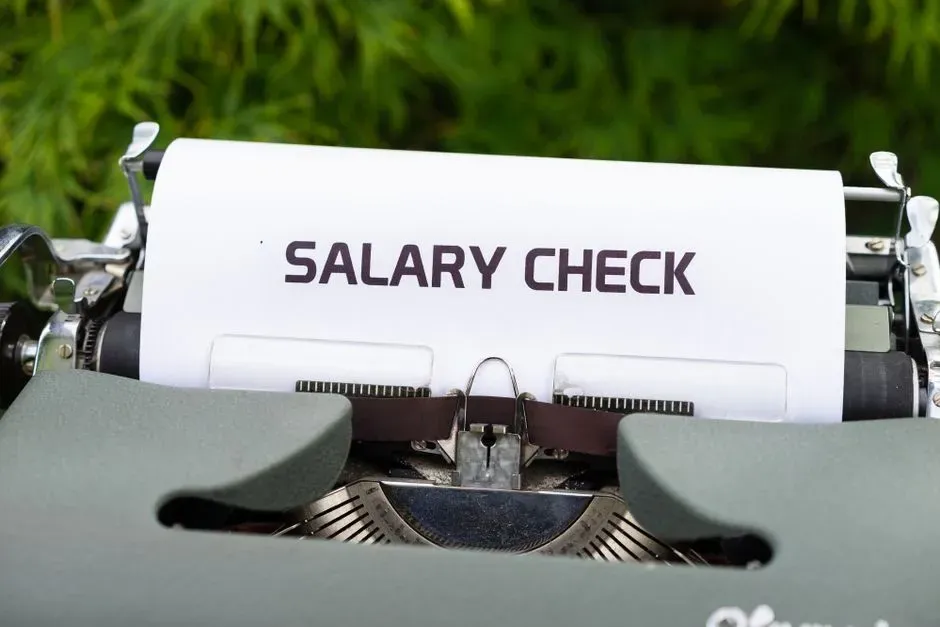
Research Matters More Than Confidence (Image Credits: Pexels)
A confident tone does not substitute for actual homework. The candidates who do best walk in already knowing what similar roles pay, not hoping they can talk their way into a bigger number through charm alone. The cornerstone of any successful salary negotiation is meticulous research, understanding the market rate for your desired role, industry, and location before an offer ever arrives.
Location and specialization change the math considerably. An entry-level marketing coordinator role in New York City will command a different salary than the same role in a smaller Midwestern town, and niche skills or relevant internship experience can justify asking above the posted average. Pulling numbers from more than one source, rather than relying on a single salary estimate, tends to produce a stronger and more defensible ask.
Total Compensation Is Often the Real Negotiation

Total Compensation Is Often the Real Negotiation (Image Credits: Pexels)
Base salary gets all the attention, but it is frequently not the only lever available. When a hiring manager insists the base number is fixed, that does not necessarily mean the conversation is over. Shifting toward the full package, including signing bonuses, extra vacation days, remote work flexibility, and the timing of a first performance review, often opens doors that a flat salary figure cannot.
This matters more now than it used to. Personalized perks like wellness stipends and pet insurance have become mainstream, with seven in ten organizations using them as deal sweeteners. For a first job especially, negotiating an earlier six month review tied to a raise can sometimes be worth more long term than squeezing an extra thousand dollars out of the initial base.
The Gender Gap Shows Up After the Ask, Not Before It

The Gender Gap Shows Up After the Ask, Not Before It (Image Credits: Unsplash)
One persistent myth is that women simply do not negotiate as often as men. The actual research complicates that story considerably. Pew Research Center surveyed 5,188 workers and found that men were slightly more likely than women to ask for higher pay, 32 percent versus 28 percent, and that women were more likely than men to be given only the original offer after asking, 38 percent versus 31 percent.
In other words, the gap is not primarily about who has the nerve to speak up. It shows up in what happens after the request is made, in how often that request is actually honored. That distinction matters for how the problem gets talked about, and for what kind of preparation actually helps close it.
The Math Compounds Far Beyond the First Paycheck

The Math Compounds Far Beyond the First Paycheck (Image Credits: Unsplash)
What makes a first salary negotiation different from every negotiation that follows is that it sets the baseline everything else builds on. Future raises are usually calculated as a percentage of current pay, so a lower starting figure quietly shrinks every increase that comes after it. Field research bears this out directly: in a study of about 3,858 tech job seekers, candidates who countered their offer secured an average increase of 12.45 percent, working out to roughly 27,000 dollars a year over the initial number.
That gap does not stay the same size over time. After a decade of typical annual increases, the difference between two otherwise identical salaries can stretch into six figures of cumulative earnings. Seen that way, the few uncomfortable minutes of a first negotiation start to look less like an awkward formality and more like one of the more consequential conversations of an entire career.
The uncomfortable truth about first salary negotiations is not that they are impossible to get right. It is that most people never find out how much room existed in the first place, because they never asked the question that would have revealed it.