
For decades, Florida was the answer before anyone even asked the question. You saved, you planned, you pictured a lanai with a ceiling fan and a glass of iced tea. Florida was the default retirement dream for millions of Americans, and for many years, that dream held up pretty well. No state income tax, warm winters, miles of coastline – what’s not to like?
Lately, though, that picture has gotten more complicated. Florida ranks strongly on taxes and the abundance of other retirees, but it ranks poorly for healthcare, home insurance costs, and natural disasters, which create significant cost disadvantages for retirees. Average homeowners insurance premiums exceeded $5,600 annually in 2025, making it the most expensive state in the country in that category. Meanwhile, a wave of newer research is pointing retirees toward states that, on paper at least, might never have crossed their minds. Here are ten of the most compelling alternatives.
1. Wyoming: The Quiet Overachiever Nobody Saw Coming

1. Wyoming: The Quiet Overachiever Nobody Saw Coming (Image Credits: Pexels)
Wyoming dethroned Florida in the most recent rankings as the preferred destination for retirement in the United States. That might sound surprising for a state better known for wide open rangeland than beach chairs, but the numbers back it up. Wyoming has no income tax along with low sales and property taxes, so retirees can expect to have a relatively small tax liability.
Wyoming has the tenth-best elder abuse protections in the country and the fifth-lowest violent crime rate. The cost of in-home care services for seniors places Wyoming among the five cheapest states in the country in that category. The winters are genuinely cold, and hospital access is less dense than in major metro states, but for retirees who want financial simplicity and space, Wyoming makes a strong case.
2. South Dakota: Straightforward, Affordable, Underrated

2. South Dakota: Straightforward, Affordable, Underrated (Image Credits: Unsplash)
South Dakota ranks as the best state for retirement in the United States by some measures, with an average cost of living about four percent below the national average, including healthcare costs. South Dakota has no personal income tax, making retirement income generally state tax-free. That combination of affordability and tax efficiency is hard to argue with.
South Dakota has one of the highest numbers of arts, entertainment, and recreation businesses per capita, and the average annual spending for a comfortable retirement runs to about $60,998. South Dakota combines no state income tax with a relatively low price level, making it attractive to retirees who prioritize affordability and simplicity. It's not tropical, but it's dependable.
3. New Hampshire: New England's Best-Kept Retirement Secret

3. New Hampshire: New England's Best-Kept Retirement Secret (Image Credits: Unsplash)
According to Bankrate's 2025 Best and Worst States to Retire Study, New Hampshire is the best state to retire, where the state's motto is "Live Free or Die." As of 2025, New Hampshire fully phased out its tax on interest and dividends, making it effectively income-tax-free for most retirees. New Hampshire mixes an affordable lifestyle with strong quality of life in terms of safety, healthcare, and the arts.
There is no statewide sales tax in New Hampshire, though local taxes may apply in some locations. The state also scores well on healthcare access for seniors, a category where Florida has recently struggled. Cold winters are the trade-off, though many retirees find the crisp seasons more refreshing than punishing, especially compared to Florida's intense summer heat and humidity.
4. Georgia: Southern Warmth Without the Southern Price Tag

4. Georgia: Southern Warmth Without the Southern Price Tag (Image Credits: Pexels)
Georgia's cost of living is about seven percent below the national average and has the sixth-lowest average cost for a retired couple in the U.S. Social Security is exempt from state taxes in Georgia, and up to $35,000 of most types of retirement income for those between 62 and 64, and up to $65,000 per taxpayer 65 and older. That is one of the most generous retirement income exclusions available anywhere in the country.
Georgia offers one of the largest retirement income exclusions in the country for residents over age 62. Combined with warm summers and mild winters, Georgia is an ideal retirement state. Georgia provides a balanced option with lower housing costs in many areas and favorable tax exclusions, particularly for retirees who want proximity to family in the Southeast. Cities like Savannah and Gainesville offer real community depth alongside the financial advantages.
5. Tennessee: No Income Tax, Mountain Views, and Genuine Affordability

5. Tennessee: No Income Tax, Mountain Views, and Genuine Affordability (Image Credits: Unsplash)
Tennessee offers no broad-based individual income tax and remains attractive for retirees who want lower taxes, a relatively moderate cost structure in many areas, and access to both cities and mountain communities. Tennessee has no personal income tax, benefiting many retirees drawing on Social Security, 401(k) distributions, or pension income. The combination of Smoky Mountain scenery in the east and mild river lowlands in the west gives retirees more lifestyle variety than the state often gets credit for.
Tennessee fully exempts pension income, and the state's overall cost of living remains meaningfully below the national average in most cities. Compared to Florida's increasingly crowded coastlines and ballooning insurance premiums, Tennessee offers a calmer financial picture. Nashville's urban energy and Knoxville's smaller-city charm are both genuinely livable options for retirees at very different ends of the lifestyle spectrum.
6. Virginia: Understated Charm With Solid Retirement Protections

6. Virginia: Understated Charm With Solid Retirement Protections (Image Credits: Unsplash)
Virginia exempts Social Security and offers limited retirement deductions. Virginia also offers age-based deductions and veteran retirement benefits, which makes it particularly appealing to former military personnel and federal workers. Virginia does not tax Social Security benefits, and those 65 and older can deduct up to $12,000 per person.
The cost of living in Virginia runs slightly above the national average in some suburban areas, though rural and western parts of the state remain genuinely affordable. Healthcare costs for a retired couple in Virginia are below average at $408,950. History, four distinct seasons, and relatively short drives to major East Coast cities round out a picture that is easy to overlook but hard to dismiss once you look closely.
7. North Carolina: Mountains, Coast, and a Tax Rate That's Falling

7. North Carolina: Mountains, Coast, and a Tax Rate That's Falling (Image Credits: Unsplash)
North Carolina remains a popular destination because of its mountains, coast, and moderate climate in many areas. North Carolina exempts Social Security but taxes other retirement income. The flat income tax rate is currently 3.99% for 2026, and North Carolina's income tax rate is set to be cut gradually until 2028, when it reaches 2.99%. That direction of travel matters for long-term retirement planning.
Social Security is not taxed in North Carolina, and some retirees with older federal service may qualify for Bailey settlement treatment. Cities like Asheville attract retirees with artistic leanings, while the Research Triangle offers world-class healthcare and cultural depth. The state draws a wide range of retirees precisely because it doesn't look like one thing – coast, mountain, city, and small town all coexist within a manageable geography.
8. South Carolina: Retiree-Friendly Tax Rules in a Milder Climate
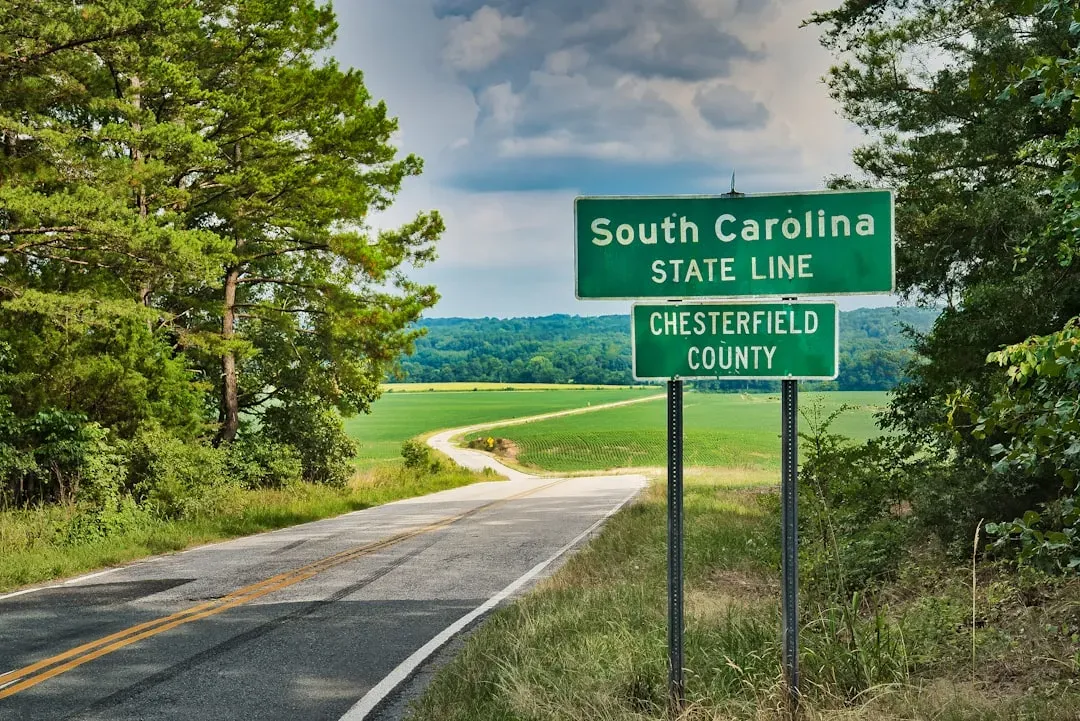
8. South Carolina: Retiree-Friendly Tax Rules in a Milder Climate (Image Credits: Unsplash)
South Carolina exempts Social Security and offers generous retirement income deductions. South Carolina provides retirement deductions and senior tax benefits that can make a meaningful difference for retirees on fixed incomes. The state's climate, with mild winters and long springs, appeals to many of the same retirees who once considered Florida but who prefer lower insurance costs and a less crowded coastline.
Hilton Head and Charleston both rank consistently among the best small retirement towns in national surveys. The cost of living in South Carolina sits below the national average in most areas, and healthcare access has improved considerably over the past decade. For retirees relocating from the Northeast, South Carolina often ends up feeling like a pleasantly surprising compromise between warmth and affordability.
9. Idaho: Low Taxes, Outdoor Access, and a Shifting Demographic

9. Idaho: Low Taxes, Outdoor Access, and a Shifting Demographic (Image Credits: Unsplash)
Bankrate's top-10 retirement list includes Idaho alongside New England states and Wyoming, a sign that Western states are gaining real traction among retirement planners. Idaho exempts Social Security and provides limited pension deductions. Idaho did away with its graduated income tax rate and introduced a flat rate of 5.3% on taxable income over $2,500 for single filers beginning January 1, 2025, with the threshold adjusting annually for inflation.
Military retirement income is tax-free in Idaho for disabled retirees and retirees age 62 and older. The state attracts retirees who want outdoor recreation, relatively low population density, and a more active lifestyle than the typical retirement destination offers. Boise in particular has seen significant growth as a retirement destination, with a walkable downtown and a healthcare infrastructure that has expanded to meet rising demand.
10. Pennsylvania: The Surprising Dark Horse for Tax-Conscious Retirees

10. Pennsylvania: The Surprising Dark Horse for Tax-Conscious Retirees (Image Credits: Unsplash)
Pennsylvania exempts Social Security and all retirement income. Pennsylvania doesn't tax retirement income and offers a flat tax rate of 3.07% on other income sources, creating a notably predictable tax environment. Pennsylvania charges personal income tax at a flat rate of 3.07%, but retirement income is not taxed as long as plan requirements are met. For retirees drawing primarily from retirement accounts and Social Security, the effective state tax burden can be very close to zero.
Pennsylvania combines a cost-of-living index of 94 points with a cultural and historical offering that sets it apart from conventional retirement destinations. The state has no estate or inheritance tax concerns for most retirees, strong healthcare infrastructure in cities like Philadelphia and Pittsburgh, and a climate with four seasons that many transplants from Florida actually miss. It's not glamorous in the way Florida is, but for pure financial efficiency, it makes a compelling argument few other states can match.