
Most people walk up to a bar without giving much thought to what the person on the other side of the rail thinks of them. You scan the menu, you pick something, you order. Simple enough. What’s less obvious is that the moment those words leave your mouth, a quiet but very real assessment has already begun.
A survey titled “Bartender Confessions,” conducted by Alcohol.org and drawing on responses from over 260 U.S.-based bartenders, found that a striking 81 percent of bartenders will change their opinion of a customer based on their drink order alone. That’s not a fringe opinion. It’s the majority view from people who spend their professional lives watching what we order, and drawing conclusions from it. Here are ten orders that tend to trigger that silent judgment almost instantly.
1. The Long Island Iced Tea: The Speed-Run Signal
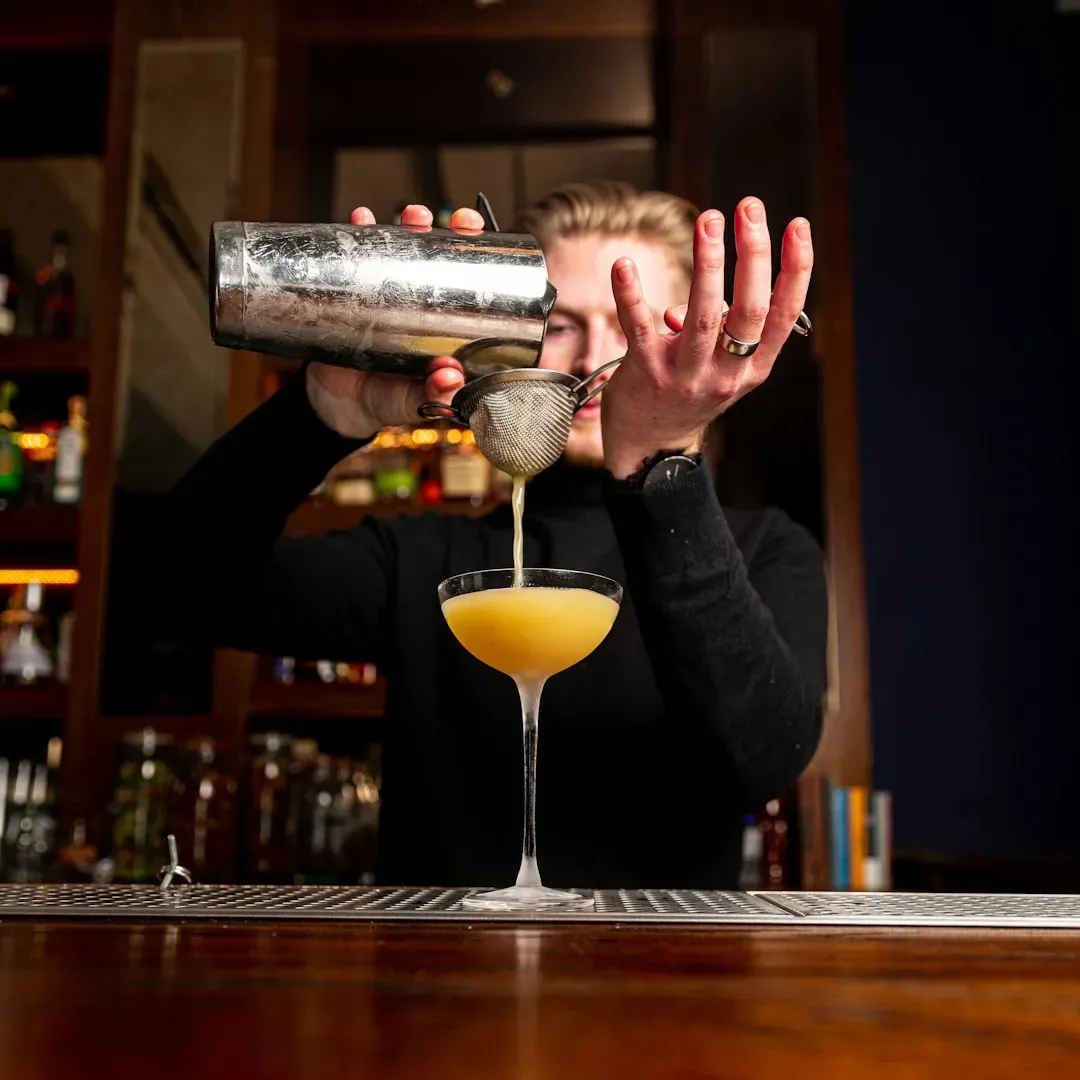
1. The Long Island Iced Tea: The Speed-Run Signal (Image Credits: Unsplash)
When a bartender sees a Long Island Iced Tea order come in, they often start evaluating the customer's current level of inebriation almost immediately, since the drink is frequently associated with inexperienced drinkers who want to get heavily intoxicated fast. It's not a moral judgment exactly, but it's a practical one. A bartender keeping track of how many someone has had, and how they're acting, is doing their job responsibly.
Bar manager Abraham Flota of Prospect in San Francisco has described the Long Island Iced Tea as a drink that often sacrifices quality for potency, making it unbalanced and muddled, and one that tends to appeal to those looking for a quick buzz. On Reddit's r/bartenders community, some mixologists have also noted that Long Island Iced Teas tend to be ordered by less-than-gracious guests. Between the perception of the person ordering and the chaotic ingredient list, this one checks a lot of boxes for a raised eyebrow.
2. The Mojito on a Slammed Friday Night
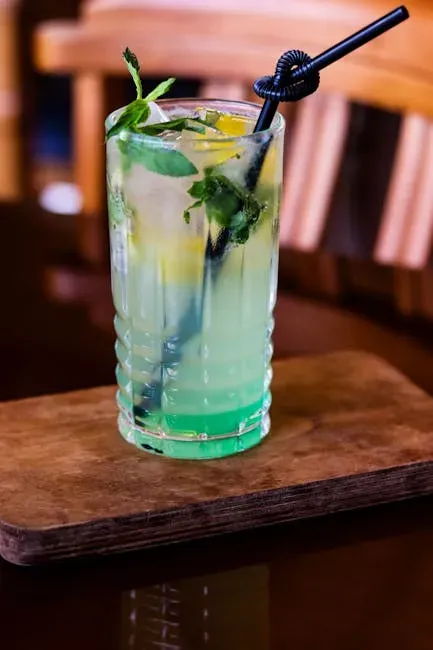
2. The Mojito on a Slammed Friday Night (Image Credits: Pexels)
According to bartender Lisa Millar-Jones, ordering a mojito is a reliable way to end up in a barperson's bad books, with the primary reason being the sheer amount of time the cocktail takes to make. On a busy night with patrons four deep at the bar, no professional wants to spend five minutes muddling mint leaves. It's not the drink itself that draws judgment. It's the timing.
A mojito ordered patiently on a quiet Tuesday evening is a genuine pleasure to make. That same drink ordered with a snap of the fingers at peak Saturday night chaos, while the customer is on their phone and hasn't looked up once, is an entirely different experience. Context, as it turns out, is everything behind the bar.
3. The Appletini: Still Carrying Baggage
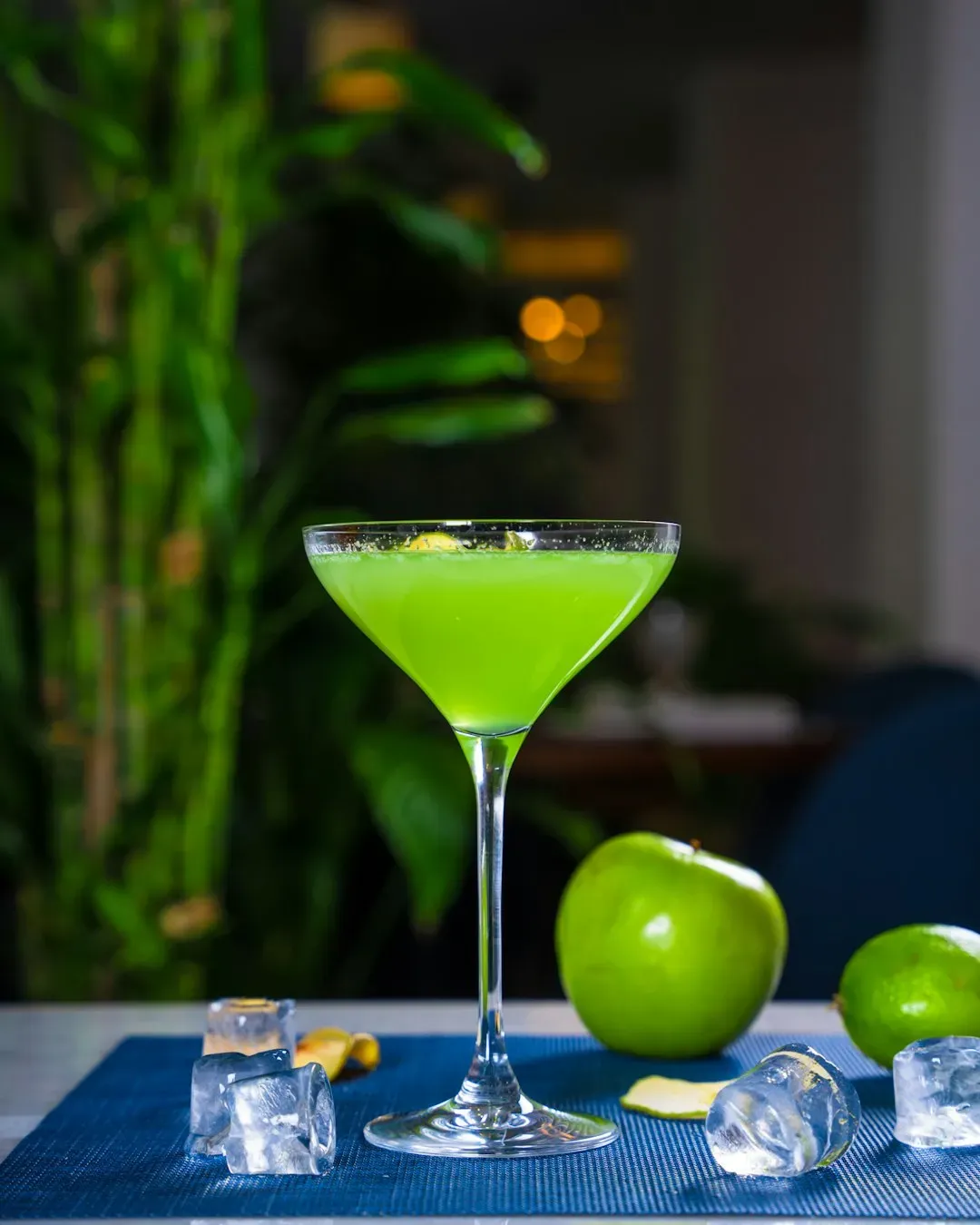
3. The Appletini: Still Carrying Baggage (Image Credits: Unsplash)
According to an anonymous survey of 260 bar staff, the drink most likely to negatively affect a bartender's opinion of a customer is the appletini. No matter how much you enjoy it, the person making it is unlikely to look on you favorably for the rest of the evening. It's one of those drinks that carries a cultural reputation that long preceded the customer who orders it.
Appletinis, along with Jagerbombs and frozen cocktails, were identified among the worst offenders in the Bartender Confessions survey, largely associated in the industry's mind with a certain fraternity-row approach to drinking. Some orders communicate something about your palate. The appletini communicates something more specific, whether you intend it to or not.
4. The Espresso Martini: Trendy and Taxing
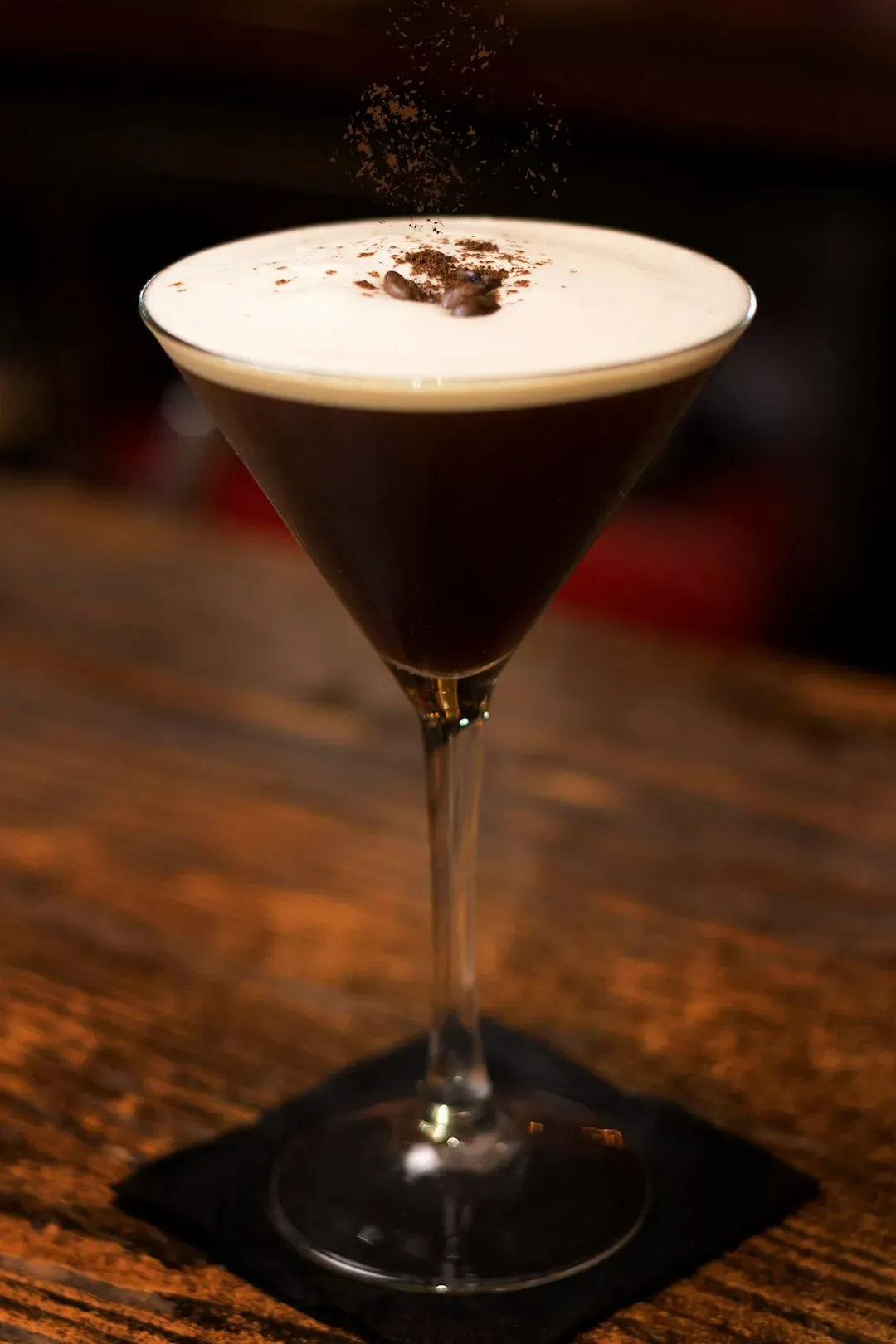
4. The Espresso Martini: Trendy and Taxing (Image Credits: Unsplash)
Despite its enormous popularity, making espresso martinis can be a real pain for bartenders, especially on busy nights that don't leave much time for pulling fresh espresso shots. The espresso martini saw its ordering growth increase by roughly fifty percent in 2024 alone, making it one of the most requested cocktails in the country. That kind of popularity has a cost, and bartenders are the ones absorbing it.
The espresso martini's wild run of popularity shows no signs of slowing, which is precisely part of the problem. Everyone wants one, every venue does them differently, and because the drink has no real standard recipe, customers are often very particular about the version they prefer. Add an order for a round of them at closing time, after the espresso machine has already been cleaned, and the judgment becomes nearly unavoidable.
5. "Surprise Me": The Phrase That Tests Patience
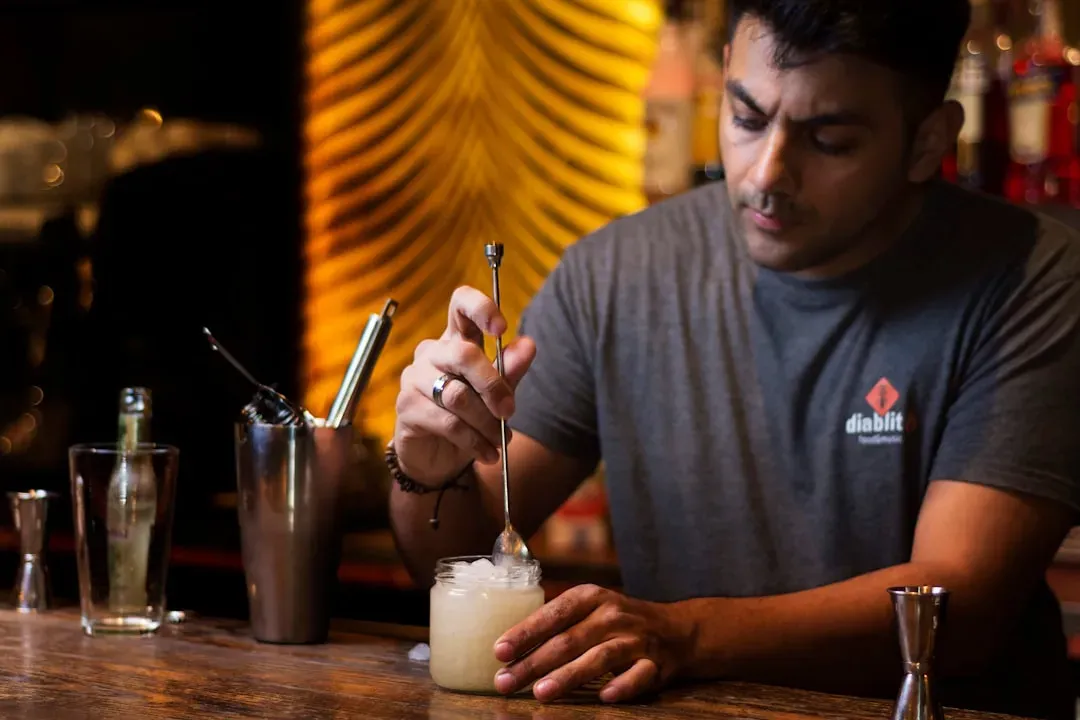
5. "Surprise Me": The Phrase That Tests Patience (Image Credits: Unsplash)
One of a bartender's biggest pet peeves is when customers simply cannot make up their mind about what they want. Indecision holds up a busy bar where multiple drinks are being built simultaneously, and it directly affects how efficiently service flows. Asking a bartender to "just surprise you" may feel spontaneous and fun on your end. On theirs, it's an open-ended guessing game in the middle of a shift that requires precision.
Rather than opening with a vague request, bartenders prefer guests who can at least narrow things down. Something like asking for "a cocktail with citrus flavors and not too much sweetness" gives the bartender something to work with, rather than leaving them to build an entire profile from scratch. The more specific you can be, the faster and better your drink will be. That's genuinely a win for everyone.
6. The Vodka Soda at a Craft Cocktail Bar
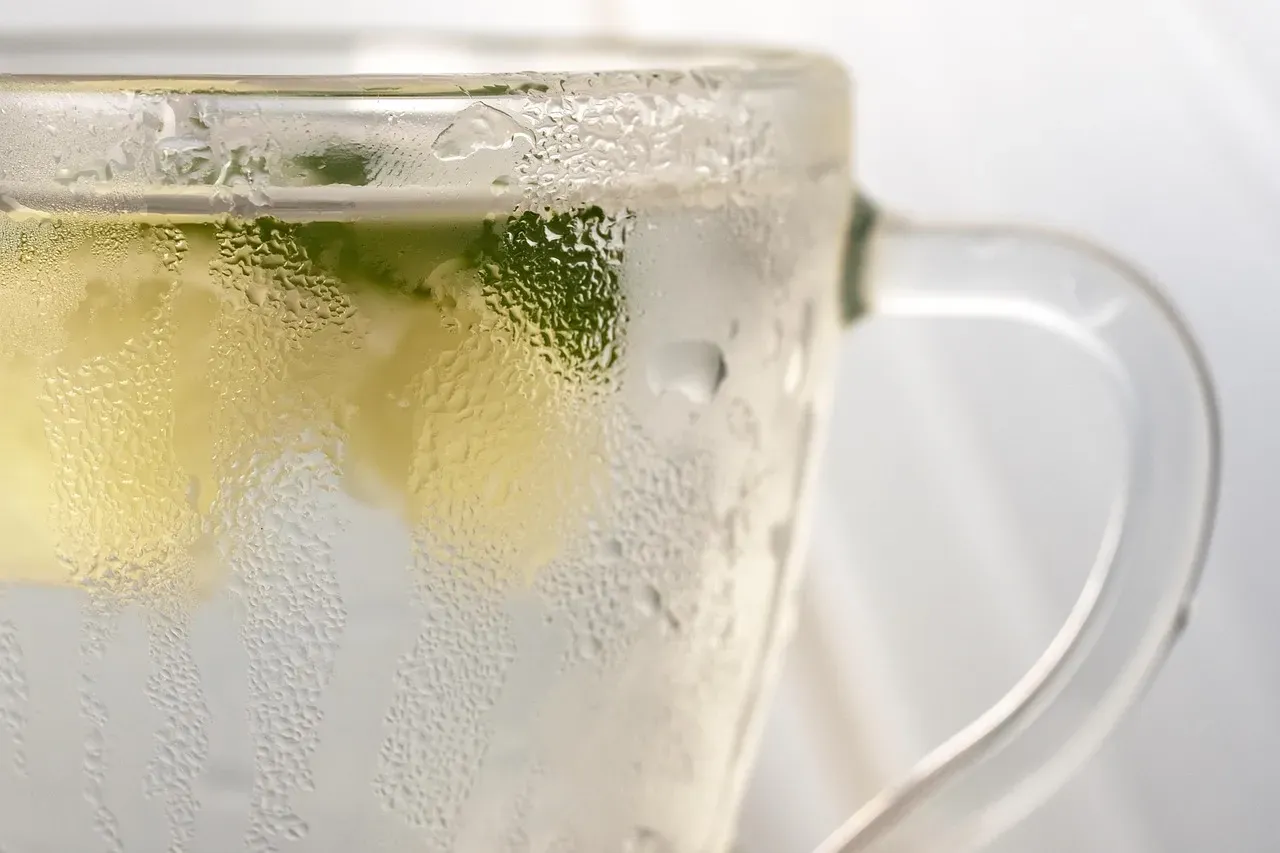
6. The Vodka Soda at a Craft Cocktail Bar (Image Credits: Pixabay)
Co-founders of boutique bartending company Twist and Bitters have stated that a little piece of their soul dies every time someone orders a vodka soda at a craft bar, comparing it to asking a chef to serve a piece of plain, untoasted white bread for dinner. That framing might sound dramatic, but the frustration behind it is understandable. A craft bar is built around a menu, a vision, and a serious investment in ingredients.
Ordering a vodka soda at a craft cocktail bar is a bit like booking a table at a Michelin-starred restaurant and then asking for plain buttered toast. You're technically allowed to do it. It just makes everyone a little sad. You won't be kicked out or poorly served. You might, though, catch a fleeting expression from behind the bar that says more than words ever could.
7. The TikTok Drink: Trending But Tiresome
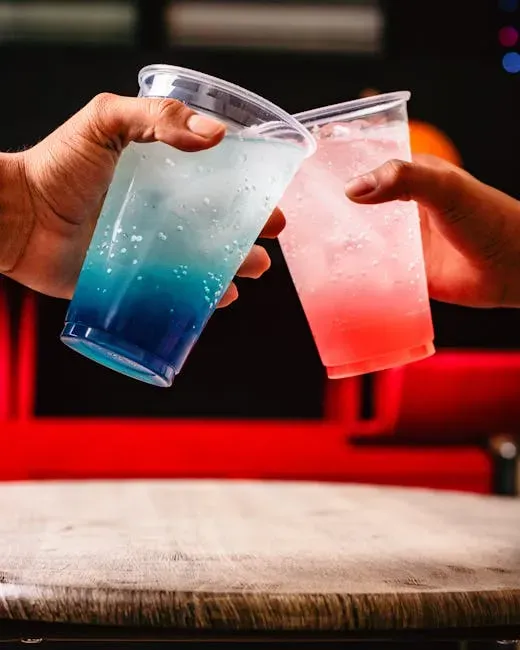
7. The TikTok Drink: Trending But Tiresome (Image Credits: Pexels)
As bartender and industry veteran Maya Falmagne of Osteria Morini put it bluntly: if you walk into a bar and order the latest thing that's cool on TikTok, the bartender will probably judge you. It's not that viral drinks are inherently bad. It's that ordering one often signals you've done zero research into the actual bar you're standing in, or what they do well.
Certain drinks have a moment, whether it's the drink of the month, the week, or even just that weekend, but bartenders often watch guests order trend-driven drinks only to leave them barely touched on the table. Ordering something because your algorithm showed it to you, rather than because you actually want it, tends to show. A quick glance at the bar menu before ordering goes a long way.
8. The Blended Drink When There's No Blender in Sight
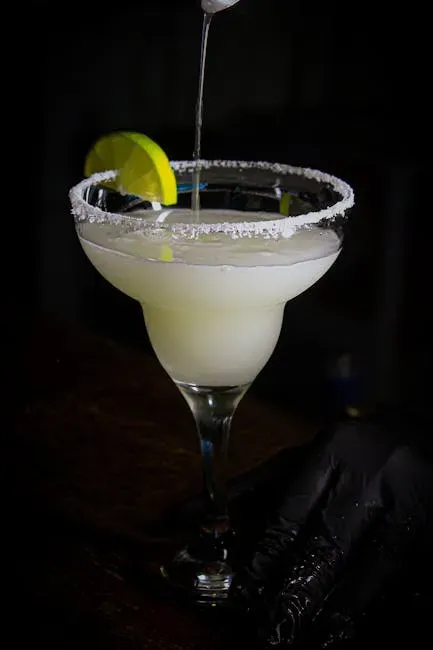
8. The Blended Drink When There's No Blender in Sight (Image Credits: Pexels)
Bartenders, especially at private events or smaller venues, are often understaffed and poorly equipped for complicated blended drinks. If you can see there's a large crowd and only one or two bartenders working, ordering something that requires blending is worth reconsidering. This is less about the drink itself and more about reading the room, which is a skill that bartenders notice and appreciate in customers.
Bartenders are direct about this: if you're asking for a blended margarita and there's no blender visible behind the bar, that should tell you something. Pressing the issue anyway marks you immediately as someone who isn't paying attention to the context around them. Getting your margarita on the rocks instead saves everyone the hassle and keeps the line moving.
9. Ordering "Just a Beer" Without Specifying
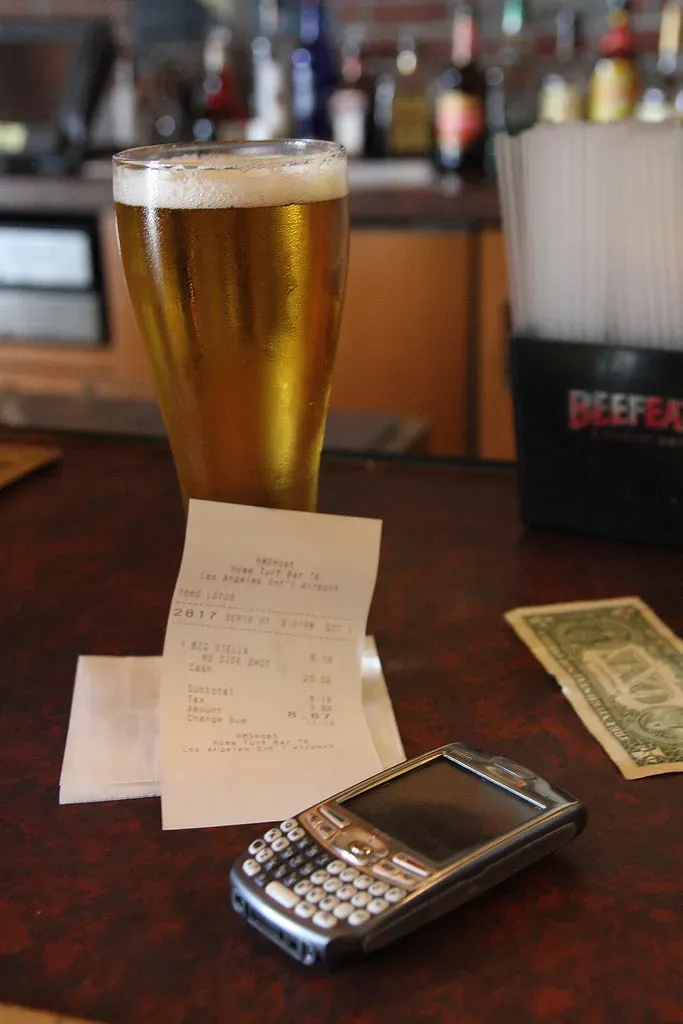
9. Ordering "Just a Beer" Without Specifying (Jen SFO-BCN, Flickr, <a href="https://creativecommons.org/licenses/by/2.0/" target="_blank" rel="noopener">CC BY 2.0</a>)
Most bars carry a wide variety of beers, and generically ordering "a beer" is the same as walking into a pizza restaurant and ordering "a pizza." It sounds vague to the person behind the counter, and you'll immediately be asked to clarify anyway. The extra back-and-forth slows service down for everyone standing behind you in line, and it signals that you haven't given your order any thought.
Bartenders are professionals at reading their customers, and the unprepared order is one of the clearest signals of someone who walked up to the bar on impulse. Bartenders build drinks in a specific sequence to stay efficient, with stirred drinks like Old Fashioneds typically going first, followed by shaken builds like daiquiris. Stalling that process with vague or incomplete orders disrupts a rhythm that took considerable practice to develop.
10. Modifying a Classic Cocktail into Something Unrecognizable
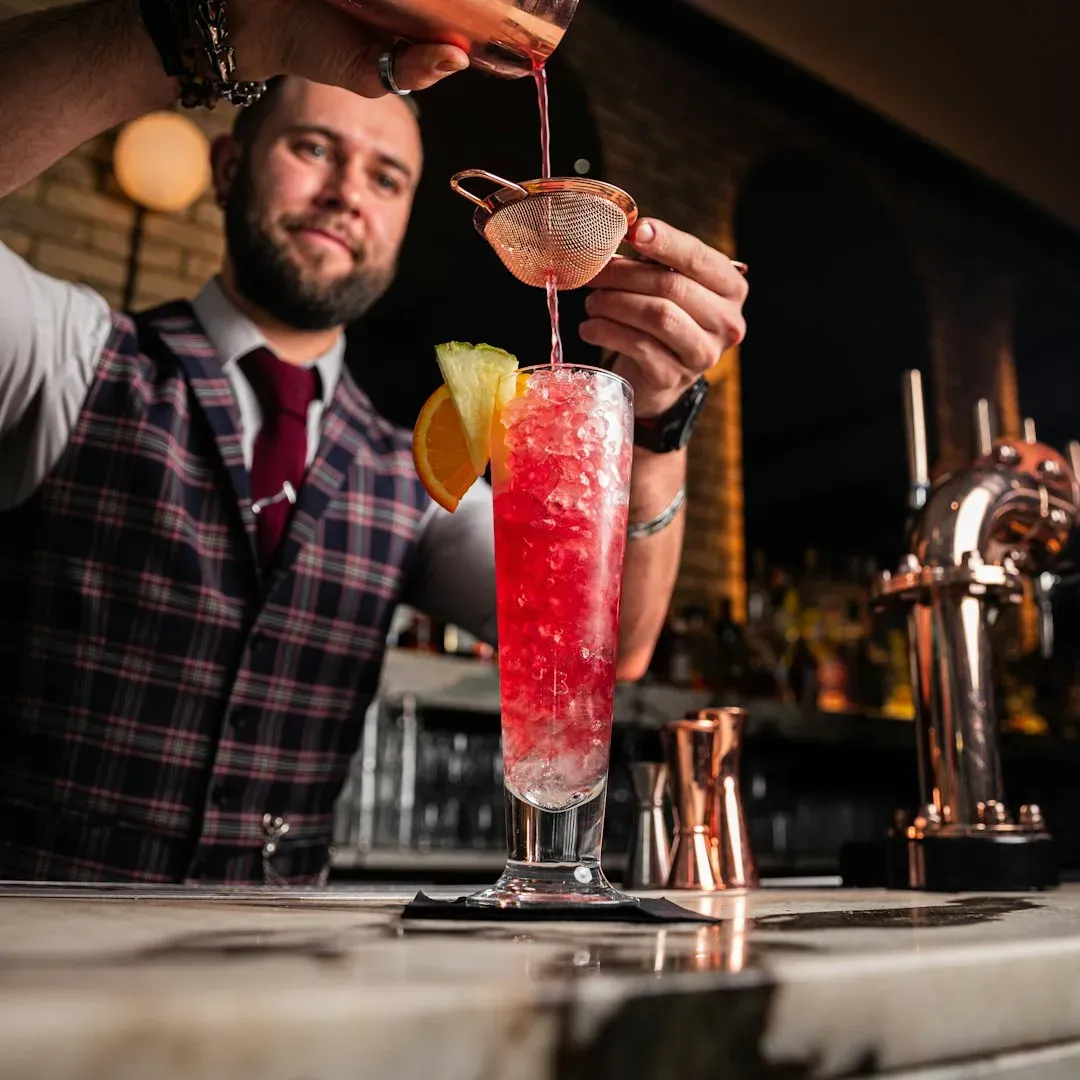
10. Modifying a Classic Cocktail into Something Unrecognizable (Image Credits: Unsplash)
While many people enjoy customizing their drinks, bartenders dislike customers who modify drinks excessively, since most cocktails are built around a careful balance between flavors. A whiskey sour uses citrus and sweetness to balance the spirit. A Moscow Mule uses ginger spice and lime for that signature bite. When you start pulling those elements out one by one, you're not really ordering that drink anymore.
Too many modifications to an existing recipe, such as removing the acid entirely from a citrus-forward cocktail, can result in a ruined drink rather than an improved one. Bartenders prefer when you frame modifications in a way that doesn't undermine the original structure of the cocktail. There's a difference between a reasonable tweak and essentially asking for a different drink while using the name of a classic. Bartenders who take their craft seriously will notice that distinction every single time.
A Final Note on the Judgment Itself
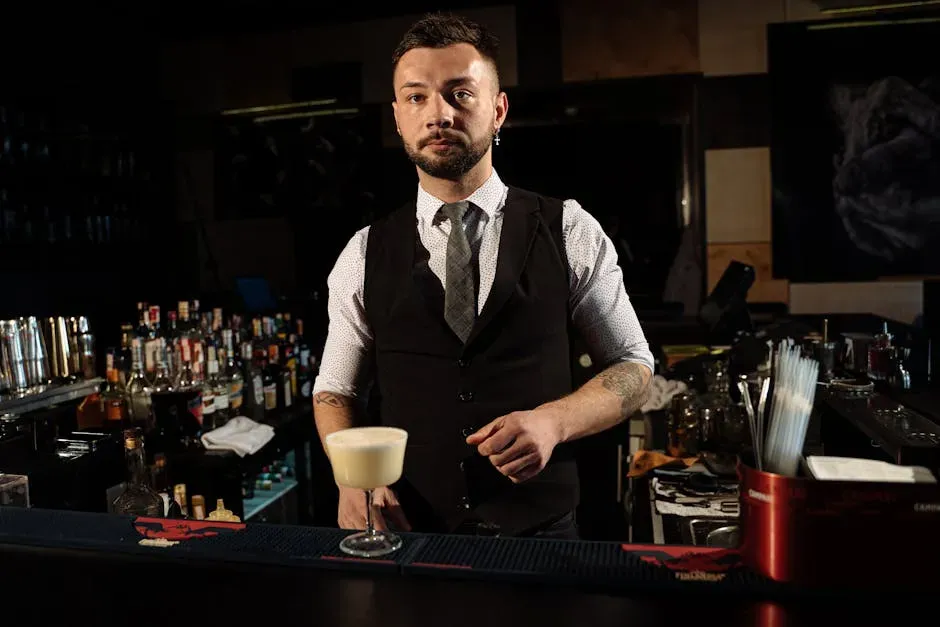
A Final Note on the Judgment Itself (Image Credits: Pexels)
On Reddit, bartenders have admitted they size up customers by their drink orders, though often with more humor than malice. Most of this is professional instinct, not personal contempt. A bartender reading your order is doing the same thing a good server does when they anticipate what table needs attention next. It's pattern recognition built from years of shifts.
None of these judgments are permanent or deeply held. Order with some self-awareness, tip well, and make reasonable requests given the setting you're in. Often the assessment bartenders form is a positive one, and even when it's not, it's all held with a degree of good humor. The bar is their workplace, and understanding that tends to make the whole experience better, for both sides of the counter.