
Most people toss their change into a jar without a second thought. A nickel is a nickel. It buys nothing meaningful, covers no bill, and rarely earns a second glance. That instinct is understandable, but it has also caused countless people to unknowingly discard something worth far more than five cents.
The story of how one ordinary discovery sparked a financial turnaround is not a lottery tale or a get-rich scheme. It’s about curiosity, patience, and a willingness to learn something new from the ground up. It starts, simply enough, with an old coin in a change tray that almost got spent on a vending machine.
A Coin That Stopped Him Cold
A Coin That Stopped Him Cold (Homini:), Flickr, <a href="https://creativecommons.org/licenses/by/2.0/" target="_blank" rel="noopener">CC BY 2.0</a>)
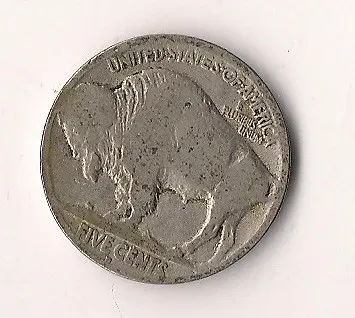
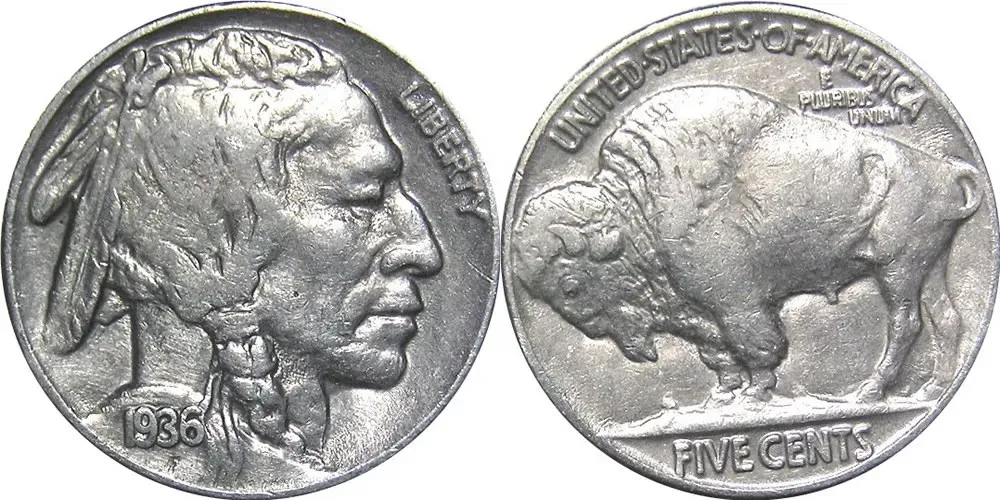
The coin looked different. Worn down, slightly discolored, and noticeably thicker in its design than any modern nickel, it had a profile on one side that clearly was not Thomas Jefferson. That was enough to make him look twice.
The Buffalo nickel, formally known as the Indian Head nickel, is a copper-nickel five-cent piece struck by the United States Mint from 1913 to 1938, designed by sculptor James Earle Fraser. While million-dollar nickels are rare, Buffalo nickels still turn up in change, old jars, or inherited collections. The odds are long, but they're not zero. That distinction matters more than most people realize.
The History Encoded in the Design
The History Encoded in the Design (stephpbader, Flickr, <a href="https://creativecommons.org/licenses/by/2.0/" target="_blank" rel="noopener">CC BY 2.0</a>)
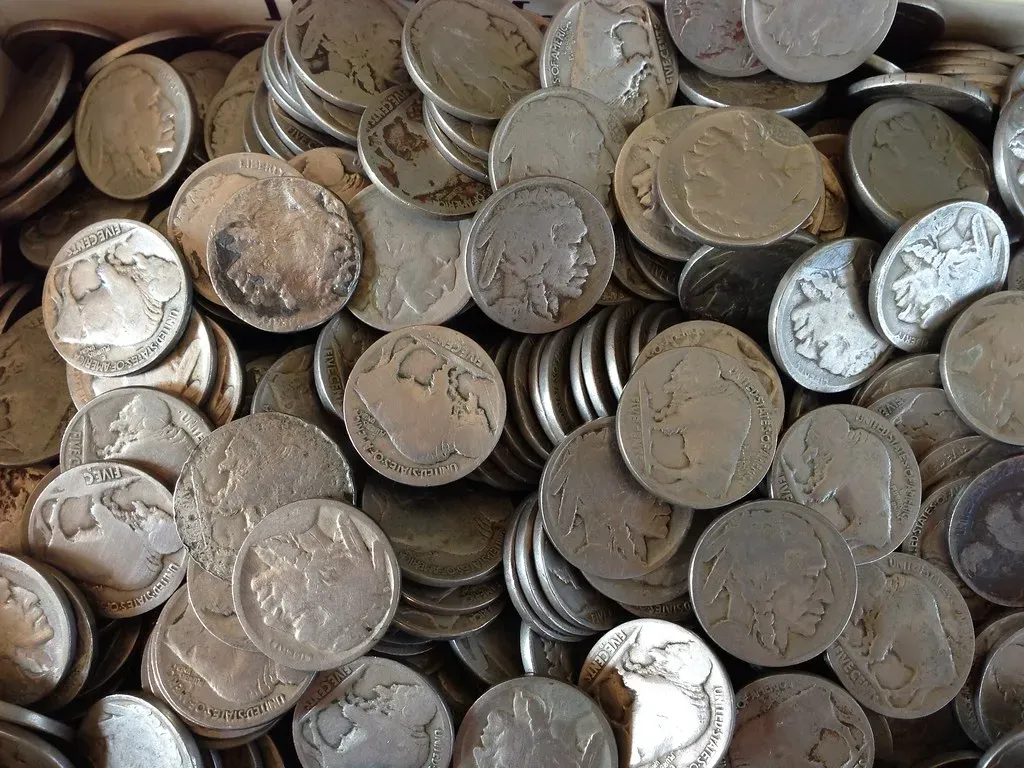
Designed by James Earle Fraser and minted from 1913 to 1938, the Buffalo nickel reflects a deeply personal vision. Fraser grew up on the American frontier during the late 19th century, spending his formative years in Minnesota and South Dakota, where he witnessed firsthand the struggles and dignity of Native Americans.
Fraser designed a Native American head for the obverse as a composite image of three Native American chiefs: Iron Tail, a Sioux; Big Tree, a Kiowa; and Two Moons, a Cheyenne. The choice of the buffalo on the reverse was no accident. During Fraser's youth, the American bison population had been devastated, nearly driven to extinction by westward expansion and overhunting. Where tens of millions of bison once roamed, by the late 19th century fewer than a thousand remained.
Realizing the Coin Might Be Worth Something
Realizing the Coin Might Be Worth Something (Image Credits: Pexels)
A Buffalo nickel can be worth as little as 15 cents in heavily worn condition or as much as $350,000 for rare, high-grade examples with significant errors or key dates. Most circulated coins with visible dates fall in the $0.35 to $1 range, while uncirculated or certified coins often command $15 to $50 or more, depending on rarity and demand.
Value depends on key factors such as the date, mint mark, condition, and whether the coin has scarce varieties or errors. While many common Buffalo nickels are modestly priced, rare dates and well-preserved examples can be worth significantly more. The man in this story had no idea which category his coin fell into. That ignorance, it turned out, was the starting point for everything that followed.
Understanding What Makes These Coins Valuable
Understanding What Makes These Coins Valuable (Image Credits: Pexels)
Some of the most valuable Buffalo nickels aren't rare because of their date alone but because of unusual minting errors that occurred during production. These flaws, often visible under magnification, are sought after by collectors for their rarity, mystery, and uniqueness. Error coins like the famous 1937-D Three Legs nickel or the elusive 1918/17-D overdate can command thousands of dollars, especially in uncirculated condition.
Of all the Buffalo nickel coins, the 1937-D Buffalo nickel Three Legs, minted at the Denver Mint, is considered the most valuable. This variety resulted from a U.S. Mint error where the obverse side of the coin was over-polished, causing three of the bison's legs to appear missing. Among non-1913 issues, the standout recent sale is the 1918/7-D Buffalo nickel at $511,875 in 2024.
Getting a Professional Appraisal
Getting a Professional Appraisal (Image Credits: Unsplash)
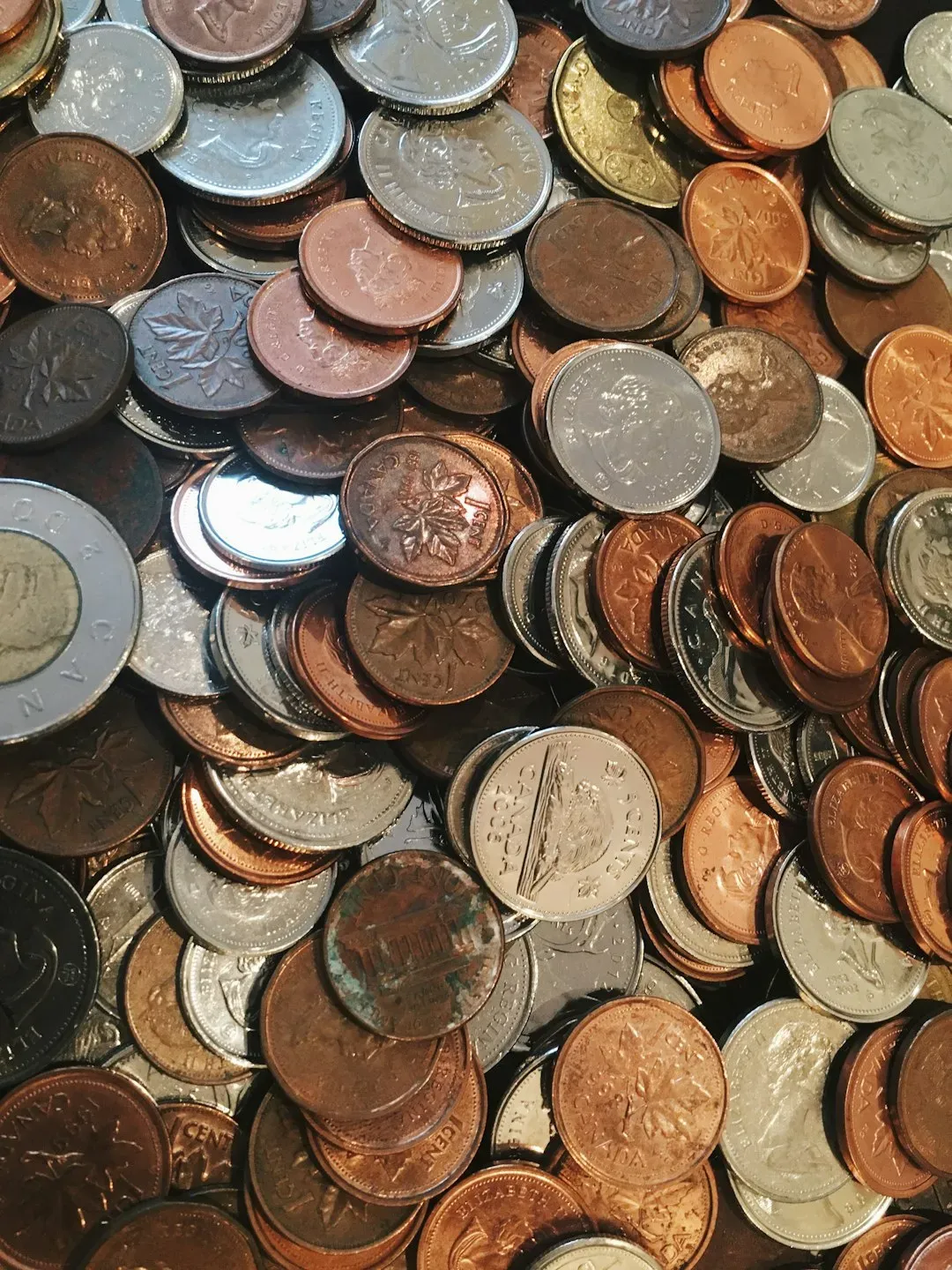
Rather than guessing, the smart move is getting an expert to look at the coin. Getting coins graded provides several advantages. Professional grading services authenticate coins, verifying that they are genuine and not counterfeits. This authentication adds credibility to the find, especially when plans to sell or trade are involved.
In 1986 a group of seven coin dealers, including David Hall, founded PCGS, the Professional Coin Grading Service, with the intention of making coin grading more consistent by having expert graders evaluate coins and then encapsulating them in a clear plastic holder. Today PCGS is one of the two leading coin grading, authentication, and attribution services, alongside NGC, the Numismatic Guarantee Corporation, founded in 1987. Coins in pristine condition can sell for 50 times more than others in poor condition.
The Research Phase That Changed His Mindset
The Research Phase That Changed His Mindset (Image Credits: Pexels)
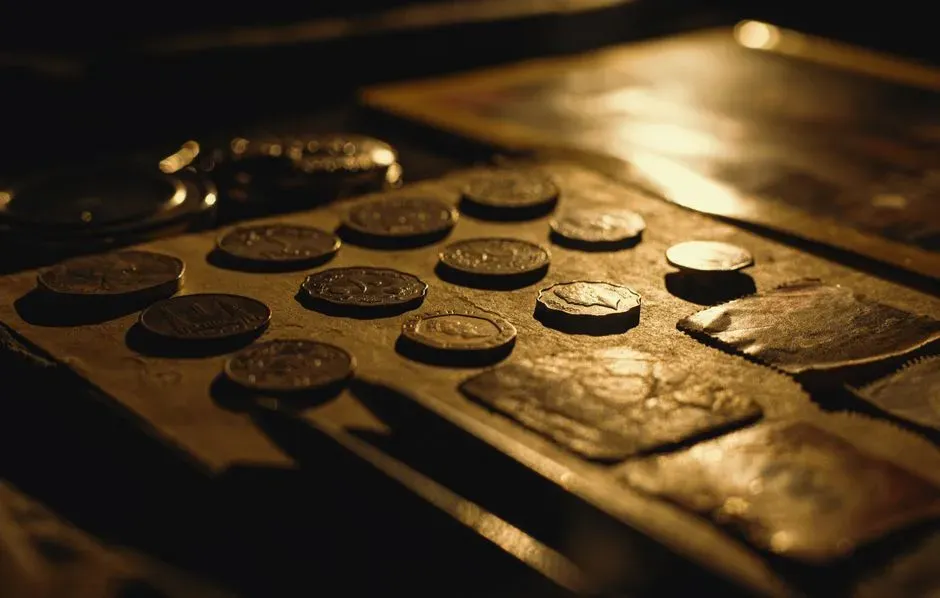
What began as curiosity about one coin quickly opened a door he hadn't expected. Once nicknamed "the hobby of kings," collecting coins has become an everyman's game thanks to a rise in numismatic scholarship, education, and access to information. The internet has allowed that growth to happen at an exponential rate. The knowledge that once took a lifetime to accumulate is now available at the fingertips of the general public.
Numismatics, the field of coin collecting, is booming, with online communities sharing finds and discoveries. It's a hobby blending adventure, learning, and potential profit. He started spending evenings reading auction records, studying mint marks, and comparing his coin against reference guides. Within weeks, a hobby was forming where there had only been confusion before.
Building Knowledge Into a Financial Strategy
Building Knowledge Into a Financial Strategy (Image Credits: Pexels)
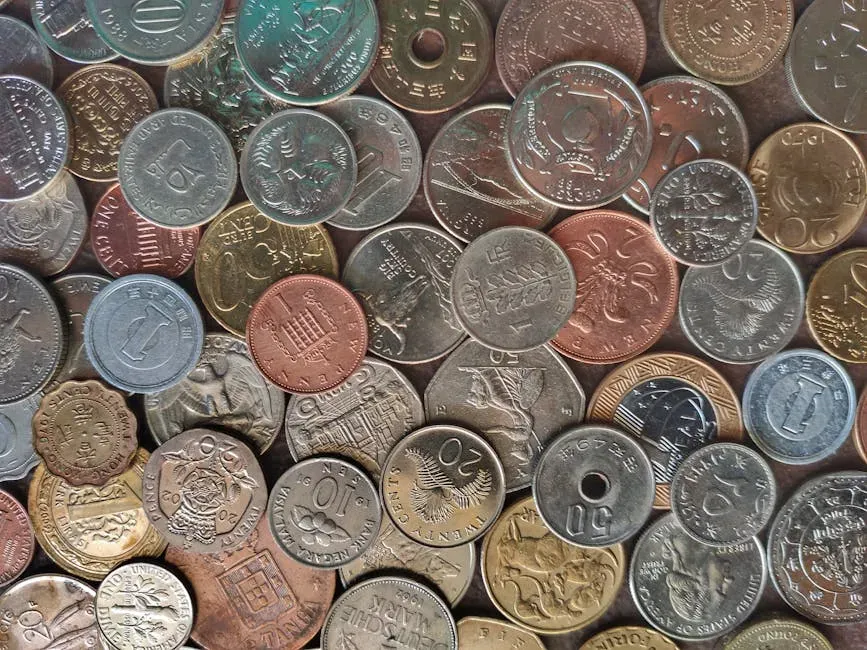
Rare coins are considered a commodity-like investment. In addition to holding sentimental value, coins are also tangible assets that can produce attractive financial returns. The man began approaching coin collecting with the same discipline he wished he'd applied to his personal finances years earlier: buying carefully, researching before spending, and resisting impulse purchases.
Starting with smaller denominations or less costly coins enables individuals to build a foundational assortment without significant financial strain. This approach cultivates experience, providing an opportunity to understand preferences, grading standards, and market dynamics before venturing into higher-value acquisitions. Viewing building rare coin collections as a marathon rather than a sprint proves beneficial for budget-conscious collectors. Patience becomes a valuable asset as collections appreciate over time.
Navigating the Risks and Avoiding Scams
Navigating the Risks and Avoiding Scams (Image Credits: Pexels)
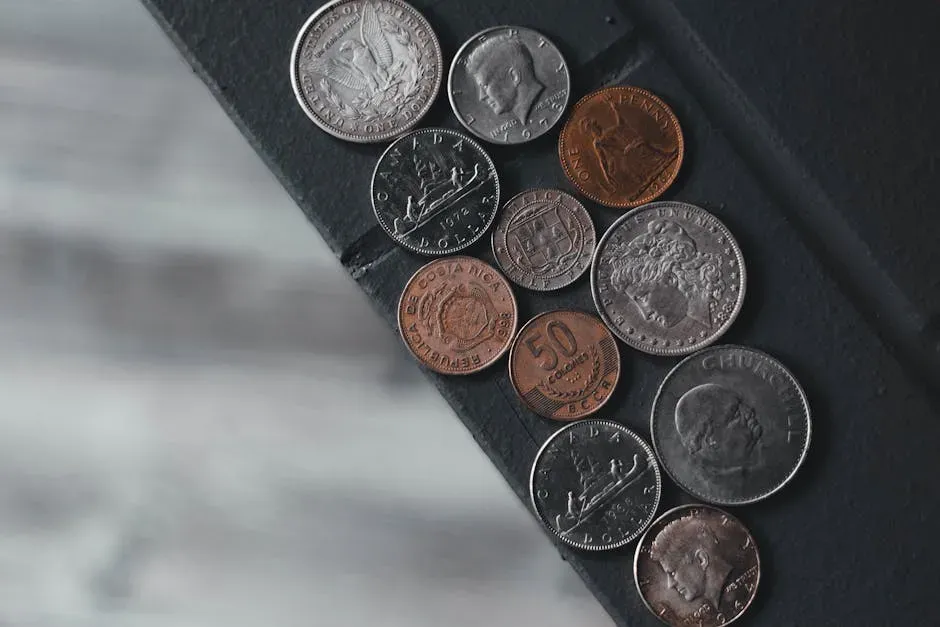
Not every old coin is a hidden treasure, and the market has its share of pitfalls. The world of coin collecting has its fair share of scams. Sellers may claim a common Buffalo nickel is rare and demand inflated prices. Some may even attempt to tamper with coins, creating fake errors like a missing leg.
The critical function that NGC and PCGS perform is coin authentication, which means verifying that a coin is genuinely what it claims to be. This has become increasingly important in recent years as sophisticated counterfeits have flooded online marketplaces. Professional graders use a combination of techniques to spot fakes, examining weight and dimensions for deviations from known specifications and studying die characteristics under magnification. Knowing this, he submitted every significant find before committing to any sale.
The Tax Reality No One Warns You About
The Tax Reality No One Warns You About (Image Credits: Pexels)
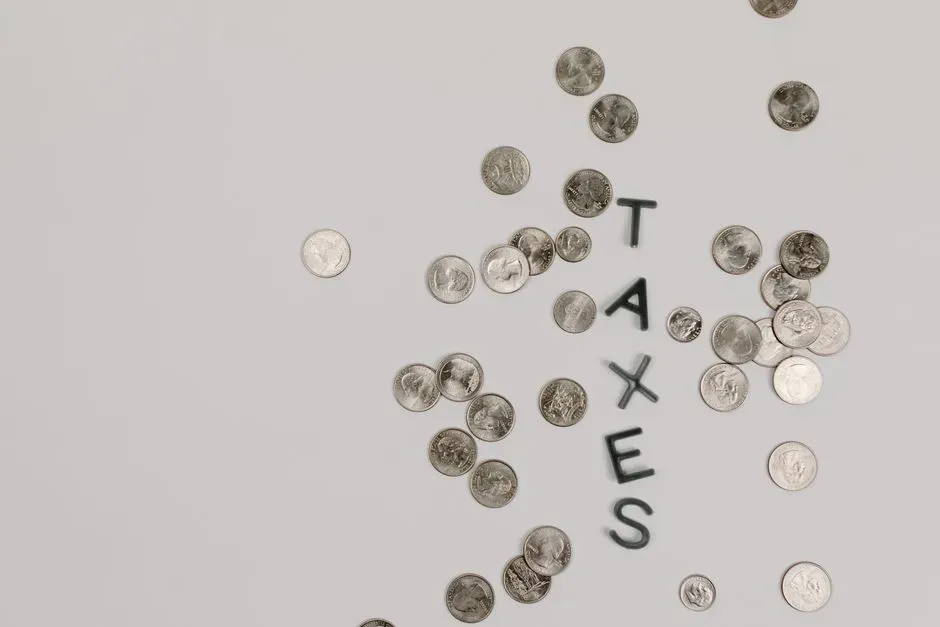
Turning a coin collection into real money comes with obligations that surprise many first-time sellers. Selling high-value collectibles comes with specific tax rules that most hobbyists ignore until it's too late. The holding period rules for collectibles mirror those for other capital assets. If you hold a coin for one year or less before selling, your gain is taxed as ordinary income. If you hold a coin for more than one year, your gain is taxed at the collectibles capital gains rate of up to 28%.
The IRS classifies coins, stamps, art, antiques, and other tangible collectibles under a special rate structure, and there is no way around it through standard tax planning strategies. He learned this early and kept meticulous records from the start, an approach that saved him a painful surprise come tax season and one he now recommends to anyone entering the hobby seriously.
Where the Finances Actually Turned Around
Where the Finances Actually Turned Around (Image Credits: Unsplash)
The Buffalo nickel itself turned out to be a mid-range circulated piece, not a record-breaker. Its value was modest but real. More importantly, the process of identifying, researching, and selling that one coin gave him a transferable framework for thinking about value, patience, and assets that he hadn't previously applied to money at all.
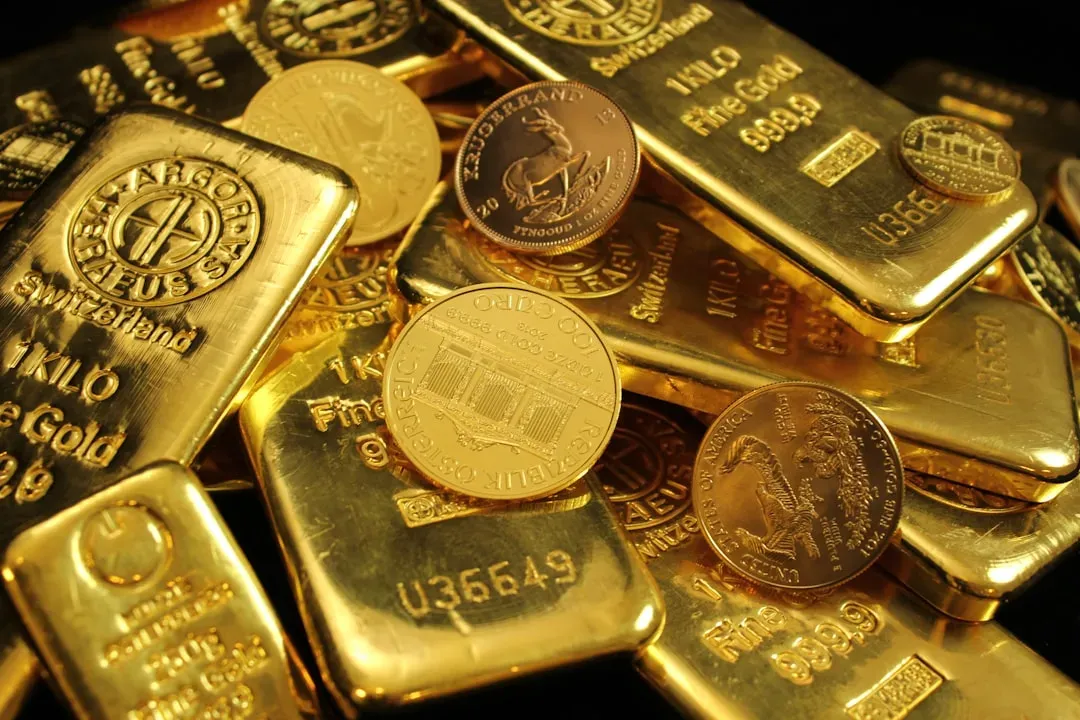
For investors, coins offer a unique opportunity to diversify their portfolios and hedge against economic uncertainty. Gold and silver coins, in particular, have a long history of retaining their value during financial turmoil. Over the following years, he used the same disciplined approach to build modest savings, avoid unnecessary debt, and gradually grow a small but focused collection. In 2026, collector demand for these coins remains strong, making them a fascinating area of study for both beginners and seasoned numismatists.
What This Story Actually Teaches
What This Story Actually Teaches (By Bobby131313, <a href="https://commons.wikimedia.org/w/index.php?curid=14972281" target="_blank" rel="noopener">CC BY-SA 3.0</a>)
The Buffalo nickel didn't make this man rich overnight. What it did was open a curiosity that led to education, and that education eventually reshaped how he thought about money in every context. The financial turnaround came not from the coin's price tag but from the habits of mind the hunt demanded.
Experts say a few rare Buffalo nickels might still be out there in everyday use, waiting for someone to spot them. Stories like this get people excited about checking their spare coins. The value of attention, it turns out, compounds over time just like interest does. Sometimes all it takes to start paying closer attention to your finances is finding one small thing you nearly overlooked.