
Every couples therapist has stories they carry home at the end of the day. Not dramatic blow-ups or cinematic betrayals, but quiet, creeping patterns that show up again and again across dozens of different relationships. The names change. The faces change. The habits don't.
What's striking is that many of the behaviors therapists find most alarming aren't new. They're old problems amplified by modern life. Social media, chronic stress, changing norms around communication, and a culture that often rewards individual self-expression over relational responsibility have turned manageable friction into something harder to repair. Clinicians across the field are noticing it, and the research is catching up.
1. Contempt Dressed Up as Honesty

1. Contempt Dressed Up as Honesty (Image Credits: Pexels)
Of all the behaviors that predict relationship breakdown, contempt sits at the top. Contempt was the single strongest predictor of divorce, more powerful than criticism, defensiveness, or stonewalling alone. It shows up in eye-rolls, sarcasm, cutting remarks, and a tone that communicates superiority rather than frustration. The problem is that many partners genuinely believe they’re “just being honest.”
What makes contempt so damaging is that it removes respect from the interaction, and without respect, it’s very difficult to repair anything. When a partner learns to frame their own contempt as directness or transparency, the behavior becomes nearly impossible to address in the room. Therapists increasingly report that this self-justifying version of contempt is growing harder to name without triggering immediate defensiveness.
2. Stonewalling During Emotionally Critical Moments
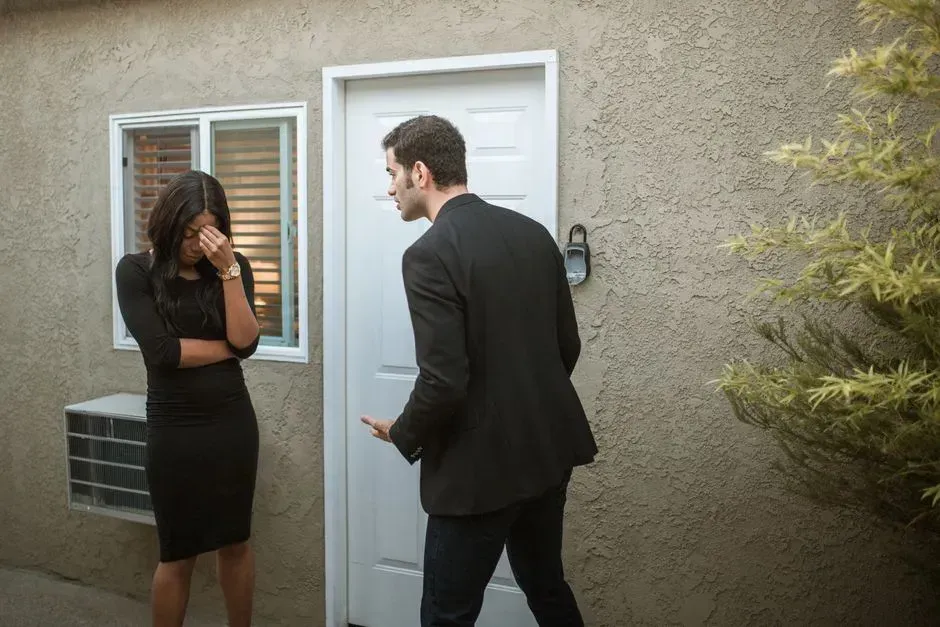
2. Stonewalling During Emotionally Critical Moments (Image Credits: Pexels)
Stonewalling is usually a response to contempt. It occurs when the listener withdraws from the interaction, shuts down, and simply stops responding to their partner. Rather than confronting the issues, people who stonewall can make evasive maneuvers such as tuning out, turning away, acting busy, or engaging in obsessive or distracting behaviors. On the surface it can look like calm. Underneath, it registers to a partner as abandonment.
Stonewalling feels like emotional abandonment to a partner who is trying to reach out, connect, and resolve something. From the stonewalling partner’s perspective, they may be shutting down to avoid saying something they’ll regret, or because they’re overwhelmed and need space. Therapists understand the physiological reality behind it, but the pattern has become more entrenched in recent years, particularly when avoidance is reinforced by simply scrolling on a phone instead of re-engaging.
3. Chronic Criticism That Attacks Character, Not Behavior

3. Chronic Criticism That Attacks Character, Not Behavior (Image Credits: Unsplash)
Criticism as one of the most destructive relationship patterns is distinct from offering a critique or voicing a complaint. A complaint is about a specific issue, whereas criticism is an ad hominem attack. It is an attack on a partner at the core of their character, essentially dismantling their whole being. The distinction sounds technical until you’re on the receiving end of it for months on end.
Blame is a natural reaction when things go wrong, but it can become a toxic habit that breeds resentment and disconnect. Over time, placing all responsibility on a partner turns them into antagonists rather than teammates. They begin to feel unfairly judged, and both partners lose sight of each other’s positive qualities. Therapists report that couples are arriving with longer histories of unaddressed criticism, meaning the erosion is already deep before the first session begins.
4. Using a Phone as an Escape During Conflict

4. Using a Phone as an Escape During Conflict (Image Credits: Unsplash)
Digital distractions from smartphones and social media can significantly harm relationships by reducing quality time, emotional intimacy, and meaningful conversations between partners. Many couples struggle with the intrusion of technology in their daily lives, and when one partner constantly scrolls through social media or responds to messages, the other often feels ignored and undervalued. When this happens mid-conflict, it is functionally a form of stonewalling with a screen.
Phone use in relationships can lead to increased conflict and affect intimacy, emotional closeness, relationship quality, and satisfaction. Low relationship satisfaction can increase stress, loneliness, and feelings of uncertainty, all of which can influence how fulfilling a relationship feels. Recent studies suggest that over half of couples experience difficulties with the frequency and amount of one or both members’ phone usage and believe phones to be a significant problem in their relationship. That number keeps climbing.
5. Coming to Therapy With a Lawyer's Mindset

5. Coming to Therapy With a Lawyer's Mindset (Image Credits: Pexels)
Couples often enter therapy without a relational understanding of their issues, and self or other blaming are more common views, especially in individualistic societies. In practice, this means one or both partners arrive not to understand, but to win. They’ve mentally catalogued every grievance and want a verdict, not a conversation. Therapists find this orientation almost impossible to work around until the couple can release it.
If partners aren’t willing to examine their own behavior and how it might be contributing to problems, couples therapy will be a waste of time. Acknowledging personal responsibility is a crucial part of positive change, and after all, both partners are in the relationship together. The courtroom mindset has become more common, likely fed by a culture that increasingly frames relationships in terms of rights, fairness scorecards, and keeping track of who owes what.
6. Weaponizing Vulnerability Shared in Confidence

6. Weaponizing Vulnerability Shared in Confidence (Image Credits: Unsplash)
Therapists have seen countless couples unknowingly chip away at their love with small but corrosive habits. It’s not the big betrayals that often cause couples to fall apart; it’s the subtle, repeated actions that quietly damage trust, intimacy, and respect. Among the most corrosive of those subtle actions is using something a partner revealed in a vulnerable moment as ammunition during a later argument. It happens in a single sentence and can take years to undo.
When intimate disclosures become weapons, the relationship’s capacity for genuine openness closes down. Partners stop sharing. They stay surface-level. Destructive patterns in relationships can sneak in without warning, chipping away at trust, communication, and intimacy over time. Therapists note that rebuilding the safety required for real vulnerability after this breach is among the most difficult recovery work they do.
7. Defensiveness as a Default Response

7. Defensiveness as a Default Response (Image Credits: Pexels)
Defensiveness is really a way of blaming your partner. Even when it doesn’t look like blame on the surface, it functions that way. A partner who meets every concern with a counter-complaint, an excuse, or a recital of their own grievances is essentially telling the other person that their feelings don’t warrant a response. The conversation becomes a competition rather than a dialogue.
Research shows that these patterns tend to appear in a predictable cascade. Criticism opens the door. When criticism becomes habitual, contempt follows. Contempt invites defensiveness. And when defensiveness fails to resolve anything, stonewalling takes over. The relationship enters a loop where each partner’s worst response triggers the other’s worst response, and the space for repair shrinks with every cycle. By the time a couple reaches therapy, this loop often runs on autopilot.
8. Waiting Far Too Long to Seek Help

8. Waiting Far Too Long to Seek Help (Image Credits: Pexels)
Couples therapy is most effective when sought as a proactive measure. It’s much less effective as a last-ditch effort to salvage a relationship. Waiting until problems become severe may limit the potential for positive outcomes. Research consistently shows that couples wait an average of six years after serious problems begin before seeking any professional help. By then, contempt and withdrawal are already well-established.
Couples who approach therapy with a sense of desperation may struggle to engage fully. They may hold unrealistic expectations about the therapist’s ability to resolve issues. Therapists are not emergency repair technicians who can undo years of erosion in a handful of sessions. The longer couples wait, the thinner the margin for effective intervention becomes, and that margin appears to be shrinking as relationship distress deepens before anyone asks for support.
9. Treating Therapy as the Entirety of the Work

9. Treating Therapy as the Entirety of the Work (Image Credits: Pexels)
Effective couples therapy extends beyond the therapy session. No relationship can be fixed in 50 minutes a week. True change requires both partners to implement strategies learned during sessions into their lives. If couples fail to apply what they’ve learned in therapy to their day-to-day interactions, progress may stall. This is one of the patterns therapists find most frustrating, because the in-session work can genuinely be good, and then nothing transfers.
Therapy isn’t just about what happens in the room – it’s about what happens between sessions. If couples don’t put in the work outside of therapy, no real change will happen. The best therapy provides tools, but those tools must be used consistently. Partners who use the weekly session as a pressure valve, releasing steam without changing anything, often cycle through the same conflicts for months without moving forward.
10. Destructive Entitlement Rooted in Past Hurt

10. Destructive Entitlement Rooted in Past Hurt (Image Credits: Gallery Image)
Destructive entitlement may lead individuals in intimate relationships to vindictively relate to innocent partners because they believe something is owed to them from the past. Destructive entitlement can also result in callousness concerning a partner’s rights. It becomes a self-sustaining, cumulative social process that, if enacted, results in unfairness in the couple’s relationship. This pattern is particularly insidious because it often feels completely justified to the person engaging in it.
Destructive entitlement captures a self-defeating spiral, leading to the depletion of the trust and reciprocity essential for healthy couple relationships amid personal, familial, social, and environmental changes. A partner carrying unprocessed pain from childhood, previous relationships, or earlier injuries within the current relationship may genuinely believe they’re owed something. The tragedy is that this conviction keeps them locked in a cycle that damages the very relationship they want to be in.
11. Refusing to Acknowledge Reciprocal Patterns

11. Refusing to Acknowledge Reciprocal Patterns (Image Credits: Pexels)
In most cases, couple therapists see couples’ distress as the result of reciprocal maladaptive patterns to which each partner contributes. Getting both people to see their own role in those patterns is one of the central challenges of the work. Partners may be hesitant to take responsibility for their contribution to relational distress, which represents yet another challenge for the therapist in the absence of structured methods to translate systemic conceptualizations into actionable goals.
When one or both partners insist that the problem is entirely located in the other person, therapy effectively stalls. A therapeutic approach would aim to promote each partner’s understanding and responsibility for their relational and destructive patterns, and work toward breaking the cycle of blame and fostering fair and constructive relationship dynamics. The willingness to say “I’m part of this too” may be the single most important thing a partner can bring into the room, and it’s what therapists most hope for and least often see on a first visit.
Relationships don’t usually collapse in a single moment. They erode. The behaviors on this list share a common thread: they each make the other person feel less seen, less safe, or less valued over time. Therapists aren’t alarmed by conflict or difficulty. They’re alarmed by patterns that close off the possibility of repair. The good news is that patterns can change. The harder truth is that changing them requires catching them first, which means being genuinely willing to look.