
Three generations sharing the same planet don’t necessarily share the same morning routine, the same way of unwinding at night, or even the same idea of what counts as a good day. The gap isn’t just about age. It’s about the world each generation grew up in, the technology they absorbed early, and the values that quietly took root before they even noticed.
From how long they spend staring at a screen to how they handle money, news, and sleep, the differences run deeper than most people expect. Some of them are obvious once you see the data. Others are genuinely surprising.
1. How Much Time They Spend on Screens

1. How Much Time They Spend on Screens (Image Credits: Unsplash)
Gen Z, born between 1996 and 2010, typically spends around 9 hours a day on screens, which is notably higher than the 7 hours and 4 minutes spent by the average American in 2024. That gap is not trivial. It represents an entirely different relationship with the digital world, one built from childhood rather than adopted in adulthood.
Each generation exhibits distinct screen time patterns, with Gen Z averaging around 9 hours and Millennials clocking in about 6 hours and 42 minutes on screens. Gen Z spends 6 hours and 27 minutes on their phone every day while Baby Boomers spend a little over 4 hours. The numbers tell a generational story clearly enough on their own.
2. Which Social Media Platforms They Actually Use
2. Which Social Media Platforms They Actually Use (Image Credits: Pexels)
Boomers and Gen X use Facebook more than any other app, while Gen Z is all about YouTube, Instagram, and TikTok. The platforms themselves reveal a lot about what each generation wants from the internet, whether that's keeping in touch with family, consuming curated news, or scrolling short-form entertainment for hours.
Gen Z spends an average of 3 hours daily on TikTok alone, cementing its role as their primary digital destination. Gen Z's daily TikTok consumption outpaces both Millennials and Boomers by a full 30 minutes. For older generations, TikTok barely registers as a daily habit at all.
3. How They Consume News
3. How They Consume News (Image Credits: Pexels)
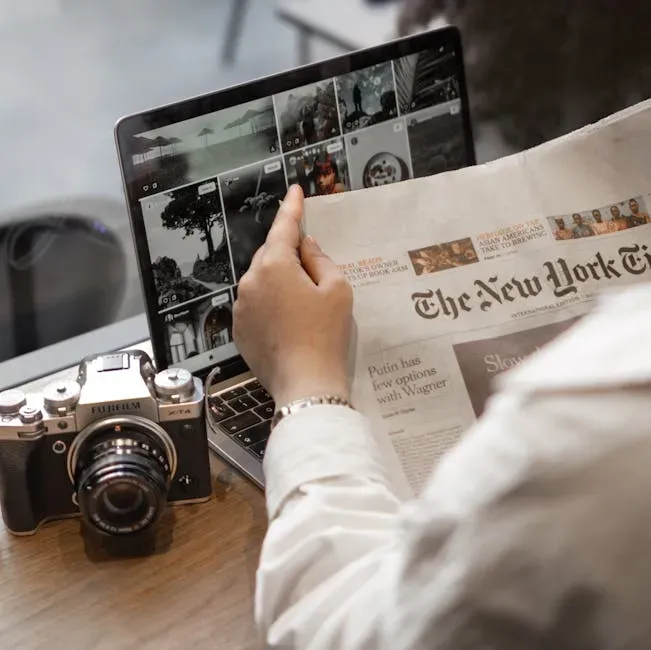
Boomers are patriotic and highly focused on traditional TV and print news, which is the main way they stay connected and learn about major happenings. For many Boomers, the evening news is still a genuine daily ritual, not a relic.
Social media is the number one way Gen Z gets their news, but they also view social media as a place to connect with others who have similar interests. Millennials sit somewhere in between, comfortable with digital news but still more likely than Gen Z to seek out longer articles and written formats. Gen Z emphasizes video and fast-paced visual content, while Millennials tend to value written communication and curated online personas.
4. How They Bank and Handle Money Day to Day

4. How They Bank and Handle Money Day to Day (Image Credits: Pexels)
MarketWatch's 2025 Banking Habits by Generation Guide found that Millennials and Gen Z prefer accessing their accounts through mobile banking by wide margins compared to other methods. For these two groups, walking into a branch feels like a last resort rather than a first instinct.
Baby Boomers prefer computers at 39% to mobile apps at 38%, while Gen X still prefers mobile banking but only at 54%, followed by online banking via computer at 27%. The contrast underlines something broader: older generations adopted digital tools over time, while younger ones never had another option to begin with.
5. Where and How They Shop

5. Where and How They Shop (Image Credits: Unsplash)
Around 80% of Gen Z's shopping occurs online, while 75% of Millennials prefer online shopping, compared to just 55% of Baby Boomers, though that segment is growing rapidly. Still, the story isn't as simple as younger equals more digital. While Gen Z hasn't known the world before the internet, surprisingly, the convenience of online shopping isn't entirely dictating their habits, as they embrace social media platforms but still appreciate the social element of in-store shopping.
Baby Boomer and Gen X customers are more focused on practicality and value, looking for price-driven incentives such as discounts and free shipping, and are also drawn to reliable sizing tools. Boomers research thoroughly and buy deliberately, which is a very different rhythm from Gen Z's impulse-to-checkout pipeline on TikTok Shop.
6. Their Sleep Habits and Bedtime Routines
6. Their Sleep Habits and Bedtime Routines (Image Credits: Unsplash)
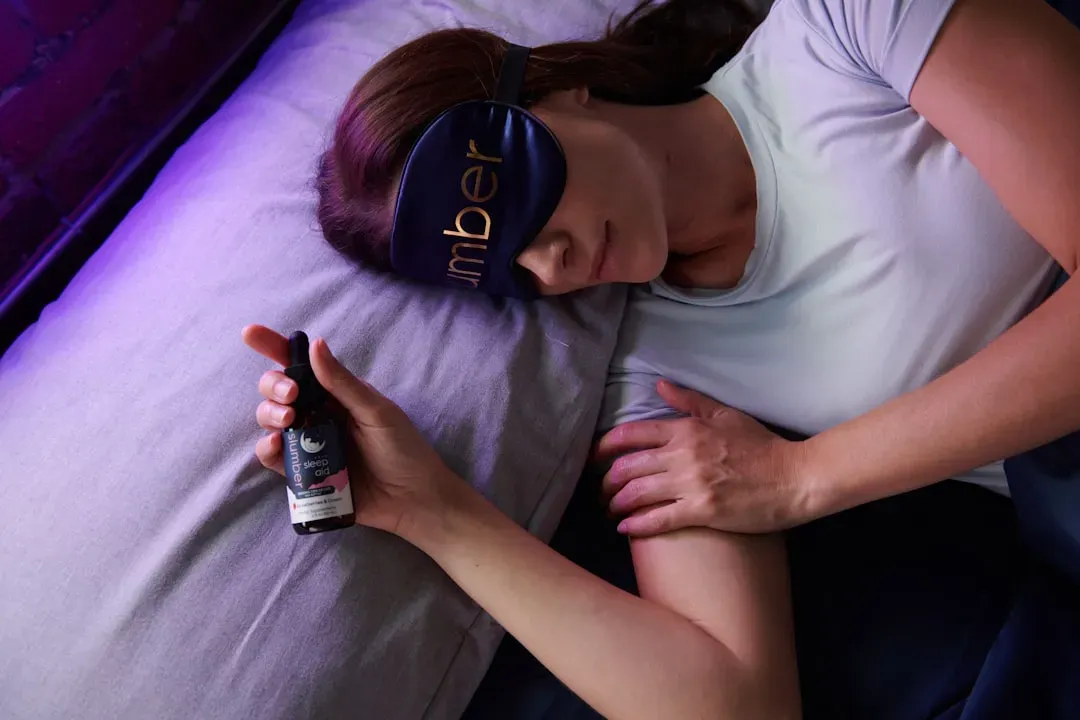
"Bed rotting," defined as staying in bed for extended periods of time, is popular among Gen Z, with almost one-third of people in that age group claiming to have tried it, compared to only 5% of U.S. adults 65 and over. The divide in how generations relate to rest, productivity, and downtime is real and measurable.
Generation Z leads the way in prioritizing better sleep habits, with 41% resolving to go to bed earlier and 39% aiming to wake up earlier, higher than any other age group. There's some tension in that. Gen Z craves better sleep but also leads the charge in late-night scrolling. Lifestyle factors such as physical activity, caffeine consumption, and electronic device use play a crucial role in shaping sleep health.
7. How They Approach Work and Career

7. How They Approach Work and Career (Image Credits: Pexels)
Baby Boomers and Gen X often value stability and face-to-face interactions, while Millennials and Gen Z prioritize flexibility, work-life balance, and digital communication. This plays out in real and often uncomfortable ways when multiple generations share an office, or a Zoom call.
EY's 2024 Work Reimagined report stated that 38% of Gen Z plan to quit if they don't feel fulfilled. Boomers, shaped by decades of steady employment norms, often find that figure startling. A striking 92% of recent Gen Z graduates wish to be able to discuss mental wellness at work, according to Monster's State of the Graduate Report. That expectation barely existed as a concept in the Boomer workplace.
8. Their Relationship With Health and Wellness Products

8. Their Relationship With Health and Wellness Products (Image Credits: Unsplash)
Millennials are more likely to use meditation or mindfulness apps, while Gen X and Baby Boomers are more likely to prioritize traditional health-supporting tools, with dietary supplement use notably higher among Gen X at 42% and Baby Boomers at 49%. The tools differ even when the goal is the same.
Gen Z and Millennials are more likely than other generations to use tools that reflect digital engagement, creative expression, and emotional support, with Gen Z standing out for higher usage of books or podcasts at 42% and skincare or beauty products at 41%. Wellness for younger generations is as much about identity and self-expression as it is about physical health.
9. How They Discover New Products

9. How They Discover New Products (Image Credits: Pexels)
While Gen X shares some similarities with Gen Z and Millennials in terms of frequently shopping on social media, Boomers are discovering products in their own way, through cable TV ads, with over half of Boomers having discovered new products through television advertisements in the past three months. That's a channel younger generations rarely even notice anymore.
TikTok has the biggest impact on Gen Z's beauty purchase decisions, with 36% relying on the platform, making them more than three times as likely as Millennials to turn to TikTok for beauty buys. The influencer-to-cart pipeline is a Gen Z invention, and it moves at a speed that traditional advertising simply can't match.
10. How They Use AI in Daily Life

10. How They Use AI in Daily Life (Image Credits: Unsplash)
Half of Zoomers and Millennials surveyed use or experiment with generative AI, compared with 38% of Gen Xers and 22% of Baby Boomers, and of those Gen Z and Millennial users who use AI for projects, 42% said they do so every day. It's already a habitual tool, not a novelty.
Gen Z is already using AI in their everyday lives, not just playing around with it but actually getting things done, with over a third having used ChatGPT in the last month. Boomers, by contrast, are far more likely to approach AI with skepticism or simply without awareness of its daily use cases. The generational gap in AI adoption may turn out to be one of the most consequential of all.
11. How They Communicate With Friends and Family

11. How They Communicate With Friends and Family (Image Credits: Pexels)
Between 2020 and 2024, the number of Gen Z TikTokers using the app to message friends and family jumped by 82%, and Instagram saw a similar shift with a 28% rise in users logging in for messaging. Texting isn't dead for Gen Z. It just migrated to platforms their parents don't use.
Around 69% of Baby Boomers prefer brands to contact them via email. That preference for email carries over into personal life too. Boomers are generally more comfortable with considered, longer-form written communication, while Millennials split between texts, voice notes, and DMs, and Gen Z reaches for whatever platform their social circle happens to be on that week.
12. Their Approach to Food and Diet

12. Their Approach to Food and Diet (Image Credits: Pexels)
In the US, the number of Gen Zers who say they're meat-eaters with no plans to switch their diet has jumped 18% since 2020, and protein is now the top thing they look for in their food, overtaking qualities like "natural" and "organic" that were previously front of mind. The stereotype of Gen Z as the plant-based generation is becoming increasingly outdated.
While you might assume younger generations are more eco-conscious than the ones before them, data shows that every generation from Gen Z to Boomers is equally likely to say helping the environment is important, but their actions tell a different story, with Gen Z being less likely to recycle than their elders. Millennials tend to be the most vocal about sustainable eating, with Millennials more likely to support brands that align with their values, such as sustainability and social responsibility. Each generation thinks it has the healthiest food habits. The reality is more complicated than any of them care to admit.
The habits that separate these generations didn't appear out of nowhere. They grew from the technologies available, the economies inherited, and the cultural moments each group came of age inside. What's useful isn't framing one generation as right and another as wrong, but recognizing that these patterns are real, measurable, and often more nuanced than the headlines suggest. The gaps are closing in some places and widening in others, and that tension is likely to define daily life for years to come.