
There's a particular kind of grocery shopper who still clips coupons out of habit, checks unit prices before checking a phone, and treats a well-organized pantry like a small personal victory. Gen X, the generation sandwiched between Boomers and Millennials, came of age during economic ups and downs that left a lasting mark on how they shop for food. Decades later, many of those habits haven't just survived, they've become second nature.
What's interesting is how many of these routines look almost old-fashioned next to today's app-driven, subscription-based grocery culture, yet they keep proving their worth. Here's a look at twelve habits this generation still relies on, and why they've stood the test of time.
1. Making a List and Actually Sticking to It

1. Making a List and Actually Sticking to It (Image Credits: Pexels)
Long before grocery apps promised to organize a shopping trip, Gen X was already writing lists on notepads stuck to the fridge. This habit isn’t about nostalgia so much as discipline. A written list forces a shopper to think through meals in advance, which naturally curbs impulse buys.
Research on consumer behavior has consistently shown that shoppers without a list spend more than those who plan ahead, often picking up items they don’t need. For Gen X, the list isn’t a suggestion, it’s closer to a contract with their own budget. Skipping it feels like walking into a store unarmed.
2. Comparing Unit Prices Instead of Sticker Prices

2. Comparing Unit Prices Instead of Sticker Prices (Image Credits: Pexels)
Ask a Gen Xer why they’re standing in the cereal aisle doing quiet math, and the answer is usually unit pricing. This generation grew up before smartphones could scan a barcode and spit out a price comparison, so they learned to do it themselves, dividing price by weight or count on the spot.
That habit hasn’t faded even though price-comparison apps now exist. Many still trust their own quick calculation over an app, partly because it’s faster and partly because it’s simply how they’ve always shopped. It’s a small skill, but one that consistently saves money on staples like snacks, cereal, and paper goods.
3. Buying Store Brands Without Hesitation

3. Buying Store Brands Without Hesitation (By Kurt Kaiser, <a href="https://commons.wikimedia.org/w/index.php?curid=87817367" target="_blank" rel="noopener">CC0</a>)
Store brands used to carry a stigma, often seen as a lesser alternative to name brands. Gen X was among the first generations to shake that idea off, largely because they came of age during periods of inflation and recession that made stretching a dollar a necessity rather than a preference.
Today, private label products account for a substantial share of grocery sales nationwide, and Gen X shoppers are frequently cited as some of the most loyal private label buyers. They’ve learned through years of trial and error which store brands match name brands in quality, and they don’t feel the need to apologize for choosing the cheaper can of beans.
4. Clipping and Stacking Coupons

4. Clipping and Stacking Coupons (Image Credits: Pexels)
Coupon clipping might seem like a relic from another era, but plenty of Gen Xers still cut them out of Sunday inserts or print them from retailer websites. What sets this generation apart is their willingness to combine, or “stack,” store coupons with manufacturer coupons and loyalty discounts to maximize savings.
This habit isn’t just about a few cents off a jar of sauce. Done consistently, coupon stacking can meaningfully lower a monthly grocery bill, especially on household staples that go on sale in predictable cycles. Gen X tends to track those cycles better than most, buying in bulk when prices dip rather than paying full price out of convenience.
5. Shopping the Perimeter of the Store First

5. Shopping the Perimeter of the Store First (Image Credits: Pixabay)
Walk into almost any grocery store with a Gen Xer, and there’s a good chance they’ll head straight for the outer edges before touching the center aisles. This isn’t a random habit. Produce, dairy, meat, and bakery sections typically line the perimeter, while processed and packaged goods dominate the middle.
Nutrition experts have long recommended this approach as a simple way to prioritize whole foods over ultra-processed ones. Gen X picked up on this logic early, often without needing a dietitian to explain it, and it’s remained a consistent part of how they structure a shopping trip decades later.
6. Meal Planning Around What's on Sale
6. Meal Planning Around What's on Sale (Image Credits: Unsplash)
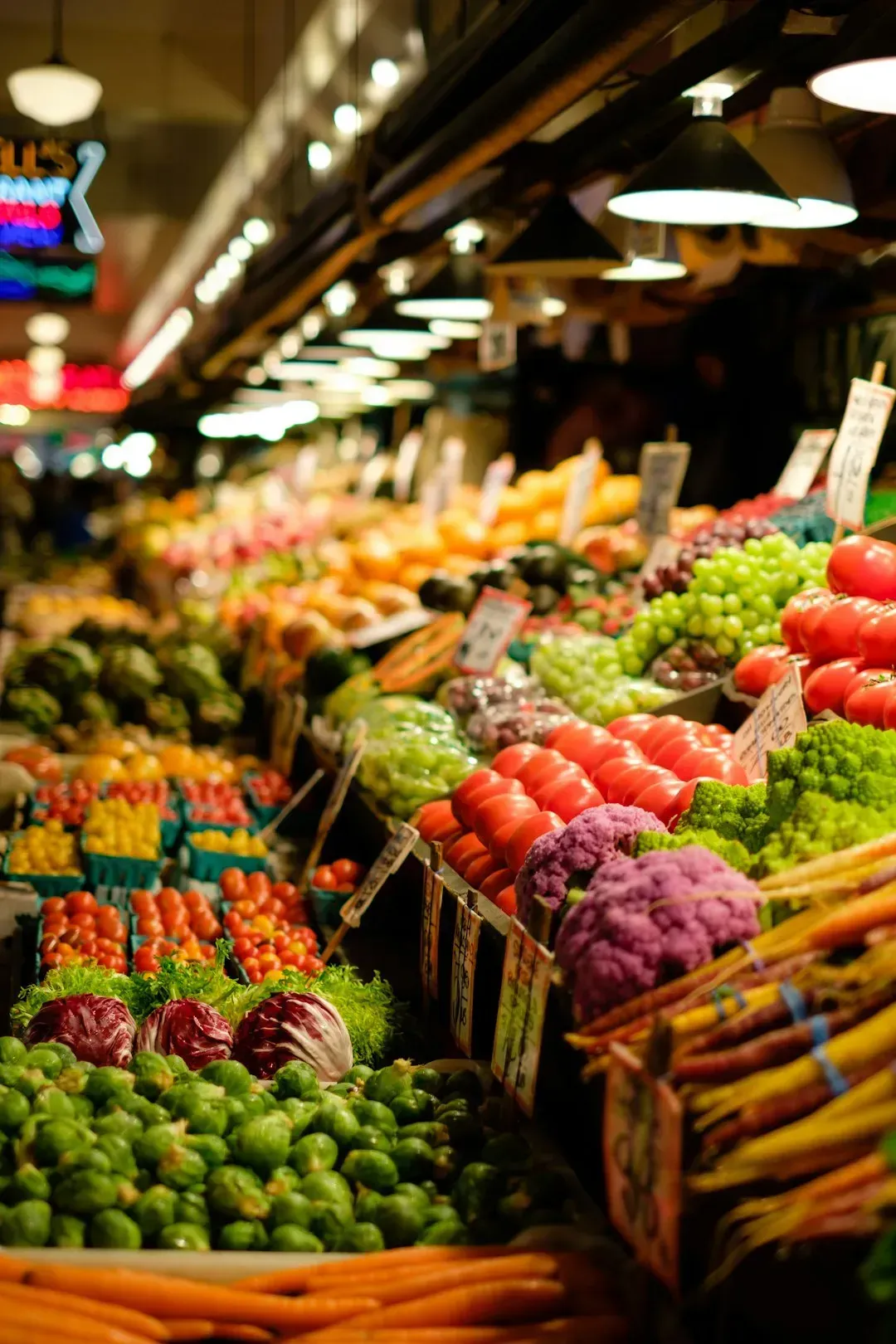
Rather than deciding on a menu and then shopping for it, many Gen Xers flip the process. They check the weekly sales flyer first and build meals around whatever meat, produce, or pantry staple happens to be discounted that week.
This habit reflects a practical mindset shaped by years of watching grocery prices fluctuate. It also means less food waste, since meals are planned around fresh, discounted ingredients rather than items sitting in the pantry too long. It’s a small shift in thinking, but one that consistently keeps grocery bills lower without sacrificing variety.
7. Buying in Bulk for Non-Perishables

7. Buying in Bulk for Non-Perishables (Image Credits: Unsplash)
Warehouse clubs like Costco and Sam’s Club have a loyal following among Gen X shoppers, and it’s not hard to see why. Buying paper towels, canned goods, and cleaning supplies in bulk almost always brings the per-unit cost down, and these items don’t spoil while sitting in a garage or pantry.
This habit ties back to a broader Gen X instinct toward preparedness, a mindset shaped in part by economic uncertainty during their formative years. Rather than restocking constantly, they’d rather make fewer trips and keep a buffer of essentials on hand, something that proved especially useful during supply chain disruptions in recent years.
8. Reading Ingredient Labels Closely

8. Reading Ingredient Labels Closely (Image Credits: Pexels)
Long before “clean eating” became a marketing buzzword, Gen X was already flipping food packages over to read the ingredient list. This habit often started as a way to avoid unnecessary additives or track sodium and sugar content, particularly as this generation moved into their forties and fifties and became more health conscious.
It’s a habit that has only grown stronger with age. Many Gen Xers now cross-reference ingredient lists against personal health concerns, from cholesterol to blood sugar, and they tend to trust their own label-reading over flashy front-of-package claims like “natural” or “healthy,” which aren’t always regulated as strictly as shoppers assume.
9. Sticking With One or Two Trusted Grocery Stores
9. Sticking With One or Two Trusted Grocery Stores (Image Credits: Unsplash)
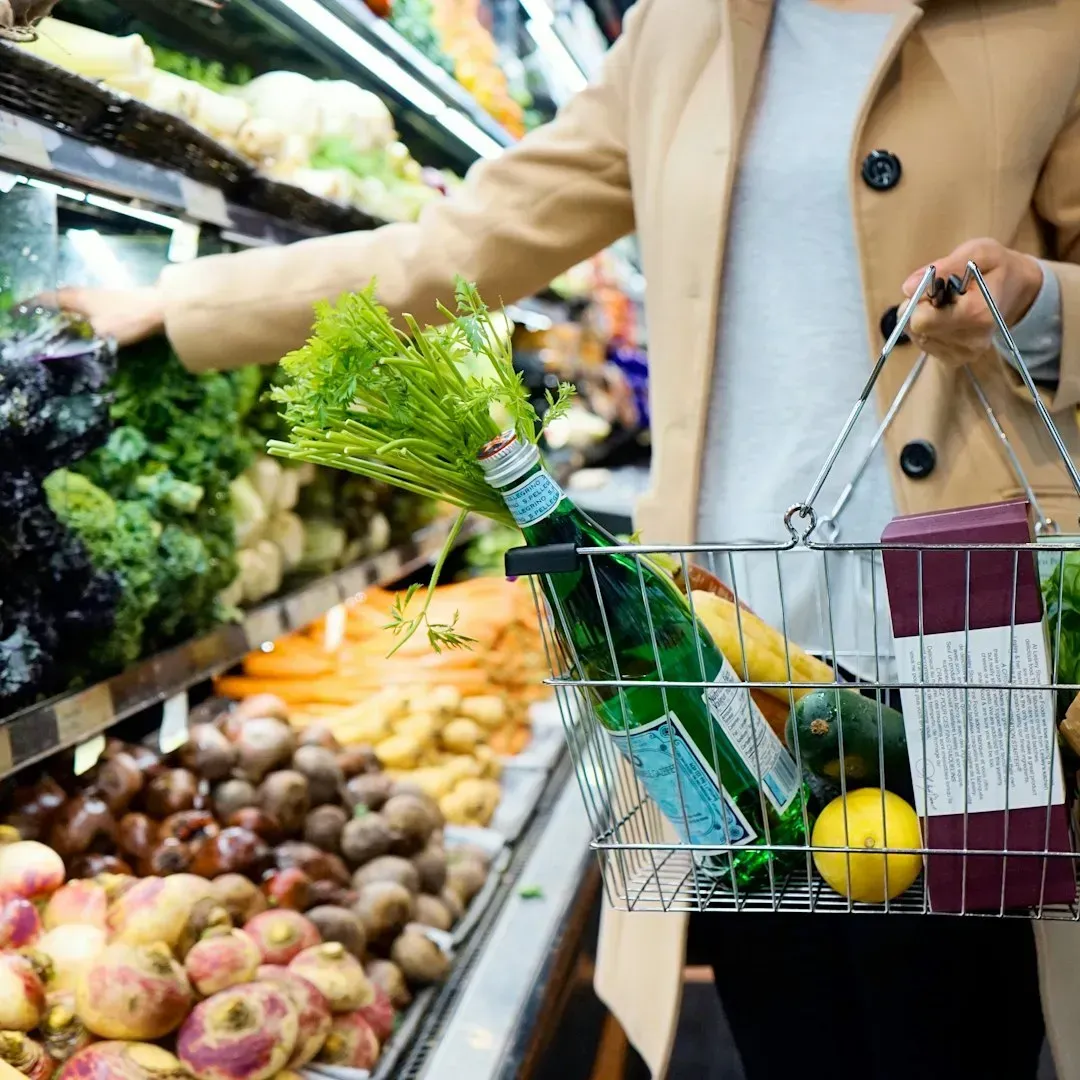
Unlike younger shoppers who might bounce between five different grocery delivery apps in a single week, Gen X tends to stay loyal to one or two physical stores. Familiarity plays a role here. Knowing exactly where the peanut butter or the good bakery bread is located saves time and mental energy.
Loyalty programs have reinforced this habit even further. Many grocery chains now offer personalized discounts and points systems that reward repeat shoppers, and Gen X, already inclined toward store loyalty, has been quick to take advantage of these programs rather than chase the lowest price across multiple retailers.
10. Cooking From Scratch Instead of Relying on Convenience Foods

10. Cooking From Scratch Instead of Relying on Convenience Foods (Image Credits: Unsplash)
While convenience foods and meal kits have exploded in popularity, a good portion of Gen X still prefers making meals from basic ingredients. This isn’t necessarily about rejecting modern conveniences outright, it’s more that many in this generation learned to cook from parents or grandparents who didn’t have easy access to pre-made meals.
Cooking from scratch also tends to be cheaper per serving than pre-packaged alternatives, something Gen X shoppers are quick to point out. A homemade soup or casserole stretches further and costs less than the frozen or takeout equivalent, and that math still matters to a generation that came up watching their parents stretch grocery budgets carefully.
11. Keeping a Stocked Pantry as a Buffer

11. Keeping a Stocked Pantry as a Buffer (Image Credits: Pexels)
There’s a noticeable difference between having a few backup cans in the cupboard and maintaining what amounts to a small personal stockpile, and Gen X often leans toward the latter. This habit isn’t about hoarding so much as building a buffer against price spikes, shortages, or simply a busy week where cooking from scratch isn’t realistic.
This tendency became especially visible during recent years of supply chain disruptions and inflation spikes, when having a stocked pantry meant fewer emergency store runs at inflated prices. Canned vegetables, rice, pasta, and shelf-stable proteins are common staples in these pantries, chosen specifically because they last a long time without spoiling.
12. Avoiding Grocery Delivery in Favor of In-Person Shopping

12. Avoiding Grocery Delivery in Favor of In-Person Shopping (Image Credits: Pexels)
Grocery delivery and curbside pickup have grown rapidly since the early 2020s, yet a noticeable portion of Gen X still prefers walking the aisles themselves. Part of this comes down to trust. Choosing their own produce, checking expiration dates personally, and avoiding substitution surprises matter more to this generation than the convenience of having groceries dropped at the door.
There’s also a practical financial layer to this preference. Delivery services often come with service fees, delivery charges, and tipping expectations that add up over time, costs that a generation focused on stretching every dollar would rather avoid. For many Gen Xers, an in-person trip remains the more reliable, and often cheaper, way to shop.
These habits didn’t come from trend cycles or social media challenges. They were shaped by decades of economic swings, from the recessions of the early 1980s and early 1990s to the financial crisis of 2008, each leaving its own mark on how this generation approaches a grocery cart. What’s remarkable is how well these habits have aged, proving that careful planning and a bit of skepticism toward convenience can still outperform flashier, app-driven shopping trends.