
Every generation inherits something from the one that came before it. Some of it is wisdom. Some of it, honestly, is just unexamined baggage. Millennials, shaped by the Great Recession, skyrocketing tuition, social media’s earliest years, and a hustle-or-perish economy, developed habits that were often survival responses to genuinely difficult circumstances.
The trouble is that survival habits have a way of calcifying into norms. As Gen Z steps further into adulthood, some of those norms are already showing up in their own patterns. A closer look at twelve of them reveals just how much is worth questioning before it gets passed on as conventional wisdom.
1. Treating Hustle Culture as a Badge of Honor

1. Treating Hustle Culture as a Badge of Honor (Image Credits: Pixabay)
Hustle culture is the mentality that working intensively, with few breaks or moments to disconnect, is the best way to reach professional goals. It involves working hours far beyond the standard forty per week and routinely intrudes on personal life. Millennials didn’t invent this idea, but they inherited it at precisely the moment Silicon Valley made it feel aspirational.
Overworking leaves little time for recovery and self-care, which in turn can lead to mental exhaustion, burnout, and increased risk of physical illness. A large workload, long hours, and poor work-life balance are key contributors to burnout, which ironically undermines both the amount and quality of work being produced. By 2030, Gen Z will account for roughly a third of the workforce, and this new wave of workers is replacing hustle culture with work-life balance, mental health, and flexibility. That’s a promising shift worth protecting.
2. Normalizing Paycheck-to-Paycheck Living

2. Normalizing Paycheck-to-Paycheck Living (Image Credits: Unsplash)
Three in ten millennials say they do not feel financially secure, and roughly six in ten live paycheck to paycheck. For many millennials, this became so common it started to feel inevitable rather than alarming. The danger is in the normalization itself, where a precarious financial state stops feeling like a problem to solve.
Building an emergency fund remains difficult for Gen Z, with over half lacking enough emergency savings to cover three months of expenses. Millennials struggle with building emergency savings too. The pattern is repeating. Without a conscious effort to break the cycle, living on the edge financially can feel like just the way things are, rather than a structural problem worth tackling.
3. Taking On Crushing Student Loan Debt Without Questioning It

3. Taking On Crushing Student Loan Debt Without Questioning It (Image Credits: Unsplash)
The traditional university path is no longer viewed as the only golden ticket to a successful career. Outrageous tuition costs and the terrifying reality of student loans have forced a major rethink of higher education. Millennials largely walked into that system without that rethinking, and the results were severe. Elder millennials and Gen X together hold the highest outstanding student loan debt at over $634 billion, and millennials have the highest number of student loan borrowers compared to any other generation.
Research shows that roughly three quarters of millennials report that student loan debt has affected their decision to buy a house, and nearly half say it caused them to delay starting a family. Those struggling to pay off debts are twice as likely to suffer from depression and anxiety. Trade schools, certificate programs, and direct entry into the workforce are becoming popular alternatives, and people are recognizing that a fancy degree does not automatically guarantee a high-paying job anymore. Gen Z should take that lesson seriously before signing anything.
4. Overspending on Experiences for Social Media Validation

4. Overspending on Experiences for Social Media Validation (Image Credits: Unsplash)
According to a recent survey by Experian, almost sixty percent of millennials would choose to spend money on an experience or event rather than buying something desirable. In itself, that’s not a bad thing. The problem arrives when those experiences are financed by debt or chosen primarily for how they look online rather than how they feel in real life.
Social media platforms and peer relationships drive millennials to preserve specific levels of living standards, and people who engage in regular restaurant visits combined with travel and luxury shopping habits frequently surpass their budget allocation. Gen Z has grown up watching this dynamic in real time. The habit of spending to perform a lifestyle is worth examining honestly before it takes root.
5. Relying on Social Media as a Primary Financial Education Source
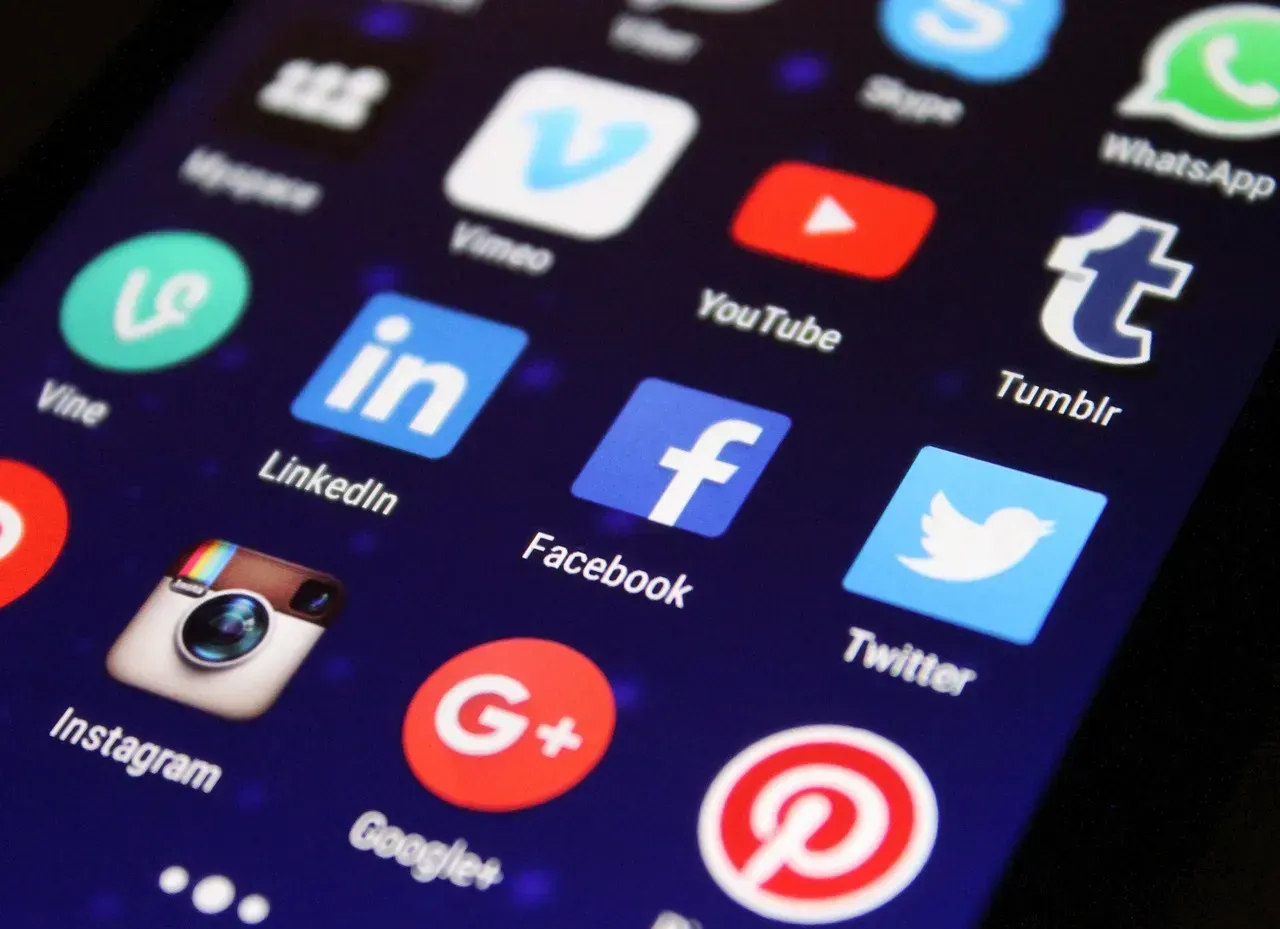
5. Relying on Social Media as a Primary Financial Education Source (Image Credits: Pixabay)
Micro-investing platforms and social media have played a significant role in driving financial engagement, but sometimes at the expense of sound financial advice. A 2024 Fidelity report found that nearly a third of Gen Z investors turn to platforms like TikTok and YouTube as primary sources of financial education. This pattern actually started with millennials, who were among the first to treat influencers as financial advisors.
While millennials tend to prioritize long-term, diversified strategies, Gen Z favors accessibility and experimentation. Both approaches have merit, but investor education remains critical, particularly for Gen Z. Getting financial information from short-form video content can be engaging, but it rarely captures the complexity of real financial decisions. Building a habit of consulting verified, qualified sources matters more than most people realize until it’s too late.
6. Accumulating Subscription Creep Without Tracking It

6. Accumulating Subscription Creep Without Tracking It (Image Credits: Unsplash)
Digitization creates new financial expenses, and subscription plans result in additional monthly costs. Multiple streaming subscriptions, gym memberships, and mobile applications appear affordable in isolation, but they accumulate into significant amounts monthly. This was a millennial-era phenomenon, born in the age of Netflix and Spotify, and it has only grown more elaborate since.
The habit of layering on small recurring charges, each one individually justifiable, quietly erodes financial breathing room over time. Gen Z is entering a world where subscription models cover everything from software to razors to car seat heating, making mindful auditing of those expenses a genuinely necessary skill rather than an optional one.
7. Avoiding Phone Calls in Professional Contexts

7. Avoiding Phone Calls in Professional Contexts (Image Credits: Unsplash)
Many young adults like to reach out to brands and colleagues via the internet, and like millennials, they avoid phone calls in favor of social media chats or email. In casual settings, that preference is understandable. In professional ones, it can quietly limit opportunities. Certain conversations, negotiations, and relationship-building moments genuinely benefit from real-time verbal communication.
The discomfort with phone calls, which millennials largely normalized among younger generations, has a real cost in contexts where decisiveness and directness matter. A Harvard Business Review report found that nearly half of professionals appreciate longer-form updates for clarity and record-keeping. Choosing the right communication channel for the right situation is a skill, not a preference, and avoiding one entire category makes that harder.
8. Measuring Career Success Primarily Through Title and Promotion

8. Measuring Career Success Primarily Through Title and Promotion (Image Credits: Unsplash)
Millennials value stability and growth. Having entered the workforce during the Great Recession, many focus on job security, structured career paths, and clear progression. A LinkedIn 2024 survey reported that roughly six in ten millennials consider promotion opportunities a top factor in job satisfaction. That makes sense as a response to economic precarity, but it also locks success into a fairly narrow definition.
The ladder metaphor for careers is increasingly outdated in a labor market that rewards adaptability and diverse skill sets. Gen Z is rejecting hustle culture due to rising mental health awareness, economic instability, and a belief that work shouldn’t come at the cost of well-being. They’ve seen that overworking doesn’t guarantee success or security and prefer flexible, purpose-driven work. Carrying the old title-obsessed framework forward would undercut that healthier outlook.
9. Linking Self-Worth to Productivity

9. Linking Self-Worth to Productivity (Image Credits: Pexels)
Hustle culture tends to be particularly prevalent in younger individuals who are earlier in their career journey. These individuals are often more motivated by external factors, where social media influence, money, and status are seen as metrics of success. For many millennials, productivity became a kind of moral currency. The person who worked most was also the person who mattered most.
According to the concept of the hedonic treadmill, we quickly adapt to positive changes such as a pay raise, causing happiness levels to revert to a baseline over time. Accomplishments may bring temporary joy, but that feeling often fades as we adjust to our new normal, leaving us seeking the next achievement. Positive psychology research suggests that lasting fulfillment is less about external success and more about cultivating inner peace. That’s a finding worth internalizing early rather than discovering after a decade of burnout.
10. Oversharing Personal Life on Social Media
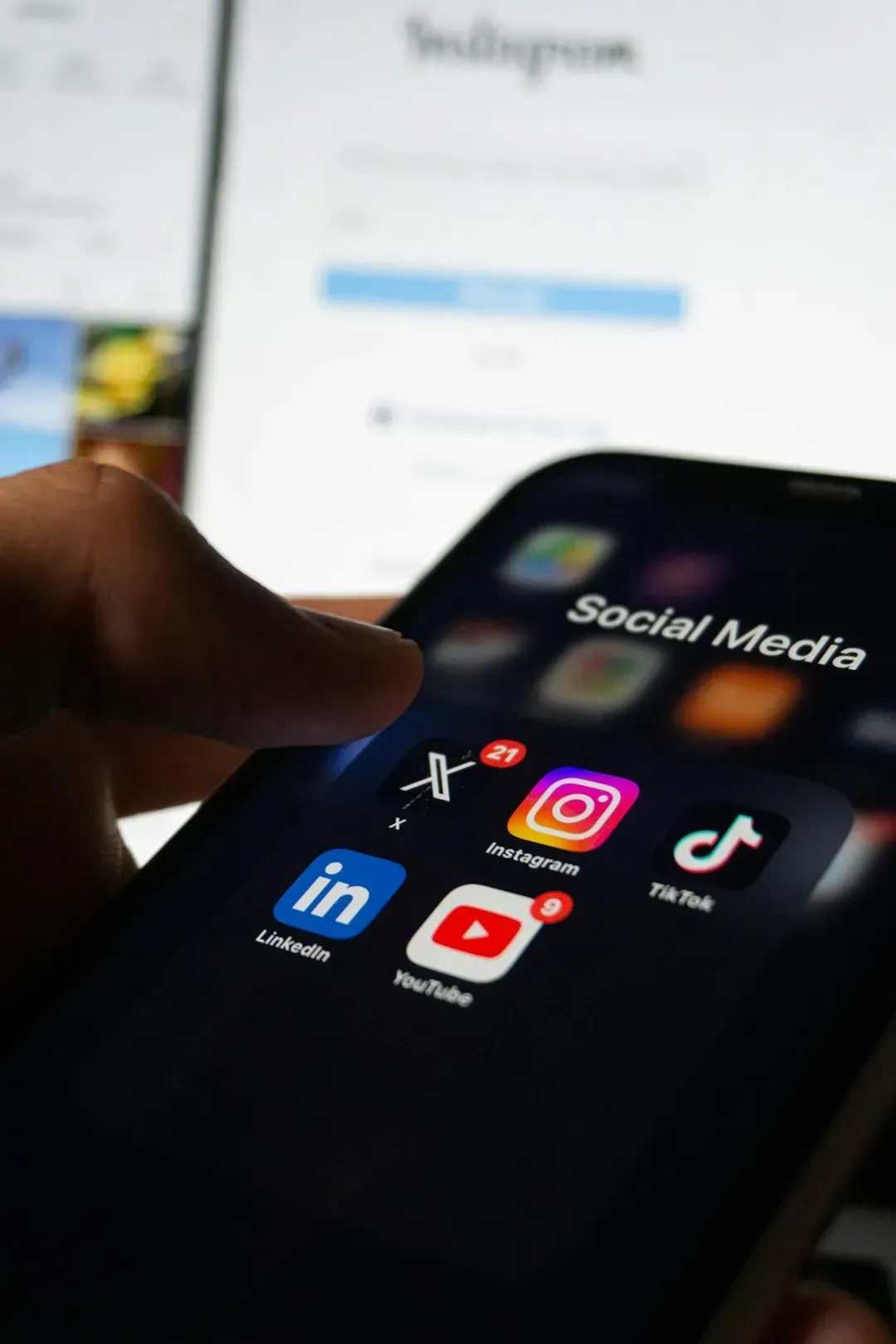
10. Oversharing Personal Life on Social Media (Image Credits: Unsplash)
Social media use can put users at risk for identity theft, privacy breaches, and exposure to harmful content. While it may seem normal to share your location or daily activities, caution about personal information is essential. Using privacy settings and avoiding oversharing are critical steps. Millennials grew up figuring out social media’s norms in real time, often without guardrails, and oversharing became a default rather than a deliberate choice.
Excessive use of social media has been linked to distractions, reduced academic focus, and poor mental health outcomes such as anxiety and depression. Beyond the mental health angle, there’s also a practical one. Digital footprints are permanent, and the boundary between personal and professional contexts online has never been blurrier. Gen Z has more context than millennials ever did. Using it to set better defaults from the start is the smarter approach.
11. Using Spending as an Emotional Coping Mechanism

11. Using Spending as an Emotional Coping Mechanism (Image Credits: Unsplash)
A 2024 Bankrate survey found that nearly half of U.S. adults say money causes them stress and negatively impacts their mental health, with roughly two thirds citing rising prices as the main culprit. Ironically, one of the most common responses to financial stress is still spending. Retail therapy became something of a millennial cultural shorthand for emotional regulation, reinforced constantly by targeted advertising and one-click purchasing.
Only about half of millennials rate their mental health as good or extremely good, and while stress levels have improved slightly, they remain high, with over a third saying they feel stressed all or most of the time. Spending to manage those feelings offers temporary relief at the cost of longer-term financial stability. Healthier coping mechanisms are available, and building those habits earlier makes a measurable difference over time.
12. Staying Loyal to Employers Who Don't Reciprocate

12. Staying Loyal to Employers Who Don't Reciprocate (Image Credits: Pexels)
Millennials have long valued stability and growth. Having entered the workforce during the Great Recession, many focused on job security, structured career paths, and clear progression. That produced a generation that often stayed in jobs longer than was financially or personally beneficial, partly out of fear and partly out of a loyalty that wasn’t always returned. About a third of respondents in Deloitte’s research say their job and work-life balance contribute significantly to their stress levels, with financial concerns and long working hours among the major stressors.
Younger workers increasingly treat jobs as stepping stones rather than permanent destinations. A 2025 global survey by Randstad found that the average job tenure for younger workers in their first five years is just over one year. There’s wisdom in that mobility, especially when employer loyalty has become increasingly one-sided in the modern economy. Staying somewhere that doesn’t invest in you isn’t stability. It’s just stagnation dressed up as caution.
None of these habits define millennials entirely, and many developed in direct response to real pressures that were genuinely unfair. That context matters. Still, habits formed under pressure don’t automatically disappear when the pressure eases, and some of them cause enough harm to be worth naming clearly before they travel unchanged into the next generation’s default settings.
Gen Z has access to more data, more perspective, and more examples of what these patterns cost than any previous generation did at the same age. The question isn’t whether the habits are understandable. It’s whether they’re still useful.