
The tuna sandwich is one of the most enduring lunch staples in the American kitchen. It’s quick, cheap, and deeply familiar. Yet food experts and registered dietitians have been growing louder about one specific ingredient that most home cooks add without a second thought: mayonnaise. Nutrition experts are now saying that this long-standing habit may be quietly undermining one of the healthiest proteins we eat. The issue, as it turns out, is not the fish at all.
Canned tuna is affordable, readily accessible, and quite nutritious – the average can of chunk light tuna packed in water contains around 20 grams of protein and 1 gram of fat or less, alongside several vitamins and minerals. That nutritional profile is genuinely impressive. The problem starts the moment you open the jar of mayo. Here is a closer look at why experts want you to rethink the classic combo, and what to reach for instead.
Why Mayo Is Working Against Your Tuna
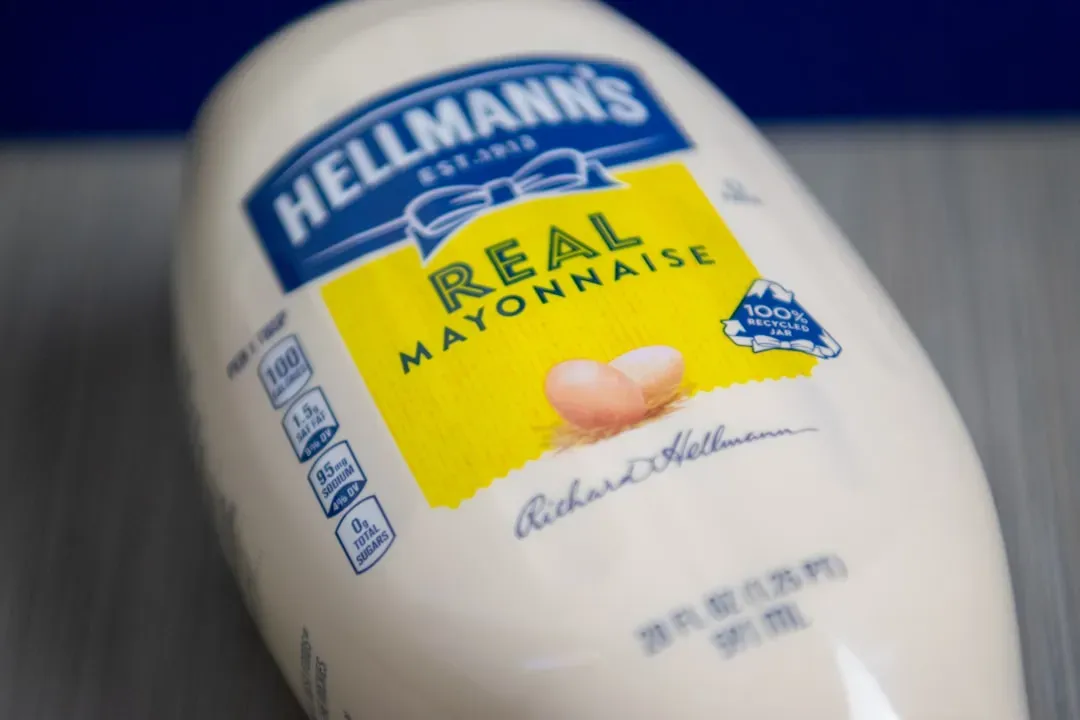
Why Mayo Is Working Against Your Tuna (Image Credits: Unsplash)
Commercial mayonnaise is made up of at least two-thirds vegetable oil by weight, most commonly soybean, sunflower, or corn oil. These oils are high in omega-6 fats, particularly linoleic acid, which research has linked to inflammation, obesity, and a higher risk of chronic disease when consumed in excess. That is a significant caveat for a condiment most people scoop generously into a bowl without measuring.
Most tuna salad recipes suggest two to four tablespoons of mayo per serving, which translates to between 180 and 360 calories of fat per serving just from the mayo alone. One cup of mayonnaise contains 1,440 calories, 160 grams of fat, and 24 grams of saturated fat. Even smaller portions add up quickly, turning one of the leanest proteins available into a meal loaded with unnecessary calories and fats – and for anyone trying to manage weight, inflammation, or heart health, mayo quietly works against those goals.
The Nutritional Case for Ditching It
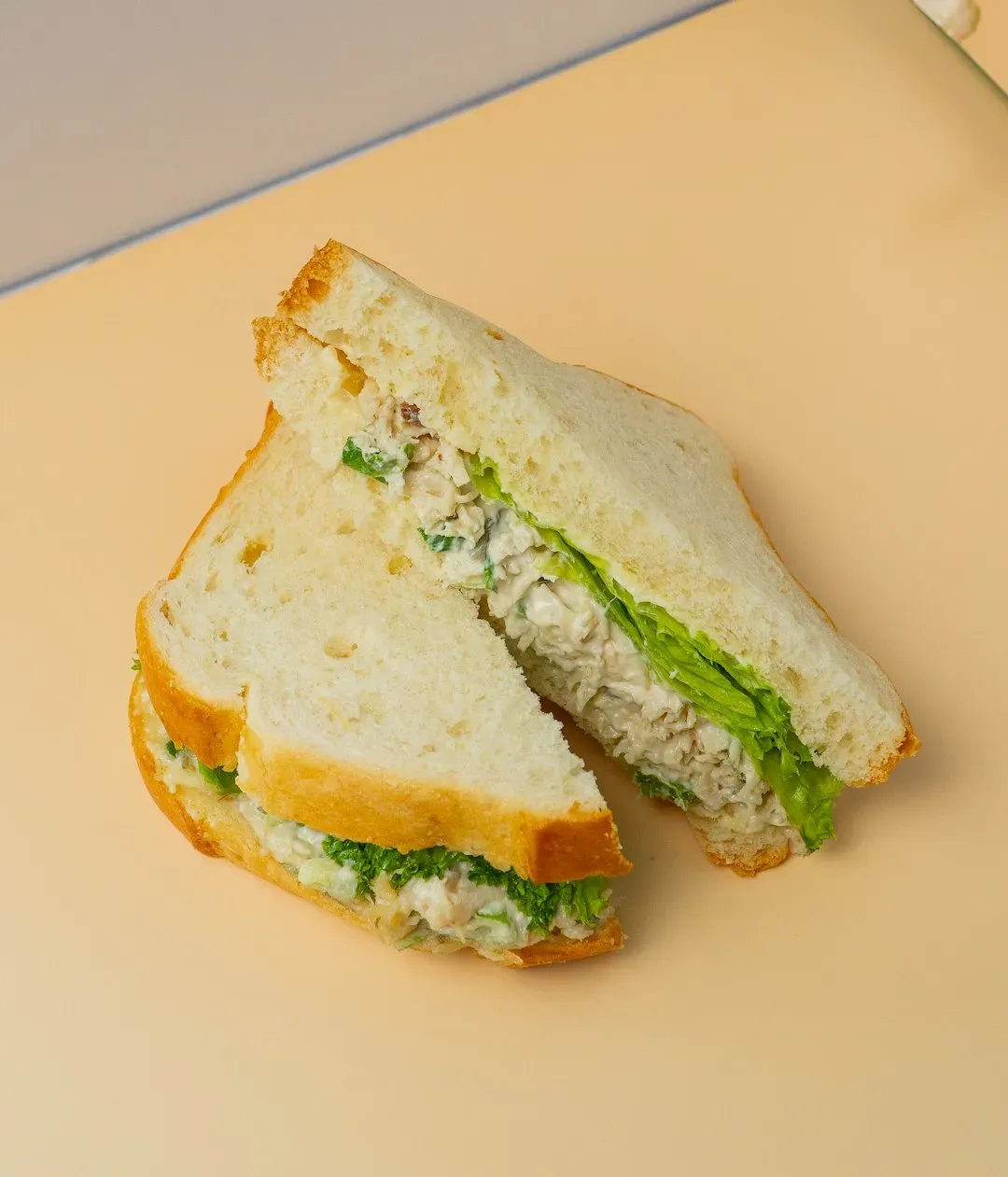
The Nutritional Case for Ditching It (Image Credits: Unsplash)
A 3-ounce portion of canned light tuna contains just 73 calories but provides almost 17 grams of dietary protein. It is also loaded with heart-healthy omega-3 fatty acids that support brain function and reduce inflammation. That is a genuinely powerful nutritional combination – but it does not stay that way once mayo enters the picture.
The health benefits can be negated if you load up with mayonnaise, because that condiment is high in saturated fat – about 1.6 grams of this unhealthy fat per tablespoon according to the USDA. That is about 12 percent of the daily recommended limit set forth by the American Heart Association in just one tablespoon. Traditional tuna salad can contain 500 calories per serving, while healthy tuna salad recipes using smarter alternatives can come in under 175 calories for 1.5 cups.
Greek Yogurt: The Most Popular Upgrade
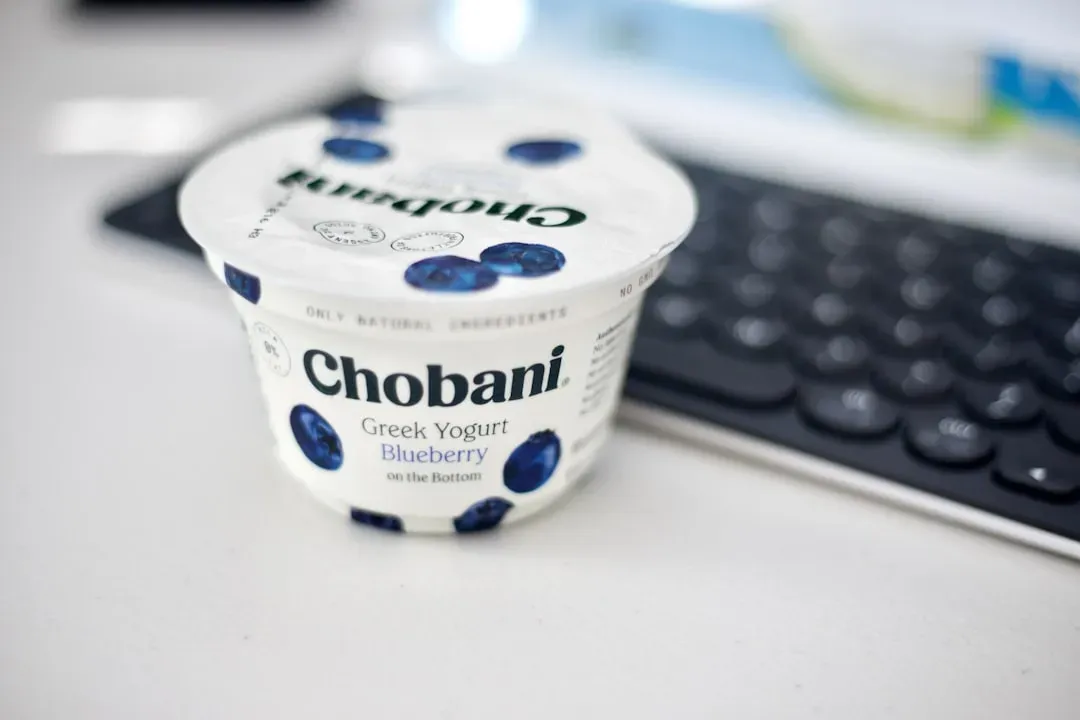
Greek Yogurt: The Most Popular Upgrade (Image Credits: Unsplash)
Greek yogurt offers a creamy, tangy, and nutritious substitute for mayonnaise in tuna salad. It has a thicker and creamier texture than regular yogurt and contains more protein. It also happens to swap in almost seamlessly. You can substitute yogurt for mayo in tuna salad with a 1:1 ratio – just make sure to use unsweetened, plain yogurt.
By using plain Greek yogurt, which packs in 16 grams of protein in a three-quarter cup serving, you are upping the protein content considerably more than if you were to use mayonnaise, which contains very little protein. The probiotics in Greek yogurt also provide additional digestive benefits that mayonnaise simply cannot offer. Add a squeeze of lemon juice and a pinch of fresh dill, and the result genuinely rivals the classic version in both taste and texture.
Avocado: The Creamy, Heart-Healthy Swap
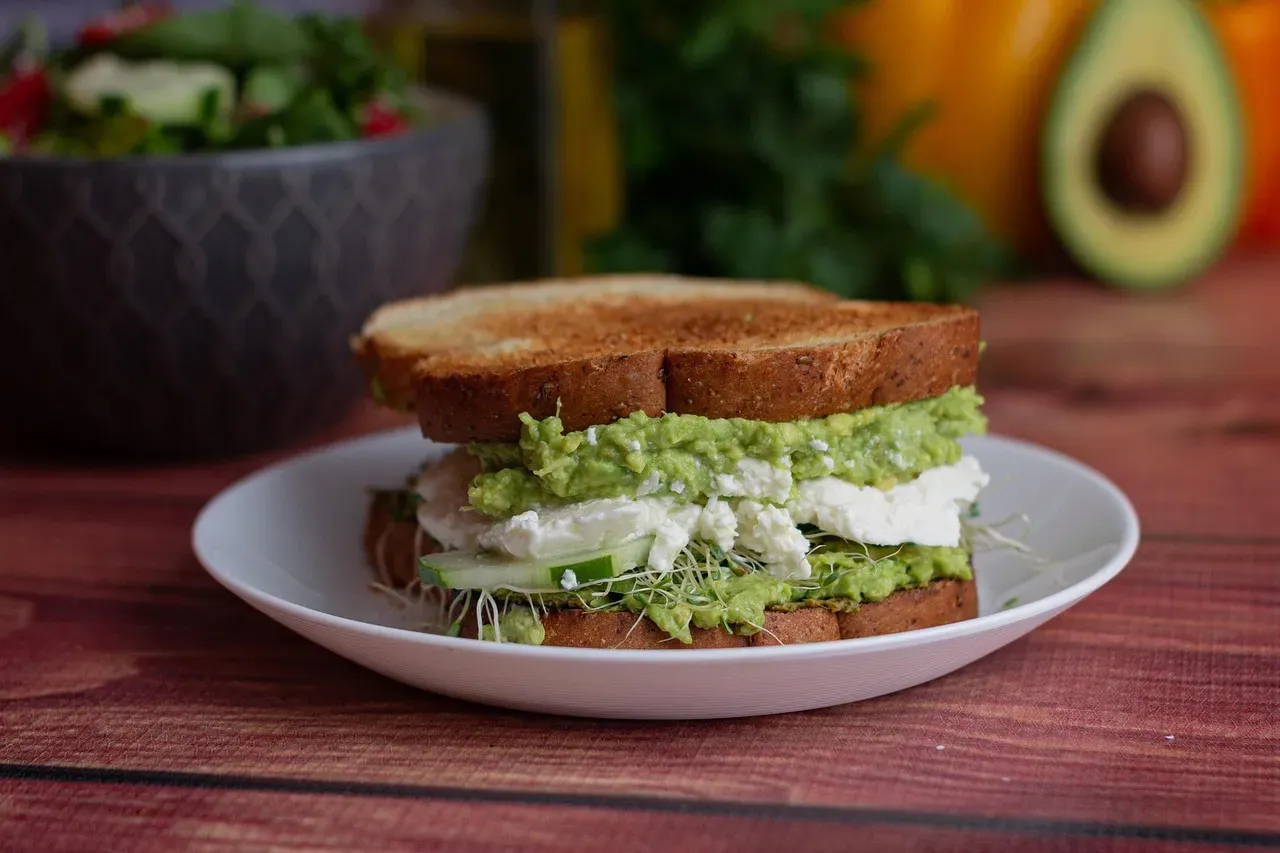
Avocado: The Creamy, Heart-Healthy Swap (Image Credits: Pixabay)
Mashed avocado is a nutritious choice that can add a rich, buttery texture and a substantial serving of healthy fats to your tuna. With 10 grams of fiber, a bump of protein, low sodium, and no cholesterol, avocados are a great choice for anyone looking to add big flavor and additional nutrients to their tuna. It is one of the most talked-about mayo swaps among health-focused food writers and dietitians alike.
Since avocados are such a substantial source of monounsaturated fats, they can help manage blood pressure and even lower cholesterol. Avocados may even help control appetite. The creamy texture of avocado mimics the richness of mayonnaise without the saturated fat. One practical tip: try to make the dressing right before you eat, and add a healthy squeeze of lemon or lime juice, since avocado turns brown when it sits around for too long, though citrus juice can help it stay green a little longer.
Hummus: The Unexpected Mediterranean Binder
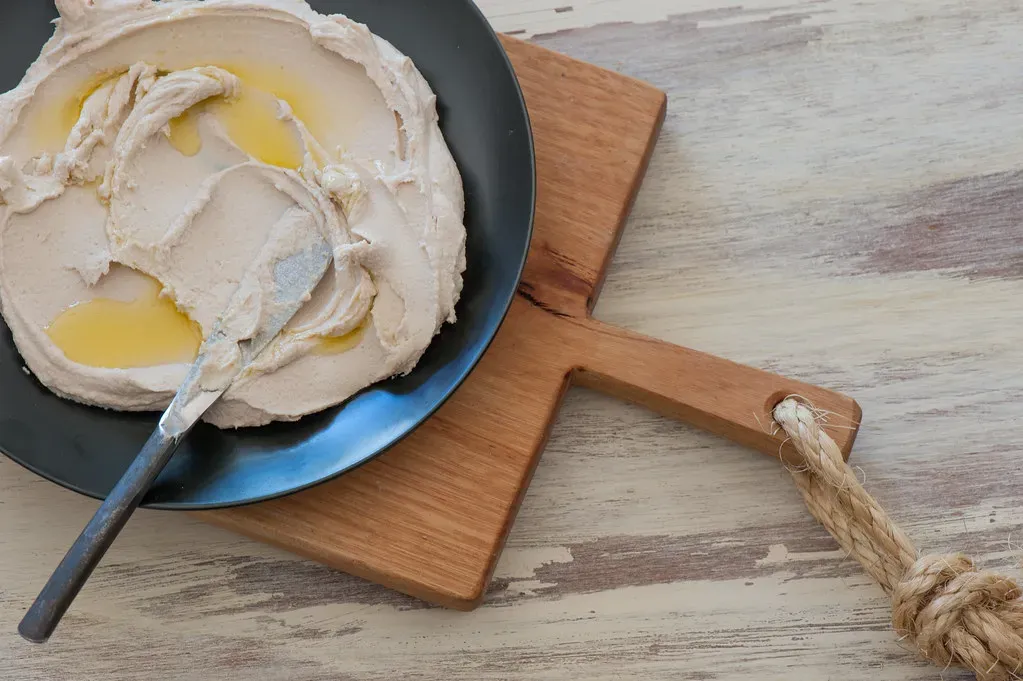
Hummus: The Unexpected Mediterranean Binder (jules:stonesoup, Flickr, <a href="https://creativecommons.org/licenses/by/2.0/" target="_blank" rel="noopener">CC BY 2.0</a>)
On its own, hummus is often a garlicky, savory spread that has tons of protein, fiber, and calcium and very little fat. When you add this chickpea-based spread to tuna instead of mayonnaise, both ingredients work well with each other to build layers of flavor. Seeing how tuna and white bean salad is a classic lunch combo, it makes perfect sense that the bean-based Mediterranean spread also pairs so well with canned tuna.
Hummus is typically made with chickpeas, garlic, and tahini, a roasted sesame seed paste that gives the spread an earthy, nutty flavor. It often contains lemon juice too – the bright, zingy citrus adds a lightness to tuna salad and delivers an extra layer of flavor while preventing it from tasting overly rich. You can experiment with different varieties of hummus, such as beetroot for earthiness, jalapeño for heat, or roasted red pepper for sweet smokiness.
Olive Oil and Lemon Juice: The Italian-French Approach
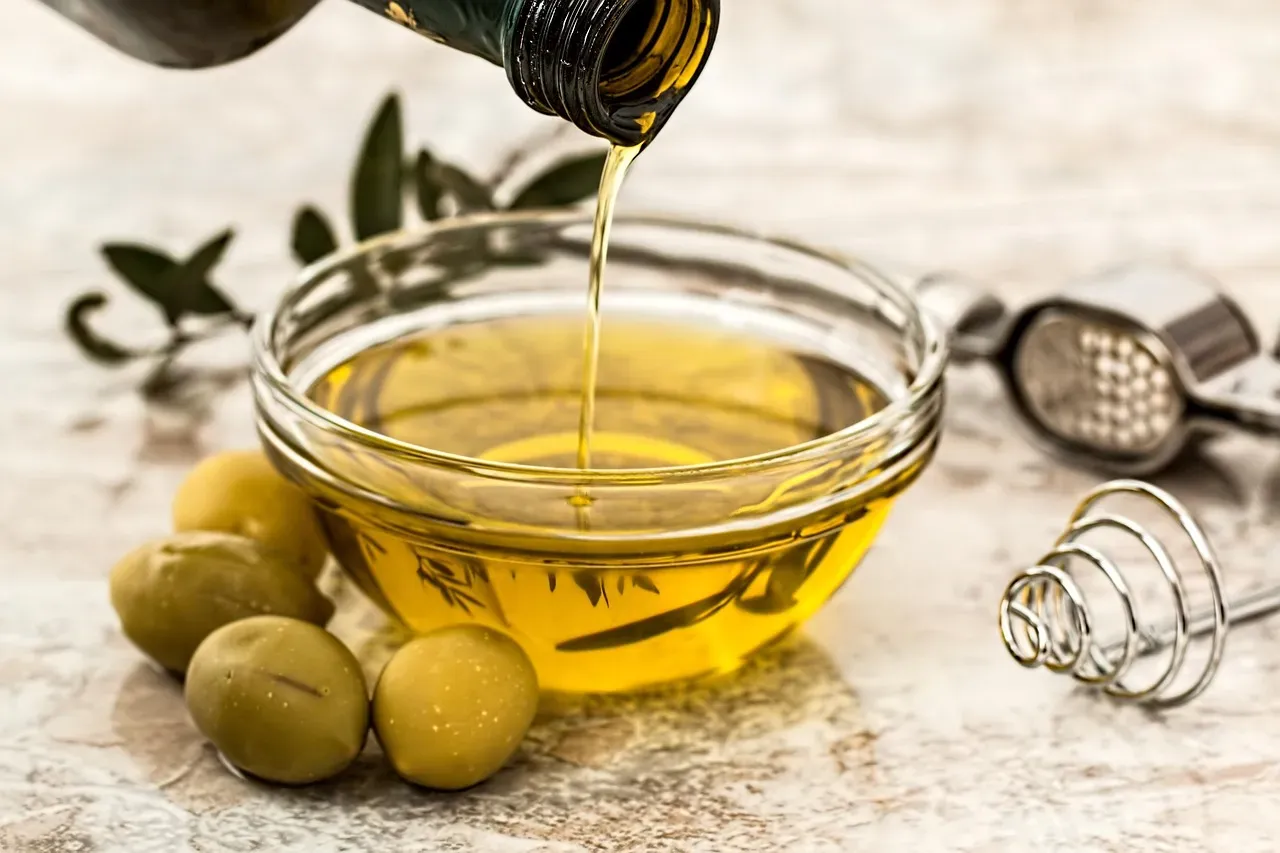
Olive Oil and Lemon Juice: The Italian-French Approach (Image Credits: Pixabay)
Olive oil may not give the same creamy decadence that mayo does, but it is still a stellar option for tuna salad when considered as a replacement. It provides its own flavor and texture, binding tuna salad in a special way that makes it feel luxuriously decadent with only a drizzle or two. This approach is particularly popular in European cooking traditions.
You can make an olive oil-based vinaigrette for tuna, chicken, pasta, or potato salads – cooks in places like Italy and France do it all the time. If you need a little extra tang, try mixing in some caper or pickle juice. Olive oil can be a great source of healthy monounsaturated fats, and those monounsaturated fats reap benefits like restoring heart health, making it a wonderful option for the health conscious.
Sour Cream: The Underrated Classic Alternative
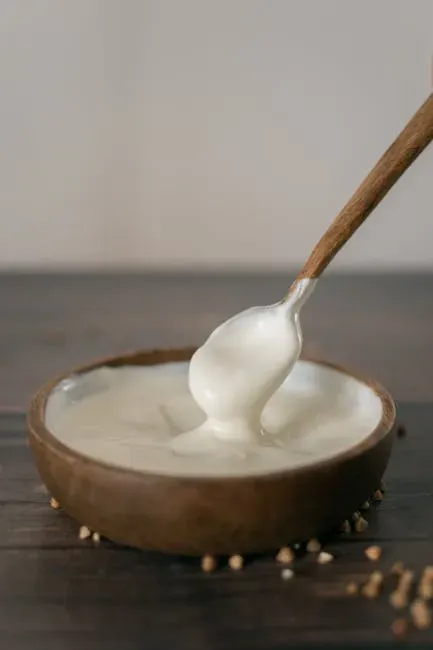
Sour Cream: The Underrated Classic Alternative (Image Credits: Pexels)
Culinary specialists suggest replacing mayonnaise with sour cream to truly enhance the taste of tuna sandwiches. This recommendation might surprise many home cooks, but food experts understand that sour cream provides a richer, more luxurious mouthfeel than traditional mayo. The tangy profile of sour cream complements the brininess of tuna in ways that neutral mayonnaise cannot match.
Sour cream and yogurt are similar in flavor and texture, but the way they get there differs. While yogurt is fermented to produce its signature tangy taste, sour cream has lactic acid added to create its thick, silky texture. Sour cream's flavor is milder than yogurt, as well, and it's typically thicker than regular yogurt, mirroring Greek yogurt in consistency. For anyone who finds Greek yogurt a touch too sharp, sour cream is a natural middle ground.
Dijon Mustard: The Flavor-First Minimalist Move
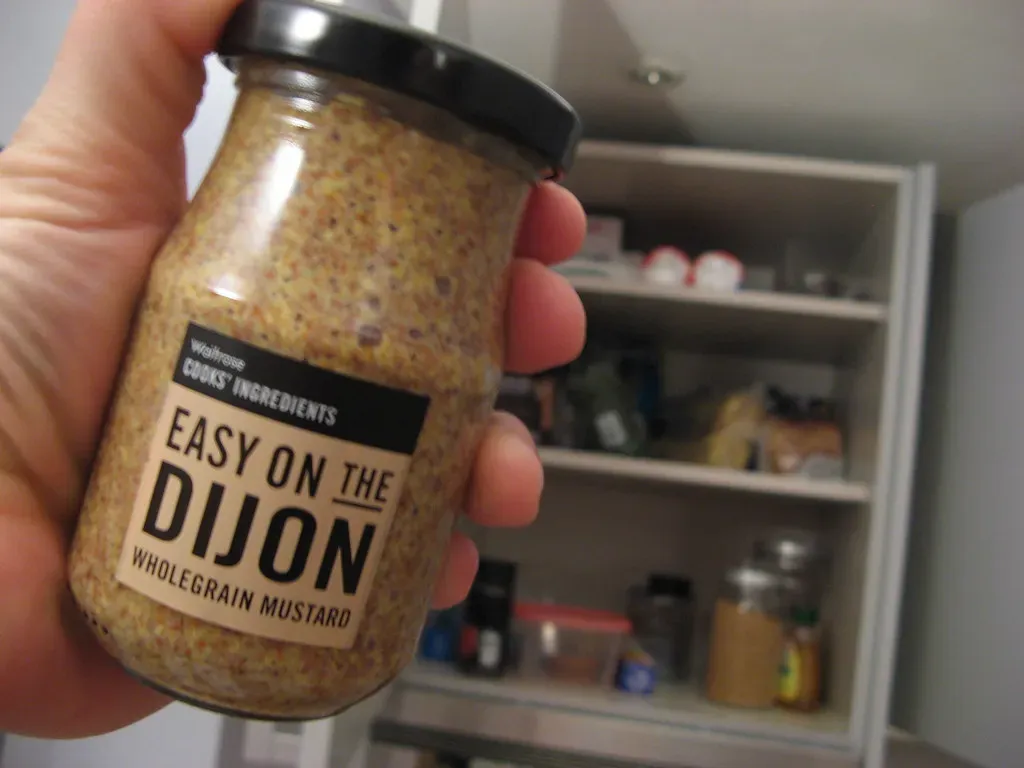
Dijon Mustard: The Flavor-First Minimalist Move (tnarik, Flickr, <a href="https://creativecommons.org/licenses/by-sa/2.0/" target="_blank" rel="noopener">CC BY-SA 2.0</a>)
Not every tuna sandwich needs a creamy binder at all. Dijon mustard is a bold, low-calorie option that food writers and chefs frequently recommend for those who want flavor without added fat. Start by mixing a splash of Dijon mustard with Greek yogurt and fresh lemon juice to create a tangy profile similar to what you are used to with mayo. Even used alone, Dijon adds sharpness and depth that mayo simply cannot replicate.
Stone ground mustard adds a rich tangy flavor and also contributes to creaminess. If you do not like mustard, you can omit it or swap it for one tablespoon of fresh lemon juice or regular Dijon mustard. Mustard also pairs naturally with capers, red onion, and fresh dill – ingredients that amplify the natural savoriness of tuna without adding hundreds of empty calories to the equation.
Cottage Cheese: The High-Protein Dark Horse
Cottage Cheese: The High-Protein Dark Horse (Image Credits: Pixabay)
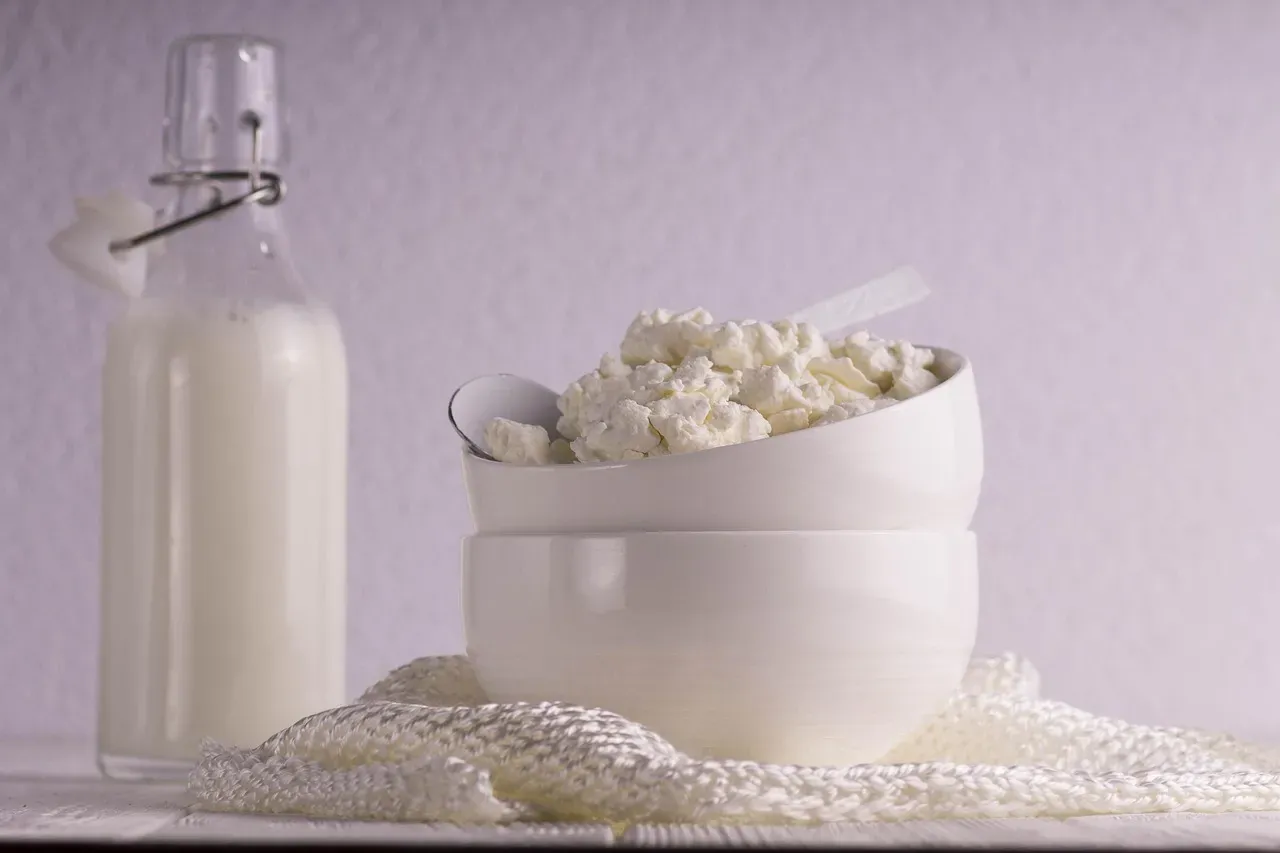
Even cottage cheese, when blended well, can create that creamy binding you are looking for in a tuna sandwich. It tends to fly under the radar compared to Greek yogurt and avocado, but blended cottage cheese produces a surprisingly smooth, mild base. It is especially worth considering for anyone who is actively focused on maximizing protein intake at lunch.
Blending cottage cheese or mixing hummus with lemon juice can improve texture considerably, turning what might otherwise feel grainy into a proper creamy binder. The flavor is neutral enough not to compete with the tuna, and you can season it freely with garlic powder, black pepper, or a little apple cider vinegar to add the tang that mayo would normally provide. It is a genuinely underused option that deserves more attention.
Making the Switch Stick
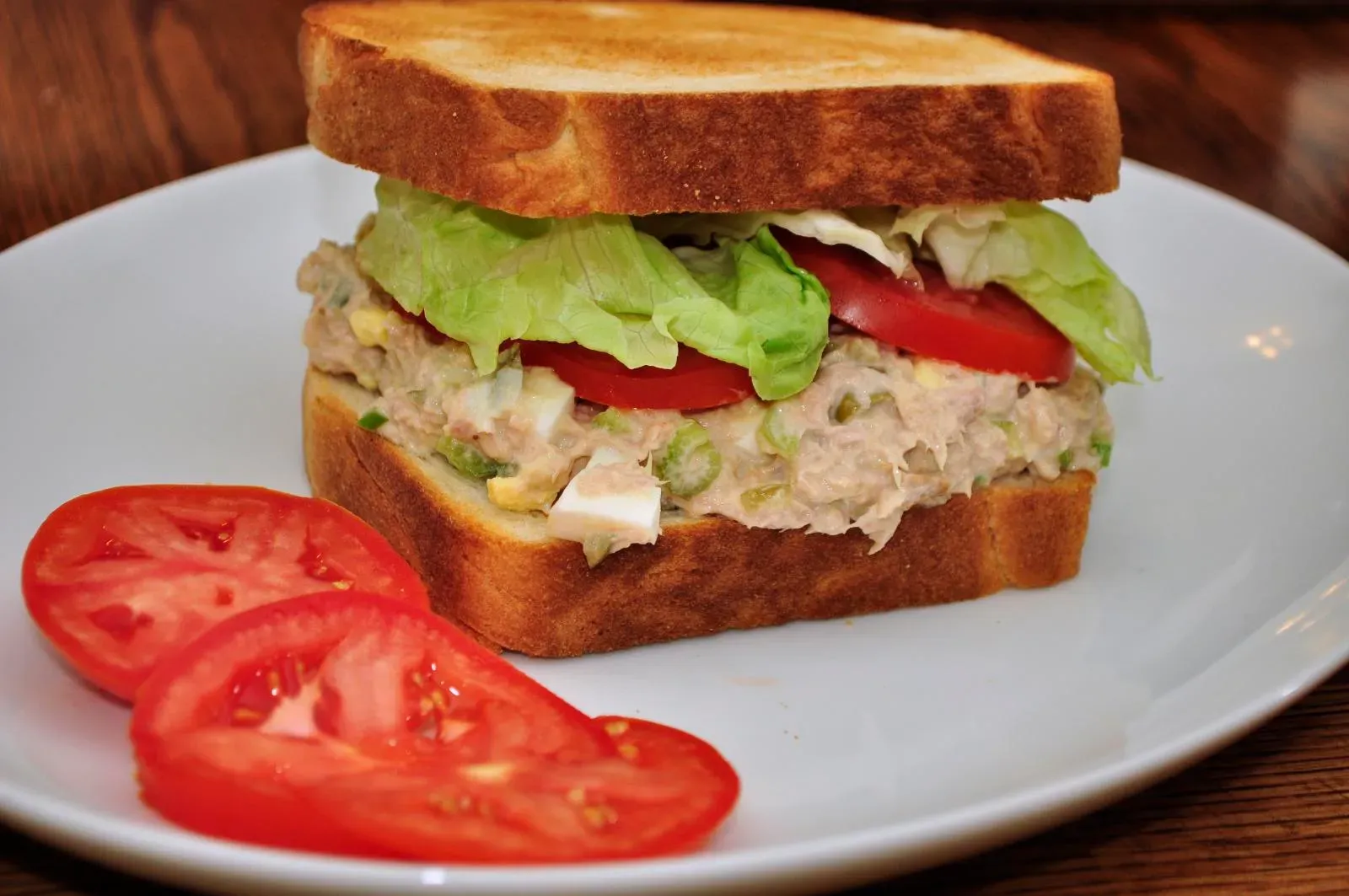
Making the Switch Stick (Mmm… tuna salad sammich
Uploaded by Fæ, <a href="https://commons.wikimedia.org/w/index.php?curid=23106921" target="_blank" rel="noopener">CC BY 2.0</a>)
The good news about all of these swaps is that none of them require extra effort or unusual pantry items. You do not have to give up creamy tuna salad altogether – nutritionists recommend swaps that preserve texture while dramatically improving nutritional value. The transition is easiest when you start with Greek yogurt as a 1:1 replacement and build from there, experimenting with avocado or hummus once you are comfortable.
Eating a balanced lunch that contains protein, complex carbohydrates, and healthy fats is a great way to ensure you feel satisfied – it can help decrease late afternoon cravings and also supports hormone health. A tuna sandwich made with any of these alternatives does exactly that. The real takeaway is not about demonizing mayo entirely – it is about reducing ultra-processed foods overall and choosing whole-food alternatives that support long-term health. That is an easy trade-off when the results taste this good.