
Most parents learn certain habits from their own upbringing and assume they're just good manners. Yet social norms shift, and what once passed as thoughtful can now land as intrusive or even dismissive to other families. Here's a closer look at twelve common parenting habits that come from good intentions but often get read the wrong way by teachers, other parents, and even kids themselves.
1. Speaking for your child in every conversation

1. Speaking for your child in every conversation (Image Credits: Pexels)
Jumping in to answer questions directed at your child feels protective, like you’re saving them from an awkward moment. In reality, it can come across as controlling or as a signal that you don’t trust them to represent themselves. Teachers and pediatricians increasingly encourage parents to let kids answer age appropriate questions on their own, even if the answer takes longer or comes out imperfect.
Other adults notice when a child never gets the chance to speak for themselves, and it can read as overbearing rather than helpful. It also robs the child of practice in social situations they’ll eventually need to navigate alone. A brief pause before answering for them often makes a noticeable difference in how the interaction is perceived.
2. Constantly praising your child in front of others
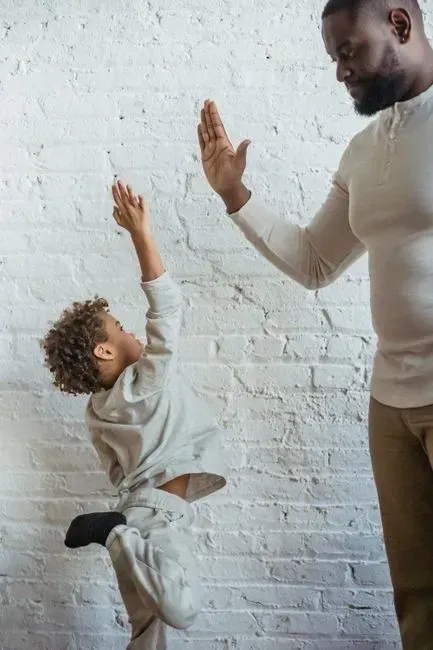
2. Constantly praising your child in front of others (Image Credits: Pexels)
Telling other parents how brilliant, talented, or advanced your child is might feel like normal pride, but it frequently comes off as boastful or dismissive of the achievements of other kids in the room. What feels like an innocent update on your child’s progress can shift the tone of a group conversation into something competitive. Many parents report feeling uncomfortable when this happens repeatedly at playdates or school events.
This habit can also put pressure on the child being praised, especially if they sense the comparison is happening. Child development specialists generally suggest praising effort privately rather than turning achievements into public announcements. Keeping celebration low key tends to be better received by both kids and adults nearby.
3. Correcting other people's children
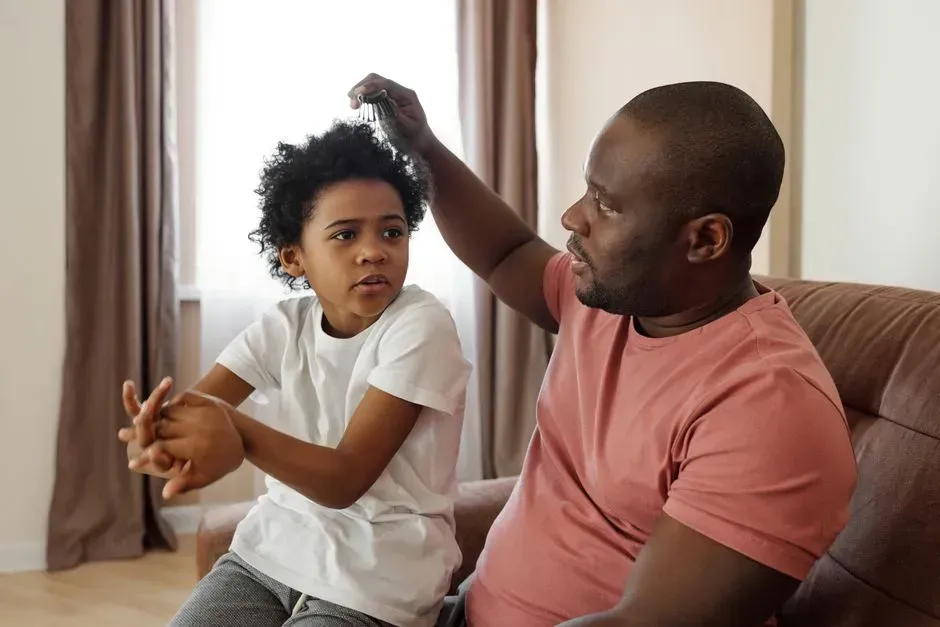
3. Correcting other people's children (Image Credits: Pexels)
Stepping in to correct a friend’s or relative’s child, even gently, is often seen as overstepping no matter how well meaning it feels. Parents today are generally protective of their parenting authority, and unsolicited correction can feel like a judgment on their approach. This holds true even for small things like table manners or how a child is playing a game.
It’s a habit rooted in the idea that community involvement in child rearing is helpful, and in some contexts it still is. However, without an explicit invitation, most modern parents prefer to be the ones who address their own child’s behavior. A better approach is usually to mention concerns directly to the parent instead.
4. Insisting your child share everything immediately
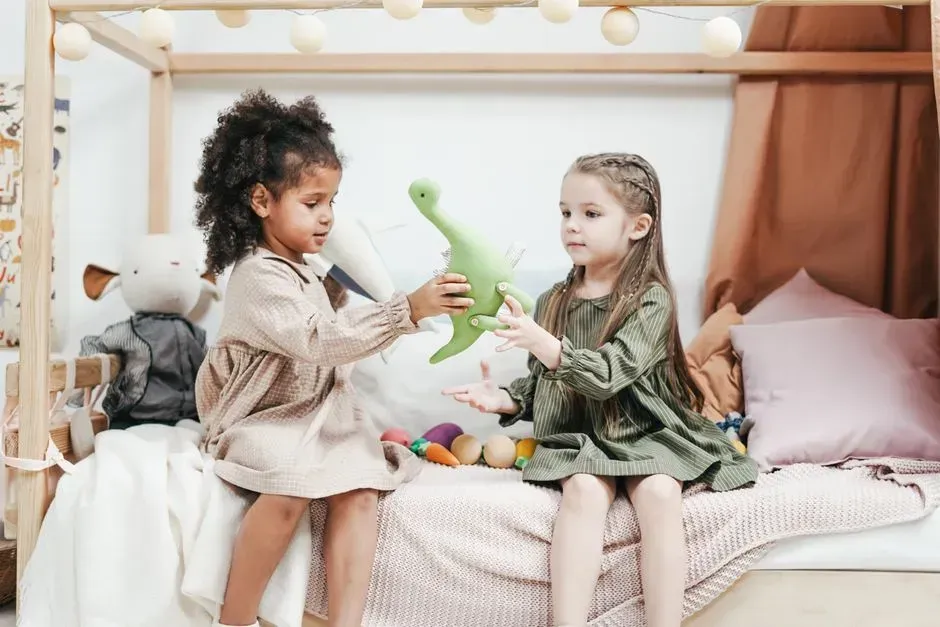
4. Insisting your child share everything immediately (Image Credits: Pexels)
Teaching generosity is a reasonable goal, but forcing immediate sharing, especially of a favorite toy, can feel dismissive of a child’s sense of ownership. Many early childhood educators now frame sharing as a skill that develops with patience rather than something to enforce on the spot. Forcing the issue in front of other parents can also make the situation more tense than it needs to be.
Kids who are pushed to share before they’re ready sometimes resist harder, which then embarrasses the parent further. Waiting a moment, or offering a turn taking system instead of instant surrender, tends to produce calmer outcomes. This shift in thinking has become more common in parenting guidance over the last several years.
5. Apologizing on behalf of your child too often

5. Apologizing on behalf of your child too often (Image Credits: Pexels)
Saying sorry for a child’s normal behavior, like being shy or having a minor meltdown in public, often gets read as excessive or as reinforcing that the child did something wrong. Frequent public apologies can also make other people feel obligated to reassure the parent, which shifts the social dynamic. Many parenting experts suggest reserving apologies for situations that genuinely warrant them.
Over apologizing can also signal anxiety to the child, teaching them that ordinary behavior needs excusing. A brief acknowledgment without a lengthy apology often reads as more composed and confident. This is a habit many parents are actively trying to unlearn as they become more aware of how it lands.
6. Asking children to perform for guests

6. Asking children to perform for guests (Image Credits: Unsplash)
Requesting that a child sing a song, recite something, or show off a skill for visiting relatives or friends is a long standing tradition in many families. Yet it’s increasingly viewed as putting a child on the spot without real consent, especially if the child seems reluctant. What feels like harmless pride to the parent can feel like pressure or embarrassment to the child.
Child psychologists have pointed out that forced performance can undermine a child’s sense of control over their own body and choices. Offering the option without insisting, and accepting a no gracefully, tends to be viewed as the more respectful approach today. This is one of those habits that used to be considered charming but is now seen differently.
7. Commenting on other children's eating habits

7. Commenting on other children's eating habits (Image Credits: Pexels)
Noticing that another child is a picky eater, or offering unsolicited advice about what a child should or shouldn’t be eating, is almost universally unwelcome among parents today. Even well meaning remarks about portion sizes or food choices can feel like criticism of someone’s parenting or a child’s relationship with food. Nutrition related comments are particularly sensitive given rising awareness around childhood eating disorders and food anxiety.
Pediatric guidance has shifted toward encouraging neutral language around food rather than moralizing about what’s healthy or unhealthy in front of kids. Complimenting a meal or simply staying quiet is generally the safer route in social settings. This applies whether the comment is about too little food or too much.
8. Reminding kids to say please and thank you in the moment

8. Reminding kids to say please and thank you in the moment (Image Credits: Pexels)
Prompting a child mid conversation to remember their manners might seem like good reinforcement, but it can interrupt the natural flow of an interaction and embarrass the child in front of others. It can also come across as a public correction rather than a private teaching moment. Many parenting resources now suggest reinforcing manners through consistent modeling and private conversations rather than real time prompts.
Kids often internalize these habits better when they aren’t singled out in front of an audience. A quiet reminder later, or simply modeling the behavior yourself, tends to be more effective and less awkward for everyone involved. This is a subtle shift, but one that changes how the moment feels to bystanders.
9. Offering unsolicited parenting advice

9. Offering unsolicited parenting advice (Image Credits: Pexels)
Sharing tips about sleep training, discipline, or feeding schedules with another parent, even from a place of care, is frequently perceived as intrusive rather than helpful. This is especially true among parents of similarly aged children, where comparison can feel loaded even if that isn’t the intention. Social media has amplified this sensitivity, as many parents already feel judged by curated parenting content online.
The general guidance from family therapists is to wait until advice is explicitly requested before offering it. Unsolicited suggestions, even gentle ones, can imply that the other parent is doing something wrong. Simply listening without offering solutions is often the more appreciated response.
10. Asking children personal questions on someone else's behalf

10. Asking children personal questions on someone else's behalf (Image Credits: Unsplash)
Prompting a child to answer for a sibling, a friend, or another family member, such as asking them to explain why someone else is upset or share a private detail, is often seen as putting the child in an uncomfortable position. It can feel like the child is being used as a messenger or informant, even if that wasn’t the intent. This habit is especially noticeable during family gatherings where tension might already exist.
Children generally don’t have the emotional tools to navigate these situations gracefully, and parents doing the asking often don’t realize how much pressure it creates. Direct communication between adults is typically viewed as the more appropriate route. Involving kids in adult social navigation tends to be seen as a boundary crossing.
11. Correcting a child's speech in front of others
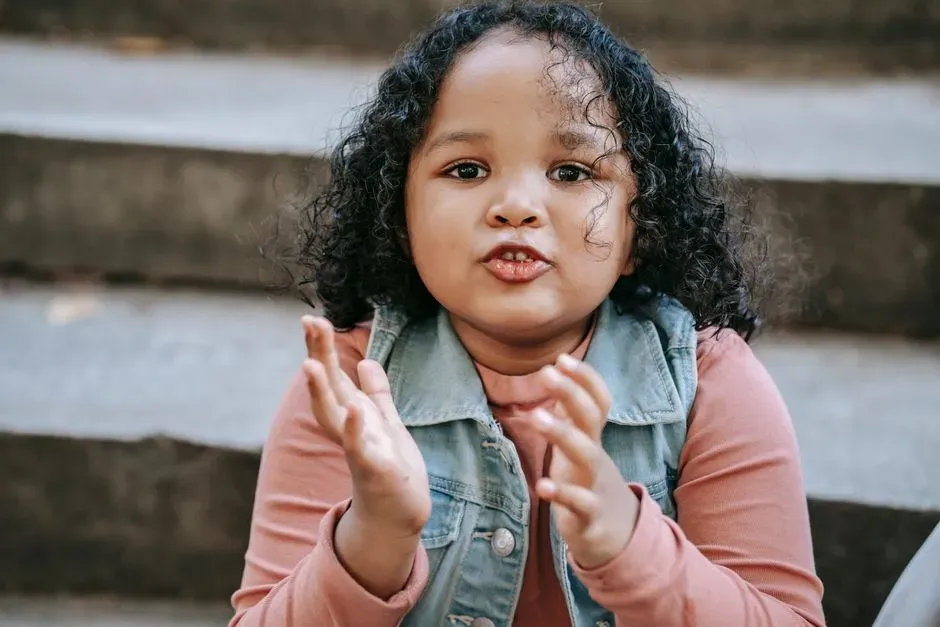
11. Correcting a child's speech in front of others (Image Credits: Pexels)
Pointing out a mispronounced word or an incorrect fact while a child is talking to someone else, even with good intentions, can interrupt their confidence and make the listener uncomfortable. It can also come across as prioritizing accuracy over the child’s comfort in the moment. Speech and language specialists often recommend addressing pronunciation or factual errors privately rather than during a social exchange.
This habit tends to be more noticeable with younger children who are still developing vocabulary and confidence in speaking to adults. Letting a small error pass in the moment rarely causes lasting harm, while public correction can make a child hesitant to speak up in the future. Most modern parenting advice leans toward patience over immediate correction in these situations.
12. Insisting on physical affection with relatives or friends

12. Insisting on physical affection with relatives or friends (Image Credits: Pexels)
Encouraging or requiring a child to hug or kiss a relative or family friend, even when the child seems reluctant, has long been treated as basic politeness. In recent years, however, this has become one of the more scrutinized parenting habits, with child safety advocates emphasizing that forced physical affection can undermine a child’s understanding of bodily autonomy. Experts increasingly recommend giving children the choice of alternatives, like a wave or a high five, instead of mandatory hugs.
This shift has gained traction alongside broader conversations about consent education starting at a young age. Many parents who grew up with mandatory affection as the norm are now rethinking the practice with their own kids. The goal isn’t to eliminate warmth, but to let children have some say in how they express it.
Parenting norms are never fixed, and habits that once passed as considerate manners can shift in meaning as social expectations evolve. What connects each of these twelve habits is a well meaning parent trying to teach respect, generosity, or good behavior, often without realizing how the moment lands for the child or the people around them. Recognizing these patterns doesn’t mean abandoning good manners altogether, but it does mean paying closer attention to how politeness is taught and to whom it actually feels respectful.