
There’s a certain kind of person who walks into a room and, without announcing themselves, draws attention. They’re not loud. They don’t push. They don’t perform. Something about their presence simply registers with everyone around them, and it lingers long after they’ve left. That quality is quiet confidence, and it’s far more learnable than most people assume.
The good news is that this presence isn’t built from status, looks, or social tricks. It’s built from habits, small and consistent behaviors that communicate self-assurance at a level most people never consciously notice. Research on nonverbal communication makes it clear: nonverbal cues expressing confidence account for more than ten times the variance in how others perceive confidence compared to the actual words spoken. What your body does, how you move, and how you listen tell a far more persuasive story than your vocabulary ever could.
1. Holding an Upright, Open Posture
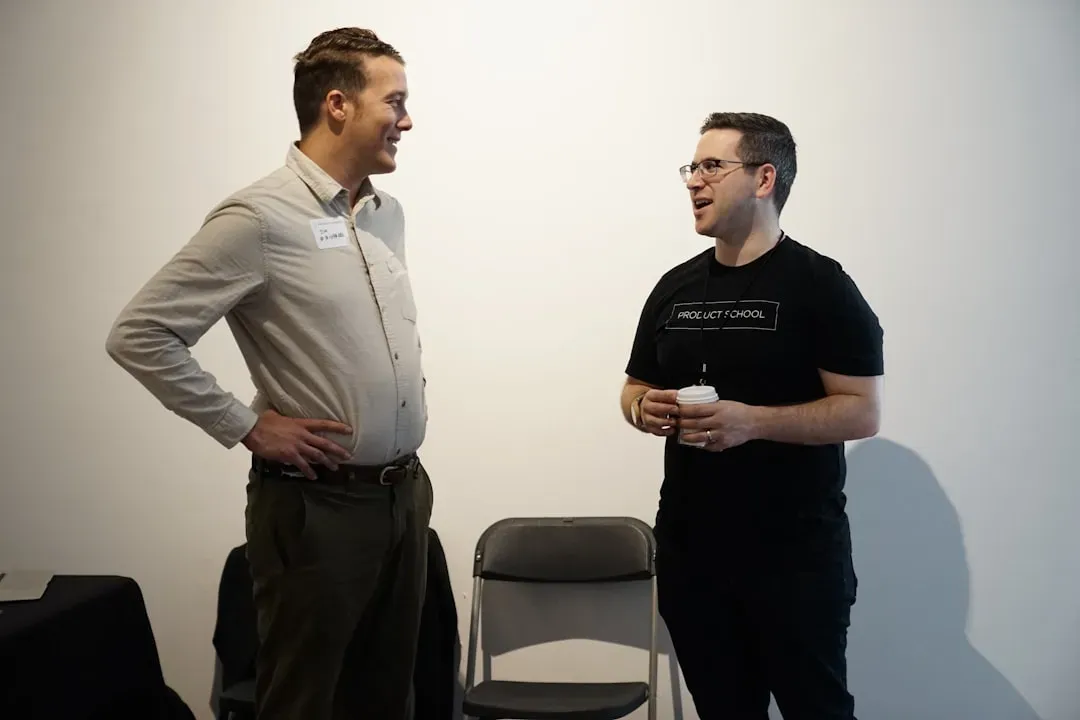
1. Holding an Upright, Open Posture (Image Credits: Unsplash)
Many people assume confidence starts in the mind, through thoughts, affirmations, and motivational pep talks. Growing psychological and neuroscientific research suggests the opposite is equally true: how we position our body has profound effects on our emotional state, self-assurance, and how others perceive us. Standing tall isn’t vanity. It’s a signal your nervous system reads as readily as the people around you.
When you stand tall and expand your posture, your body increases testosterone, a hormone linked to confidence and dominance, while reducing cortisol, the stress hormone. This simple change in stance can instantly make you feel more powerful and calm. Confident body language looks like an open, upright posture, comfortable eye contact, visible hands, and calm, purposeful movement. That combination reads as composure to everyone who sees it.
2. Maintaining Steady, Comfortable Eye Contact

2. Maintaining Steady, Comfortable Eye Contact (Image Credits: Pexels)
Eye contact is one of the fastest nonverbal signals people process when sizing up a stranger. It either opens a conversation or closes it, often before a single word is spoken. Establishing eye contact right away before you start talking or listening builds immediate connection. To show interest and confidence without staring, it is recommended to maintain eye contact for roughly half the time while speaking and about seventy percent of the time while listening.
Eye contact conveys attentiveness and sincerity, while facial expressions that align with verbal content reinforce trust. According to Scherer, tone, pitch, and rhythm of speech communicate emotional states and credibility. The key is avoiding the two common extremes: the darting gaze that signals anxiety, and the unblinking stare that unsettles people. Relaxed, present, and consistent is the target.
3. Moving with Deliberate, Unhurried Purpose

3. Moving with Deliberate, Unhurried Purpose (Image Credits: Pexels)
Watch how a genuinely confident person crosses a room. They don’t rush. They don’t shuffle. Confident walkers move like they know where they’re going. Their pace is steady. Their path is direct. They’re not rushing, but they’re not dawdling either. That unhurried quality signals to everyone watching that this person is not driven by urgency or anxiety.
Body language research shows that how we move affects how others perceive us and how we feel about ourselves. Walking with purpose literally makes you feel more confident. The feedback loop is real. Moving as if you belong somewhere shifts both your internal state and the impressions you leave behind, simultaneously and without a word.
4. Keeping Your Hands Visible and Calm

4. Keeping Your Hands Visible and Calm (Image Credits: Pexels)
Hands are remarkably expressive, and most people underestimate how closely others track them. Hidden hands read as guardedness. Frantic or fidgety hands read as anxiety. Hand gestures give off critical information about your state of mind. Confidence gestures are flowing and deliberate rather than erratic and jerky. Even in stillness, visible and relaxed hands communicate ease.
Swapping fidget habits with a calm “home base” for your hands supports more composed body language overall. Confident body language looks like an open, upright posture, comfortable eye contact, visible hands, and calm, purposeful movement. Displaying open gestures that expose the palms with open arms communicates openness, warmth, and a willingness to connect. It’s a small shift that registers immediately with others.
5. Listening with Full Attention

5. Listening with Full Attention (Image Credits: Pexels)
Quiet confidence isn’t just about how you present yourself. It’s about how completely you show up for someone else. Most people listen while mentally composing their next sentence. Truly confident people don’t need to. Research has demonstrated that active listening promotes trust and reduces misunderstandings. That combination alone sets you apart in nearly every social and professional context.
High-quality listening precedes social connection, as listening, an individual act with cognitive and behavioral components, gives rise to an emergent collective experience of togetherness. Observed listening behaviors may determine speakers’ perceptions of having been heard and, in turn, their sense of connection. People remember how it felt to be genuinely heard. That memory is what makes them seek you out again.
6. Not Reaching for Your Phone in Social Situations

6. Not Reaching for Your Phone in Social Situations (Image Credits: Pexels)
This one has become more telling in recent years, not less. Constant phone-checking signals divided attention, restlessness, and a mild but unmistakable form of social anxiety. Nothing screams insecurity like constantly checking your phone in social situations. Confident people put their phones away. During conversations, phones stay face down or in pockets. In meetings, they’re on silent.
Choosing to stay present when everyone around you is half-distracted is a quiet but powerful act. It says you’re comfortable in the moment, comfortable with the people you’re with, and comfortable enough in yourself that you don’t need a screen as an escape hatch. Research published in the Wiley Online Library found that a positive self-view protected individuals from engaging in behaviors that don’t serve them. Staying off your phone in company is one simple expression of that self-possession.
7. Aligning Your Nonverbal Signals with What You Say
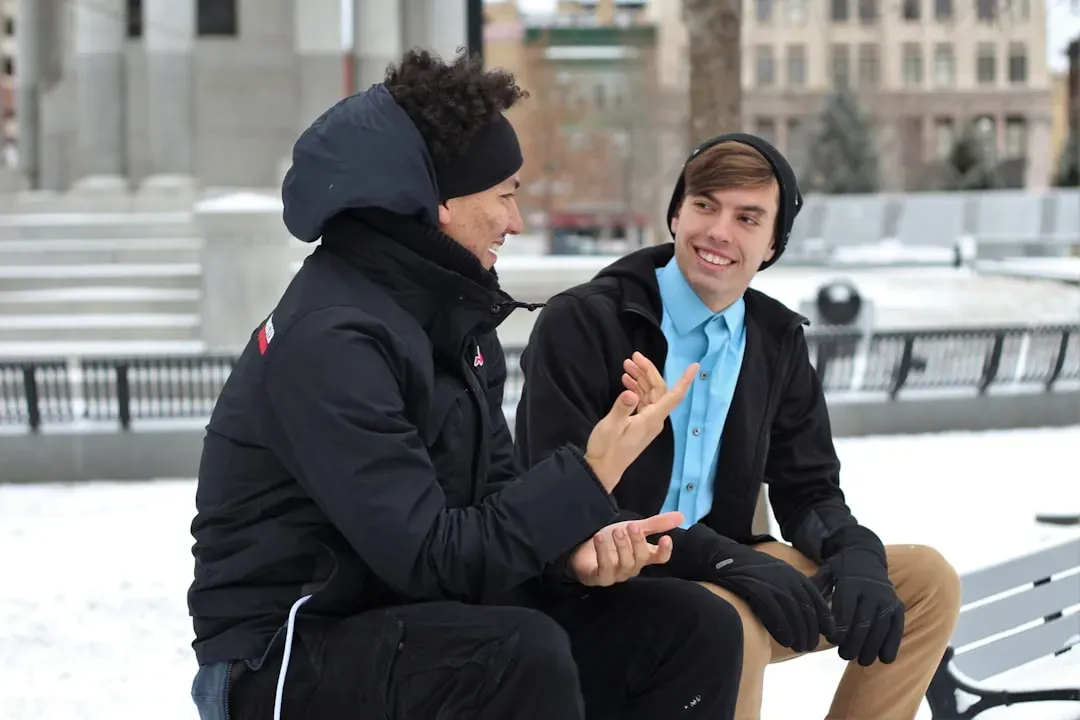
7. Aligning Your Nonverbal Signals with What You Say (Image Credits: Unsplash)
Mixed signals erode trust faster than almost anything else. A person who says they’re engaged while their body says otherwise reads as inauthentic, even if the listener can’t articulate exactly why. When verbal and nonverbal cues are congruent, they reinforce each other, leading to greater perceived responsiveness. Incongruence, however, can create confusion and reduce perceived sincerity and trustworthiness.
A lack of alignment between verbal communication and nonverbal cues quickly erodes a leader’s credibility and interferes with building trust. For example, a manager claiming openness to feedback while displaying dismissive body language sends mixed messages that undermine employee trust. Quiet confidence requires no gap between what you say and what your body broadcasts. When those two channels are in sync, people naturally lean in.
8. Using Open Gestures That Invite Rather Than Guard

8. Using Open Gestures That Invite Rather Than Guard (Image Credits: Unsplash)
Crossed arms, turned shoulders, and a closed torso all broadcast defensiveness, whether you mean them to or not. Research demonstrated that open postures, relaxed gestures, and mirroring increase perceptions of trust and rapport. Closed body postures or restless movements, in contrast, are associated with distrust. The geometry of your body tells others whether they can approach you or whether they should keep their distance.
When you consistently hold yourself upright, maintain eye contact, and use open gestures, your brain begins associating those physical actions with confidence and self-assurance. Over time, these repeated nonverbal habits influence your mindset. It’s not about performing openness. It’s about gradually making openness your default, and letting your body reflect what becomes a genuine internal shift.
9. Pausing Before You Respond

9. Pausing Before You Respond (Image Credits: Pexels)
Rushing to fill silence is a deeply common anxiety-driven reflex. Confident people resist it. They pause. They think. Then they speak. That brief gap between hearing something and responding to it communicates something profound: that you’re not threatened by silence and not desperate to fill it. It signals that your words, when they come, were worth waiting for.
Research in the persuasion literature shows that vocal intonation and timing carry significant weight in how confident a speaker is perceived to be. Speakers naturally use falling intonation more frequently when they believe they are making correct statements. A considered pause before responding helps you land that kind of steady, grounded delivery. It slows the conversation into a register that people associate with authority and calm.
10. Keeping Facial Expressions Genuine and Present

10. Keeping Facial Expressions Genuine and Present (Image Credits: Pexels)
A face that matches the emotional reality of a moment is immediately recognizable as authentic. People process facial expressions faster than almost any other social signal, and they’re remarkably good at detecting when something is performed versus felt. Non-verbal cues complement verbal communication, shaping the observer’s understanding and enhancing overall communication efficiency. Changes in facial expressions can indicate a speaker’s certainty.
Getting into the habit of smiling frequently and appropriately matters. Keeping your facial expressions aligned to the content and emotional context of what you’re saying or listening to builds genuine rapport. Nonverbal cues such as facial expressions, vocal tone, and body language are essential in communicating understanding, validation, and care. An expressive but honest face is one of the most disarming and memorable things a person can offer in any room.
11. Cultivating a Calm, Steady Vocal Tone

11. Cultivating a Calm, Steady Vocal Tone (Image Credits: Pexels)
The way your voice sounds is every bit as important as what it says. Pitch, pace, and steadiness all shape whether you’re perceived as grounded or reactive, assured or anxious. Tone, pitch, and rhythm of speech communicate emotional states and credibility. Calm and steady tones are often interpreted as signals of confidence and trustworthiness. A voice that doesn’t quaver under pressure tells people you’ve been here before, and you’re fine.
Research across multiple studies shows that faster vocal speed initially increases perceived source confidence, but eventually the increase attenuates or reverses. The sweet spot is a moderate, measured pace that feels purposeful rather than hurried. If you avoid eye contact or rush your words, your mind reinforces insecurity; when you hold your head high and move purposefully, it triggers feelings of control and self-worth. This mind-body feedback loop explains why acting confident can create confidence.
12. Practicing Consistent Self-Awareness Without Self-Consciousness

12. Practicing Consistent Self-Awareness Without Self-Consciousness (Image Credits: Pexels)
There’s a fine but important distinction between self-awareness and self-consciousness. Self-consciousness is the anxious monitoring of how you appear. Self-awareness is the calm, neutral noticing of what you’re doing and how it lands. Awareness of self, others, and the situation allows us to ensure that our gestures and body language align with our spoken words. This creates congruence and generates trustworthiness.
Awareness is the first step: by catching old habits early and practicing control, you can replace them with more confident, composed movements that support your message. Building confident body language takes consistent practice and self-awareness. Over time, these habits become automatic, and your body naturally mirrors your self-assured mindset. That’s the real destination: not performing confidence, but settling into it so completely that it stops feeling like a practice at all.
Quiet confidence isn’t a trait you either have or don’t. It’s an accumulation of small, repeatable choices about how you hold yourself, how you listen, and how present you allow yourself to be. None of the habits above are flashy. That’s precisely the point. The people who turn heads without trying aren’t doing more. They’re simply doing less of what anxiety demands and more of what genuine ease allows.