
Every generation carries its own set of social scripts, and for the most part, those scripts go unquestioned until someone from a different era walks into the room. Baby Boomers, born between 1946 and 1964, grew up in a world where the rules around work, communication, and daily life looked almost nothing like they do today. Most of what they do comes from a completely reasonable place. Still, certain habits have a way of stopping younger people mid-thought, triggering a wave of confusion, mild dread, or barely suppressed eye-rolls.
Generational gaps often manifest in small daily quirks that can baffle or frustrate younger people. While Boomers view their routines as practical or polite, these habits can sometimes clash with the current digital lifestyle. None of this is really about malice on either side. It is about two very different formative worlds colliding in the same grocery store aisle, office meeting, or family group chat. Here are seven habits that tend to produce the most visceral reactions.
1. Calling Instead of Texting – for Absolutely Everything
1. Calling Instead of Texting – for Absolutely Everything (Image Credits: Unsplash)
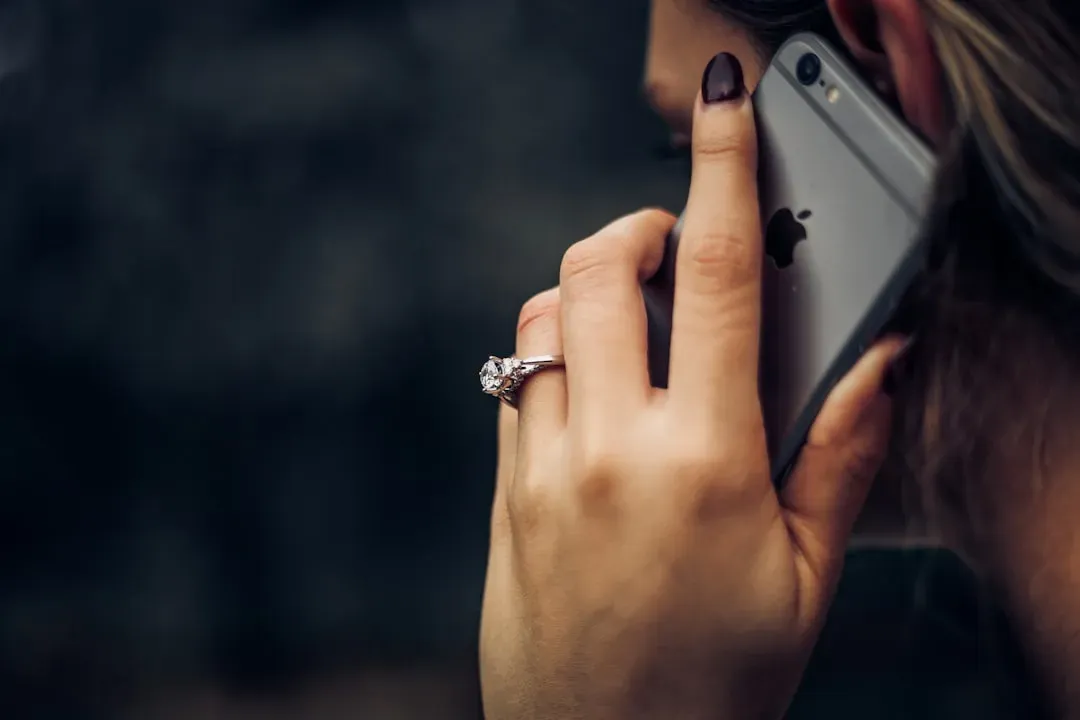
Boomers tend to prefer phone calls over texts or emails, even for quick interactions, which younger generations find intrusive and inefficient. Millennials and Gen Z often view unsolicited phone calls as anxiety-inducing or disruptive, especially when a simple message would do. The expectation to "just pick up the phone" feels like a disregard for personal boundaries and modern communication preferences. What makes it especially jarring is not the call itself, but the assumption that the other person is simply available and waiting for it.
A survey by BankMyCell reveals that 75% of millennials avoid phone calls specifically because they consider them "time-consuming," preferring the speed of digital text. Receiving a text that simply says "call me" can trigger panic among younger generations, who assume there is an emergency. Boomers often use this to bridge the gap to a voice conversation without realizing the anxiety it causes. For most younger people, the phone is a tool of last resort – not a default.
2. Leaving Long, Detailed Voicemails
2. Leaving Long, Detailed Voicemails (Image Credits: Pexels)
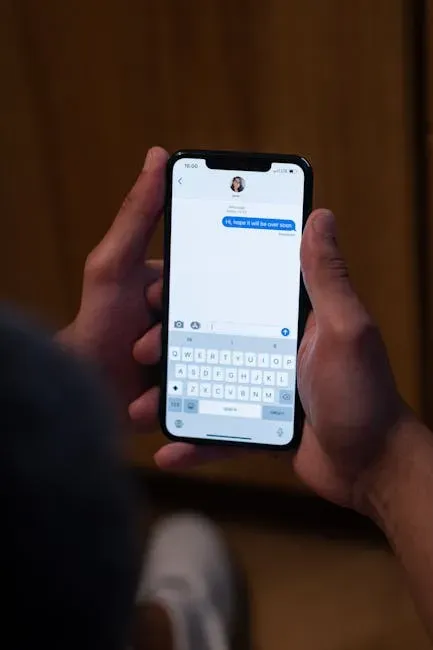
Boomers love a good voicemail. They'll leave a detailed message explaining their thoughts, intentions, and even a recap of their day. While this might seem thoughtful, younger generations – who prefer texting or quick voice notes – find it unnecessary and time-consuming. Listening to a two-minute voicemail about something that could have been a short text feels like a waste of time. It is not a grudge against the person leaving it. It is frustration with the format itself.
Leaving a three-minute voicemail detailing the entire reason for a call is a classic Boomer move that many millennials dread. Most younger people prefer a quick text because listening to a long message feels inefficient and time-consuming. Voicemail made perfect sense in an era before read receipts and instant messaging. In 2026, it feels a bit like receiving a telegram – quaint, but baffling in practice.
3. Using Speakerphone in Public Spaces

3. Using Speakerphone in Public Spaces (Image Credits: Pexels)
Baby Boomers often have a habit of using speakerphone in public, even when they're walking through a store or sitting in a café. While they may see it as a convenient way to communicate, younger generations find it intrusive and inconsiderate. There is something deeply unsettling about a stranger's private conversation being broadcast to an entire waiting room full of people who did not sign up to listen.
To Boomers, speakerphone might feel convenient or even polite, allowing others to join the conversation. But for those around them, it's an invasion of personal space. This habit often sparks annoyance and highlights differing views on public etiquette. The loud conversations disrupt the space and make others feel like they're forced to listen in on private discussions. Younger generations tend to treat shared spaces as quietly negotiated territories – and loud speakerphone use breaks that unspoken agreement entirely.
4. Dismissing Mental Health Conversations as Weakness

4. Dismissing Mental Health Conversations as Weakness (Image Credits: Pixabay)
For most Boomers, talking about stress, anxiety, or burnout in the workplace is still off-limits. They grew up in a society where you left your troubles at the door and toughed it out, no matter what. That attitude made a certain kind of sense in post-war decades when survival and stability were the dominant cultural concerns. It lands very differently when applied to younger workers navigating burnout, economic stress, and a global mental health crisis.
Mental health is much more openly discussed and prioritized by younger generations. Terms like anxiety, depression, and burnout are part of everyday conversations for Millennials and Gen Z, who expect empathy and support. Baby Boomers, on the other hand, often carry the mentality of "toughing it out" or "pulling yourself up by your bootstraps," which can come off as dismissive of these legitimate struggles. This disconnect can lead to frustration and feelings of being misunderstood. Baby Boomers also prioritize physical health but are more open to holistic perspectives, though both groups experience greater mental health stigma than younger generations.
5. Insisting That Success Means a 9-to-5 Office Job

5. Insisting That Success Means a 9-to-5 Office Job (Image Credits: Pexels)
Boomers often idealize the traditional 9-to-5 office job as the gold standard of success, but younger generations see flexibility and work-life balance as far more valuable. With remote work, freelancing, and digital nomadism reshaping the job market, being chained to a desk for 40 or more hours a week feels archaic and stifling. Millennials and Gen Z value results over rigid schedules and prefer to measure productivity by impact, not hours logged under fluorescent lighting.
With remote work becoming a norm, especially after the pandemic, many younger people see it as a more balanced and productive way to work. Baby Boomers, who built their careers in traditional office environments, may view working from home as less efficient or even lazy. Research from Gallup shows that burnout is at an all-time high, especially among millennials, partly due to outdated expectations of overwork. When a Boomer tells a younger colleague they're not committed because they left at five, it's less a performance critique and more a fundamental worldview collision.
6. Forwarding Chain Emails and Viral Misinformation
6. Forwarding Chain Emails and Viral Misinformation (Image Credits: Unsplash)
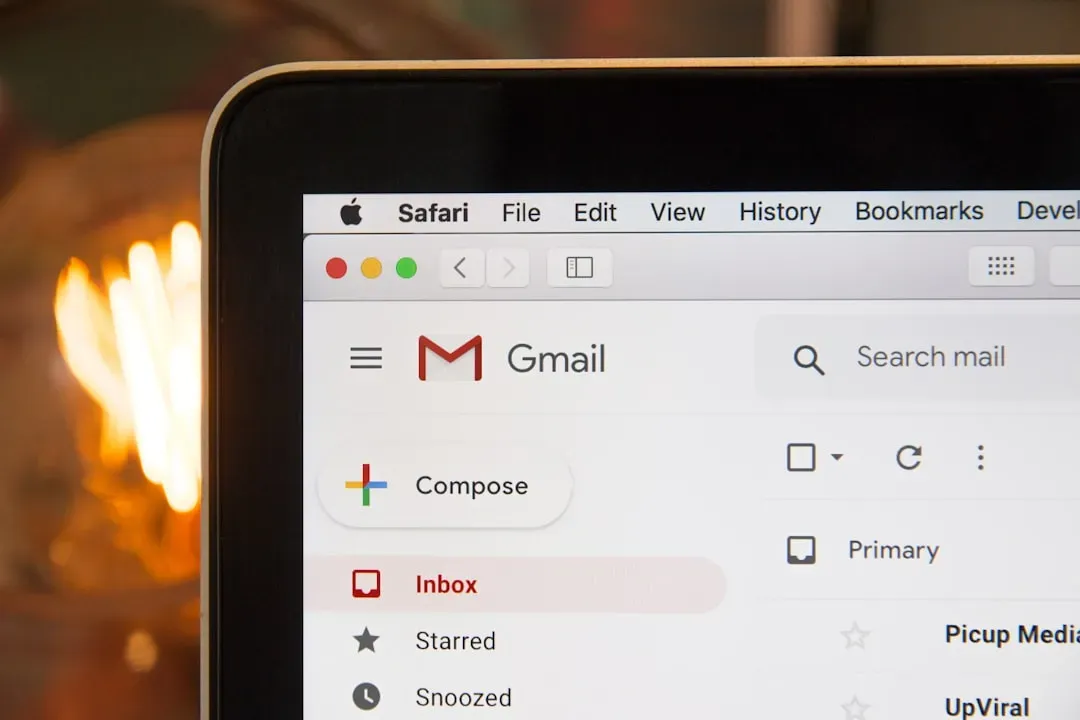
Chain emails were the social media of their time, but in 2025, they're downright antiquated. Boomers often forward these emails – ranging from "if you don't share this, bad luck will follow" warnings to "heartwarming" but dubious stories – to their entire contact list. While the intention is usually to share something uplifting or important, it's a habit that grates on younger generations. Not only do these emails clog inboxes, but they also often contain misinformation.
Younger generations, more accustomed to fact-checking and digital literacy, view chain emails as outdated and intrusive. The same pattern plays out on social media, where social media is filled with Boomers being angry about things, getting very worked up and upset about things they see or read on the internet, while younger generations tend to let things they see on social media roll off their backs and don't assume everything they see is true. The instinct to forward and share without verifying genuinely unsettles younger people who have grown up knowing how fast misinformation spreads.
7. Pushing Homeownership as the Only Valid Life Goal

7. Pushing Homeownership as the Only Valid Life Goal (Image Credits: Pixabay)
For Boomers, owning a home was the ultimate life milestone and a symbol of success. But with skyrocketing housing prices and shifting life goals, younger people often see renting, co-living, or even van life as smarter or more flexible options. The Boomer narrative that renting is "throwing money away" does not align with today's financial realities, and pushing homeownership as a one-size-fits-all solution often feels unrealistic and out of touch with the way Millennials and Gen Z live and budget.
Homeownership was a defining achievement for many Baby Boomers, symbolizing financial stability and success. But Millennials and Gen Z face a different economic reality, with high student debt and skyrocketing housing costs making it harder to afford a home. Many younger people are opting for renting or choosing minimalist lifestyles, leading to clashes with Boomers who may not understand why homeownership isn't a top priority anymore. Being told you just need to "stop spending money on coffee" in order to afford a house is the kind of advice that doesn't just feel unhelpful – it feels tone-deaf to an entirely different economic reality.
None of these habits make Boomers bad people, and that's worth saying plainly. Most of them stem from values, tools, and economic conditions that genuinely worked for a particular time in history. Generational divides are nothing new, but the speed of cultural, economic, and technological shifts has widened the gap between Baby Boomers and younger generations more than ever. While not all Boomers hold onto these habits, the ones who do are often met with frustration and confusion from those navigating a drastically different world. The discomfort younger generations feel isn't really about the voicemail or the speakerphone – it's about feeling like the world they actually live in isn't being seen.