
There's a particular kind of silence that happens when a boomer whips out a checkbook at the grocery store while a Gen Z cashier just stares. It's not judgment exactly, more like watching someone use a tool nobody remembers the instructions for. Generational habits don't disappear just because the world moves on, and 2026 has turned out to be a strange middle ground where old routines and new technology are still bumping into each other daily.
What follows isn't a list of complaints. It's more of a gentle tour through the everyday habits that make perfect sense to one generation and feel like archaeology to another.
1. Calling instead of texting
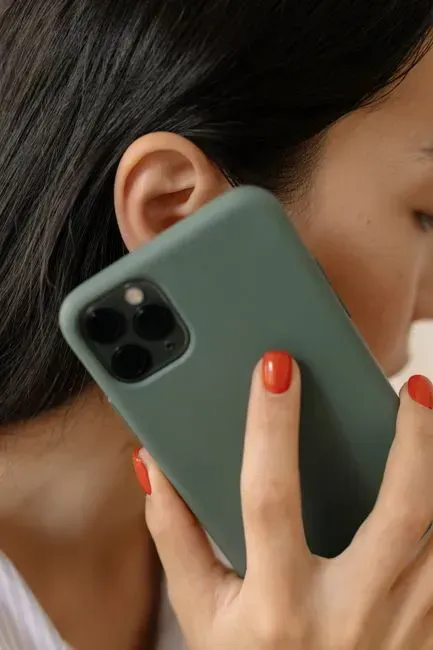
1. Calling instead of texting (Image Credits: Pexels)
For a lot of boomers, if something is important, you pick up the phone and talk to a person. Texting feels like an afterthought, something reserved for quick logistics rather than actual conversation. Gen Z, raised on asynchronous communication, often experiences an unexpected phone call as mildly alarming, something reserved for emergencies or bad news.
This isn’t just a quirk, it reflects a real difference in how each generation was trained to communicate. Boomers grew up when a phone call was the fastest way to reach someone, so it stuck as the default. Younger people tend to see an unscheduled call as an interruption rather than a courtesy, which creates a small but constant friction point in family group chats everywhere.
2. Writing personal checks
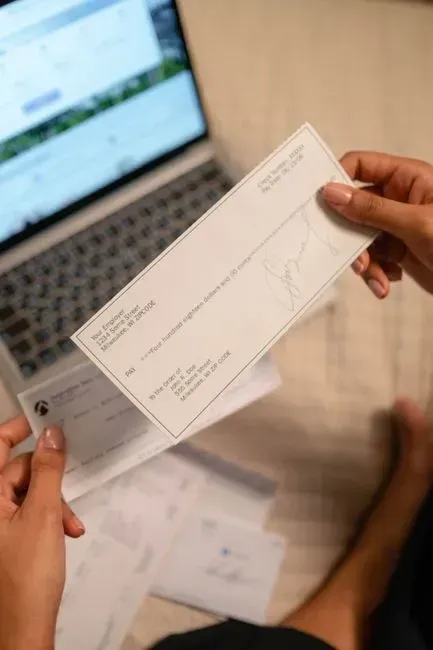
2. Writing personal checks (Image Credits: Pexels)
Checks are supposed to be dead, yet they refuse to fully disappear from boomer wallets. A resounding 83% of Boomers still like to pay with cash, and about 65% of Boomers say they still use them for personal checks. Compare that to Gen Z, where 60% doesn’t even own a checkbook, and only 56% know how to write one in the first place.
It’s worth noting the habit is fading even among boomers themselves. Forty-seven percent of those ages 55 to 64 and 30% of boomers ages 65 and older have not written a physical check in the past year. Still, the ritual of tearing a check out of a booklet and mailing it to pay the electric bill remains a very real, very confusing sight for anyone under thirty.
3. Keeping a landline plugged in
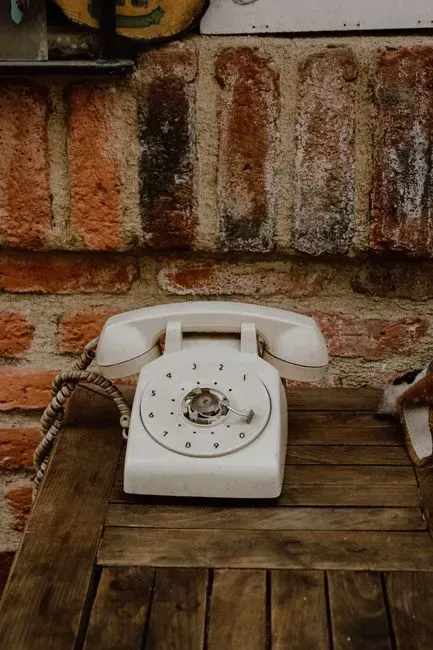
3. Keeping a landline plugged in (Image Credits: Pexels)
Somewhere in a lot of boomer households, there’s a corded phone sitting on a kitchen wall or side table, still connected, still ringing occasionally. Seniors lead in landline use, with 40.7% of Americans aged 65 and up still having a landline phone at home. Meanwhile nearly 8 in 10 U.S. adults are wireless-only users, and that number skews heavily young.
The reasons boomers give tend to be practical rather than sentimental, things like emergency reliability and not needing a charger. Gen Z, on the other hand, sometimes struggles to even conceptualize why a phone would be tethered to a wall in the first place. It’s less about nostalgia and more about a completely different relationship with what “being reachable” even means.
4. Carrying a wallet full of cash

4. Carrying a wallet full of cash (Image Credits: Pexels)
Ask a boomer how much money is in their wallet right now, and there’s a good chance they know the answer without checking. Of Boomer respondents, 82% say they know how much money they have in their checking account right now without looking at it, while just 52% of Gen Z answered that question with confidence. Cash still plays a visible role in how boomers budget day to day.
According to one recent survey, boomers rank debit card as the most common way to pay for everyday expenses, with bank-branded credit cards second and cash in third place at 44%. Gen Z, largely raised on tap-to-pay and digital wallets, often finds the idea of counting out bills at a register a little baffling, almost like watching someone use an abacus.
5. Printing out directions or documents
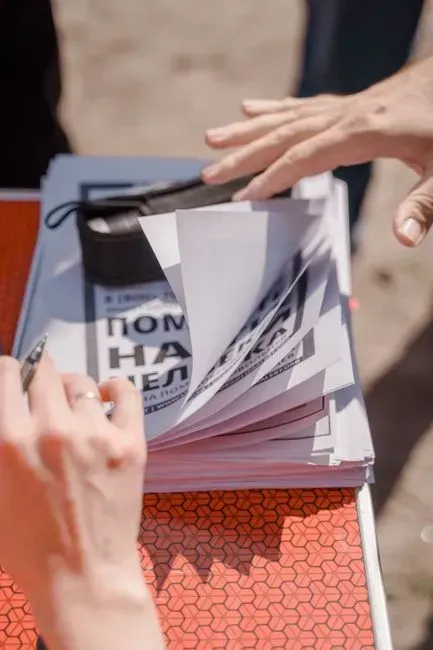
5. Printing out directions or documents (Image Credits: Pexels)
Even with GPS built into every phone, plenty of boomers still like a printed map or a stack of paper directions in the glove compartment. The same goes for boarding passes, receipts, and important emails, which often get printed “just in case.” It’s a habit rooted in decades of paper being the only reliable backup.
Gen Z tends to trust the cloud implicitly, storing everything digitally and rarely thinking twice about it. Watching a boomer relative print out a twelve page itinerary for a weekend trip can feel almost theatrical to someone who has never owned a home printer. Yet for boomers, that paper copy is simply peace of mind.
6. Answering unknown phone numbers

6. Answering unknown phone numbers (Image Credits: Pexels)
Boomers are far more likely to pick up a call from a number they don’t recognize, treating the ringing phone as something that demands an answer. Gen Z has largely trained itself to let unknown numbers go straight to voicemail, assuming it’s spam, a scam, or simply not worth the risk. This gap has actually widened as robocalls and phishing attempts have become more sophisticated.
The instinct to answer comes from a time when phone numbers were tied to specific households and answering was simply good manners. For younger generations who grew up watching relatives get scammed over the phone, that same instinct reads as a vulnerability rather than politeness. It’s less about technology and more about trust, and where that trust gets placed.
7. Writing passwords on paper
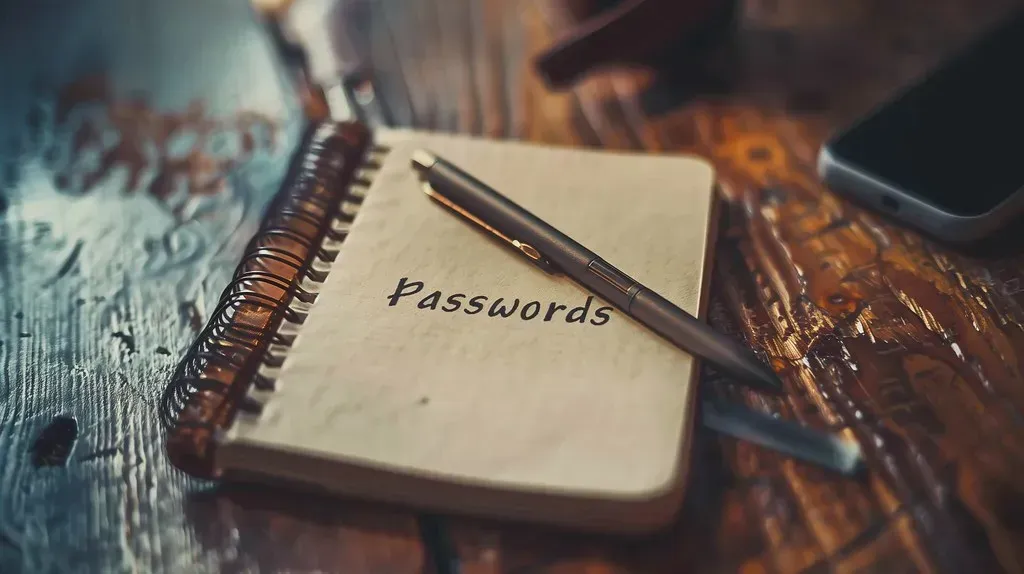
7. Writing passwords on paper (ninjaonelive, Flickr, <a href="https://creativecommons.org/licenses/by/2.0/" target="_blank" rel="noopener">CC BY 2.0</a>)
This one tends to genuinely stop Gen Z in its tracks. According to a recent payments industry report, boomers are the least stressed about paying bills and the most likely to keep passwords on a piece of paper or in a notebook, with researchers finding that 45% of Boomers are still writing their passwords on paper. For a generation raised on password managers and biometric logins, a literal notebook of passwords feels almost like a security risk on display.
Boomers generally see it differently. A notebook can’t be hacked remotely, and it doesn’t require remembering a master password or trusting a third-party app with sensitive data. It’s a low-tech solution to a high-tech problem, and it’s stuck around simply because it works well enough for the people using it.
8. Trusting the bank teller over the app

8. Trusting the bank teller over the app (Image Credits: Pexels)
Despite plenty of digital adoption, boomers still show a strong preference for face-to-face banking when something matters. Most boomers, 51%, prefer to do their banking online, yet many remain skeptical of banks without physical branches. Fifty-five percent of those who are 55 to 64 and 64% of boomers ages 65 and older said they trust digital banks somewhat or significantly less than traditional banks.
Gen Z, by contrast, often opens accounts with online-only banks without a second thought, never expecting to set foot in a branch. The idea of driving somewhere to deposit a check or discuss a loan in person can feel almost quaint to someone who has never known banking any other way. It’s less resistance to technology and more a deep-rooted comfort with a physical, human transaction.
9. Forwarding email chains and viral messages
9. Forwarding email chains and viral messages (Image Credits: Pexels)
Email inboxes belonging to boomers often fill up with forwarded jokes, warnings, and inspirational messages passed along from friends and relatives. It’s a habit that predates social media, back when email was the primary way to share something interesting with a group. The forwarded chain message, complete with a dozen previous senders’ email addresses stacked at the top, is a familiar and slightly amusing artifact of this era.
Gen Z largely communicates virally through short videos and memes shared instantly through apps rather than email threads. Watching a relative forward a message that’s been circulating for years, sometimes with outdated information intact, can be confusing or even a little concerning. It highlights just how differently each generation defines “sharing something interesting.”
10. Preferring cable news at a scheduled time
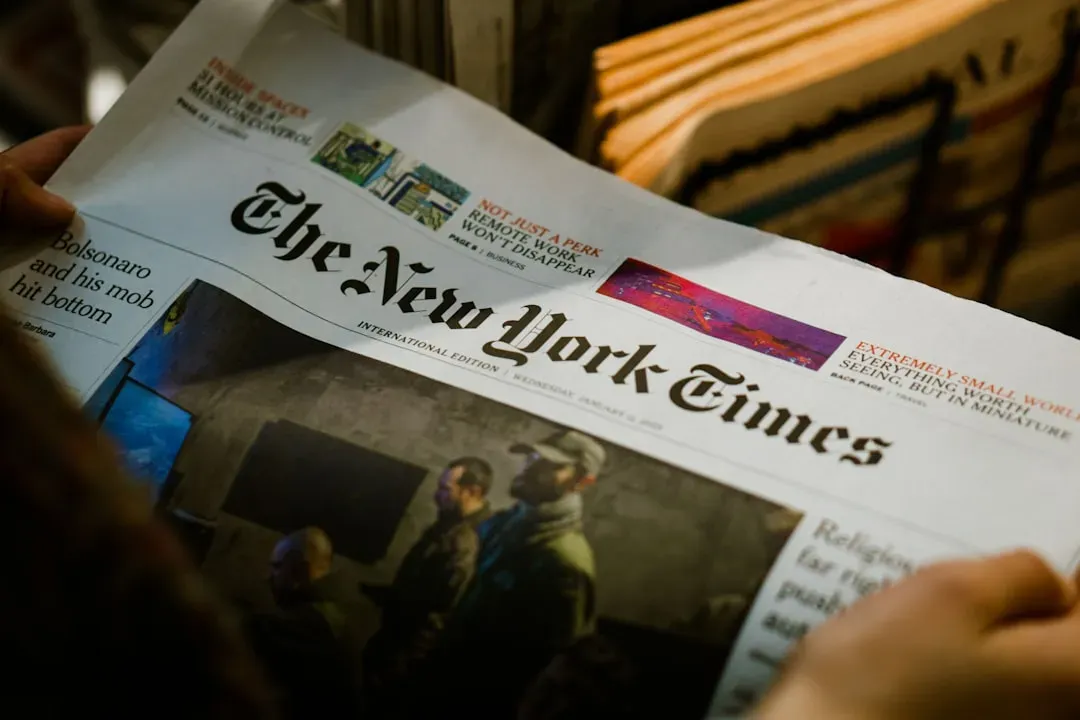
10. Preferring cable news at a scheduled time (Image Credits: Unsplash)
Boomers often still organize part of their day around watching the evening news live, treating it as a fixed appointment rather than something to catch up on whenever. This scheduled viewing habit comes from decades when television was the primary source of daily information, delivered at set hours by trusted anchors. It’s less about the content itself and more about the ritual of sitting down at the same time each day.
Gen Z tends to consume news in short bursts throughout the day, pulled from social feeds, notifications, and clips rather than a single broadcast. The idea of waiting until six or eleven o’clock for information that’s already available instantly can feel genuinely strange to younger viewers. It’s a small but telling difference in how each generation experiences time itself.
11. Printing out physical photographs
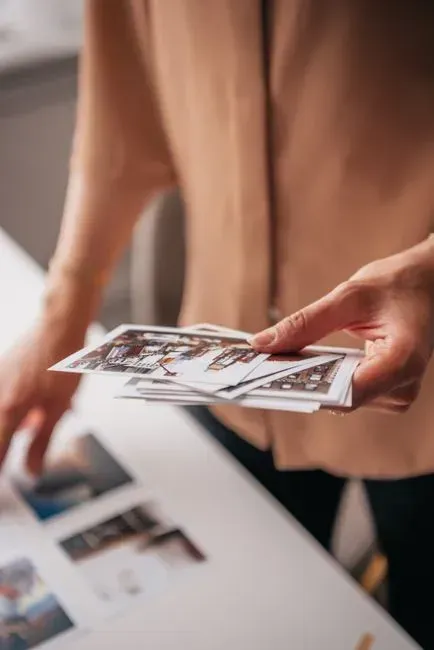
11. Printing out physical photographs (Image Credits: Pexels)
Many boomers still get photos printed, whether for albums, frames, or simply to have something tangible to hold onto. This habit reflects decades of photography being inherently physical, something you paid for, waited on, and kept in a shoebox or album. Even now, some boomers will print a phone photo just to display it on a shelf or send it in a card.
Gen Z, having grown up entirely in a digital photo landscape, often stores thousands of images without ever printing a single one. The idea of a physical photo album can feel almost like a museum piece rather than something practical. Yet for boomers, there’s a comfort in having something you can hold that doesn’t depend on a charged device or a cloud backup.
12. Clipping coupons and reading a physical newspaper
12. Clipping coupons and reading a physical newspaper (Hobbies on a Budget, Flickr, <a href="https://creativecommons.org/licenses/by/2.0/" target="_blank" rel="noopener">CC BY 2.0</a>)
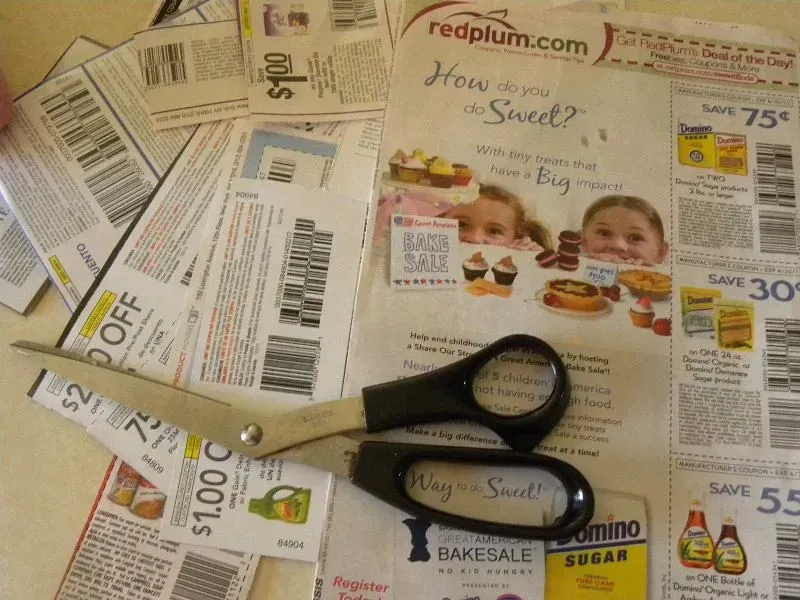
Sunday mornings for a lot of boomers still involve a real newspaper and a pair of scissors, cutting out coupons for the week’s shopping. It’s a routine built over decades, when print was the primary way to get both news and deals. There’s a tactile, almost ritualistic quality to it that digital coupon apps have never quite replicated for this generation.
Gen Z shoppers are far more likely to rely on browser extensions or apps that automatically apply discounts at checkout, skipping the physical clipping entirely. Watching someone carefully cut out a coupon for fifty cents off cereal can seem almost puzzling to someone who’s never bought a printed newspaper. Still, for many boomers, the process itself is part of the appeal, not just the savings.
None of these habits are really about stubbornness. They’re mostly just evidence of which tools happened to be reliable during the decades each generation came of age. Boomers built trust in paper, phone calls, and face-to-face interaction because those things worked consistently for most of their lives, while Gen Z built trust in speed, automation, and digital record keeping because that’s what worked for them. The gap isn’t closing anytime soon, but it does make for some genuinely funny moments at the dinner table.