
Walk into any high-end renovation project and you’ll notice something curious. The clients with the deepest pockets aren’t necessarily the ones spending the most on flash. They’re often the ones asking the most careful questions before a single wall comes down.
Contractors who work regularly with wealthy clients say the difference between a smooth six-figure remodel and a stressful one rarely comes down to budget size. It comes down to habits, the small decisions and avoided pitfalls that separate a calm process from a chaotic one. Here’s what these homeowners consistently skip, based on what builders and designers actually see on the job.
1. They never hire based on the lowest bid

1. They never hire based on the lowest bid (Image Credits: Pexels)
Affluent clients tend to treat a rock-bottom quote as a warning sign rather than a win. Industry professionals note that contractors who lowball a project often make up the difference later through change orders or corner-cutting. Choosing a contractor based on cost alone is considered one of the biggest mistakes a homeowner can make, since lowballed bids during the bidding process usually have a reason behind them.
Instead, wealthy homeowners typically vet a contractor’s licensing, insurance, and portfolio before price ever enters the conversation. The wrong contractor can lead to shoddy workmanship, delays, and unexpected costs, and a high-end renovation requires professionals who understand quality and detail. They understand that rushing to save a few thousand dollars upfront can cost far more once problems surface.
2. They never start construction without a locked-in scope of work

2. They never start construction without a locked-in scope of work (Image Credits: Unsplash)
Vague plans invite vague results. Contractors who work in the luxury space say clients with means insist on a detailed, itemized scope before any demolition begins, spelling out materials, timelines, and responsibilities line by line.
Discerning homeowners are advised to review a detailed scope of work that outlines every task, material, and timeline, and to request a pre-construction meeting to align expectations before work begins. This single step tends to prevent the majority of disputes that crop up mid-project, since everyone signed off on the same document from day one.
3. They never bring in the designer as an afterthought

3. They never bring in the designer as an afterthought (Image Credits: Pexels)
One pattern shows up again and again in high-end renovations gone sideways: the architect and contractor get hired first, and the interior designer joins months later, once major decisions are already locked in. By that point, options for layout, lighting, and flow have narrowed considerably.
Homeowners often bring in a contractor or architect first and then add the designer later, but by then many decisions are locked in, which limits design options and slows the project. Wealthy clients who’ve been through this once tend not to repeat it, bringing their full team together from the very first planning conversation.
4. They never skip a contingency fund
4. They never skip a contingency fund (Image Credits: Unsplash)
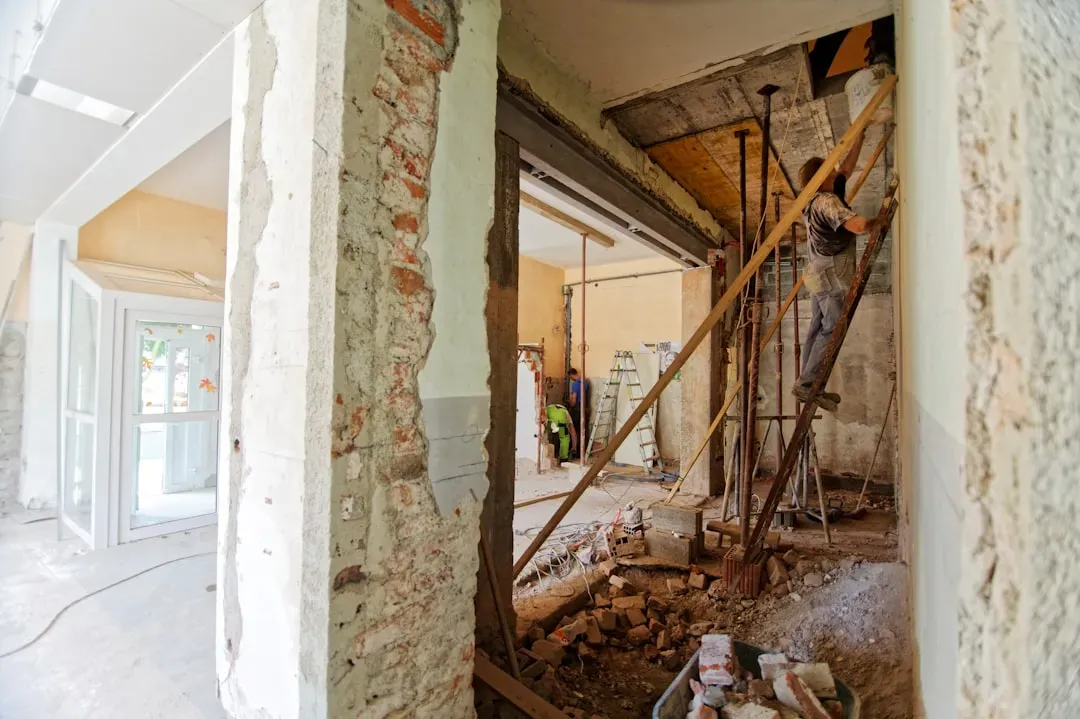
Older homes and ambitious renovations both have a habit of revealing surprises once walls open up. Knob-and-tube wiring, outdated plumbing, or water damage can appear seemingly out of nowhere, and affluent homeowners build room for that into their budget from the start.
A realistic budget accounts for design fees, engineering, permit costs, demolition, labor, materials, fixtures, appliances, cabinetry, lighting, landscaping repairs, temporary housing, and a contingency of 10 to 20 percent. Skipping that cushion is one of the fastest ways to turn a manageable project into a financial headache.
5. They never attempt complex work themselves

5. They never attempt complex work themselves (Image Credits: Pexels)
Even homeowners who are genuinely handy tend to draw a firm line around structural, electrical, and plumbing work. The reasoning is practical: a mistake in these areas doesn’t just cost money to fix, it can create safety issues that linger long after the project wraps.
Real estate experts point out that watching a tutorial online is not the same as having the training to execute it safely. One contractor noted that finding a tutorial on YouTube for nearly any project “doesn’t mean it’s a project you should take on.” Affluent clients generally leave the technical work to licensed professionals and focus their own energy on decisions that actually require their input.
6. They never chase every design trend
6. They never chase every design trend (Image Credits: Pexels)
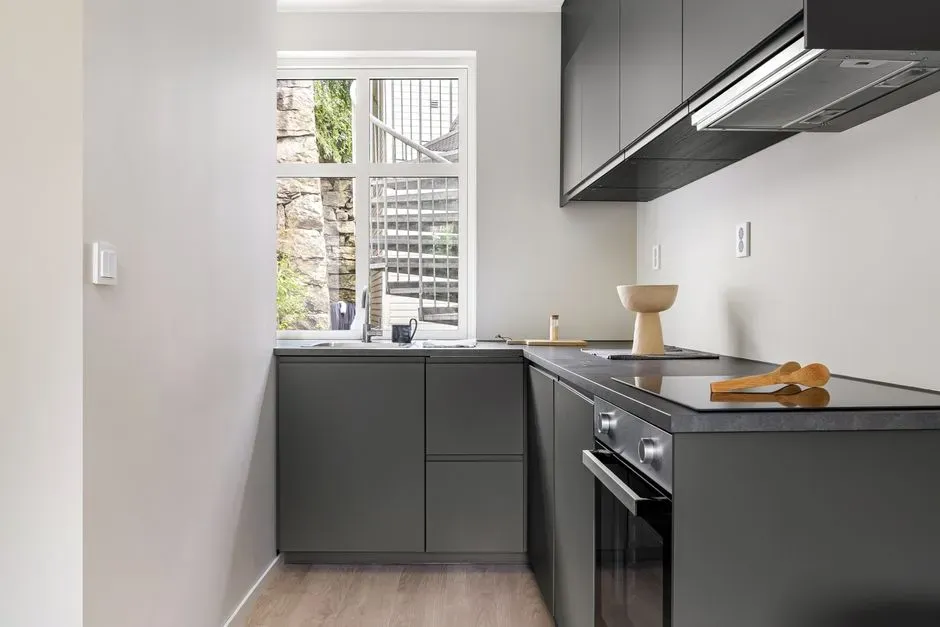
A kitchen that looks perfectly current today can feel dated within a few years if it was built purely around a passing trend. Contractors who work with wealthy clients often describe them as more interested in timeless materials and proportions than in whatever look is trending on social media that season.
A common remodeling mistake is only considering trendy designs for a home, rather than choices that will hold up over time. Homeowners who’ve renovated more than once tend to have learned this lesson already, favoring durability and classic lines over short-lived fads.
7. They never separate the finishes budget from the layout budget

7. They never separate the finishes budget from the layout budget (Image Credits: Unsplash)
It’s tempting to pour most of a budget into square footage and structural changes, leaving finishes as an afterthought. Experienced renovators know that’s backwards, since finishes are what people actually touch, see, and feel every day in a home.
Focusing heavily on layout while underestimating the importance of finishes is a common luxury remodeling mistake, since high-end finishes do far more than add visual appeal. Materials such as premium cabinetry, stone surfaces, custom millwork, and refined hardware all contribute to the final impression of a home, and swapping high-end materials for cheaper options becomes painfully obvious over time.
8. They never let design and construction teams work in isolation

8. They never let design and construction teams work in isolation (Image Credits: Pexels)
When architects, designers, and builders operate as separate silos, the finished product often drifts from the original vision. Miscommunication between teams is one of the most common reasons a beautifully designed plan doesn’t translate into a beautifully built space.
Separating the design process from the construction process is considered perhaps the most impactful of all luxury remodeling mistakes, since when architects, designers, and contractors work independently, communication gaps can form and the final results stray far from the original vision. Wealthy homeowners increasingly favor design-build firms specifically to avoid this disconnect.
9. They never overlook lighting as a secondary detail

9. They never overlook lighting as a secondary detail (Image Credits: Unsplash)
Lighting design is easy to treat as an afterthought, something to sort out once the walls and cabinets are finished. Designers who work on luxury projects say that’s a mistake, since lighting affects how every other element in a room actually reads.
Lighting is one of the most overlooked elements in renovations, and homeowners who skip planning it early often end up retrofitting fixtures into a layout that wasn’t designed around them. Affluent clients tend to bring lighting into the conversation at the same stage as floor plans, not after.
10. They never skip routine quality inspections during construction
10. They never skip routine quality inspections during construction (Image Credits: Pexels)
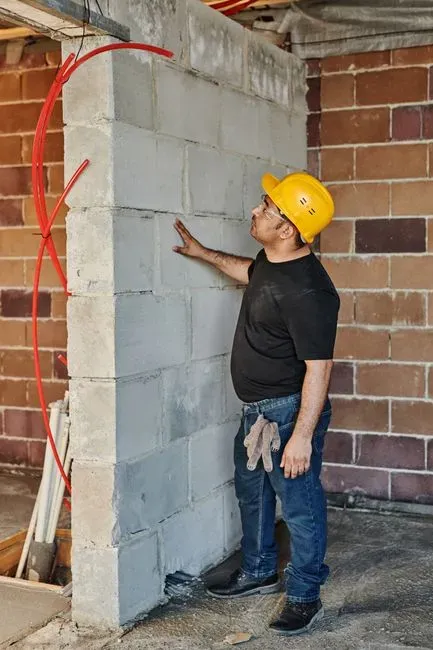
Even with a reputable team in place, wealthy homeowners rarely just hand over the keys and walk away until the reveal. They build in checkpoints, scheduled walkthroughs after demolition, framing, and installation of key fixtures, to catch issues while they’re still cheap to fix.
The cost of skipping this step can be steep. In one documented case, a luxury homeowner underwent a full-scale remodel but neglected proper quality checks, and by the end of the project, uneven stonework and improperly installed fixtures were discovered, costing an additional fifty thousand dollars to correct. That kind of expense is exactly what routine inspections are meant to prevent.
11. They never renovate wildly beyond the neighborhood

11. They never renovate wildly beyond the neighborhood (Image Credits: Unsplash)
There’s a difference between owning a beautiful home and owning a home so far above its surroundings that it becomes difficult to value or resell. Savvy owners generally calibrate their renovation ambitions to what the local market can actually support.
Buyers often compare homes within the same market, meaning over-improving a property beyond surrounding homes may make it harder to recover renovation costs, so balancing renovation choices with local market expectations often matters more than maximizing spending. This doesn’t mean holding back on quality. It means being deliberate about where the biggest investments actually go.
12. They never let communication with the contractor go quiet

12. They never let communication with the contractor go quiet (Image Credits: Pexels)
Long stretches without updates are one of the clearest early warning signs of a project heading off track. Homeowners who’ve been through renovations before tend to insist on regular check-ins, whether that’s a weekly call or a shared project log.
Inconsistent updates, unanswered questions, and vague timelines are signs of poor communication that can leave a homeowner feeling out of control, and when luxury projects require precise coordination, a lack of communication can lead to costly mistakes or delays. Staying engaged throughout, without micromanaging every decision, tends to be the balance experienced clients strike.
13. They never finance the project in a way that creates unnecessary risk

13. They never finance the project in a way that creates unnecessary risk (Image Credits: Pexels)
Financing choices matter just as much as design choices, even for homeowners who could technically pay cash. Contractors and lenders alike note that certain loan structures create headaches that have nothing to do with the actual construction work.
Most homeowners shouldn’t use a construction loan to finance a renovation, and even contractors dislike them since they require extensive paperwork and multiple inspections while the bank withholds a portion of the funds throughout the project. Affluent homeowners tend to structure financing well ahead of time, choosing options that keep cash flow predictable rather than tying it to a bank’s inspection schedule.
Across all thirteen habits, a common thread emerges. It isn’t about spending more. It’s about spending with intention, verifying details before they become expensive problems, and treating the renovation as a coordinated project rather than a series of disconnected decisions. That mindset, more than any particular finish or fixture, tends to be what separates a renovation that goes smoothly from one that doesn’t.