
Losing a parent is hard enough without a house attached to the grief. Yet for millions of adult children, that’s exactly the situation: a call from a hospital or a hospice, followed weeks later by a stack of paperwork, keys to a place full of memories, and a decision that nobody quite prepared them for.
Most articles about inheriting a home focus on the tax breaks and the windfall. What they leave out is messier: the paperwork delays, the sibling friction, the monthly bills that don’t stop just because someone died, and the quiet weight of deciding what to do with a lifetime of someone else’s belongings. This is the part of the story that rarely makes it into the glossy financial guides.
Probate takes longer than anyone expects

Probate takes longer than anyone expects (Image Credits: Unsplash)
Before a house can legally change hands, it usually has to pass through probate, the court process that validates the will, settles debts, and formally transfers title. Before siblings can sell, rent, or refinance an inherited house, the property usually must pass through probate, a court-supervised process that validates the will, pays the deceased’s debts, and formally transfers title to the heirs, and until it’s complete, heirs don’t have legal authority to close a sale or take out a new mortgage.
The timeline is rarely quick. How long probate takes depends on the estate’s complexity, whether anyone contests the will, and the backlog in local courts, with simple estates often wrapping up within six to twelve months while contested estates or those with significant debt can drag on much longer. That means an heir might be paying property taxes and insurance on a house they can’t legally sell for the better part of a year.
The tax break is real, but it isn't automatic

The tax break is real, but it isn't automatic (Image Credits: Pexels)
The most talked about benefit of inheriting property is the step-up in basis, and it genuinely is generous. When a person inherits assets, the IRS “steps up” the asset’s basis to its fair market value at the date of the original owner’s death, which affects capital gains taxes calculated on the difference between the sale price and that basis. In practical terms, decades of appreciation the parents never paid tax on simply disappears for the heir.
What people miss is that this benefit depends on documentation and timing that heirs often don’t handle correctly. Inherited property automatically receives long-term capital gains treatment regardless of how soon you sell it, meaning there’s no required twelve month holding period, and even an immediate sale gets long-term rates rather than short-term ordinary income rates. Without a solid appraisal near the date of death, though, heirs can end up guessing at a basis the IRS may later question.
Reverse mortgages turn inheritance into an ultimatum

Reverse mortgages turn inheritance into an ultimatum (Image Credits: Unsplash)
Not every inherited home comes free and clear. If a parent used a reverse mortgage to supplement retirement income, the debt doesn’t vanish at death. Reverse mortgages are not typically transferable to another individual, so heirs cannot assume the loan; they must either settle the debt or forfeit the property to the lender.
The clock starts ticking almost immediately. Once the bill due notice arrives, heirs generally have thirty days to respond, and if the money isn’t paid within six months after the person dies, the lender can begin foreclosure. For families who assumed the house was simply theirs to keep, that deadline pressure can be jarring, especially while they’re still grieving.
Property taxes can jump the moment the deed changes hands

Property taxes can jump the moment the deed changes hands (Image Credits: Unsplash)
In several states, the tax bill on an inherited home can rise sharply and immediately, catching families off guard. California is the clearest example. Prop 19 can trigger a major property-tax reassessment on inheritance, since the state largely eliminated the old parent-child exclusion for anything other than a primary residence the child will also use as their own, and even then only up to a set amount above the home’s assessed value.
The effect on rental or vacation properties inherited from a parent can be severe. Inherited non-primary residences are reassessed at market value, often adding five figures per year to the tax bill. Other states have their own quirks, so it’s worth checking local rules before assuming the old, lower tax bill will simply carry over.
An empty house is not a free house

An empty house is not a free house (Image Credits: Pexels)
Between the death and the eventual sale, someone has to keep the lights on, literally. Insurance, utilities, landscaping, and basic upkeep don’t pause for probate. Insurance, utilities, landscaping, property taxes, and home maintenance can easily cost a thousand dollars a month to keep an empty house running.
That number adds up fast when probate stretches past six months, and it often comes as a surprise to heirs who expected to inherit an asset, not a monthly bill. Skimping on upkeep carries its own risk too, since a neglected roof or a burst pipe can quietly erode the very equity the family is trying to preserve. Many families end up splitting these costs among siblings before a single decision about the house has even been made.
Siblings rarely agree on what "fair" means

Siblings rarely agree on what "fair" means (Image Credits: Unsplash)
When more than one child inherits a house, the property doesn’t come with instructions for how to share it. Siblings who jointly inherit become tenants in common, each with a legal right to possess and use the entire property regardless of their ownership share, which means no one sibling can prevent another from accessing the house or unilaterally decide to sell or lease it.
That structure sounds fair on paper, but it tends to produce gridlock. Research from Ameriprise found that while only a small share of grown siblings report conflicts over money, nearly seventy percent of those conflicts are related to their parents. A house is rarely just a house in these disputes. Deeper feelings of favoritism, neglect, or rivalry fuel many sibling inheritance conflicts, and a sibling who provided caregiving for a parent may feel entitled to more in recognition of their sacrifices.
Selling isn't as simple as listing it

Selling isn't as simple as listing it (Image Credits: Pexels)
Even when everyone agrees the house should be sold, getting there can be complicated if even one heir hesitates. Inherited property is most commonly divided between siblings by selling it and splitting the proceeds, since physically dividing residential real estate is often impractical or impossible.
When agreement breaks down entirely, the law does provide a way out, though it’s rarely pleasant. Partition actions can force a sale, allowing a co-owner to compel the sale or division of inherited property even if other siblings object. Courts don’t move quickly, and legal fees eat into the very proceeds everyone was hoping to split, so most families are better served working out a buyout or negotiated agreement long before things reach that point.
Nobody actually wants most of the belongings inside
Nobody actually wants most of the belongings inside (Image Credits: Unsplash)
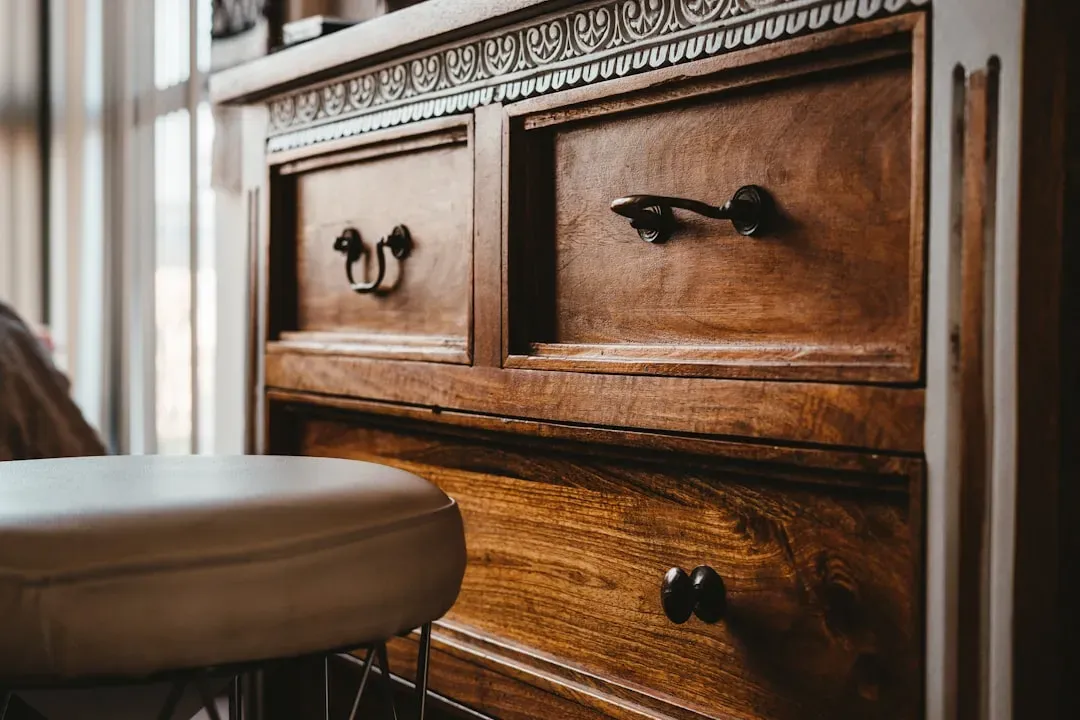
There’s a quiet myth that the furniture, china, and keepsakes inside a parent’s home carry real value. In most cases they don’t, at least not financial value, and the mismatch between sentimental attachment and market reality catches families off guard. Ongoing costs add up quickly, since storage units, junk removal, cleanout services, and extended timelines may result in thousands of dollars in out of pocket expenses, and when time is limited, items with real financial or sentimental value can get thrown away, donated, or overlooked entirely.
Clutter creates its own hidden risk too. Excess clutter can conceal maintenance issues or damage in the home that may not be discovered until heirs are preparing it for sale. By the time a family finally gets around to clearing decades of accumulated belongings, they’re often more focused on getting through the boxes than on maximizing what’s inside them.
Clearing out the house is its own kind of grief work

Clearing out the house is its own kind of grief work (Image Credits: Unsplash)
Sorting through a parent’s closet, drawers, and garage is rarely just a logistics problem. It’s an emotional one, and it tends to surface in ways people don’t anticipate until they’re standing in the middle of it. Cleaning out an elderly parent’s house can be both physically and emotionally taxing, though families don’t need to do it alone.
Grief doesn’t follow a schedule, and neither does the cleanout process. Cleaning out a relative’s house while grieving means learning to work through your own grieving process, and there isn’t a one size fits all strategy for coping, so being kind to yourself and taking breaks when needed matters as much as any organizational system. Families who rush the process to hit a sale deadline often regret it later, once the adrenaline of settling the estate wears off and the finality of an empty house sets in.
Renting it out sounds smart until it isn't
Renting it out sounds smart until it isn't (Image Credits: Pexels)
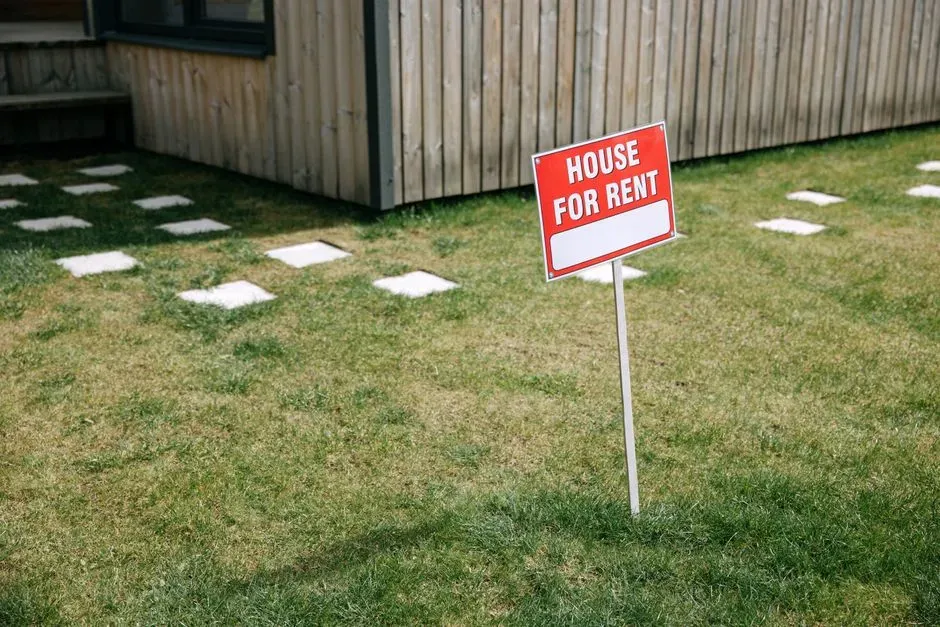
Faced with a paid-off house and no urgent need for cash, some heirs decide to become landlords instead of sellers. It can work, but it adds a layer of complexity that many underestimate going in. Renting requires unanimous cooperation among co-heirs, since one sibling generally cannot lease out a shared property without the consent of the others who hold an ownership stake alongside them.
It also locks in ongoing tax and management exposure long after probate closes. Property that gets rented rather than used as a primary residence typically loses favorable local tax treatment and exclusions available to owner occupants, and it puts heirs back in the business of tenant screening, repairs, and vacancy risk at exactly the moment they may be trying to simplify their lives, not complicate them further.
Weighing the whole picture before deciding

Weighing the whole picture before deciding (By Chief, National Guard Bureau, <a href="https://commons.wikimedia.org/w/index.php?curid=145251658" target="_blank" rel="noopener">CC BY 2.0</a>)
Inheriting a parent’s home is rarely the clean windfall it looks like from the outside. Between probate delays, tax quirks, debt obligations, sibling dynamics, and the sheer physical and emotional labor of clearing out a house, the process asks more of heirs than most expect going in.
None of this means the inheritance isn’t valuable, or that families should dread the process. It simply means going in with clear eyes, a realistic timeline, and an honest conversation among everyone involved tends to matter far more than any tax strategy. The house is rarely the hard part. What happens around it usually is.