
Turning 50 doesn’t flip a switch, but something does shift. Slowly, quietly, a collection of behaviors and decisions that once felt automatic start to feel more complicated. The things men used to do without a second thought begin to require a bit more negotiation with themselves.
Some of these changes are rooted in biology, others in culture, and some simply in the math of time. None of them are universal, and none are inevitable. Still, the patterns are real and worth understanding.
1. Taking Financial Risks

1. Taking Financial Risks (Image Credits: Unsplash)
Many studies have explored how risk attitudes change over the life course, consistently documenting a downward age profile of risk tolerance, with people becoming more risk averse as they age. For men over 50, this shift tends to feel especially acute when it comes to money. There's simply less time to recover from a bad bet.
Research finds that both general and domain-specific risk-taking propensity in the context of health, occupational, recreational, financial, and driving-related risks decreases with advanced age. What once felt like an exciting investment opportunity can start to look more like a threat to financial security in retirement. That instinct isn't irrational. It's calibrated.
2. Seeking Medical Help

2. Seeking Medical Help (Image Credits: Unsplash)
Data reported by UCLA Health has consistently shown that men are reluctant to seek medical care despite the fact they generally face higher mortality rates and shorter life expectancies than women across most causes of death. After 50, this reluctance doesn't always ease. In many cases, it grows more complicated. The issues men now face are more serious, but the old habit of waiting it out is harder to shake.
The stoic mentality often associated with masculinity can have adverse effects on men's health-seeking behavior. Men may downplay or dismiss symptoms, attributing them to temporary discomfort or fatigue. This stoic approach, while intended to demonstrate resilience, can lead to delayed diagnoses and the progression of potentially serious health conditions.
3. Talking About Their Mental Health
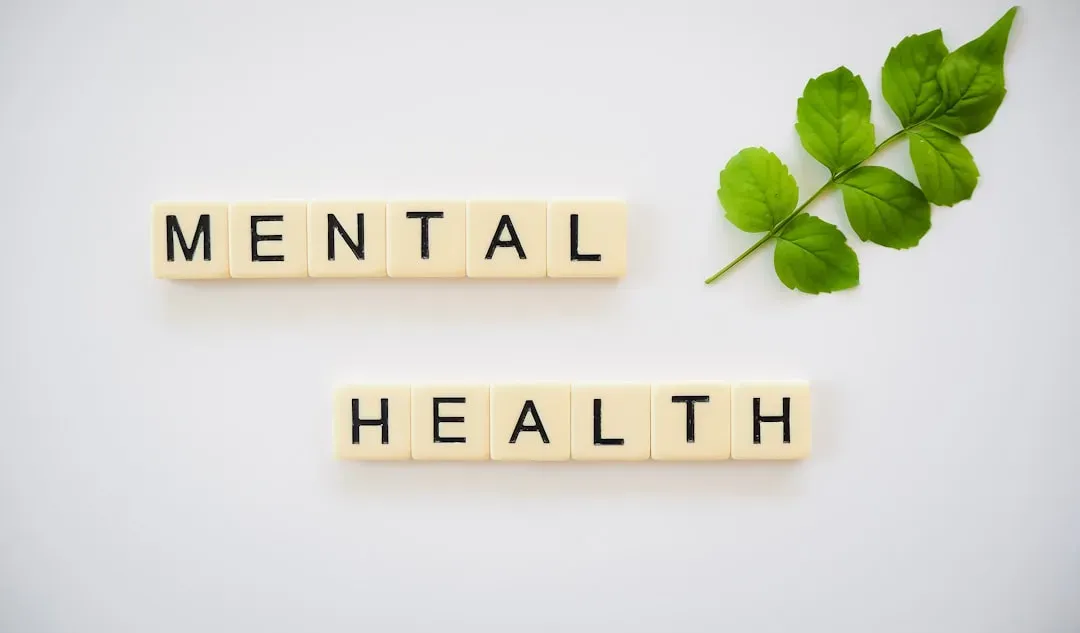
3. Talking About Their Mental Health (Image Credits: Unsplash)
Societal expectations and gender norms are particularly damaging for men over 50. Older generations have been raised to be stoic and self-reliant, and mental health was viewed as taboo and something to be kept privately within the family. This background conditioning doesn't simply disappear with age. If anything, it becomes more deeply embedded.
The fear of "being judged," "not knowing how to start a conversation," and believing they should be seen as a "strong figure" are among the main reasons men feel unable to talk about what's going on, which shows just how damaging gender stereotypes can be. The cost of that silence can be significant. Mental health conditions among older people are often underrecognized and undertreated, and the stigma surrounding these conditions can make people reluctant to seek help.
4. Making Bold Career Moves
4. Making Bold Career Moves (Image Credits: Unsplash)
Surveys show that roughly two in five men over 50 wish they had taken more career risks, and about one in five would love a second career doing something they truly enjoy. The hesitancy is understandable. Changing careers after 50 carries real stakes: pensions, health benefits, seniority, and professional identity are all on the line.
For many men, career success has been central to identity. The concern isn't about ego but about relevance and the growing suspicion that their best professional years are behind them. That fear can keep men anchored in roles they've long outgrown, trading growth for a kind of uncomfortable stability.
5. Making New Friends
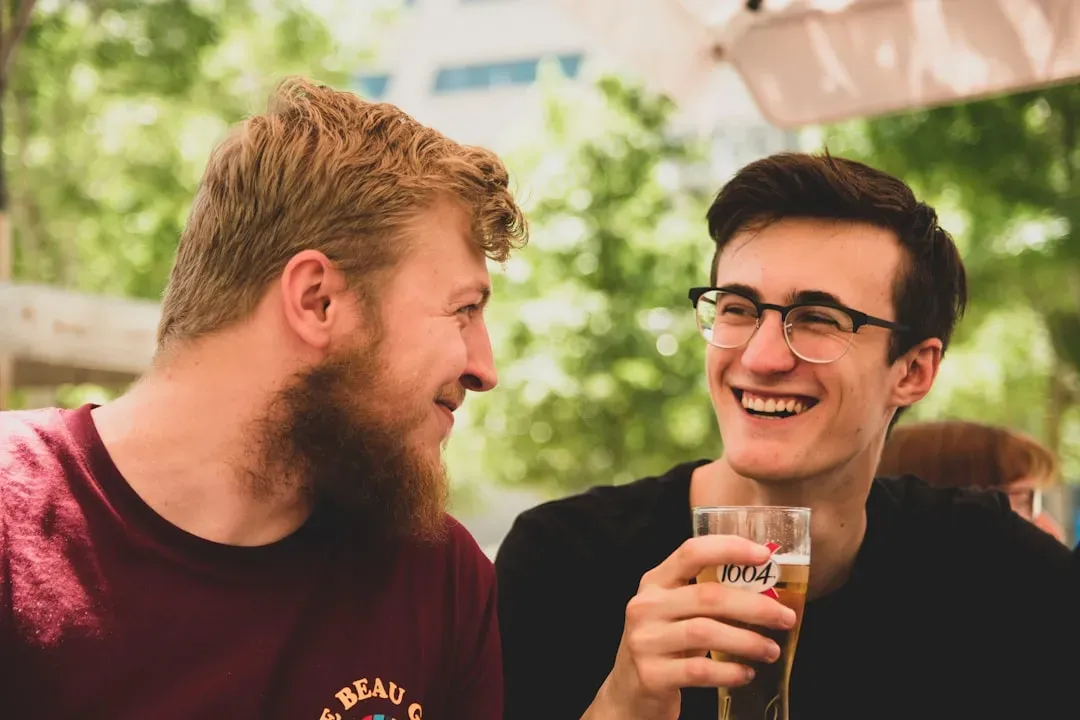
5. Making New Friends (Image Credits: Unsplash)
There is evidence that because of the link of employment to leisure activities, older men may be less socially confident to engage in new opportunities, which is compounded by alterations of perceived masculinity linked with ageing, thus complicating the transition to retirement. When the built-in social structure of a workplace disappears, many men find themselves unsure how to build new connections from scratch.
Many men find it harder to make new friends. Changes in work, retirement, and family dynamics can leave gaps in social circles. The hesitancy isn't indifference. It's that adult friendship, especially for men who relied on shared professional contexts, requires a kind of deliberate effort that feels unfamiliar. Men who relied heavily on spousal social coordination may find themselves lacking the skills or confidence to maintain friendships independently.
6. Expressing Emotional Vulnerability

6. Expressing Emotional Vulnerability (Image Credits: Pexels)
When exploring the reasons why men do not seek help for mental health issues, masculine norms such as being strong and in control are commonly cited. These traditional gender roles of masculinity, including stoicism and self-reliance, can lessen the likelihood of men seeking support. The same dynamic plays out in everyday emotional life, not just clinical settings. Saying "I'm struggling" can feel like admitting defeat.
These stereotypes promote a belief that vulnerability is a weakness, leading many to internalize their feelings rather than address them openly. The irony is that emotional openness tends to improve with age for men in theory, but the decades of conditioning around staying guarded can make vulnerability feel riskier, not easier, past 50.
7. Pushing Their Physical Limits
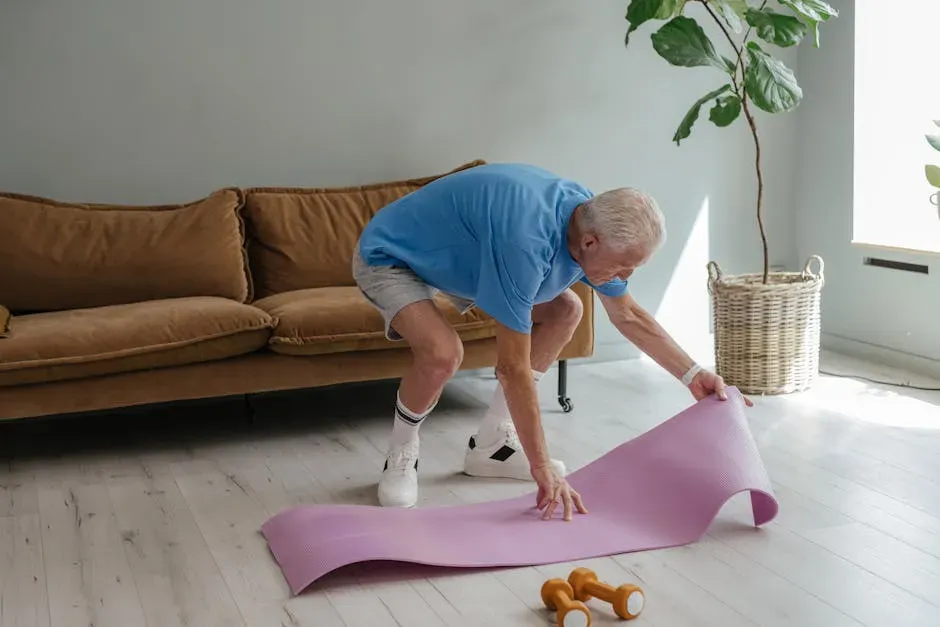
7. Pushing Their Physical Limits (Image Credits: Pexels)
There's a certain quiet grief many men feel when they realize the body doesn't recover the way it used to. Physical changes in midlife trigger intense psychological stress because they represent concrete evidence that time moves in only one direction. The response, for many, is to scale back rather than push through.
As you get older, especially passing the age of 50, there is reduced muscle movement. Men are known to do a lot of heavy lifting and tougher jobs, so muscles do become restricted over time. That physical reality is legitimate. The challenge is distinguishing genuine limits from fear-driven avoidance, because staying active after 50 carries its own significant benefits. Regular physical activity increases the chances of successful aging in older people, and physical activity lowers the risk of many chronic diseases and cognitive decline commonly associated with older age.
8. Embracing New Social Settings
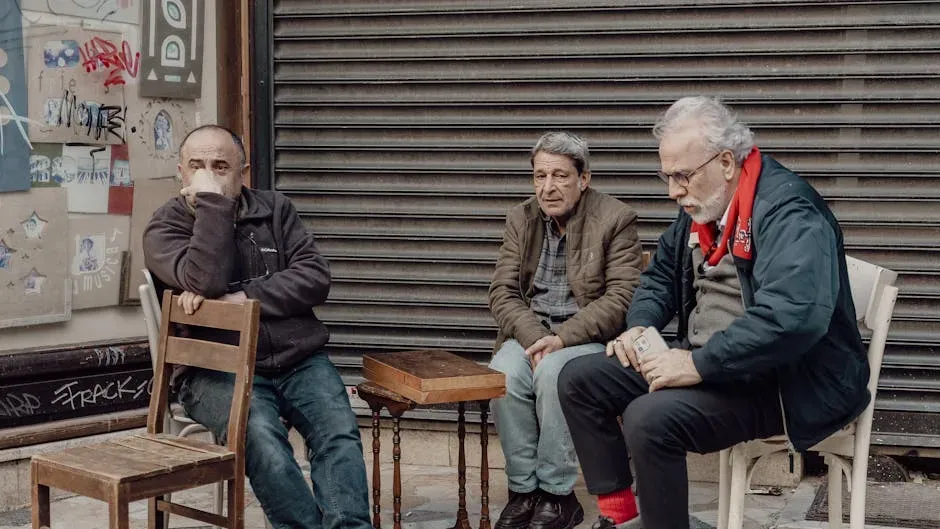
8. Embracing New Social Settings (Image Credits: Pexels)
Men crossing the fifty-year threshold frequently experience a psychological recalibration known as the positivity effect, a phenomenon documented by Stanford psychologist Laura Carstensen in her Socioemotional Selectivity Theory. This shifts cognitive processing to prioritize emotionally meaningful goals over expansive social networking. In plain terms, many men stop seeking out new or unfamiliar social environments and stick tightly to what feels safe and known.
Older adults may become more withdrawn, hesitant to initiate social interactions, or reluctant to participate in community activities. This isn't simply shyness. It's a measurable behavioral shift tied to how the aging brain begins to conserve social energy and prioritize depth over breadth in relationships. The tradeoff is that new experiences and connections get quietly crowded out.
9. Asking for Help or Directions

9. Asking for Help or Directions (Image Credits: Unsplash)
The reluctance to ask for help runs deep in many men, and it tends to intensify rather than soften with age. Fear of vulnerability, admitting to needing help, can be seen as a sign of weakness, which can be particularly challenging for men raised in a culture that emphasizes stoicism. This applies as much to practical, everyday situations as it does to serious medical or emotional ones.
Men have consistently been seen to have a greater reluctance to consult health professionals for health problems. This reinforces the presumption that men may often delay consultation for health-related problems, when medical conditions may become more advanced and potentially harder to treat. The same pride that once signaled competence can, after 50, become a genuine obstacle to getting the right support at the right time.
10. Being Spontaneous
10. Being Spontaneous (Image Credits: Pixabay)
Gradual testosterone decline and reduced reward sensitivity to novelty align with a lower appetite for risk, conflict, and performative socializing. One quiet casualty of this biological shift is spontaneity. The ability to say yes to something unplanned, to change course on a whim, starts to feel less appealing and more disruptive than it once did.
Personality changes in older adults can cause some to become more set in their ways due to the fear of change or cognitive rigidity. Their behavior might reflect a need for control at a time when they feel that everything else in their life is uncertain. Routine becomes armor. It's not laziness. It's a way of managing a world that increasingly feels less controllable.
11. Starting Something Completely New

11. Starting Something Completely New (Image Credits: Pixabay)
There's a particular hesitancy that settles in around the idea of being a beginner again. Starting a new hobby, a new business, or learning a new skill carries a social vulnerability that feels different at 52 than it did at 32. The stakes around looking foolish feel higher, even when they aren't.
When movement or energy becomes limited, some older adults may feel hesitant to explore new experiences. This isn't only physical. The mental habit of sticking to established competencies can be just as limiting. Research suggests that willingness to take risks declines with age, implying that as populations age, societies themselves may become more risk averse. That same principle plays out at the individual level, quietly narrowing the horizon of what feels worth attempting.
12. Socializing Frequently

12. Socializing Frequently (Image Credits: Pexels)
Women were also more likely to socialize with friends than men overall. Roughly eight in ten women socialize at least a few times a week versus about seven in ten among men. The gap widens after 50 as social circles naturally contract. Retirement removes a major social scaffold, health concerns can limit mobility, and the emotional energy required for frequent socializing simply feels less available than it once did.
Social isolation and loneliness, which affect about a quarter of older people, are key risk factors for mental health conditions in later life. The hesitancy to socialize often compounds quietly. Less social contact means fewer opportunities to stay practiced at it, which makes the next social interaction feel slightly more daunting. Seven in ten older adults who socialize at least a few times a week report being in excellent or very good mental health, while these positive assessments drop among older adults who socialize less frequently.
13. Discussing Regrets or Life Disappointments
13. Discussing Regrets or Life Disappointments (Image Credits: Unsplash)
At older ages, mental health is shaped not only by physical and social environments but also by the cumulative impacts of earlier life experiences and specific stressors related to ageing. Exposure to adversity, significant loss in intrinsic capacity, and a decline in functional ability can all result in psychological distress. Regrets become more present after 50, not less. The missed opportunities, the roads not taken, the relationships that frayed. Many men find those topics among the hardest to voice.
Men can be guilty of bottling things up, and this can escalate, with those around them not always knowing they are going through a difficult period. There's something almost paradoxical about it. The older a man gets, the more material he has for honest reflection. Yet the cultural conditioning against discussing disappointment, failure, or regret often becomes more entrenched with time, not less. The weight of the unspoken can be heavier than the thing itself.
What's consistent across all 13 of these patterns is that none of them are fixed. They reflect pressures, both cultural and biological, that have names and explanations. Recognizing them for what they are is usually where things start to move. The positivity effect that emerges in midlife is real, steering older men toward what genuinely matters over what merely looks good. The challenge is making sure hesitancy doesn't quietly shrink that circle before a man has had a chance to decide what belongs inside it.