
Leaving your child in someone else’s care is one of the biggest leaps of trust a parent takes. Most of the time, it works out fine. But the reality is that problems inside daycare settings are more common than many families realize, and they don’t always announce themselves in obvious ways. Some show up slowly, through small shifts in a child’s mood or a caregiver’s odd response to a simple question.
Knowing what to look for matters. While state regulations and safety protocols exist to protect children, not all issues are immediately visible. Subtle red flags, such as behavioral changes in a child or inconsistencies in staff explanations, can indicate deeper problems. The five warning signs below deserve serious attention from any parent.
1. Unexplained Injuries That Staff Can't Account For
1. Unexplained Injuries That Staff Can't Account For (Image Credits: Unsplash)
Unexplained injuries are among the clearest signs of trouble. While it is common for children playing together to get the occasional cut or scrape, if you see your child regularly come home with bruises, scratches, or other injuries, it could be a sign that your child's safety is not prioritized, or worse, they are being abused at the daycare. The pattern matters as much as any single incident.
When questioned about a bruise, bump, or scrape, a caregiver should have a ready explanation that meshes with your child's response. Changing, conflicting, or unconvincing answers should raise immediate concern, as should an inability to provide any answer about how an injury happened. A caregiver who fumbles through inconsistent explanations is not someone who was paying close attention to the children in their care.
2. Your Child Shows Sudden, Unexplained Behavioral Changes

2. Your Child Shows Sudden, Unexplained Behavioral Changes (Image Credits: Pexels)
Common signs of daycare abuse or neglect include unexplained bruises or injuries, excessive crying, bed-wetting, thumb-sucking, and other regressive behaviors that indicate emotional or physical distress. Children who have experienced abuse may also become unusually fearful, withdraw into their own world, or exhibit anger, especially around specific daycare workers. These shifts can appear quickly and feel confusing to parents who don't know what triggered them.
If you notice your toddler suddenly doesn't want to go to daycare or significant changes in their actions at home, it can indicate something is upsetting them at daycare. If your child starts exhibiting new, unhealthy behaviors after enrolling in a new daycare center, you might want to look into why. Children rarely have the language to explain what's wrong, but their behavior tends to say it clearly enough.
3. Staff Actively Discourage or Restrict Unannounced Parent Visits

3. Staff Actively Discourage or Restrict Unannounced Parent Visits (Image Credits: Unsplash)
Reputable daycare centers often allow parents to visit unannounced during operational hours. This level of transparency helps deter misconduct and builds trust between the facility and families. A center that discourages drop-ins, invents scheduling reasons to keep parents out, or redirects visits through elaborate procedures should raise immediate concern. Transparency is not a policy preference in quality childcare – it's a baseline expectation.
A responsible daycare should welcome questions and provide transparent explanations regarding safety measures, disciplinary policies, and incident reporting procedures. If staff members seem dismissive, defensive, or inconsistent in their responses, this could indicate deeper problems within the facility. Trust your gut when a facility feels more like a closed institution than an open, child-centered environment. This is the red flag most worth acting on immediately, because restricted access removes the one mechanism parents have to verify their child's safety firsthand.
4. Chronically High Staff Turnover

4. Chronically High Staff Turnover (Image Credits: Pexels)
In 2022, turnover in childcare work was about 65 percent higher than in a typical job. That context is important to keep in mind, because some turnover in this field is genuinely systemic and not always a reflection of a specific facility's failure. Still, a daycare where familiar faces keep disappearing at a rapid rate is worth scrutinizing closely.
Permanent and experienced staff may be more likely to question unsafe practices, raise concerns about another educator's unusual behaviour, or notice a child is acting out of character. Frequently departing staff members may be another indication that the facility is mismanaged. When a center can't hold onto its people, children lose the consistent caregivers they rely on for emotional security, and management oversight tends to weaken along with it.
5. Dangerously High Child-to-Staff Ratios
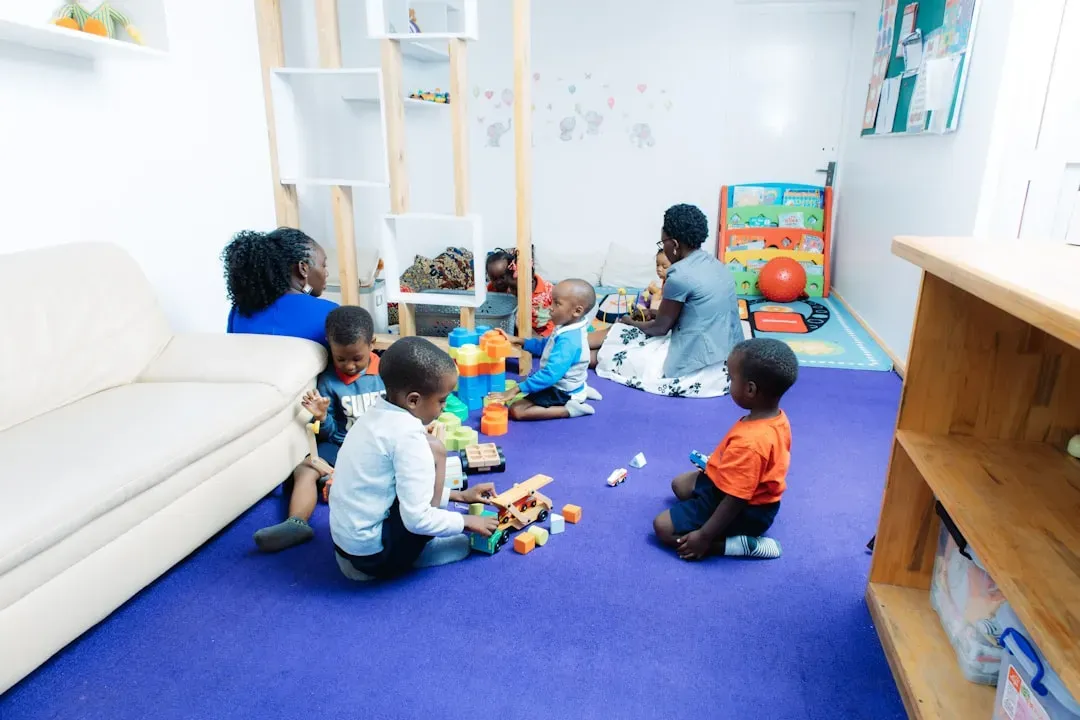
5. Dangerously High Child-to-Staff Ratios (Image Credits: Unsplash)
Staff-to-child ratios are one of the most important quality indicators in childcare. Staff-to-child ratios determine how many children each caregiver is responsible for. Lower ratios mean more individual attention, quicker response to needs, and generally higher quality care. When a room feels visibly overstuffed, or when one overwhelmed adult is clearly managing far more children than is reasonable, safety margins collapse fast.
If one caregiver is responsible for four infants, each baby gets about 15 minutes of direct interaction per hour. With six infants, that drops to 10 minutes. With eight infants, it's 7 to 8 minutes. Research consistently shows that lower ratios produce better developmental outcomes, especially for infants and toddlers. If the numbers you see on any given day don't match what the facility promised or what your state requires, that discrepancy is worth documenting and reporting.
Most daycare experiences are uneventful in the best possible way. Children grow, staff become familiar, and trust builds gradually over time. But the warning signs above exist precisely because problems can hide behind a routine that feels normal on the surface. Parental instincts often detect warning signs before clear evidence emerges, making it essential to trust and act on them. Ignoring gut feelings could mean overlooking potential risks that could impact a child's well-being. When something feels off, asking questions directly and visiting unannounced is always the right move – and pulling your child out is never an overreaction when their safety is genuinely in question.