
Every family has a version of that moment: grandma says something that makes the whole room go quiet, except for a ten-year-old who stifles a laugh. The language gap between boomer grandparents and their grandchildren is real, and it runs deeper than most people expect. If you have a close-knit family or consistent intergenerational contact, you’ve already felt this disconnect between the way baby boomers express themselves and the way younger people do.
A phrase that sounded harmless or even polite decades ago can come across as judgmental or tone-deaf today. Most of the time, boomers aren’t meaning any harm – they’re simply repeating things they’ve heard their entire lives. The trouble is, kids hear those same words through an entirely different filter, shaped by a world their grandparents barely recognize.
"In My Day…" – The Phrase That Immediately Divides the Room

"In My Day…" – The Phrase That Immediately Divides the Room (Image Credits: Pexels)
“In my day…” is one of the most common phrases likely to disconnect boomers from younger generations. The moment those words land, young listeners tend to brace themselves for a comparison they didn’t ask for. It signals nostalgia for a time the grandchild never lived through, making the rest of the sentence feel irrelevant before it’s even finished.
Instead of starting conversations with “In my day…,” more inclusive language that acknowledges generational differences without passing judgment works much better – something like “I’m curious about your perspective on…” can create dialogue that bridges the gap rather than widening it. The shift is subtle, but kids feel the difference immediately.
"You'll Understand When You're Older" – Dismissing Without Realizing It

"You'll Understand When You're Older" – Dismissing Without Realizing It (Image Credits: Unsplash)
“You’ll understand when you’re older” might feel like a solid piece of advice from a boomer who remembers what it was like to be young, but for younger generations it often comes across as unnecessarily dismissive and condescending. It essentially tells a child that their current experience and thinking don’t count, which isn’t the message any grandparent is trying to send.
Whenever this kind of phrase comes out, younger generations feel defeated. To boomers, it’s often meant as encouragement – toughen up, keep moving – but to younger people it communicates one thing: your feelings aren’t valid. That’s a significant emotional gap for what’s meant to be a casual comment.
"Don't Touch That Dial" – A Relic of Analog Television
"Don't Touch That Dial" – A Relic of Analog Television (Image Credits: Unsplash)
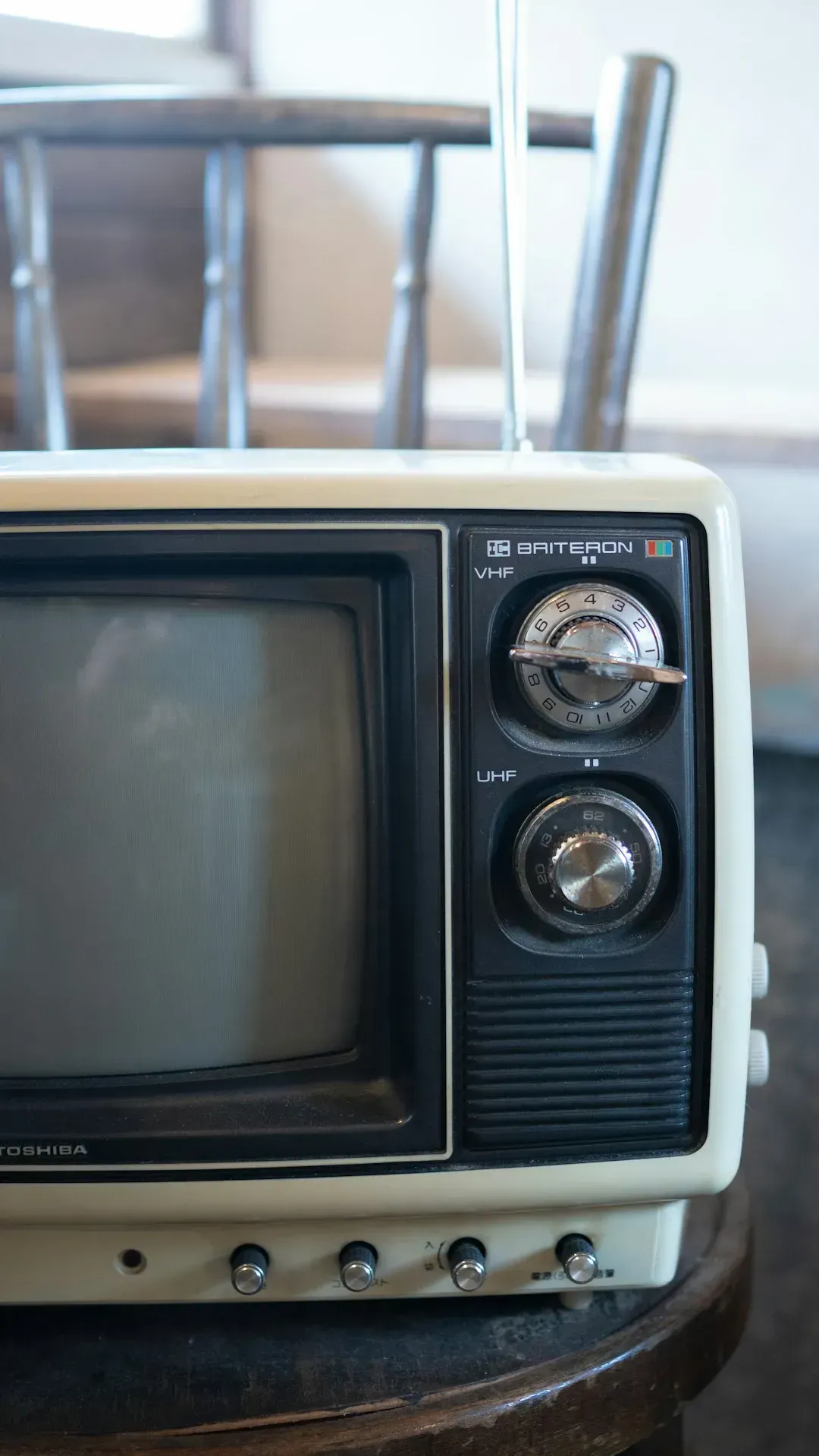
“Don’t touch that dial” originated from the early days of radio and television, when changing a station meant physically turning a dial. Broadcasters used it to keep listeners from changing the channel during commercial breaks. In today’s era of digital and on-demand media, where a swipe or click changes the channel, the phrase is completely out of place.
The phrase harks back to a time when televisions had physical dials to change channels. Today’s digital age, with remotes and streaming, makes it sound obsolete. Younger generations who grew up with button-operated devices might not even recognize a TV with a dial. When a grandparent says it during a Netflix session, kids tend to just stare blankly.
"Just Walk It Off" – The Emotional Mismatch

"Just Walk It Off" – The Emotional Mismatch (Image Credits: Pixabay)
Phrases like “just walk it off” are ones that young people have regularly heard from boomers. While there’s a line between centering someone’s emotions and completely avoiding them, these kinds of phrases often trigger younger generations immediately. They grew up in a culture where speaking about hurt, emotions, and mental health was far less stigmatized.
Modern generations are far more open about mental health, trauma, emotional intelligence, and boundaries. They see emotional awareness as strength, not weakness. Calling someone “too sensitive” or telling them to walk it off feels dismissive and emotionally minimizing. A grandchild who opens up about anxiety doesn’t want to be told to shake it.
"Groovy" and "Far Out" – The Counterculture Vocabulary That Didn't Travel Forward

"Groovy" and "Far Out" – The Counterculture Vocabulary That Didn't Travel Forward (Image Credits: Pexels)
“Groovy” is a term that once embodied the spirit of the sixties and seventies – peace, love, and all things psychedelic. As we moved into the digital age, this phrase quickly fell out of fashion. Baby boomer slang like “groovy” and “far out” was rooted in the peace-and-love counterculture of that era. Kids today mostly encounter these words in old movies.
For boomers, the top slang term they’d most like to bring back is “far out.” That nostalgia is understandable, but to a ten-year-old it reads as either ironic or simply confusing. Slang is more than casual language – it reflects the culture, technology, and identity of each generation. When those cultural reference points don’t overlap, the words stop working.
"You Kids Have It So Easy These Days" – The Comparison That Stings
"You Kids Have It So Easy These Days" – The Comparison That Stings (Image Credits: Pexels)
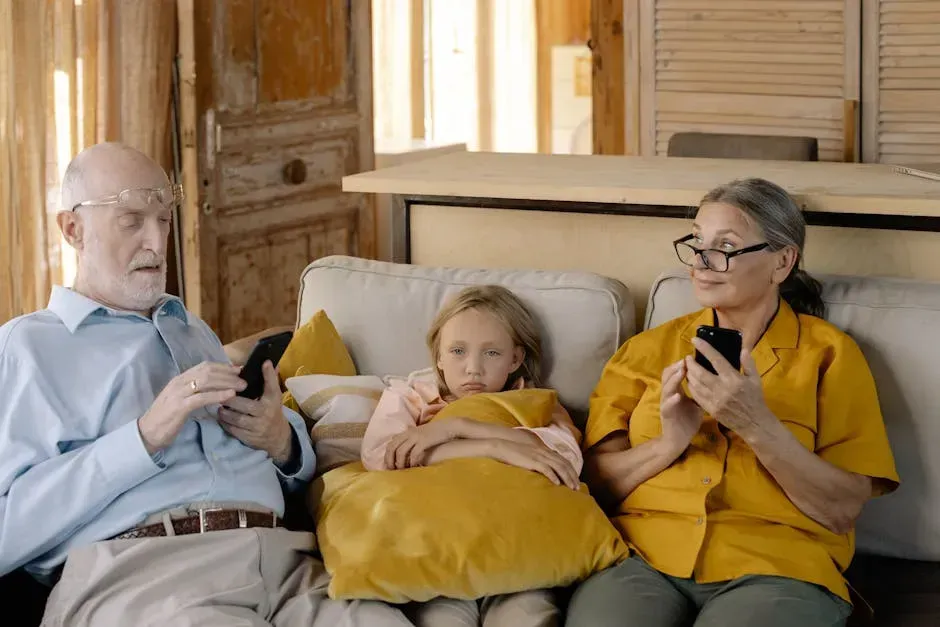
This phrase isn’t just nostalgic. Younger generations often hear it as a way of saying: “Your struggles don’t matter because I had it harder.” Even if that’s not the intention, it immediately sets up a comparison – one where the younger person will almost always lose. No child wants to feel like their difficulties are being ranked against someone else’s.
It’s an easy phrase to fall back on, especially when confronted with the incredible advancements and conveniences of the modern world. To boomers, “real responsibilities” might mean traditional life milestones, but the world has shifted. Younger generations face different challenges entirely. When older people downplay them, it feels like their struggles are being erased.
"Give Me a Shout" – Communication That Got Lost in Translation

"Give Me a Shout" – Communication That Got Lost in Translation (Image Credits: Unsplash)
“Give me a shout” is a phrase younger generations can’t help but think of as outdated. Especially with an influx of online slang and language that moves and cycles faster with every passing day, they can’t fathom using this phrase – let alone understand what it means. It’s simply a way to remind someone to get in contact, even if the mode of communication looks entirely different for young people today.
The world grandkids live in is one of voice notes, DMs, group chats, and disappearing stories. Language evolves, context shifts, and what once made perfect sense now sounds outdated or even tone-deaf. Understanding these differences can help bridge the gap and reduce frustration on both sides. A simple “text me” goes a lot further these days.
"That's How It's Always Been Done" – The Phrase That Closes Doors
"That's How It's Always Been Done" – The Phrase That Closes Doors (Image Credits: Pexels)
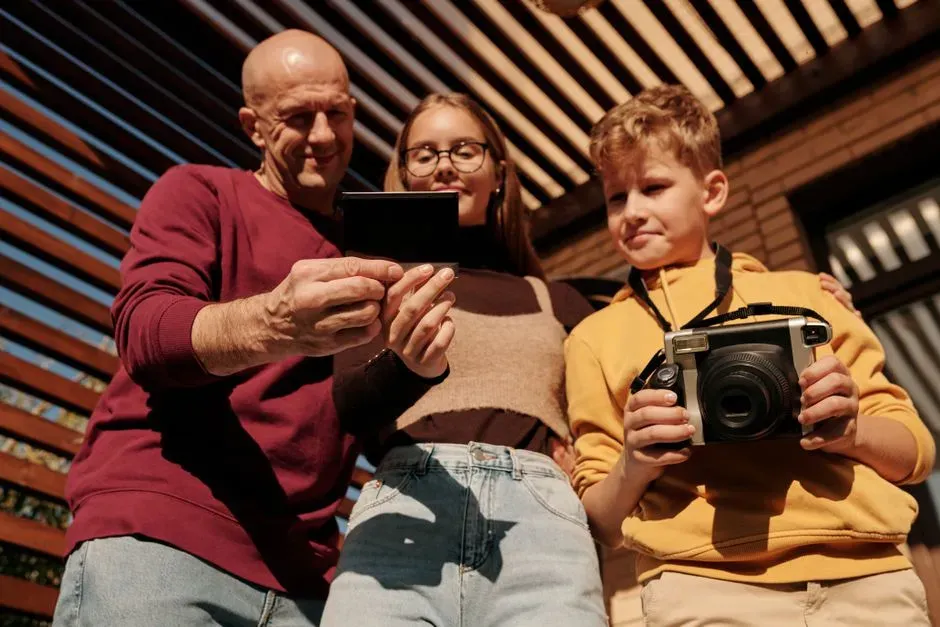
This phrase is often used as a final sentence – no further discussion, no questioning, no progress. To younger generations, who grew up during rapid technological, cultural, and social shifts, “that’s how it’s always been” sounds like a refusal to evolve. In many cases, it’s used to justify outdated norms or behaviors that younger people are no longer willing to accept.
The phrase “that’s not how we used to do it” can be a roadblock in connecting with younger generations. While it might seem like a harmless comment on the surface, it can inadvertently suggest that the old ways are superior. Kids who are constantly navigating a fast-changing world hear this kind of phrasing and feel like their reality is being ignored.
Why the Gap Feels Wider Than Ever
Why the Gap Feels Wider Than Ever (Image Credits: Pexels)
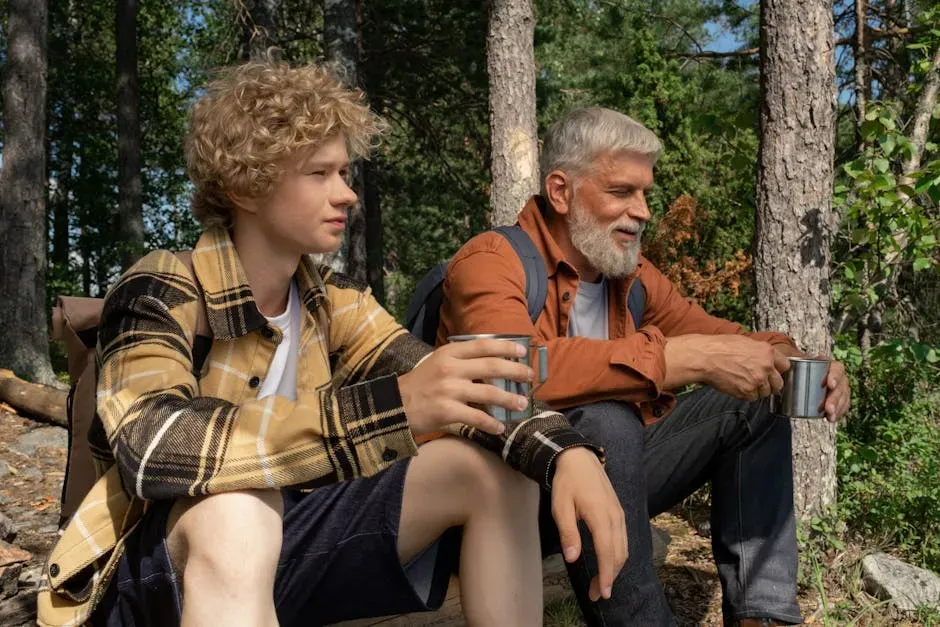
More than half of baby boomers say they’re not always sure what their grandchildren are saying, yet they’re willing to learn in order to strengthen the bond. Both boomers and Gen X ask younger relatives to explain popular new slang. The goodwill is clearly there on both sides. The gap is a product of genuinely different worlds, not indifference.
Nearly a third of Gen X workers admit difficulty understanding their younger coworkers, while almost a quarter of Gen Z workers admit they often struggle to understand their older coworkers. That dynamic plays out just as visibly at the holiday dinner table. These phrases reveal more than just linguistic differences – they highlight fundamental shifts in how different generations view work, success, and life itself.
What Happens When Language Lands Wrong

What Happens When Language Lands Wrong (Image Credits: Pexels)
Most boomers don’t use these phrases to be rude. They use them because language sticks – we repeat what we grew up hearing. As society evolves, the emotional impact of these phrases evolves too. That’s not anyone’s fault, but it does require a little awareness to navigate well.
Younger generations aren’t being dramatic – they’re responding to a world where emotional intelligence, inclusivity, and mental health carry far more weight. With a little awareness, communication between generations can shift from defensive to understanding, from dismissive to respectful, and from frustrating to genuinely meaningful. That shift doesn’t require giving up your vocabulary entirely. It just takes listening as carefully as you speak.