
There’s a particular kind of nostalgia that hits differently when you compare childhood photos from the ’80s to what modern parenting looks like today. The differences aren’t just aesthetic. The whole philosophy behind raising kids was different, less managed, less monitored, and in some ways, just a lot more relaxed. Some of it was genuinely wonderful. Some of it, in hindsight, was probably not great. Most of it was simply what everyone did at the time.
If you were a child in that decade, chances are you experienced at least a handful of these moments firsthand. They were so ordinary then that they barely registered. Today, some of them would raise eyebrows, generate a heated social media thread, or prompt a wellness check from a neighbor. Here’s a look back at twelve parenting moments that were completely routine for anyone who grew up in the ’80s.
1. "Be Home Before the Streetlights Come On"

1. "Be Home Before the Streetlights Come On" (Image Credits: Unsplash)
Autonomy was a defining feature of childhood in the ’80s. It was an era when, just before the door slammed behind you heading out, you heard a parent yell to be back by dinner, or maybe even before dark. That was the full extent of the safety briefing. No phone numbers exchanged, no GPS, no check-ins.
After school and on weekends, kids would disappear into the neighborhood with their bikes and friends, creating elaborate games and exploring. Parents had absolutely no way to contact them. No cell phones, no GPS tracking, no scheduled check-ins. Just pure, unsupervised exploration. For most families, this wasn’t considered neglect. It was just Tuesday.
2. Walking to School Alone from a Very Young Age
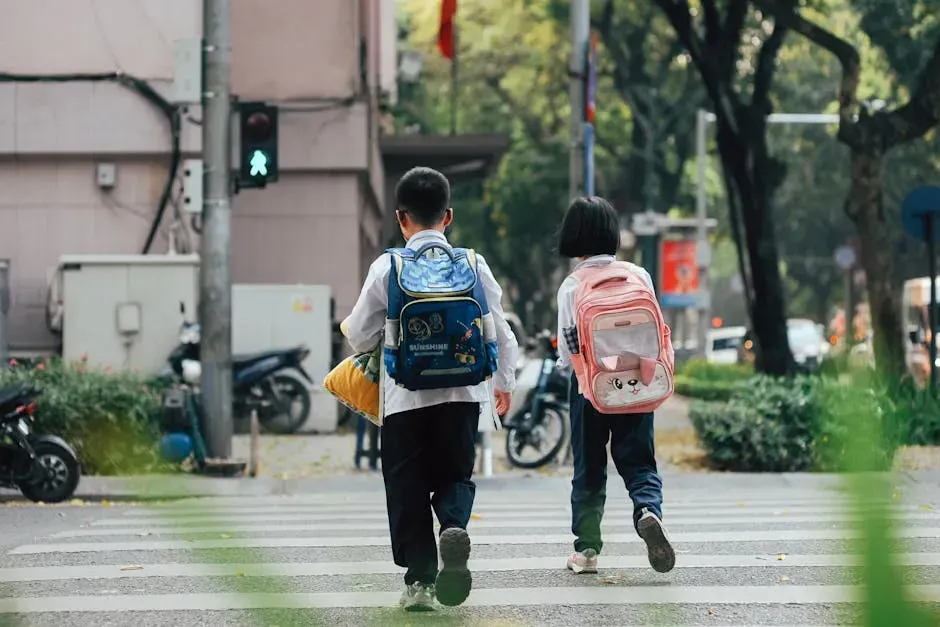
2. Walking to School Alone from a Very Young Age (Image Credits: Pexels)
Starting in kindergarten, lots of kids walked to school by themselves or with other neighborhood kids. No adults, no organized walking groups, just a bunch of six-year-olds navigating traffic on their own. A mile-long walk in rain or shine was considered perfectly normal childhood preparation for the day ahead.
These days, the pickup line at elementary schools is legendary for its length. Parents who let their kids walk alone often make the news, and not in a good way. The contrast with the ’80s couldn’t be more stark, and it says something interesting about how much the perceived risk around childhood independence has shifted.
3. Riding in the Car Without a Proper Seat Belt

3. Riding in the Car Without a Proper Seat Belt (Image Credits: Unsplash)
If you grew up in the 1980s, you probably remember kids bouncing around station wagons, sharing lap belts, or riding in the front seat like it was no big deal. Babies were sometimes carried on an adult’s lap. Toddlers graduated out of restraints far too early by today’s standards. Nobody really thought much of it.
Now we know that proper car seats reduce the risk of injury by up to roughly four-fifths compared to riding unrestrained. Parents’ main safety device back then was throwing their arm across kids when they braked hard. That parental arm-across-the-chest move was, for a generation of children, the closest thing to a safety system they knew.
4. Being Left in the Car While Parents Ran Errands

4. Being Left in the Car While Parents Ran Errands (Image Credits: Pexels)
In the 1980s, many parents thought nothing of leaving a child in the car for “just a minute” while they ran into the bank, pharmacy, or convenience store. The logic was simple: the errand was quick, the doors were locked, and the child could sit tight. In many suburbs, this was treated as routine rather than reckless.
These days, leaving a child alone in a car for even two minutes might get your vehicle surrounded by concerned citizens ready to break your window, followed by police involvement. What was once a normal part of errands has become one of the most vilified parenting decisions possible. The shift reflects both changing laws and a genuine increase in public awareness about heat-related risks inside parked vehicles.
5. The "Figure It Out Yourself" Approach to Boredom
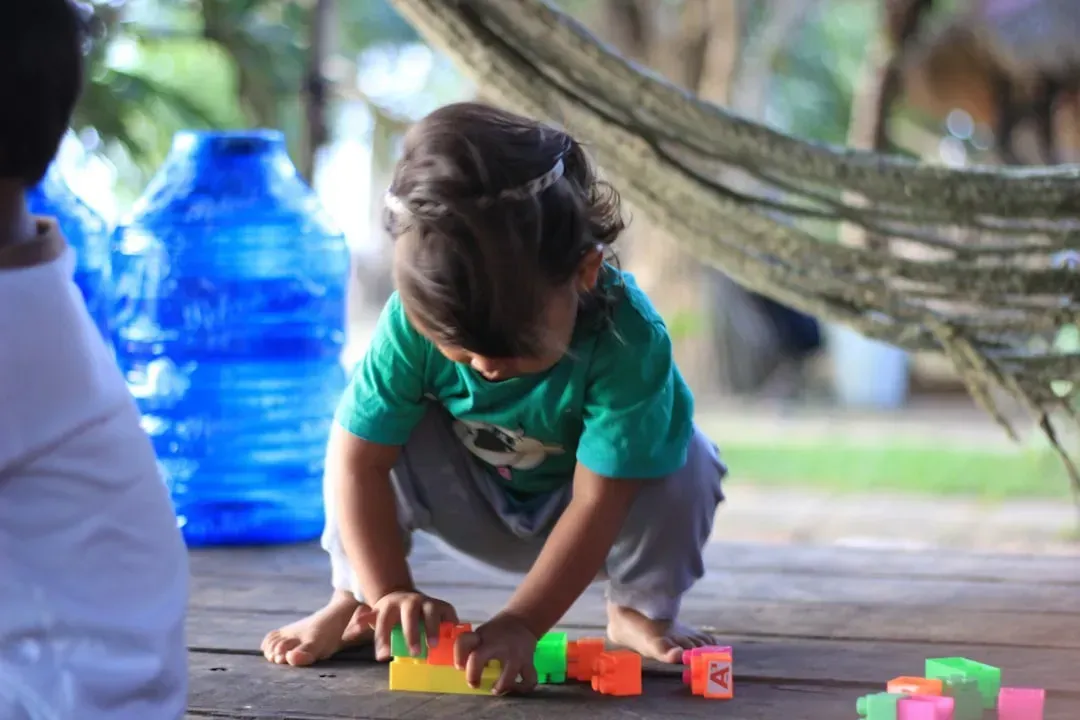
5. The "Figure It Out Yourself" Approach to Boredom (Image Credits: Unsplash)
The ’80s were full of busy grown-ups who almost always pushed back when kids asked for help. Whether it was how to use a hair dryer, an iron, or a stove, kids often figured it out relatively unscathed. Complaining about having nothing to do was met with a shrug or, at best, a suggestion to go outside.
Kids get bored, and that was considered okay. Children and adults alike could undoubtedly use more unscheduled time to relax, pursue passions without pressure, and make more room for wellness and mindfulness. According to research cited by Vox, unstructured playtime for children has decreased by roughly a quarter since the 1980s, with the freedom to explore, make mistakes, and navigate the world independently replaced by scheduled playdates and constant supervision.
6. Doing Real Household Chores from a Young Age
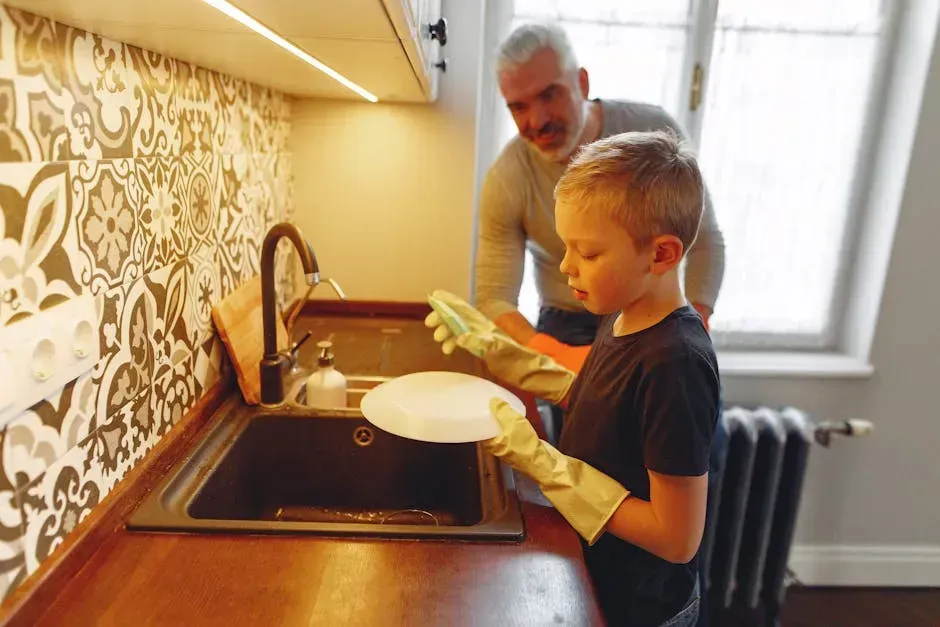
6. Doing Real Household Chores from a Young Age (Image Credits: Pexels)
For kids of the ’80s, everyday tasks and mundane chores were just something children did. It allowed opportunities to gain confidence through the practice of regularly figuring things out on their own. Mowing the lawn, washing dishes, babysitting younger siblings, all of these were standard expectations before a child reached their teens.
Kids as young as five or six could be latchkey kids, and kids any older were often given responsibility for looking after younger siblings. Even official babysitting jobs could start around age eleven, or sometimes even younger. The assumption was that responsibility built character, and most parents didn’t lose much sleep worrying about whether that was developmentally appropriate.
7. Secondhand Smoke as a Constant Presence

7. Secondhand Smoke as a Constant Presence (Image Credits: Unsplash)
Throughout the 1980s, smoking around children was widely normalized, even inside homes, cars, schools, and hospitals. Many adults believed that cracking a window or smoking in another room reduced harm, as public awareness of secondhand smoke risks was limited. Anti-smoking regulations were minimal, and tobacco advertising rarely mentioned health consequences for children.
Parents smoked in the car with the windows barely cracked, in restaurants while children were eating, and in the house all winter long. Nobody thought twice about it or asked if you minded. Later medical research revealed that passive smoke exposure significantly increased childhood asthma, respiratory infections, ear problems, and sudden infant death syndrome.
8. Riding Bikes and Skateboards Without Helmets
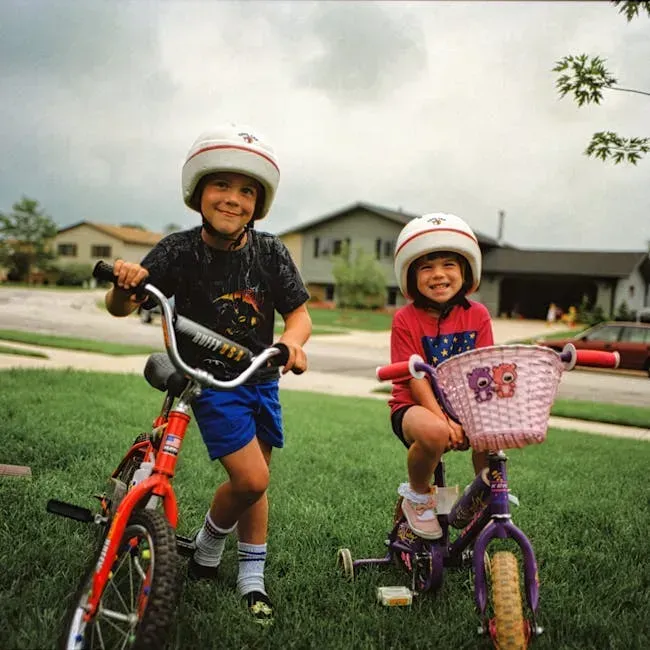
8. Riding Bikes and Skateboards Without Helmets (Image Credits: Pexels)
The 1980s were full of kids on bikes without helmets, in cars without seat belts, and on skateboards with no pads in sight. Parents often treated scraped knees and concussions as part of growing up. Protective gear existed, but wearing it was the exception rather than the norm in most neighborhoods.
Modern parents wouldn’t dream of letting their child on even a tricycle without proper head protection and safety gear. Bike helmets are non-negotiable today, and the freedom to feel the wind in your hair while speeding down a hill is now reserved for rebellious moments out of parental sight. The cultural shift has been so complete that it’s easy to forget how recently things were different.
9. Playing on Dangerously Fun Playground Equipment

9. Playing on Dangerously Fun Playground Equipment (Image Credits: Unsplash)
Metal slides could give you third-degree burns in summer. Merry-go-rounds launched kids into orbit. Seesaws were basically catapults in disguise. Everything was built over concrete or packed dirt. The playground at many elementary schools had massive wooden structures full of splinters, with gaps big enough for kids to fall through.
Kids get hurt. It happens all the time. Kids also heal, and usually pretty quickly. That was essentially the operating philosophy. Modern playgrounds are designed with rubber padding, rounded edges, and strict fall-zone calculations. They’re safer, certainly. They’re also, many ’80s kids would argue, a little less thrilling.
10. Strict Parent Boundaries and "Don't Interrupt Adults"

10. Strict Parent Boundaries and "Don't Interrupt Adults" (Image Credits: Unsplash)
When parents were growing up in that era, parents had boundaries. Serious boundaries. When the door was closed, you didn’t open it unless it was an emergency, and even then, you knocked first. Children were expected to occupy their own space and not drift into adult conversations uninvited.
If adults were talking, you were lucky to be allowed within eyesight, let alone hang around or interrupt. If you’re a parent now, you may still have cringe-worthy moments hearing things come out of your kids’ mouths that would never have been tolerated growing up. It’s a hard balance, knowing how much to let kids express themselves and how much to teach them to respect adults in their lives.
11. Gifts Were Reserved for Birthdays and Holidays

11. Gifts Were Reserved for Birthdays and Holidays (Image Credits: Pexels)
In the ’80s, gifts were reserved for birthdays or holidays, which meant kids savored what they had. There was no mid-week “just because” toy run to Target, no impulse purchase to smooth over a rough afternoon. When something was given, it meant something, and kids tended to take care of it accordingly.
Getting new things wasn’t always in the cards. And it was never the first thought as the solution to a problem. From boredom to broken glasses, store-bought solutions were almost always a last resort, reserved for after real effort had been put into finding, fixing, or otherwise solving the issue. That patience with wanting, and learning to wait, shaped a very specific relationship with stuff that’s hard to replicate today.
12. Parenting Without Guilt or Social Comparison
12. Parenting Without Guilt or Social Comparison (Image Credits: Unsplash)
In 1985, parents raised children the best they could and didn’t feel guilty about their decisions. Moms weren’t comparing themselves to the neighbor down the street, and they didn’t feel bad that their home wasn’t dinner-party ready at all times. The only opinion that mattered in how they parented was their own.
Eighty’s parents were not expected to continuously involve themselves in enriching their kids’ lives. No matter what generation you’re from, the mom guilt or dad guilt is real. But it’s likely that pressure is increasing with access to the internet and tons of advice about how to best raise a child. The quiet confidence of ’80s parenting, right or wrong in its methods, is something today’s parents quietly envy more often than they’d admit.
Looking back at all of this, it’s clear that the ’80s were neither a golden age of parenting nor a cautionary tale. Parenting in the 1980s reflected the social norms, medical knowledge, and cultural expectations of that era. Many practices were shaped by limited research, authoritative adult-centered values, and a belief that children needed to adapt rather than be understood. While most parents acted with good intentions, advances in psychology, neuroscience, and child safety have since revealed long-term consequences of several once-common approaches. The decade gave children extraordinary freedom and real independence. It also came with genuine blind spots that we’re better off having addressed. The honest answer is probably that both things can be true at once.