
Every generation develops a set of habits so deeply ingrained that they stop noticing them altogether. For millennials, born roughly between 1981 and 1996, those habits were shaped by a fascinating in-between era: dial-up internet, the rise of social media, and a cultural landscape that rewarded sincerity and self-expression. Those experiences left marks that are now on full display to a younger generation that grew up seeing the world entirely differently.
Gen Z, raised in a world of TikTok, instant delivery, and always-on digital connection, looks at some millennial behavior with genuine confusion. It’s not always mockery, though there’s plenty of that too. Sometimes it’s just honest puzzlement. These are the thirteen things millennials do on autopilot that genuinely baffle the generation coming up behind them.
Using the Laughing-Crying Emoji Without a Second Thought

Using the Laughing-Crying Emoji Without a Second Thought (Image Credits: Unsplash)
Younger internet users consider the classic “tears of joy” face a significant digital red flag. If you send it to a teenager, they’ll immediately clock your age. They prefer the skull emoji to indicate they’re dying of laughter. Millennials, meanwhile, reach for that yellow face the same way they’d reach for a pen, completely unaware it broadcasts anything about them at all.
Generation Z favors the skull, meaning “I’m dead” or “dying,” over the “Face with Tears of Joy” emoji, a longtime millennial favorite. The divide isn’t trivial either. It shows up in workplace chats, group texts, and comment sections every day, quietly announcing generational allegiance with a single tap.
Wearing Skinny Jeans Like They're Still the Default
Wearing Skinny Jeans Like They're Still the Default (Image Credits: Unsplash)
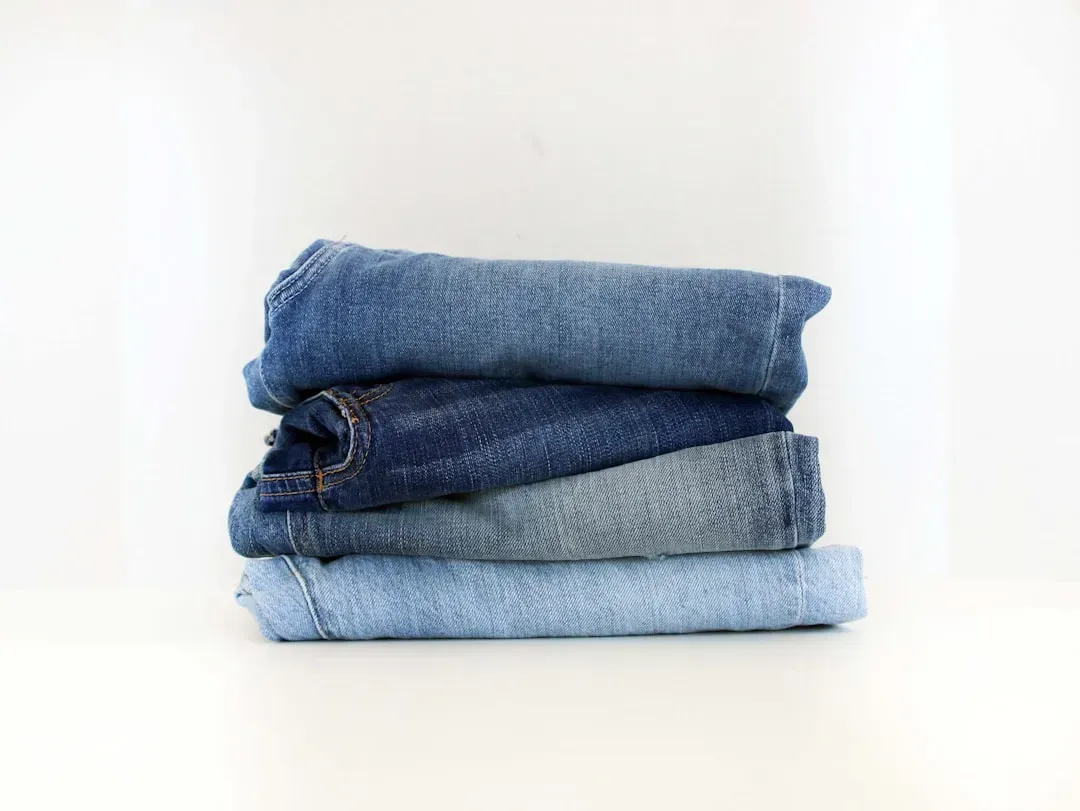
Tight denim pants held a firm grip on millennial wardrobes for over a decade. A report by Sourcing Journal showed that nearly three quarters of Gen Z teens prefer baggy or wide-leg jeans over skinny fits. This younger group prioritizes comfort and movement over looking painted into their clothes. For millennials, skinny jeans aren’t a fashion statement anymore, they’re just jeans.
For millennials, skinny jeans weren’t just a choice; they were a way of life. After the baggy, low-rise chaos of the Y2K era, the sleek, form-fitting silhouette felt revolutionary. Gen Z, which has fully revived loose-fit and wide-leg styles, watches millennials insist on their fitted denim with a mixture of bafflement and gentle pity.
Parting Their Hair to the Side

Parting Their Hair to the Side (Image Credits: Pexels)
Millennials have been getting roasted by Gen Z for being “old and out of touch” for several things in particular, including side parts. It seems like a strange hill to die on, but the side part became a genuine generational flashpoint. Most millennials don’t even style their hair consciously anymore. The part just falls where it always has.
The deep side part was a staple for anyone who grew up during the early days of social media. Younger crowds have declared that the middle part is the only acceptable way to style hair today. Changing your hair completely alters your facial symmetry, and younger people swear by the center split. To millennials, this is exhausting. To Gen Z, it’s practically a litmus test.
Saying "Adulting" Unironically

Saying "Adulting" Unironically (Image Credits: Pexels)
The slang and sayings of millennials, such as “adulting,” “don’t talk to me till I’ve had my morning coffee,” and “I did a thing” have been deemed quite cringe-worthy by the younger generation. Millennials coined “adulting” as a tongue-in-cheek way to acknowledge the weight of grown-up responsibilities, a kind of shared humor about the absurdity of suddenly being in charge of everything.
Complaining about paying bills and buying groceries used to be a quirky personality trait. A 2025 YPulse study revealed that Gen Z respondents find the concept of “adulting” incredibly cringeworthy. They simply view doing chores and paying taxes as regular life rather than a special achievement. Gen Z didn’t grow up with that same ironic remove from adulthood, and the word lands on them like nails on a chalkboard.
Checking Email Like It's a Core Life Skill
Checking Email Like It's a Core Life Skill (Image Credits: Unsplash)
Millennials are omnichannel natives: search, social, streaming, and podcasts, but they remain strong email users for deals and updates, with research-heavy product journeys. Email is simply part of the millennial operating system. They check it in the morning. They check it at night. They forward things to themselves as reminders. It’s automatic.
While both generations are adept with tech, Gen Z and millennials use it differently. Gen Z emphasizes video and fast-paced visual content, while millennials tend to value written communication and curated online personas. Gen Z doesn’t distrust email exactly, but reaching for it first the way millennials do feels as dated to them as sending a fax might feel to a millennial.
Calling People on the Phone Without Warning

Calling People on the Phone Without Warning (Image Credits: Pexels)
Gen Z insists we text before cold calling, and they keep upending the world of phone etiquette. Millennials grew up calling people. It’s still the instinctive move when something feels too complicated for a text, which is a threshold that arrives far sooner for them than it does for Gen Z.
Because young people did not develop the habit of phone conversations, it now feels unusual. Many fear unexpected calls, associating them with bad news. Psychotherapist Eloise Skinner attributes this anxiety to a sense of dread associated with calls, which are often reserved for significant news due to busy schedules. A millennial picks up the phone without thinking twice. A Gen Zer sees an incoming call and genuinely wonders what catastrophe is unfolding.
Keeping a Physical DVD Collection
Keeping a Physical DVD Collection (Image Credits: Unsplash)
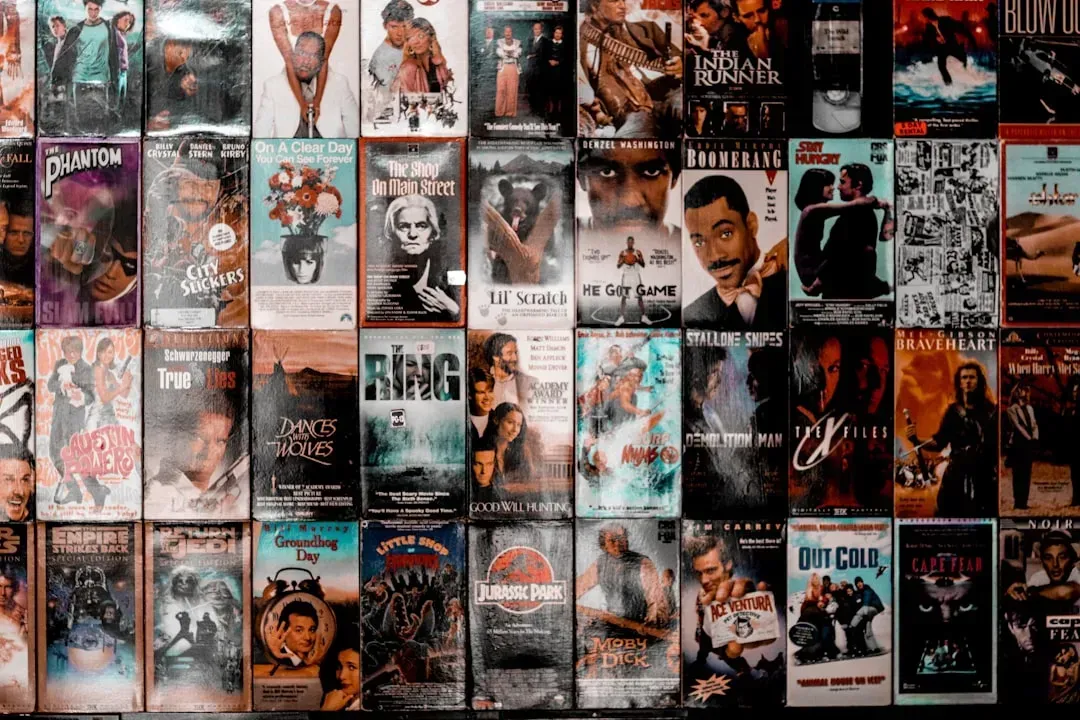
For many Gen Z adults, they didn’t really grow up with having to watch movies on DVDs. While millennials have also adapted, they still have a special place in their heart for their old DVD collections, and have no shame in displaying them proudly in their homes or occasionally watching one just for that nostalgic feeling. To millennials, a shelf of DVDs is personal history. To Gen Z, it’s just clutter with an optical drive.
Gen Z can’t seem to wrap their heads around it. To them, a DVD collection feels wildly unnecessary when there are better, more updated options for watching something at the end of a long day. The idea of owning physical media you can only watch on a specific machine, in a specific room, at a specific time, reads as an almost prehistoric constraint to a generation that streams everything everywhere.
Framing Their College Degree and Hanging It on the Wall

Framing Their College Degree and Hanging It on the Wall (Image Credits: Pexels)
For many millennials, they’re often proud of the fact that they were able to get a college degree and have no problem framing it up in their homes for everyone to see. It’s their way of showing that all the hard work and dedication they spent years on finally paid off. It’s a sign of the sacrifice and commitment that went into it. This makes complete sense in context. Millennials were the generation told that a degree was the key to everything.
There are other career paths that Gen Z has learned they can follow without spending four years in college and accumulating significant debt. So, when they see that millennials have framed degrees in their homes, it strikes them as a bit odd that they’re still holding on to a tradition that doesn’t quite serve them in the same way. For Gen Z, the credential is functional at best. Displaying it like a trophy feels like bragging about something everyone was supposed to do.
Keeping Physical File Folders for Important Documents
Keeping Physical File Folders for Important Documents (Image Credits: Pexels)
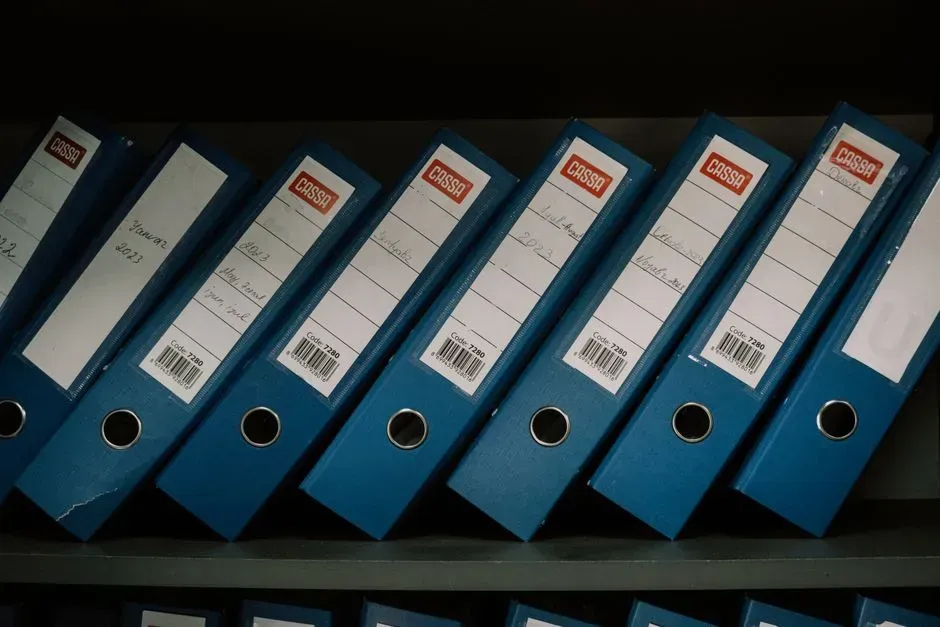
Many millennials didn’t grow up with digital folders and just sliding things into folders on their computers. For them, everything was done by hand and through a filing system. So, it makes sense that they would continue to do that in their adulthood. Any important documents, like bills, taxes, or special papers that they can’t lose, will go into a labeled folder. It’s an old organizational logic that still works perfectly well, but it looks almost theatrical to Gen Z.
Gen Z manages the same documents in cloud storage, phone photos of receipts, and digital note apps. They’re genuinely puzzled by anyone voluntarily adding a physical step to an already digital process. It’s not that the folders are wrong; it’s that the impulse to create them at all seems to come from a different planet.
Sticking Loyally to One Brand for Years
Sticking Loyally to One Brand for Years (Image Credits: Unsplash)
Millennials are notably more brand loyal and brand-conscious than their younger Gen Z counterparts. Surveys show that roughly three in five millennials reported brand-loyal purchasing patterns. Supporting organizations that align with their values often dominates purchasing decisions made by millennials, even when the price is steep. When a millennial finds a shampoo, sneaker brand, or grocery store they trust, they tend to stick with it for years, sometimes decades.
On the other hand, Gen Z is reported to prioritize frugality, engage in price comparison, and shop around to find the best deal on items they want. Gen Z demonstrates more spontaneous purchasing behaviors, with mobile-first shopping habits and shorter decision-making cycles. They’re more influenced by social media recommendations and comfortable making purchases from brands they’ve recently discovered. Loyalty, to them, is something you earn with every transaction, not something granted upfront.
Doing a Prolonged Pause at the Start of a Video

Doing a Prolonged Pause at the Start of a Video (Image Credits: Gallery Image)
Some Gen Zers think millennials take themselves too seriously on social media formats. That tiny breath of dead air at the start of a video gives away a creator’s birth year instantly. Skipping that awkward silence makes videos feel much more authentic and energetic. Millennials learned to make videos in an era before instant editing, where a setup pause was natural, almost cinematic. They still do it out of pure habit.
Gen Z grew up editing 30-second clips at age twelve and has zero tolerance for preamble. A millennial pausing to collect their thoughts before speaking on camera looks, to a Gen Z viewer, like someone buffering. The expectation now is to start already in motion, mid-thought, mid-action, before the viewer even has a chance to scroll away.
Photographing Everything from a High Angle

Photographing Everything from a High Angle (Image Credits: Unsplash)
Holding the camera way above your head used to be the ultimate trick for a flattering photo. People did this to make their eyes look bigger and hide any hint of a double chin. Today’s youth prefer capturing themselves straight on or even from slightly below the chin. The high-angle shot reads as insecurity to a generation that values raw authenticity online.
Gen Z deliberately posts blurry or chaotic photos to reject the polished aesthetics of the past. Dropping your phone down to eye level instantly updates your digital persona. For millennials, the overhead shot was empowering, a discovered technique passed around early Instagram. Letting go of it would mean unlearning something that was never framed as a flaw to begin with.
Using Facebook as a Primary Social Network
Using Facebook as a Primary Social Network (Image Credits: Unsplash)
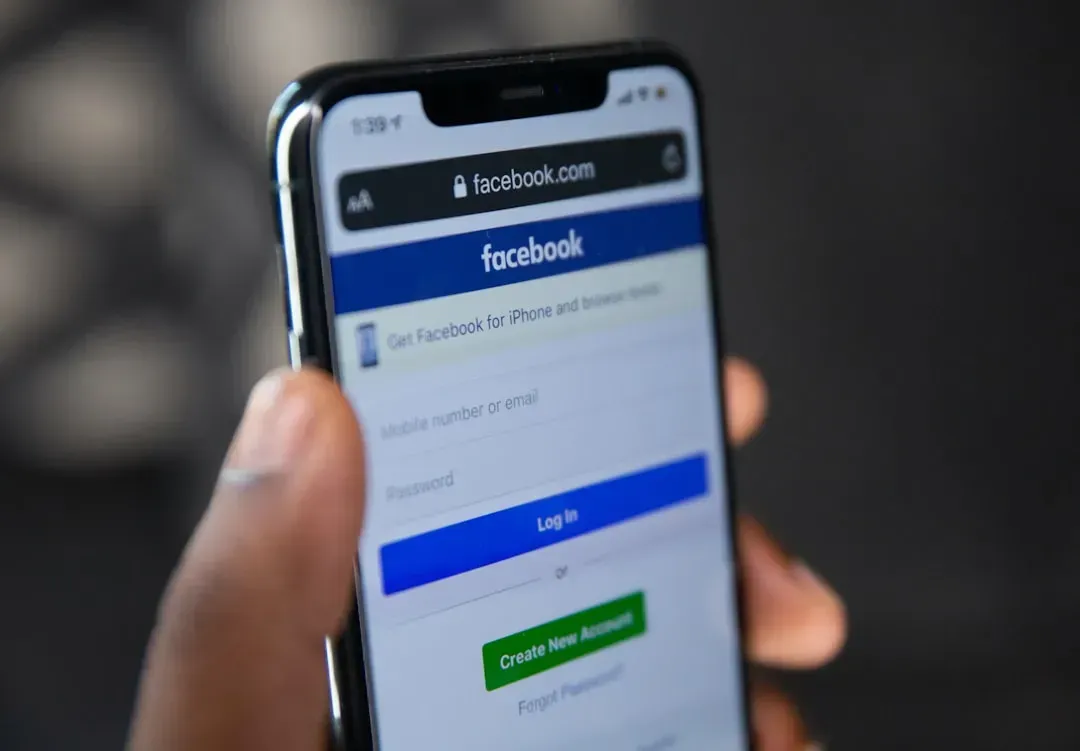
While YouTube and Instagram have seen remarkably stable user numbers among both groups, such is not the case for Facebook. The share of Gen Z adults who say they use Facebook dropped ten percentage points, from 87% to 77%, between 2016 and 2025. Meanwhile, many millennials still default to Facebook for event planning, group coordination, and keeping up with people they haven’t seen in years.
Millennials are often the first generation to come of age with the internet. But Gen Z are digital natives; they’ve never known a world without smartphones, social media, or streaming. Facebook was the internet for millions of millennials in their formative years. That kind of imprinting doesn’t disappear easily. Gen Z looks at an active Facebook profile the way a millennial might look at a working fax machine: technically still functional, but philosophically confusing.
Generational gaps have always existed, of course. What’s worth noticing here is how specifically these habits trace back to context rather than character. Millennials aren’t clinging to old ways out of stubbornness. These are simply the behaviors that made sense when they were formed, built into the muscle memory of a generation that watched the digital world assemble itself in real time. Gen Z inherited the finished product. It’s no wonder they look at the construction marks and wonder why anyone left them there.