
Most parents have been there: a toddler in full meltdown, tears streaming, the world apparently ending because of the wrong-colored cup. The instinct to make it stop is immediate and completely natural. What tends to come out of a parent’s mouth in that moment, though, can matter more than most people realize.
A parent’s words have weight and can stay with a child longer than you might think. Research in developmental psychology has been quietly building a case for years that certain everyday phrases, ones that feel harmless or even sensible in the moment, can leave lasting impressions on how children understand and manage their own emotions. Here are the phrases experts consistently flag as ones to retire.
"Stop Crying"

"Stop Crying" (Image Credits: Unsplash)
"Stop crying" is a common phrase that child psychologists agree is particularly problematic, namely because it comes from a place of intolerance. It seems straightforward enough as a request, but the message a toddler actually receives is far more complicated. You may think that making the crying stop will also stop your child from hurting, but when you tell your toddler "Stop crying!" or "Don't cry!" they'll immediately think that you don't understand how they're feeling, and their message is therefore likely to become louder and more persistent.
Telling your child to stop crying "does not convey empathy" and can make it harder for children to open up about their feelings and problems with caregivers in the future. The irony is that the instruction tends to produce the opposite of the intended result. Telling someone who is upset to "calm down" or "stop crying" is also likely to backfire, leading to an outburst, because before the calm, the emotion needs to come out, and what it is trying to communicate needs to get heard.
"Calm Down"

"Calm Down" (Image Credits: Pexels)
Telling a dysregulated toddler to calm down is a bit like asking someone drowning to float more gracefully. Both of these phrases lack empathy and teach children to deny or repress their feelings, which is bad for long-term emotional development and well-being. A toddler in distress isn't choosing to be dramatic; their nervous system is genuinely overwhelmed.
Telling someone to stop feeling something doesn't actually stop them from having that feeling. Sometimes it can even make it worse, causing them to lash out more, as if communicating "Stop shutting me down!" and other times they stop the behavior but all those emotions need to go somewhere. The emotion doesn't disappear just because the child goes quiet. It simply gets buried somewhere harder to reach.
"You're Fine"

"You're Fine" (Image Credits: Pexels)
This phrase is one of the most reflexively common and one of the most quietly damaging. By telling our children "you're okay," even with the best of intention, we are actually negating their feelings and telling them that their feelings are not valid or that they don't matter. Even if we might think that their feelings are "dramatic" or "silly" or "not that big a deal," these feelings are real to our children.
If kids hear "don't cry," they might interpret that their response doesn't match the situation, when in fact it often does. We want kids to trust their feelings and to know that their tears make sense for what they're experiencing, whether it's pain, fear, or isolation. Telling a toddler they're fine when they clearly don't feel fine creates a small but meaningful gap between their inner experience and what the trusted adult in front of them reflects back.
"Big Kids Don't Cry" (or "Big Boys Don't Cry")
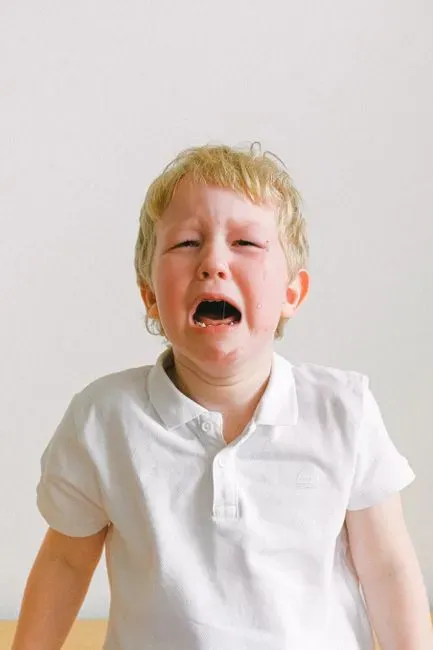
"Big Kids Don't Cry" (or "Big Boys Don't Cry") (Image Credits: Pexels)
There's a particular kind of silence that follows the sentence "That's nothing to cry about." It's the sound of a child learning that their inner world doesn't matter. Maybe you grew up hearing "Big boys don't cry" or "Stop being dramatic." Those phrases can slip out of your mouth almost automatically when your own kid melts down. From a psychological perspective, this is called emotional invalidation.
The intention can be tender: parents want to protect their kid from discomfort. Yet the message that actually lands is harsher: "Your feelings are wrong." Or worse, "Your feelings are a problem for me." Over time, kids stop bringing their emotions to their parents, not because the pain is gone, but because they've learned it's safer to hide it. Phrases tied to age or gender add another layer, teaching children that emotional expression is something to outgrow rather than develop.
"Use Your Words"
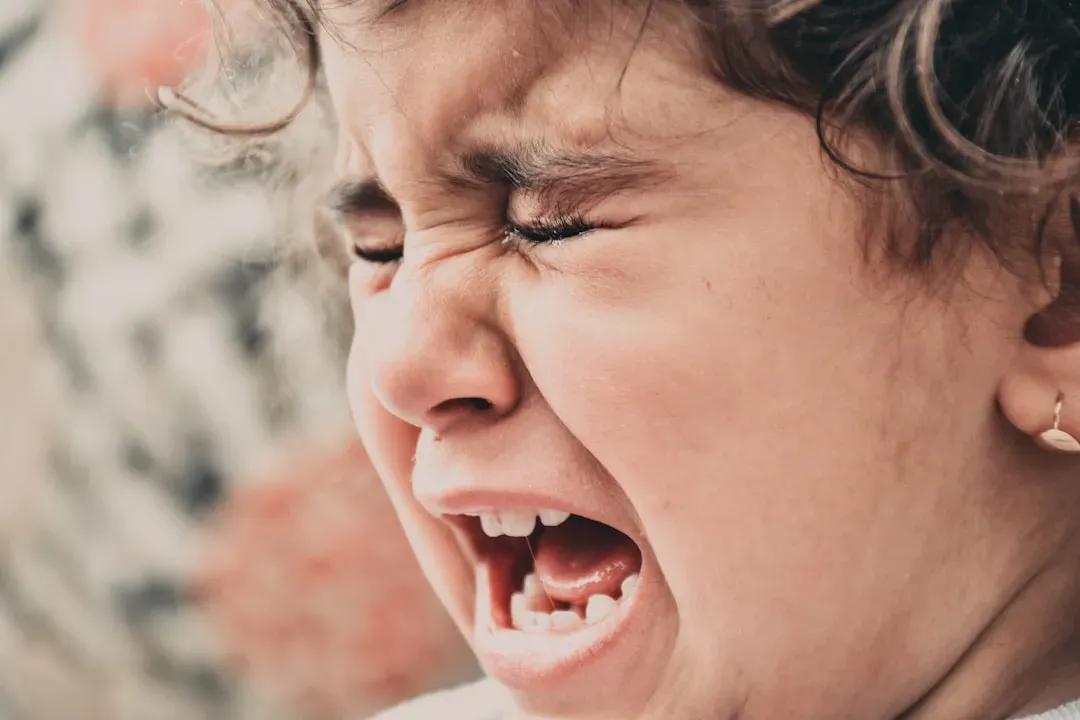
"Use Your Words" (Image Credits: Unsplash)
This one surprises most parents because it sounds constructive. It seems like exactly the kind of thing you're supposed to say. In fact, many of us believe that telling our children to use their words helps their emotional intelligence. It turns out that's wrong. Children are sometimes reduced to whining and nonverbal behaviors because they can't access the right words for their feelings.
Asking a flooded toddler to articulate themselves is asking for a developmental skill they simply don't yet possess in that moment. The methods for dealing with temper tantrums and meltdowns are different than those for dealing with normal anger and frustration, and appealing to the child with logic or threatening consequences is unproductive. A child mid-meltdown is not in a state where language is easily accessible. The brain needs to settle before words can follow.
"I'm Disappointed in You"

"I'm Disappointed in You" (Image Credits: Pexels)
Few phrases carry as much emotional weight for a toddler. When a parent says they're disappointed in their kid, the child may start parent-pleasing and become hyper-aware of making mistakes to avoid hearing these hurtful words again. This anxious and perfectionistic thinking can spill over into other areas of their life.
Alternatively, this idea that the kid is a disappointment may "become part of their identity so they do more disappointing things because they think, well, 'That's who I am.'" So a parent might notice more defiance or oppositional behavior, more sassiness and eye-rolling. It's a phrase that tends to shape identity at an age when identity is still forming, and not always in the direction parents intend.
"Stop It or I'll Give You Something to Cry About"
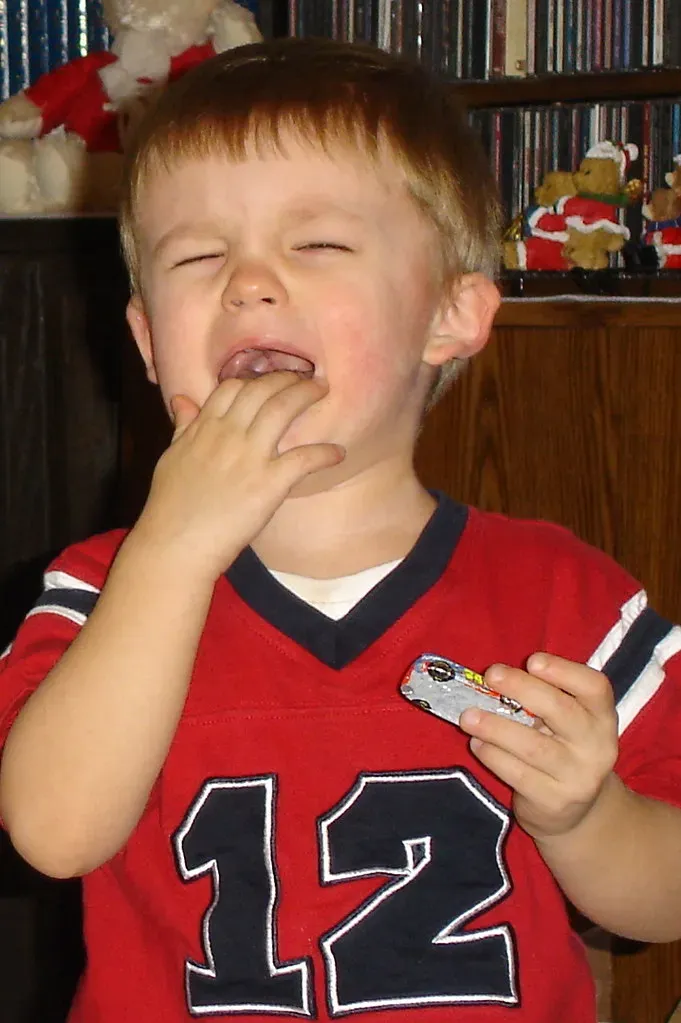
"Stop It or I'll Give You Something to Cry About" (dawnhops, Flickr, <a href="https://creativecommons.org/licenses/by/2.0/" target="_blank" rel="noopener">CC BY 2.0</a>)
This phrase has been passed down across generations, often said half in jest, sometimes not at all. Research has shown that "harsh, critical, and highly emotional parenting causes strong physiological reactions in the bodies of both parents and children. These reactions can be measured in a number of ways, including rapid heart rate responses during parent-child interactions. When parents are harsh, highly emotional, and critical, their children's bodies react as if a major threat has occurred."
If you heard some version of these phrases growing up, you probably absorbed a lesson that felt like practical wisdom at the time: emotions are inconvenient, expressing them is weakness, and the fastest way to earn approval is to swallow whatever you're feeling and move on. The adults who said these things weren't usually being cruel. Most of them genuinely believed they were preparing you for a world that wouldn't care about your feelings. The research, though, tells a different story about what such threats actually produce in a child's nervous system.
"You're Overreacting" (or "It's Not a Big Deal")
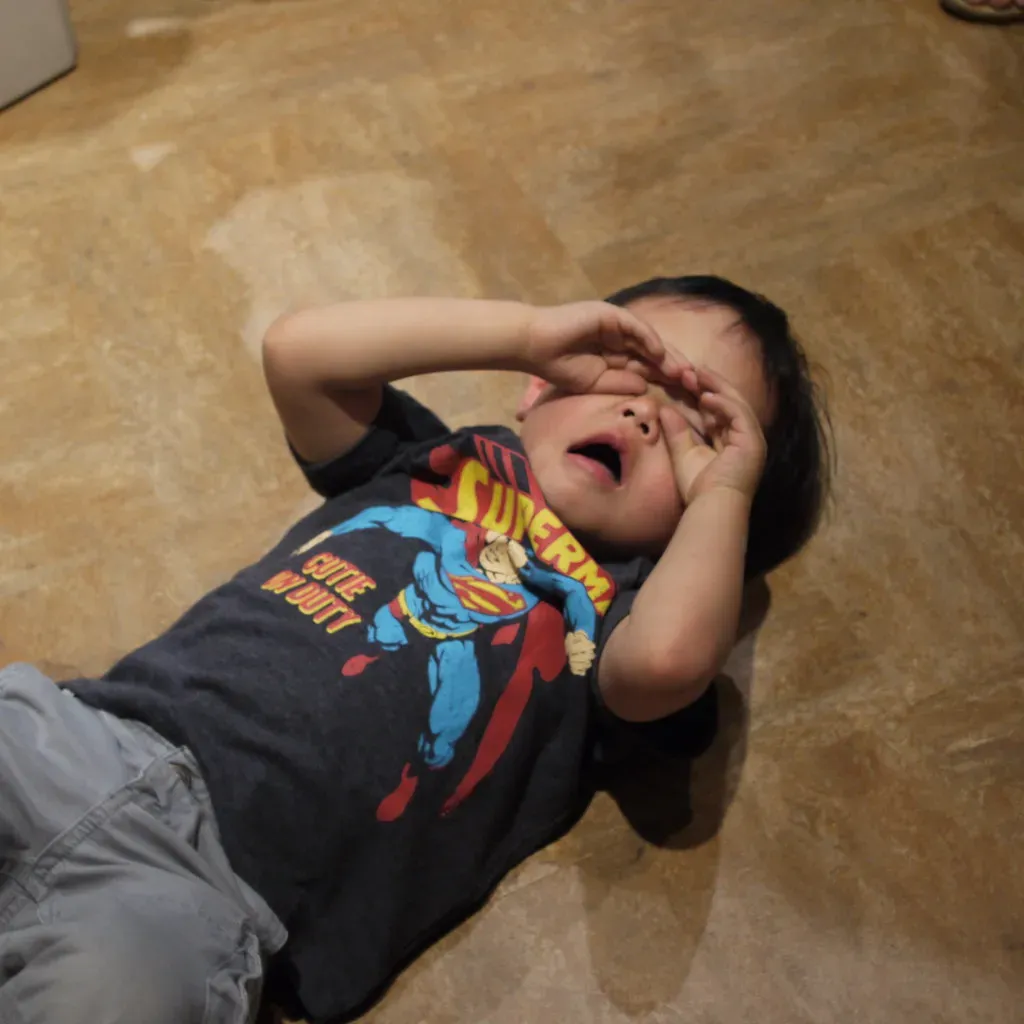
"You're Overreacting" (or "It's Not a Big Deal") (mliu92, Flickr, <a href="https://creativecommons.org/licenses/by-sa/2.0/" target="_blank" rel="noopener">CC BY-SA 2.0</a>)
From an adult's perspective, a toddler's devastation over a broken cracker can look wildly out of proportion. That perspective gap is real, but it tends to lead parents astray. Many of us expect our children to be miniature adults. We don't remember what it is like to be a child whose emotions can quickly sweep them away, and we interpret their behaviors from an adult mindset. Therefore, when our child has a full-blown meltdown over their sandwich being sliced the wrong way, it is difficult for us adults to be empathetic. We try to rationalize with a little human having an intense emotional experience, which usually does not help the situation.
We tend to look at the things that are distressing our kids with an adult lens, but when you are four years old and someone knocks over your tower, that really feels like the end of the world. In their little universe, this is devastation. Dismissing that experience doesn't teach proportionality. It teaches a child that their emotional reality is wrong, which is a much harder lesson to undo later.
Why It Matters More Than Parents Realize
Why It Matters More Than Parents Realize (Image Credits: Unsplash)
The maturation of brain regions involved in emotion regulation, particularly the amygdala and prefrontal cortex, from fetal life through age two is a dynamic process shaped by genetic and environmental factors. Early experiences, especially responsive caregiving, promote the growth of neural circuits supporting emotional expression and regulation. In contrast, early adversity such as neglect or chronic stress may disrupt these circuits and increase vulnerability to emotional difficulties.
When we tell children to "stop crying" or say "You're okay," we unintentionally teach them to suppress their emotions rather than process them. Emotional suppression can lead to difficulty recognizing and regulating emotions later in life, making it harder to form healthy relationships and manage stress. Instead of helping children build resilience, this response may make them feel their emotions are wrong or unimportant. The good news is that the reverse is equally true. Staying with kids through their stress conveys the message that their feelings don't scare you, that you can handle the difficult moments with them, and that they can rely on you for real-time support, even when it's hard or uncomfortable.
What to Do Instead
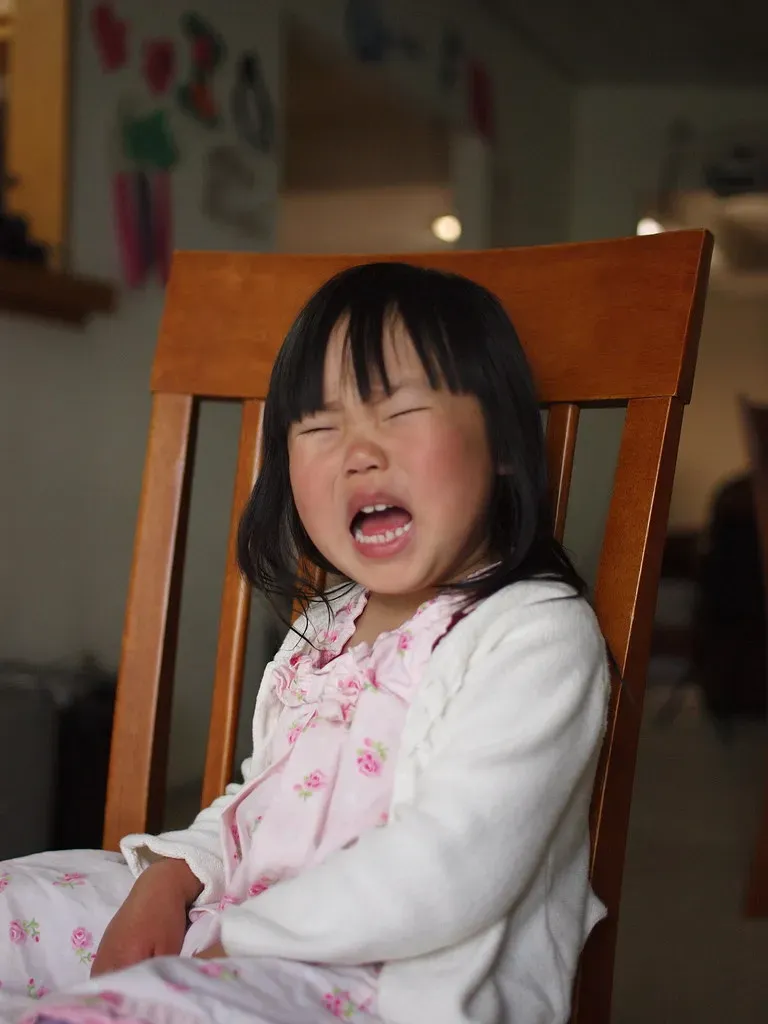
What to Do Instead (mliu92, Flickr, <a href="https://creativecommons.org/licenses/by-sa/2.0/" target="_blank" rel="noopener">CC BY-SA 2.0</a>)
You may not always know exactly why a child is crying or understand their reaction to the situation. Validation doesn't necessarily mean agreement; it means "I see you and I believe you." Simply naming what you observe, "I can see you're really upset right now," goes a long way toward helping a toddler feel seen without requiring them to explain themselves or stop feeling what they feel.
Children learn emotional regulation primarily through co-regulation, watching how trusted adults handle stress. Modeling doesn't mean being perfectly calm. It means staying present, keeping your voice steady, and resisting the urge to make the crying stop on your timeline rather than theirs. If we can validate their feelings and model how to cope with disappointment, we are helping them build skills to deal with the bigger disappointments they will inevitably face as they grow up. The goal of parenting is not to make sure our kids never face any struggles; it is to give them the skills to deal with struggles when they happen.