
There’s a quiet irony in how much dating advice circulates today. Apps offer thousands of potential matches, self-help books offer thousands of strategies, and yet many people feel more confused about relationships than ever. Meanwhile, couples who married decades ago and stayed married seem to have operated by a simpler, more patient set of principles.
Not all old-school rules hold up. Some were rooted in rigid gender norms that deserve to be left behind. But others reflect something more enduring: a commitment to patience, honesty, and genuine effort. These are fourteen of those rules that grandparents watched younger generations quietly discard, and that relationship research keeps quietly validating.
1. Take Your Time Getting to Know Someone

1. Take Your Time Getting to Know Someone (Image Credits: Pixabay)
In today’s culture of speed, slowing down can feel rare and refreshing. When you take the time to build trust, compatibility, and shared values, the relationship becomes more meaningful. Love that lasts often grows with patience. That idea was simply how courtship worked for older generations. You didn’t rush into anything.
Experienced voices often remind us that it takes a long time to truly know someone, and that on those first few dates, you’re largely getting the version of the person they want you to see. Slowing down gives you a clearer picture of who someone actually is, not just their first impression.
2. Show Up on Time and Follow Through
2. Show Up on Time and Follow Through (Image Credits: Pixabay)
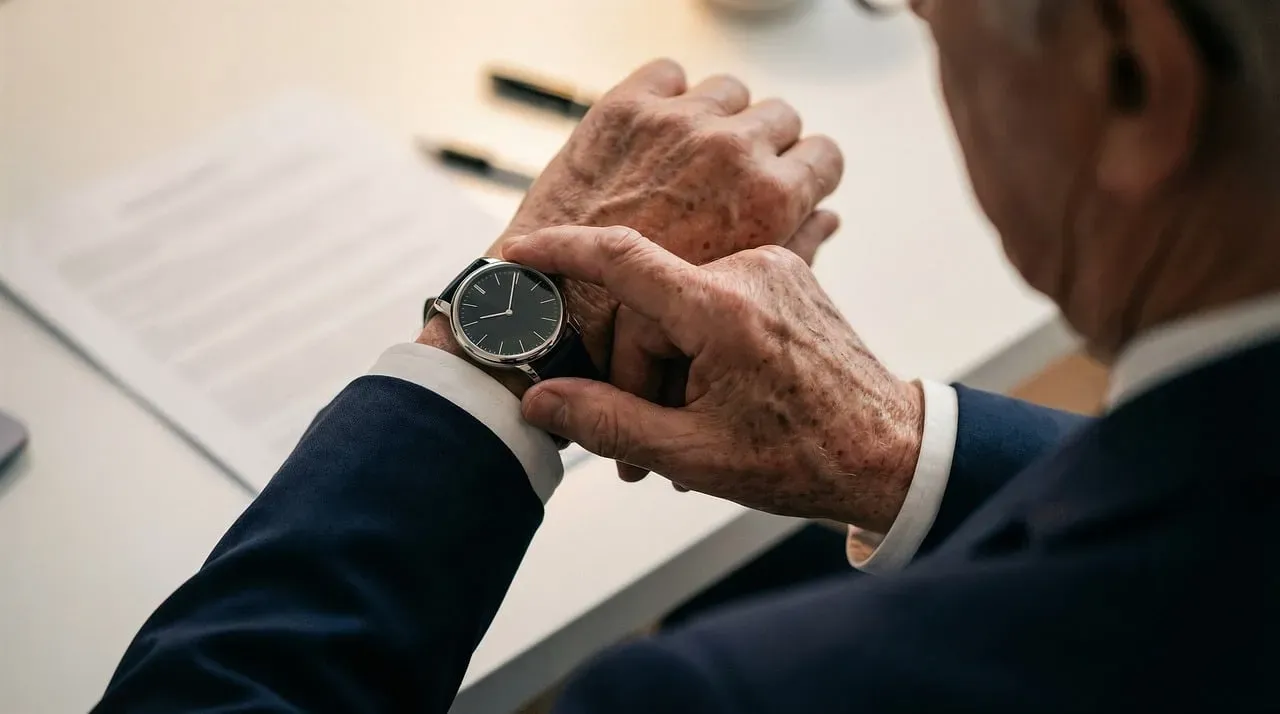
One of the most respected dating habits from the past was doing what you say you’ll do. If someone promised to call or take you out, they followed through, and that reliability created trust. In 2026, flakiness is far too common, but being dependable is still incredibly attractive.
Whether it’s keeping a date or returning a message, consistency matters. It shows that you respect your partner’s time and emotions. Following through is a small act that has a big impact. Older generations treated their word as something worth honoring. That attitude built reputations, and relationships.
3. Communicate Directly Instead of Playing Games
3. Communicate Directly Instead of Playing Games (Image Credits: Pexels)
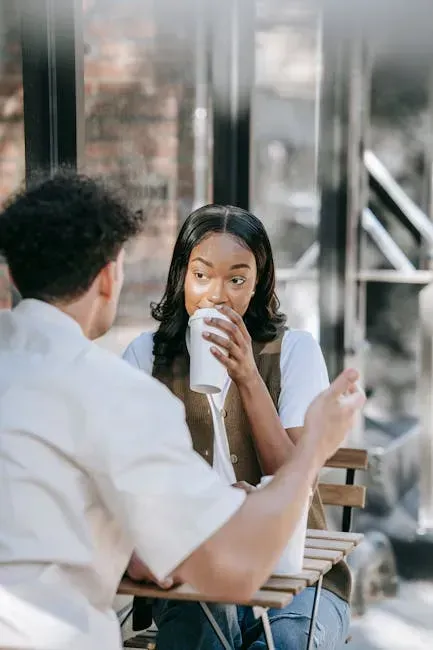
In an era of ghosting and vague texting, clear communication is more important than ever. Old-school daters valued direct conversations about feelings, expectations, and intentions. Instead of playing games or keeping things casual indefinitely, they prioritized honesty.
Good communication is the foundation of any successful relationship. Sharing your thoughts, feelings, and expectations matters. Listening actively to what the other person has to say, and being respectful even in disagreement, builds real closeness. That’s not a generational value. It’s a human one.
4. Dress the Part and Make an Effort

4. Dress the Part and Make an Effort (Image Credits: Pexels)
Taking time to look nice for a date isn’t about vanity, it’s about showing you care. Old-school daters would dress up not just to impress their partner, but to show respect for the occasion. Even in today’s laid-back culture, effort in appearance reflects effort in the relationship.
There’s a simple logic to it. When someone takes care in how they present themselves for a date, it signals that the person across the table is worth the trouble. In 2026, this doesn’t mean you need to wear a tuxedo or heels, but looking polished sends a message. Effort is noticed. So is its absence.
5. Don't Try to Change Each Other

5. Don't Try to Change Each Other (Image Credits: Pixabay)
A piece of wisdom that spans generations is this: don’t try to change someone to fit your idea of an acceptable partner, and don’t feel you have to change who you are to fit into a relationship. The characteristics that draw someone to a partner early on, things like a sense of humor or genuine warmth, tend not to change.
The reverse is also true. Which leads to the belief that this rule is probably also true of less lovely traits. What you see is largely what you get. Older couples often say they chose well from the start and accepted their partner fully, rather than spending years hoping someone would eventually become a different person.
6. Express Gratitude Regularly and Specifically
6. Express Gratitude Regularly and Specifically (Image Credits: Pexels)
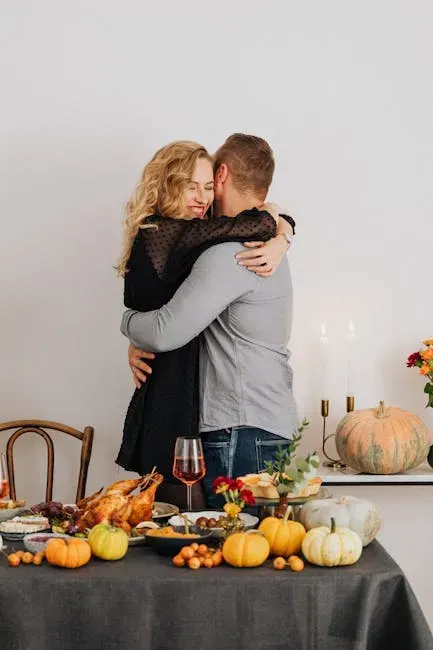
Renowned couples researchers John and Julie Gottman have found, across decades of study, that marriages with a high ratio of positive to negative interactions have the highest rates of intact, satisfying marriages. Teaching couples to demonstrate appreciation and respect is central to their model, with appreciation serving as an antidote to contempt.
A longitudinal study published in the Journal of Personality and Social Psychology found that gratitude expressions predicted relationship satisfaction more accurately than any other measured variable, including communication quality or sexual frequency. Partners who felt appreciated were more likely to stay committed and less likely to experience relationship dissolution over the study’s five-year period. Grandparents may not have cited research, but they understood this instinctively.
7. Meet in Person Rather Than Staying Digital

7. Meet in Person Rather Than Staying Digital (Image Credits: Unsplash)
Old-school dating relied on shared environments to spark interaction. Face-to-face introductions often feel more authentic and less curated than dating profiles. While apps are convenient, many still crave the magic of in-person moments. Balancing technology with real-life connections can lead to more genuine relationships.
Across all countries studied, participants were more satisfied with their relationship and experienced greater intimacy, passion, and commitment if they had met their partners offline than if they had met their partners online. That doesn’t mean apps have no value, but it does suggest there’s something irreplaceable about the unfiltered, in-person first encounter.
8. Build a Friendship First

8. Build a Friendship First (Image Credits: Unsplash)
Beyond passion and romance, cultivating deep friendship involves understanding, mutual respect, and shared experiences that strengthen the bond between partners. Couples who prioritize building friendship alongside intimacy report significantly higher relationship satisfaction. Nurturing a strong friendship within a romantic relationship lays a solid foundation for lasting love.
Grandparents often describe their spouse as their best friend. That’s not sentimentality. At the heart of successful relationships lies the belief that friendship forms the bedrock of lasting connection. Romantic chemistry can fade with time; genuine friendship tends to deepen. The couples who seem happiest in old age are usually the ones who genuinely like each other, not just love each other.
9. Be Honest About Who You Really Are

9. Be Honest About Who You Really Are (Image Credits: Unsplash)
Roughly seven in ten online daters believe it is very common for those who use these platforms to lie in order to appear more desirable. Older generations would have found that deeply counterproductive. If a relationship is built on a curated version of yourself, it eventually meets the real version, and that’s where things tend to unravel.
If you have personal challenges, being honest about them, even if it risks a second date, reflects integrity. Relationships grounded in honesty from the start don’t require the exhausting work of maintaining an illusion. Grandparents often say the secret to a long marriage was simple: they never pretended to be someone they weren’t.
10. Respect Your Partner's Time and Emotions

10. Respect Your Partner's Time and Emotions (Image Credits: Unsplash)
Being respectful never goes out of style, no matter how casual dating becomes. Simple acts like saying “please” and “thank you,” showing up on time, or listening without interrupting still speak volumes. These behaviors were once considered basic courtesy, not something that needed to be said out loud.
Respect also means honoring boundaries and treating your date as an equal. Emotional safety and mutual consideration are non-negotiables. The best relationships start with respect at their core. In an era when ghosting has become practically normalized, treating someone with basic human dignity feels, somehow, like a radical act.
11. Avoid Snap Judgments

11. Avoid Snap Judgments (Image Credits: Unsplash)
Plenty of people go on first dates after connecting on a dating app, only to decide hastily that there’s no chemistry. While there’s no magic number of dates to aim for, avoiding snap judgments matters. Occasionally, chemistry between two people emerges much later, and some relationships evolve from friendship into romance.
Most people use looks as the main criterion when making choices online, thereby weeding out possible good matches by mistake. The other common error is processing information about another person in a superficial way, without really giving much thought to what they might be like. Grandparents grew up in a world where you couldn’t swipe someone away in a second. That slower pace sometimes led to better outcomes.
12. Keep the Relationship a Priority, Not an Afterthought

12. Keep the Relationship a Priority, Not an Afterthought (Image Credits: Pexels)
If there’s one thing relationship research consistently points to, it’s this: make it clear that your relationship is one of your highest priorities, and really act on that. Make connecting with your partner something you do intentionally, not whatever’s left after everything else is done. Set aside time for a regular date, really talk and listen to each other.
In stable, happy marriages, partners respond to each other’s bids for connection roughly eighty-six percent of the time. In marriages that eventually ended in divorce, that number dropped to around one third. Grandparents didn’t need a statistic to understand that showing up for each other, consistently, was what kept a relationship alive.
13. Enjoy New Experiences Together

13. Enjoy New Experiences Together (Image Credits: Pexels)
One piece of wisdom from those who have sustained long relationships for decades: enjoy new things together. Shared new experiences are important to keep the relationship fresh and keep it from becoming stale, especially later in life. This wasn’t a formal rule so much as a habit. Couples who lasted tended to stay curious about the world and about each other.
Positive lifestyle changes, particularly when undertaken together, have the potential to strengthen the bonds between partners. Joint efforts, whether adopting a healthier habit or trying something new, reinforce the partnership’s foundation and contribute to its longevity. This collaborative approach also fosters mutual support and provides a shared sense of accomplishment that can enhance the relationship’s emotional connection.
14. Choose Someone Whose Character You Trust, Not Just Someone Who Excites You

14. Choose Someone Whose Character You Trust, Not Just Someone Who Excites You (Image Credits: Unsplash)
A well-worn observation from long-married people is that a good relationship is never perfect, there is no such thing. But it must make you feel content and happy as the relationship develops. Going out with someone with whom you feel comfortable and can trust, following your gut instincts, matters enormously.
Long-lasting love isn’t about finding the perfect partner. It’s about building a relationship with practices that withstand the test of time. The people who have been married for fifty years rarely say they found their perfect match. More often, they say they chose someone honest, reliable, and kind, and then they kept choosing them, every day after that. That’s still the best advice anyone has ever given.