
There is a quiet but unmistakable pattern playing out in households across the country. Millennial mothers carry a near-constant internal commentary about whether they’re doing enough, being enough, and making the right choices – about food, screen time, sleep training, childcare, and a hundred other things that didn’t use to be debated at all. Meanwhile, the grandparents in the next room are perfectly relaxed, handing the kids a cookie without a second thought.
The contrast is striking, and it isn’t just anecdotal. Research has consistently confirmed that millennial moms face a distinct, compounding form of parental guilt that previous generations simply didn’t encounter in the same way. Understanding why this gap exists – and what it’s doing to women raising children right now – matters a great deal.
The Scale of Parenting Guilt Among Millennial Moms

The Scale of Parenting Guilt Among Millennial Moms (Image Credits: Unsplash)
In today's hyper-connected world, millennial mom guilt is a real and growing struggle. Millennial parents, born between the early 1980s and mid-1990s, are facing a new wave of guilt and pressure that previous generations may not fully understand. The sheer volume of information they navigate daily is a key driver.
In a TIME survey, more than half of millennial parents found the information available to them somewhat, very, or extremely overwhelming, compared with roughly 46 percent of Gen X parents and about 43 percent of boomers. More data doesn't mean more confidence. For many moms, it means more things to feel bad about.
The "Perfect Mom" Pressure That Won't Let Up

The "Perfect Mom" Pressure That Won't Let Up (Image Credits: Pexels)
A BabyCenter survey of 2,700 U.S. mothers found that nearly 80 percent of millennial moms said it's important to be "the perfect mom," compared with about 70 percent of Gen X moms. Roughly 64 percent of moms across age groups said they believe parenting is more competitive today than it used to be.
Large proportions of moms report feeling pressured to be the "perfect" parent – a thing that does not exist. Nevertheless, 83 percent of Gen Z moms said they're striving for a perfect 10 motherhood score, compared to 77 percent of millennials. Even the most pragmatic millennial moms seem unable to fully escape this pull toward impossible standards.
Social Media: Fuel on an Already Burning Fire

Social Media: Fuel on an Already Burning Fire (Image Credits: Pexels)
Around 85 percent of millennial parents believe social media creates unrealistic parenting expectations, and 30 percent of millennial moms say they compare their parenting success to others on social media. The platforms designed to connect people are also quietly dismantling confidence.
Mothers are heavily engaged in social media, and mommy influencers have become key sources of information and targets for social comparison. Both envy and parenting efficacy serially mediated the relationship between mothers' social comparison experiences with mommy influencers and parental stress. In other words, even the motivating kind of envy eventually feeds stress rather than relieving it.
Burnout Is the Other Side of the Guilt Coin

Burnout Is the Other Side of the Guilt Coin (Image Credits: Unsplash)
A survey of over 320 parents found that women spend an average of 520 hours per year managing the mental load of household and family responsibilities. This invisible labor includes organizing schedules, planning children's activities, and managing family healthcare needs.
A staggering 94 percent of mothers have experienced burnout, with 39 percent feeling frequently or always burnt out. A Talker Research survey released in March 2024 found that 62 percent of millennials feel burnt out at work, with women accounting for 53 percent of that group. Respondents cited repetitive tasks, lack of appreciation, and rising expectations without corresponding pay increases. The burnout is coming from every direction at once.
The Invisible Load That Falls Mostly on Mom

The Invisible Load That Falls Mostly on Mom (Image Credits: Pexels)
A study published in the Journal of Marriage and Family found that mothers handle 71 percent of household tasks that require mental effort – about 60 percent more than fathers, who manage just 45 percent. Mothers also take on 79 percent of cleaning tasks and childcare, over twice as much as dads at 37 percent.
Research by the Beano Brain consultancy found a seismic generational shift in parenting ethos, with millennial parents showing a desire to be omnipresent in their kids' lives. This means millennial moms are prioritizing full-time parenthood over their careers, while millennial dads, despite being more emotionally present than previous generations, are still physically absent more often. The result is a structural imbalance that amplifies guilt in one direction.
Breaking Generational Patterns Adds Another Layer

Breaking Generational Patterns Adds Another Layer (Image Credits: Pexels)
Another unique challenge for millennial moms is the pressure to break generational trauma. The concept of "breaking the cycle" is a newer one – a kind of pressure that previous generations have never experienced. Many young parents are acutely aware of the negative patterns and behaviors passed down from previous generations and are determined to raise their children differently.
Millennial parents are professionally parenting like no other generation before them. From planning the route to parenthood amidst career and personal goals to actively selecting the parenting style they want to adopt, millennials take their role as parents as seriously as – and sometimes instead of – their next big career move. That level of intentionality is admirable. It also makes every misstep feel heavier than it probably is.
Why Grandparents Seem Unbothered
Why Grandparents Seem Unbothered (Image Credits: Unsplash)
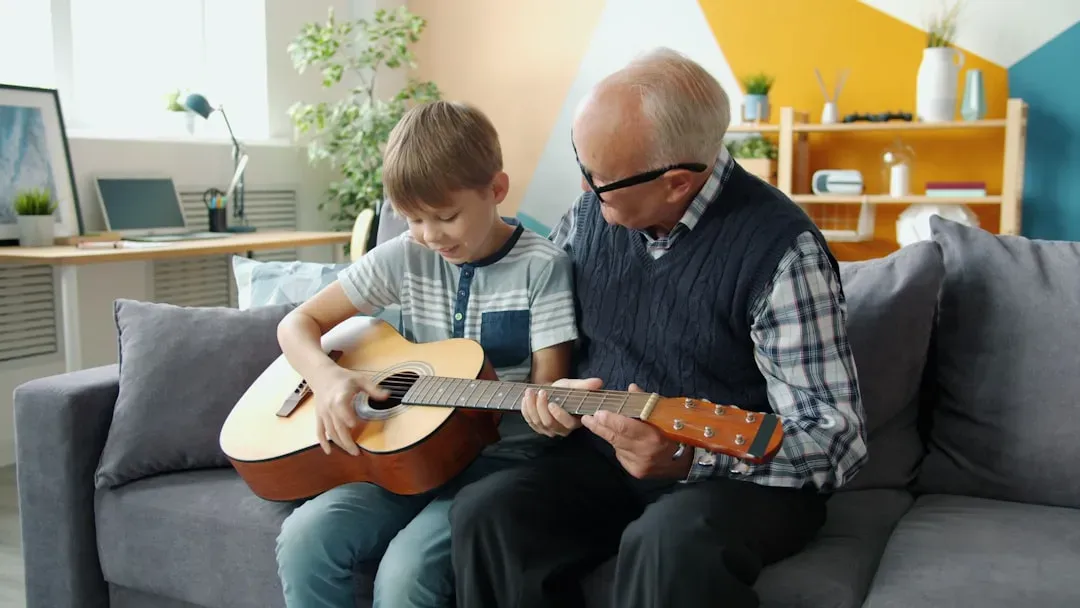
Generally speaking, baby boomer grandparents follow a mix of authoritarian and authoritative parenting styles. Gentle parenting – the style most millennial moms embrace – takes on many forms, but a common theme focuses on holding boundaries with a strong emphasis on validation and age-appropriate understanding of emotions. The philosophical gap between these two approaches is wide.
In a recent US poll, around 53 percent of grandparents refused to change their approach even after a plea had been made by parents. That kind of quiet confidence comes, in part, from the fact that grandparents already did the job. They raised children, watched them survive and grow, and shed most of the performance anxiety that comes with being a first-time parent. Their relationship with a grandchild is genuinely different – more playful, less weighted, and unburdened by the pressure to get every decision right.
The Generational Clash at the Kitchen Table
The Generational Clash at the Kitchen Table (Image Credits: Pexels)
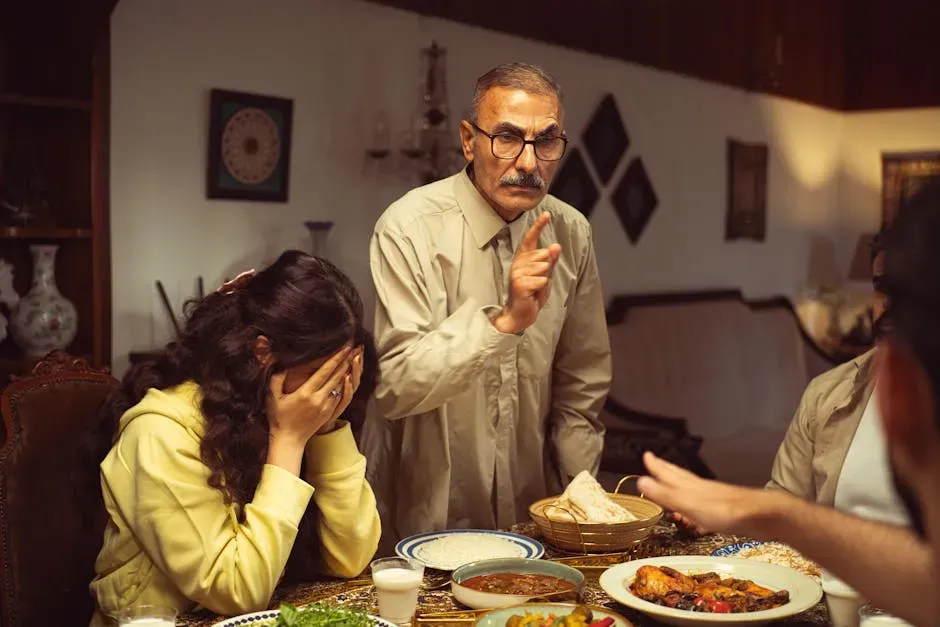
In a recent US poll, 43 percent of parents said they had conflicted with grandparents over the parenting of their children. According to one US survey, grandparents bemoaned the lack of parental discipline as well as differing priorities on manners, respect, and money. Grandparents overwhelmingly believed that parents gave their children too much power, while 40 percent of parents said that disagreements occurred because grandparents were too lenient on the child. They can't even agree on what they disagree on.
According to a study from Lurie Children's Hospital of Chicago, three out of four millennial parents say they practice gentle parenting, and 73 percent think their parenting style is better than that of past generations. Yet the grandparents aren't losing sleep about it. That gap in emotional investment – high stakes for mom, relaxed confidence for grandma – tells you a lot about where the guilt actually lives.
The Financial Pressure Compounding Everything

The Financial Pressure Compounding Everything (Image Credits: Unsplash)
A 2025 report by LendingTree found that the annual cost of raising a young child has surged by nearly 36 percent since 2023. Parents now spend an average of $29,419 a year, compared to $21,681 in the previous study. That sharp rise translates directly into stress, and stress feeds guilt in a predictable loop.
The cost of raising a child has skyrocketed in recent years, with expenses like daycare, healthcare, and education putting a considerable burden on young families. For those without a strong support network or access to affordable childcare, the decision to work or stay home becomes a difficult one, often accompanied by guilt and worry. Grandparents, by contrast, already paid off those anxieties decades ago. The mortgage is gone. The kids are raised. They can afford to be relaxed.
What the Research Says About What Actually Helps

What the Research Says About What Actually Helps (Image Credits: Pexels)
Research shows that grandparents, drawing upon their wealth of parenting experience, can offer valuable support, set positive examples, and provide encouragement when they engage in child-rearing collaborations. This can impact the level of confidence that mothers feel in their parenting responsibilities. When grandparents are actively supportive rather than passively critical, the dynamic shifts considerably.
Previous generations often had built-in support systems like extended family nearby, neighbors who would watch their kids, and a tight-knit community they could call on when needed. Millennials don't necessarily have this. Many are parenting without that kind of network, which can make things really lonely. Grandparents can support mothers of young children by alleviating household chores through active involvement in daily life. Grandparents' participation in parenting can mitigate the psychological burden on young mothers. The solution, in many cases, has been right there all along – it just requires a willingness on both sides to meet in the middle.